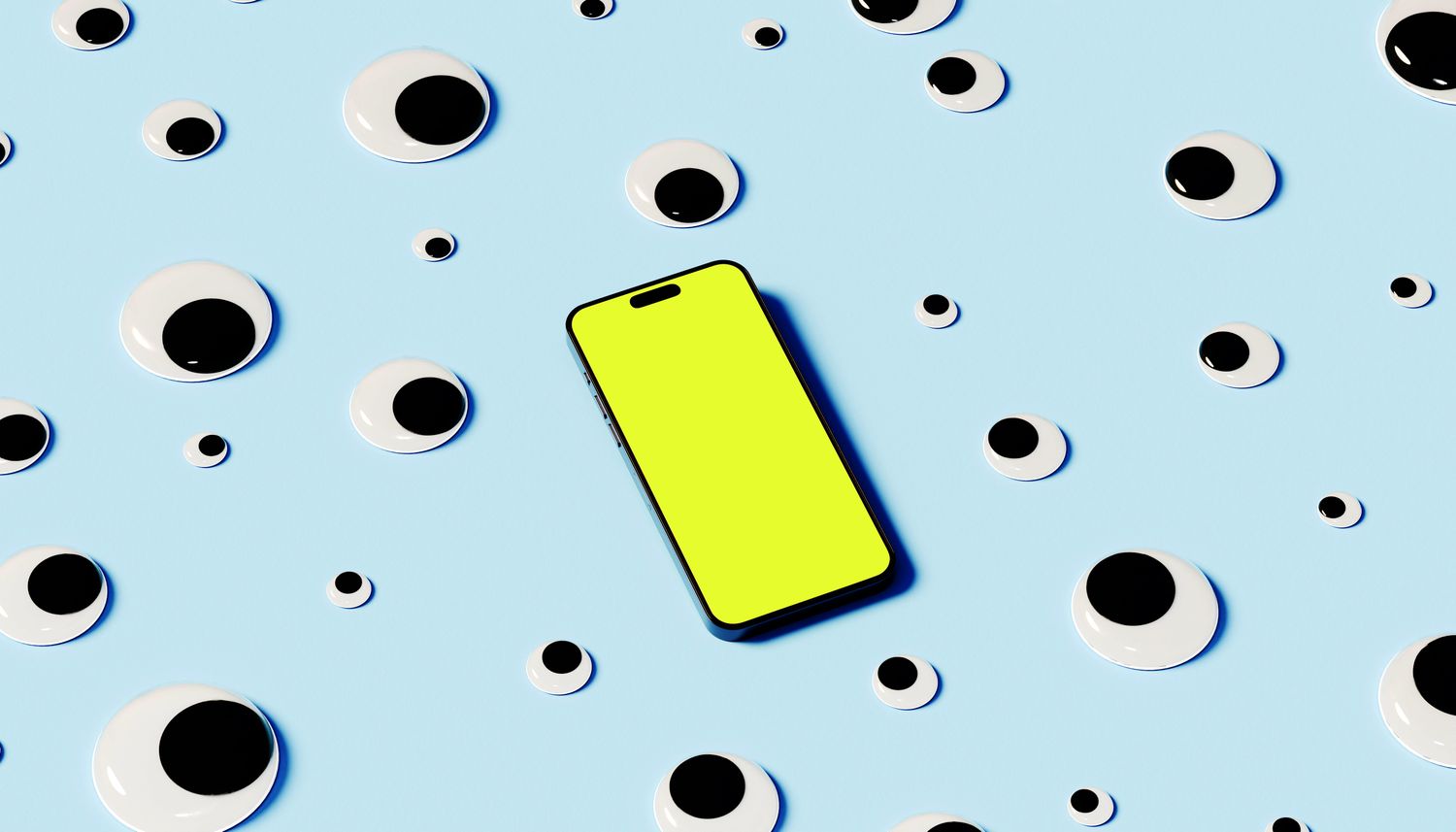
There is a special kind of modern tiredness that happens after you spend “just five minutes” scrolling and return to Earth forty-seven minutes later, emotionally invested in a stranger’s refrigerator restock, a raccoon rescue, and three arguments you did not ask to attend. Your body is on the couch, but your brain feels like it has run a marathon through a neon shopping mall.
That foggy, scattered, slightly crispy feeling is what many people now call brain rot. No, your brain is not literally turning into soup. Please do not start picturing a sad little cauliflower in a hoodie. But the phrase captures something real: the mental dullness, distraction, irritability, and lack of focus that can come from too much low-value digital input, not enough rest, poor movement, weak routines, and constant attention-switching.
The good news is that mental clarity is not reserved for monks, productivity influencers, or people who own glass water bottles with motivational time stamps. You can feel clearer by changing small habitsnot by moving to a cabin, deleting every app, and communicating only through handwritten letters delivered by owls.
Below are seven realistic changes that can help you reduce digital brain fog, rebuild focus, and feel more awake in your own life again.
What Is “Brain Rot,” Really?
“Brain rot” has become a popular way to describe the feeling of mental decline after consuming too much trivial, fast, or overstimulating online content. It often shows up as a mix of short attention span, poor motivation, forgetfulness, restless boredom, and that odd sensation of being tired even though you technically did “nothing.”
To be clear, brain rot is not a formal medical diagnosis. If you have ongoing brain fog, memory problems, severe fatigue, mood changes, or trouble functioning, it is worth talking with a healthcare professional. Many things can affect mental clarity, including sleep issues, stress, anxiety, depression, nutrition, medications, hormonal changes, illness, and medical conditions.
But for many people, the everyday version of brain rot has a very ordinary pattern: too much input, too little recovery. Your brain is constantly switching between notifications, short videos, messages, tabs, headlines, music, and tasks. That may feel entertaining in the moment, but it can make deep focus feel like trying to read a book inside a bounce house.
Why Your Mind Feels So Foggy
Your brain loves stimulation, but it also needs rhythm. It needs sleep, movement, nutrients, quiet, focused effort, and time to process information. When every spare second is filled with a screen, your mind gets fewer chances to reset.
Think of attention like a desk. A clear desk can handle a notebook, a laptop, and a cup of coffee. A messy desk covered in receipts, cables, snack wrappers, and mysterious sticky notes makes every task harder. Digital overload does the same thing to your attention. Nothing has to be “bad” by itself. A funny video is fine. A group chat is fine. A news article is fine. But when they all pile up without boundaries, your brain starts searching for the exit sign.
The fix is not perfection. The fix is design. You want habits that make clear thinking easier and mental junk food less automatic.
1. Build a “Scroll Door” Instead of a Scroll Hole
Most people do not intentionally choose an hour of scrolling. They fall into it. One video becomes another. One comment thread becomes a courtroom drama. Suddenly your tea is cold, your posture is shaped like a question mark, and your brain has absorbed fourteen opinions about something called “beige flags.”
A simple fix is to create a scroll door: a clear entrance and exit for social media. Before opening an app, decide why you are there and when you will leave. For example: “I’m checking messages for five minutes,” or “I’m watching three saved videos, then I’m done.”
Try this today
Set a timer for 10 minutes before opening your most addictive app. When the timer ends, stand up before deciding whether to continue. That tiny physical reset helps interrupt autopilot. You are not banning fun; you are putting a fence around it so it does not eat the whole afternoon like a raccoon in a pantry.
2. Stop Multitasking Your Brain Into Confetti
Media multitasking feels efficient because your hands are busy and your brain is juggling like it has joined a circus. But switching between tasks comes with a cost. Reading while checking notifications, watching a video while texting, or doing homework with five tabs open can make attention weaker and memory less reliable.
Single-tasking sounds old-fashioned, like something your grandfather would recommend right after explaining how he survived with three TV channels. But it works because your brain performs better when it knows what game it is playing.
Try this today
Choose one 25-minute block for one task only. Put your phone across the room, close extra tabs, and write down any distracting thought on paper instead of chasing it. If your brain screams, “But what if something happened online?” remind it that the internet will still be chaotic in 25 minutes. Chaos is very punctual.
3. Give Your Morning Brain Better Ingredients
The first thing you consume in the morning sets the flavor of your attention. If your day begins with notifications, outrage, gossip, and algorithmic nonsense, your brain may start in reaction mode before your feet fully understand they are feet.
Morning scrolling is tempting because it feels easy. You are warm, sleepy, and not yet emotionally prepared for pants. But feeding your brain random content immediately after waking can make it harder to feel grounded.
Try this today
Create a 20-minute phone-free buffer after waking. You can drink water, stretch, shower, make breakfast, open a window, write three lines in a notebook, or stare into space like a Victorian poet with Wi-Fi. The goal is not to become a perfect morning person. The goal is to let your brain boot up before the world starts throwing digital confetti at it.
4. Protect Sleep Like It Is Your Brain’s Cleaning Crew
Sleep is not a luxury add-on. It is basic maintenance for mood, memory, learning, focus, and emotional control. When sleep gets squeezed, the brain becomes more vulnerable to distraction and fog. Even small sleep debt can make normal tasks feel like advanced algebra taught underwater.
One of the easiest ways to improve sleep quality is to reduce screen stimulation before bed. The problem is not only light from screens. It is also the mental stimulation: messages, videos, games, shopping carts, breaking news, and that one comment that somehow requires your full legal response at 12:43 a.m.
Try this today
Make the last 30 minutes before bed a low-stimulation zone. Charge your phone away from your pillow. Replace scrolling with reading, light stretching, calm music, journaling, or preparing tomorrow’s clothes. If 30 minutes feels impossible, start with 10. Your brain does not need a dramatic bedtime ceremony with lavender fog and harp music. It needs consistency.
5. Move Your Body to Wake Up Your Mind
When your brain feels foggy, exercise may sound like the rudest suggestion ever invented. “Ah yes, I am mentally exhausted, let me now become physically sweaty.” But movement is one of the most reliable ways to support clearer thinking.
Physical activity increases blood flow, helps regulate stress, supports sleep, and can improve mood. You do not need to train like you are being chased by a movie villain. Even a brisk walk can help your mind feel more awake.
Try this today
Take a 10-minute walk without headphones or with calm audio only. Let your eyes focus on real-world distance instead of a close-up screen. Notice trees, buildings, sounds, weather, people, and the dramatic emotional journey of a plastic bag in the wind. This gives your attention a softer place to land.
6. Feed Your Brain Like It Has a Job to Do
Your brain is small compared with the rest of your body, but it is energy-hungry. If you are running on sugary snacks, skipped meals, dehydration, and caffeine strong enough to qualify as a personality trait, mental clarity may suffer.
A brain-friendly eating pattern does not have to be fancy. Think steady meals with protein, fiber, healthy fats, fruits, vegetables, whole grains, nuts, and enough water. Foods that support heart health often support brain health too, because your brain depends on healthy blood flow.
Try this today
Before your next long screen session, eat something with protein and fiber. Try eggs and whole-grain toast, Greek yogurt with berries, oatmeal with nuts, a turkey sandwich, hummus with vegetables, or beans and rice. Also drink water. Yes, waterthe original productivity beverage, tragically lacking a marketing team.
7. Practice “Useful Boredom” Every Day
Boredom has a terrible reputation. It sounds like a punishment from a substitute teacher. But small doses of boredom can help your brain recover from constant stimulation. When you stop filling every quiet moment, your mind gets space to think, imagine, plan, and connect ideas.
This is why good ideas often appear in the shower, on walks, while washing dishes, or while waiting in line. Your brain finally gets a moment without being poked by content.
Try this today
Choose one daily activity to do without your phone: brushing your teeth, eating lunch, walking to the mailbox, folding laundry, or waiting for coffee. Let the moment be slightly boring. At first, your brain may behave like a toddler denied a cookie. Stay with it. Over time, this practice rebuilds your tolerance for quiet, which is a secret ingredient in deep focus.
How to Know These Changes Are Working
You may not wake up tomorrow feeling like a genius wizard with perfect posture. Mental clarity usually returns gradually. Look for small signs: you finish tasks faster, remember what you read, feel less restless, sleep better, check your phone less automatically, or experience fewer moments where you walk into a room and forget why you entered. Although, to be fair, that last one may still happen because rooms are mysterious portals.
The best measurement is not screen time alone. It is how you feel after using your time. Two hours spent learning, creating, connecting, or relaxing intentionally may feel better than twenty minutes of frantic doomscrolling. Quality matters.
A Simple 7-Day Reset Plan
If you want a practical starting point, try this simple reset. Do not overhaul your life in one heroic Monday. That is how people buy planners, label everything, and quit by Wednesday.
Day 1: Track the fog
Notice when your brain feels clearest and when it feels most scattered. Do not judge it. Just observe the pattern.
Day 2: Add one scroll door
Use a timer for your most tempting app. Stop when the timer rings, even if only for a short break.
Day 3: Try one focus block
Work on one task for 25 minutes with your phone away from your body. Your pocket is not “away.” Your pocket is temptation with stitching.
Day 4: Create a bedtime buffer
Reduce screens for the last 10 to 30 minutes before sleep. Keep it realistic enough to repeat.
Day 5: Walk for clarity
Take a short walk and let your eyes experience objects farther away than your phone screen.
Day 6: Upgrade one meal
Add protein, fiber, or colorful produce to a meal. Your brain enjoys nutrients, even if your cravings are lobbying for cookies.
Day 7: Practice useful boredom
Do one routine activity without audio, video, or scrolling. Let your thoughts stretch their legs.
Common Mistakes That Keep Brain Rot Going
The first mistake is trying to fix everything at once. A total digital detox sounds impressive, but for many people it is not realistic. School, work, family, friends, banking, maps, calendars, and entertainment all live on devices now. The goal is not to hate technology. The goal is to stop letting technology drive the bus while your attention sits in the back eating crumbs.
The second mistake is replacing one low-value habit with another. If you delete one app but spend the same amount of time bouncing between other apps, your brain may not feel much clearer. Pay attention to the pattern, not just the platform.
The third mistake is ignoring your body. You cannot out-discipline chronic sleep loss, dehydration, zero movement, and skipped meals forever. Your brain is not floating separately from your body. It is part of the system. Treat the system better, and the mind often becomes easier to manage.
My Experience: What Brain Rot Feels Like and What Actually Helps
The most familiar version of brain rot does not arrive with dramatic music. It sneaks in quietly. You start by checking one notification. Then you watch a short video. Then another. Then you open a different app because apparently your thumb has become the manager of your life. After a while, you look up and realize you feel both overstimulated and bored, which is an impressive emotional combo, like being tired from eating cotton candy.
One of the clearest signs is the inability to stay with anything slow. A long article feels too long. A book feels like climbing a mountain in flip-flops. Even a normal conversation can feel difficult because part of the brain keeps asking, “Is there a faster version of this?” That is when you know your attention has been living on snacks and needs a real meal.
The first habit that helps is making the phone less convenient. Not impossible, just less frictionless. Putting it across the room during work changes the whole game. When the phone is next to you, checking it feels like blinking. When you have to stand up, walk over, and pick it up, your brain has time to ask, “Wait, why are we doing this?” That tiny pause is powerful.
The second helpful habit is replacing morning scrolling with something embarrassingly simple. Water, sunlight, stretching, a quiet breakfast, or writing a short list can make the day feel less hijacked. The point is not to become a flawless wellness robot. The point is to stop handing your freshest attention to strangers on the internet before you have even brushed your teeth.
Another experience worth mentioning is how quickly focus can start to return when you practice it gently. At first, a 25-minute focus block may feel uncomfortable. Your mind reaches for stimulation like a bored cat knocking things off a shelf. But after a few sessions, the discomfort becomes less intense. The brain remembers that doing one thing is not a prison sentence. Sometimes it is a relief.
Walking also helps more than people expect. A short walk creates a natural reset because it moves the body, changes the scenery, and gives the eyes a break from close-up screens. It is hard to feel completely trapped in digital fog when you are outside noticing clouds, traffic, birds, and someone’s tiny dog acting like a security guard.
The hardest habit is boredom. Quiet moments can feel strange when you are used to constant input. Waiting in line without checking your phone may feel illegal at first. But those little empty spaces are where your mind starts stitching itself back together. You remember things. You get ideas. You process emotions. You become a person again, not just a thumb with Wi-Fi.
What helps most is not shame. Shame makes people hide, binge, quit, and repeat. Curiosity works better. Instead of saying, “I have ruined my brain,” ask, “What makes me feel clearer?” Maybe it is sleeping earlier. Maybe it is fewer short videos. Maybe it is eating breakfast before caffeine. Maybe it is reading five pages a day. The answer does not need to be dramatic to be effective.
Brain rot may be real as an experience, but it is not a life sentence. Your attention can recover. Your mind can feel sharper. Your day can become quieter without becoming boring. Start small, repeat often, and remember: the internet will survive without your supervision for a few minutes.
Conclusion
Feeling clear-headed again does not require a perfect routine or a personality transplant. It requires small, repeatable choices that protect your attention, support your body, and give your brain room to breathe. Build a scroll door, single-task more often, improve your mornings, protect sleep, move daily, eat steadily, and practice useful boredom. These habits are not flashy, but they work because they give your mind what it has been missing: rhythm, recovery, and fewer digital squirrels.
Brain rot thrives on autopilot. Mental clarity grows through intention. Start with one change today, keep it small enough to repeat tomorrow, and let your brain slowly come back onlinepreferably without seventeen tabs open.