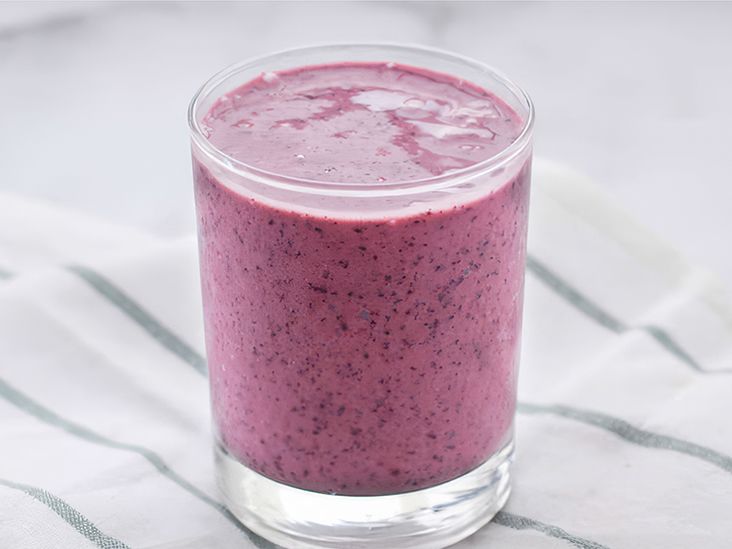
A Blueberry Citrus Immunity Smoothie is the kind of breakfast that makes your blender feel like it finally got promoted. It is bright, creamy, naturally sweet, packed with colorful fruit, and cheerful enough to make a Monday morning slightly less dramatic. More importantly, it brings together whole-food ingredients that support everyday wellness: blueberries for antioxidants and fiber, citrus for vitamin C, yogurt for protein and creaminess, and optional seeds or greens for extra staying power.
Let’s be clear from the start: no smoothie can build an invisible force field around your body or replace sleep, hydration, movement, and a balanced diet. If a drink claims to “cure everything,” it probably also sells glittery detox tea. But a thoughtfully made immunity smoothie can absolutely help you add more nutrient-dense foods to your day in a simple, delicious way. This recipe focuses on real ingredients, no added sugar, balanced texture, and a flavor that tastes like blueberry pie went on a sunny citrus vacation.
Why Blueberry and Citrus Work So Well Together
Blueberries and citrus are a natural match because they balance each other beautifully. Blueberries bring deep berry sweetness, a velvety purple color, and subtle tartness. Citrus adds brightness, fragrance, and that fresh “wake up, taste buds!” energy. Together, they create a smoothie that feels light but satisfying.
From a nutrition perspective, this pairing also makes sense. Blueberries contain fiber and plant compounds called anthocyanins, the pigments responsible for their rich blue-purple color. Citrus fruits such as oranges, lemons, limes, and grapefruit are widely known for vitamin C, but they also offer hydration, potassium, flavonoids, and refreshing acidity. When blended with a protein-rich base such as plain Greek yogurt or kefir, the smoothie becomes more balanced than a fruit-only drink.
The real magic is not one “superfood” doing all the work. It is the combination. Your body likes variety. A smoothie with fruit, protein, liquid, and optional healthy fats gives you a broader mix of nutrients than a glass of juice alone. Plus, because this recipe uses whole fruit instead of relying heavily on juice, it keeps more fiber in the glass.
Blueberry Citrus Immunity Smoothie Recipe
Ingredients
- 1 cup frozen blueberries
- 1 medium orange, peeled and segmented
- 1/2 cup plain Greek yogurt or plain kefir
- 1/2 cup unsweetened almond milk, dairy milk, soy milk, or water
- 1 tablespoon fresh lemon juice
- 1 teaspoon orange zest, optional but highly recommended
- 1 teaspoon grated fresh ginger, optional
- 1 tablespoon chia seeds or ground flaxseed
- 1 small handful baby spinach, optional
- Ice, only if using fresh blueberries instead of frozen
Instructions
- Wash all fresh produce under running water. Peel the orange and remove any large seeds.
- Add the liquid to the blender first. This helps the blades move smoothly and prevents the dreaded blender cough.
- Add the yogurt or kefir, blueberries, orange segments, lemon juice, zest, ginger, seeds, and spinach if using.
- Blend on high for 30 to 60 seconds, or until creamy and smooth.
- Taste and adjust. Add more lemon juice for brightness, more liquid for a thinner texture, or a few extra blueberries for a thicker smoothie.
- Pour into a chilled glass and enjoy immediately.
What Makes This an “Immunity” Smoothie?
The word “immunity” gets tossed around like confetti in the wellness world, so it helps to define it honestly. An immunity smoothie should not promise miracles. Instead, it should provide nutrients that help your immune system do its normal job. This recipe includes several of those supportive nutrients.
Vitamin C from Citrus
Citrus is the headline ingredient for vitamin C. Your body needs vitamin C for collagen formation, wound healing, antioxidant protection, and normal immune function. Since the body does not store large amounts of vitamin C, getting it regularly through foods like oranges, lemons, grapefruit, strawberries, bell peppers, and leafy greens is a smart daily habit.
Antioxidants from Blueberries
Blueberries are small but mighty, like tiny nutrition interns who came prepared with spreadsheets. Their deep color comes from anthocyanins, which are plant compounds studied for antioxidant and anti-inflammatory properties. Antioxidants help protect cells from oxidative stress, which is part of normal metabolism and can increase with pollution, poor sleep, stress, and certain lifestyle factors.
Protein from Greek Yogurt or Kefir
A fruit-only smoothie can taste great, but it may leave you hungry quickly. Adding plain Greek yogurt or kefir gives the drink creaminess and protein. Protein helps with satiety and supports tissue repair. Kefir and certain yogurts may also contain live cultures, depending on the product, which can contribute to gut-friendly eating patterns.
Fiber from Whole Fruit and Seeds
Smoothies made with whole fruit keep more fiber than juice. Fiber supports digestion, helps you feel full, and slows the pace at which natural fruit sugars enter the bloodstream. Chia seeds and ground flaxseed add even more fiber, along with texture and healthy fats. If your smoothie has ever disappeared from your stomach in 20 minutes, fiber and protein are the missing roommates.
Flavor Tips for the Best Blueberry Citrus Smoothie
The secret to a great blueberry citrus smoothie is balance. Blueberries are sweet and slightly earthy. Citrus can be sweet, tart, or bitter depending on the fruit. Yogurt is tangy. Ginger is spicy. When everything is balanced, the smoothie tastes fresh and layered instead of flat.
Use Frozen Blueberries for Better Texture
Frozen blueberries make the smoothie thick, cold, and creamy without watering it down. They are also convenient because they are picked and frozen at peak ripeness. Fresh blueberries work too, but you may want to add ice or a frozen banana if you prefer a frostier drink.
Add Citrus Zest for a Bakery-Level Upgrade
Orange zest is optional, but it gives the smoothie a fragrant citrus aroma that juice alone cannot deliver. Just avoid the bitter white pith underneath the peel. A little zest makes the smoothie taste more expensive, which is impressive because the blender is still wearing yesterday’s dishwasher spots.
Choose Plain Yogurt
Flavored yogurts can contain added sugars. Plain Greek yogurt keeps the recipe more flexible and lets the fruit do the sweetening. If you want a sweeter smoothie, use a very ripe orange, add half a banana, or blend in one soft pitted date. That keeps the sweetness coming from whole-food ingredients rather than turning breakfast into dessert wearing gym clothes.
Easy Variations
Green Blueberry Citrus Smoothie
Add one handful of baby spinach. Spinach has a mild flavor and usually disappears behind the berries and citrus. The color may turn from bright purple to “mysterious health potion,” but the taste stays fruity.
High-Protein Smoothie
Use 3/4 cup plain Greek yogurt and reduce the liquid slightly. You can also add a scoop of unsweetened or lightly sweetened protein powder if it fits your nutrition goals. Read labels carefully, especially if you are avoiding added sugars, sugar alcohols, dairy, soy, or artificial flavors.
Dairy-Free Version
Use plain unsweetened coconut yogurt, almond yogurt, or soy yogurt. For more protein, choose unsweetened soy milk as the liquid base or add hemp seeds. Dairy-free smoothies can be just as creamy, but some plant-based yogurts are lower in protein, so check the label.
Ginger-Lemon Wake-Up Smoothie
Increase the lemon juice to 2 tablespoons and add 1 to 2 teaspoons grated fresh ginger. This version is zippy, refreshing, and excellent when your taste buds are still wearing pajamas.
Common Mistakes to Avoid
Using Too Much Juice
A splash of 100% orange juice can add flavor, but using juice as the main liquid can increase sugar quickly and reduce fiber compared with whole fruit. This recipe uses a peeled orange instead, giving you juice, pulp, and fiber in one neat little citrus package.
Forgetting Protein
Without protein, a smoothie may not keep you satisfied. Greek yogurt, kefir, soy milk, protein powder, nut butter, or seeds can help create a more balanced drink.
Adding Sweeteners Before Tasting
Fruit sweetness varies. Taste the smoothie first. A ripe orange and frozen blueberries may be sweet enough. If it needs help, add half a banana or one date rather than automatically reaching for honey or syrup.
Skipping Food Safety
Smoothies often include raw produce, so clean handling matters. Wash fresh fruits and vegetables under running water, start with clean hands, and use clean cutting boards and utensils. Do not wash produce with soap or detergent. Your smoothie should taste like citrus and berries, not dish day.
When to Drink a Blueberry Citrus Immunity Smoothie
This smoothie works well as a quick breakfast, post-workout snack, afternoon pick-me-up, or light addition to brunch. For breakfast, pair it with whole-grain toast, eggs, oatmeal, or a handful of nuts if you need more calories and staying power. As a snack, keep the portion smaller and drink it slowly.
It is especially helpful on busy mornings because the ingredients are easy to keep on hand. Frozen blueberries live happily in the freezer. Oranges last longer than many delicate fruits. Yogurt or kefir can sit in the fridge ready for action. In other words, this smoothie is the opposite of a complicated breakfast that asks you to chop twelve things before coffee.
Make-Ahead Tips
For faster mornings, prepare smoothie packs. Add blueberries, orange segments, zest, ginger, spinach, and seeds to freezer-safe bags or containers. In the morning, dump one pack into the blender with yogurt and liquid. Blend and go.
You can also blend the smoothie and refrigerate it for up to 24 hours, though the texture is best fresh. If it separates, shake or re-blend. If it thickens too much, add a splash of milk or water. Smoothies are forgiving; they understand life happens.
Experience Notes: What This Smoothie Feels Like in Real Life
The first thing you notice about a Blueberry Citrus Immunity Smoothie is the color. It lands somewhere between royal purple and “I definitely made a healthy choice today.” That matters more than people admit. Food is not just fuel; it is mood, routine, texture, smell, and the tiny psychological victory of making something good for yourself before the day starts demanding passwords, emails, and matching socks.
In real-life kitchen testing, frozen blueberries make the biggest difference. Fresh blueberries are lovely, but frozen ones create a thicker smoothie with a milkshake-like chill. The orange brightens everything. Without citrus, blueberry smoothies can taste a little heavy or muted. With orange and lemon, the flavor wakes up. It becomes less “purple yogurt drink” and more “sunrise in a glass, but make it berry.”
Ginger is the optional ingredient that divides the room. Some people love the gentle heat because it makes the smoothie feel refreshing and grown-up. Others prefer the softer fruit-forward version. A good starting point is 1/2 teaspoon grated ginger. If you like it, increase it next time. If you accidentally add too much, do not panic. Add more yogurt and blueberries, then pretend you meant to create a bold wellness elixir.
The spinach variation is surprisingly practical. Baby spinach blends smoothly and does not fight the citrus. It is a smart option for people who want more greens but are not emotionally prepared to chew salad at 7:15 a.m. The smoothie may look darker, but the flavor stays bright. Kale also works, though it needs a stronger blender and a little more blending time to avoid a fibrous texture.
This smoothie is also a useful family recipe because it is easy to customize. For kids, use a sweeter orange and skip the ginger. For adults who want a more filling breakfast, add chia seeds, flaxseed, oats, or extra Greek yogurt. For someone who dislikes tangy yogurt, use kefir or a milder dairy-free yogurt. For a dessert-style version, add half a frozen banana and a dash of vanilla extract.
The best experience comes from drinking it slowly, not chugging it like a nutrition emergency. Pour it into a real glass if you have time. Add a few blueberries on top. Use a straw if the smoothie is thick. Small rituals make healthy habits easier to repeat. A smoothie that tastes good, looks good, and takes five minutes has a much better chance of becoming part of your routine than one that tastes like blended lawn clippings with optimism.
Final Thoughts
A Blueberry Citrus Immunity Smoothie is simple, colorful, and genuinely useful when you want more fruit, fiber, vitamin C, protein, and refreshing flavor in one glass. It will not replace a balanced lifestyle, but it can support one. The combination of blueberries, citrus, yogurt, and seeds makes this smoothie more than a pretty purple drink. It is a flexible recipe you can turn into breakfast, a snack, or a make-ahead freezer pack for busy mornings.
Keep it balanced, avoid unnecessary added sugar, use whole fruit when possible, and adjust the flavor until it feels like your smoothie. That is the real secret: the best healthy recipe is the one you actually enjoy enough to make again.