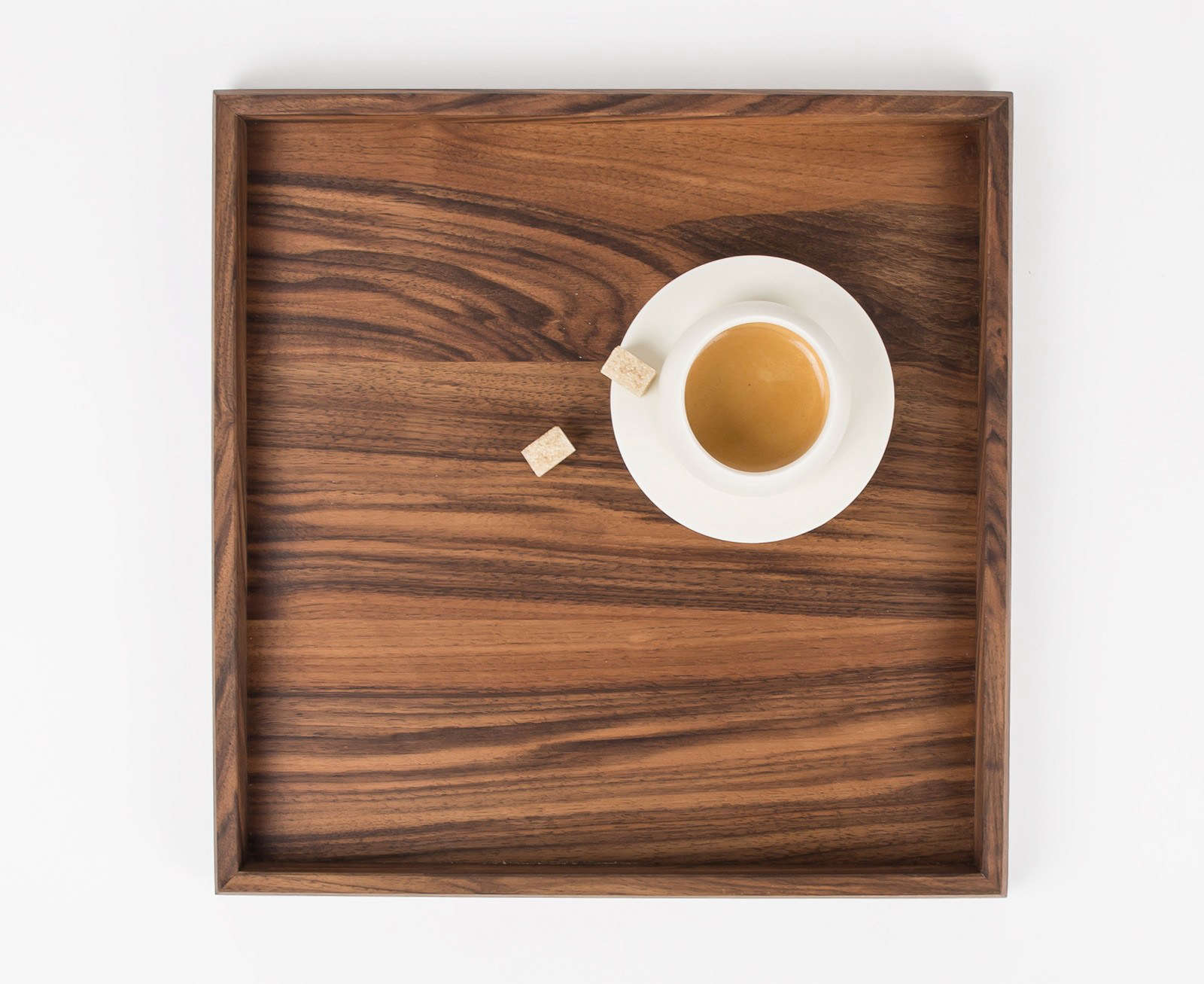
A beveled walnut tray is the kind of home accessory that quietly does more than it has any right to do. It carries coffee, corrals keys, turns cheese into a personality trait, and makes a plain countertop look like someone in the house owns linen napkins on purpose. At first glance, it is simply a wooden tray with angled edges. Look closer, though, and it becomes a small lesson in craftsmanship, natural materials, interior styling, and everyday practicality.
Walnut has long been prized in American furniture and kitchenware because of its deep brown color, graceful grain, and durable hardwood structure. Add a beveled edge, and the tray gains a refined architectural detail that feels both modern and timeless. It is not flashy. It does not shout from the coffee table. It simply sits there looking expensive, even when it is holding TV remotes, lip balm, and one mysterious button nobody in the family can identify.
This guide explores what makes a beveled walnut tray special, how to use it, what to look for when buying one, how to care for it, and why this humble piece of wood may become one of the most useful decorative objects in your home.
What Is a Beveled Walnut Tray?
A beveled walnut tray is a serving or decorative tray made from walnut wood and shaped with slanted or angled edges. The bevel may appear along the outer rim, the inner basin, the underside, or all three. Unlike a sharp square edge, a bevel softens the profile of the tray and gives it a sculpted, finished appearance.
The result is a tray that feels more intentional than a basic flat board. The angled sides create visual depth, make the tray easier to lift, and help keep small items from sliding off. Depending on the design, a beveled walnut tray can look sleek and minimalist, rustic and handmade, or mid-century modern enough to make your coffee table feel like it should be photographed next to a leather lounge chair.
Why Walnut Wood Works So Well for Trays
Walnut is one of the most beloved hardwoods in American design. It is strong without feeling bulky, elegant without being fussy, and dark enough to add warmth to a room without overwhelming it. The color can range from chocolate brown to purplish brown, often with lighter streaks, swirling lines, or dramatic grain movement.
For trays, walnut offers several advantages. It has a naturally rich appearance, so it does not need heavy staining to look beautiful. It is also sturdy enough for daily use, whether the tray is carrying breakfast, organizing perfume bottles, or serving as a landing pad for sunglasses and spare change. Walnut is not as pale as maple or as reddish as cherry, which makes it especially versatile in modern interiors.
Another reason walnut is popular is its ability to age gracefully. Over time, a well-used walnut tray develops subtle character. Tiny marks, soft sheen, and a deeper patina can make it feel personal rather than worn out. In other words, walnut does not panic when real life happens. It simply becomes more interesting.
The Design Appeal of Beveled Edges
The bevel is more than decoration. In woodworking and product design, angled edges are often used to reduce sharpness, improve comfort, and create a more polished silhouette. On a tray, this matters because trays are handled frequently. A softened edge feels better in the hand and looks more finished on a table or countertop.
A beveled edge also plays with light. Flat edges can look blocky, but angled edges catch highlights and shadows. That small shift gives the tray dimension, almost like a picture frame for whatever sits inside it. A candle looks more curated. A cocktail looks more deliberate. Even a stack of unpaid bills looks slightly less accusatory.
Beveled Edge vs. Rounded Edge
A rounded edge is curved and soft, while a beveled edge is cut at an angle. Rounded edges feel casual and smooth; beveled edges feel crisp and architectural. Neither is better in every situation, but a bevel often gives walnut trays a cleaner, more contemporary look.
Beveled Edge vs. Raised Rim
Some trays have tall raised sides, while others use a shallow beveled lip. A high rim is useful for carrying drinks or dishes. A low bevel is better for display, styling, and easy access. Many of the most attractive walnut trays balance both: enough edge to keep items contained, but not so much wall that the tray starts looking like a tiny wooden bathtub.
Best Uses for a Beveled Walnut Tray
The beauty of a beveled walnut tray is that it can move from room to room without seeming out of place. It belongs in the kitchen, but it also works in the living room, bedroom, bathroom, office, and entryway.
Serving Coffee, Tea, and Snacks
A walnut serving tray instantly upgrades a casual coffee break. Use it for mugs, a small bowl of sugar, napkins, and a few pastries. The dark wood makes white ceramic cups look brighter and glassware look sharper. It is especially useful when entertaining because it turns scattered items into a neat presentation.
Building a Charcuterie or Dessert Display
Depending on the finish and food-safety details, some walnut trays can be used for dry foods such as crackers, nuts, fruit, bread, or wrapped desserts. If the tray is finished with a food-safe oil or wax and is designed for direct food contact, it can make a beautiful base for a small charcuterie spread. For wet, oily, or acidic foods, a piece of parchment paper is a smart barrier.
Styling a Coffee Table
On a coffee table, a beveled walnut tray brings order to decorative chaos. Place a candle, a small vase, a book, and a ceramic dish inside it. Suddenly, the arrangement looks curated instead of accidental. This is the magic of trays: they make objects look like they are having a meeting.
Organizing an Entryway
Keys, wallets, sunglasses, earbuds, and mail have a way of colonizing every flat surface near the front door. A walnut catchall tray gives these items a defined home. The bevel keeps small things visually contained, and the wood adds warmth to what is often a purely functional area.
Creating a Bathroom or Vanity Station
In a bathroom, a walnut tray can hold hand soap, lotion, rolled towels, perfume, or skincare products. Because bathrooms are humid, choose a tray with a protective finish and avoid leaving standing water on the surface. Walnut is lovely, but it does not dream of becoming a sponge.
Using It on a Desk
A small beveled walnut tray can organize pens, sticky notes, paper clips, a watch, or a phone. It adds a natural element to a workspace filled with screens and cables. The result feels calmer and more intentional, which may or may not make emails less annoying. No tray can perform miracles, but it can try.
How to Choose the Right Beveled Walnut Tray
Not all walnut trays are created equal. Some are handcrafted from solid walnut, while others use walnut veneer, walnut stain, or mixed materials. The right choice depends on how you plan to use the tray.
Solid Walnut vs. Walnut Veneer
A solid walnut tray is made from real walnut wood throughout. It is usually heavier, more durable, and more expensive. Solid walnut can often be sanded and refinished if it becomes scratched. Walnut veneer, on the other hand, is a thin layer of walnut applied over another material. Veneer can look beautiful and may be more affordable, but it is less forgiving if damaged.
Size and Proportion
For coffee tables, a medium rectangular tray often works best. For ottomans, a larger tray provides a stable surface for drinks and decor. For entryways, bathrooms, or nightstands, a smaller tray is usually more practical. Before buying, measure the surface where the tray will live. A tray that is too large can overwhelm the space; a tray that is too small may look like it wandered in from a dollhouse.
Handles or No Handles?
Handles make sense if the tray will be used for serving. Cutout handles or side grips are practical for carrying drinks, breakfast, or snacks. A handle-free design, however, often looks cleaner for decorative use. Many beveled trays are designed to be lifted by the angled underside, which keeps the silhouette minimal.
Finish Matters
The finish determines how the tray looks, feels, and performs. Common finishes include food-safe mineral oil, beeswax, tung oil, hardwax oil, lacquer, or polyurethane. Oil and wax finishes tend to feel natural and can often be refreshed at home. Film finishes like lacquer may offer more spill resistance but can be harder to repair if scratched.
If you want to use the tray with food, confirm that the finish is safe for food contact once cured. If the tray is mainly decorative, you have more flexibility. Either way, avoid placing hot pans, wet towels, or leaky flowerpots directly on walnut unless you enjoy dramatic water rings as abstract art.
How to Care for a Walnut Wood Tray
Walnut is durable, but wood still needs a little respect. Caring for a beveled walnut tray is simple, as long as you remember one golden rule: do not put it in the dishwasher. The combination of heat, detergent, and prolonged moisture can warp wood, crack finishes, and generally make your tray question your friendship.
Daily Cleaning
Wipe the tray with a soft, damp cloth after use. For sticky spots, use mild dish soap and a small amount of water. Dry it immediately with a clean towel. Never soak the tray in water, and do not leave it sitting in a puddle on the counter.
Oiling and Conditioning
If the tray has an oil or wax finish, refresh it occasionally with food-grade mineral oil, board cream, or the care product recommended by the maker. Apply a thin layer, let it absorb, then buff away the excess. This helps prevent dryness, dullness, and cracking.
Dealing With Scratches
Light scratches can become part of the tray’s charm. For deeper marks on solid walnut, gentle sanding and re-oiling may restore the surface. Veneered trays require more caution because sanding can go through the thin walnut layer. When in doubt, treat the tray gently or consult a woodworker.
Decorating Ideas for Every Room
A beveled walnut tray is a flexible styling piece because it adds contrast and warmth. In a white kitchen, it prevents the space from feeling sterile. In a dark room, it layers beautifully with leather, brass, linen, stone, and ceramic. In a colorful room, it acts like a visual pause button.
Modern Minimalist Look
Place one sculptural vase, one candle, and one small book on the tray. Keep the arrangement simple. The dark walnut and beveled profile will do most of the work.
Warm Farmhouse Look
Pair the tray with stoneware mugs, a small plant, woven coasters, and a linen napkin. Walnut keeps farmhouse style from becoming too pale or predictable.
Luxury Hotel Look
Use the tray in a bathroom or bedroom with amber glass bottles, folded hand towels, and a small ceramic dish. It creates that “boutique hotel” feeling without requiring you to charge yourself a resort fee.
Why a Beveled Walnut Tray Makes a Great Gift
A beveled walnut tray is a thoughtful gift because it feels personal but not overly specific. It works for housewarmings, weddings, birthdays, holidays, client gifts, and host gifts. Unlike highly decorative objects, a wooden tray can adapt to many tastes and homes.
For a more memorable gift, pair it with coffee beans, tea, candles, cocktail glasses, handmade soap, or a small plant. The tray becomes part of the presentation and remains useful long after the other items are gone. It is the gift equivalent of saying, “I am practical, stylish, and I did not buy this at the gas station on the way here.”
Common Mistakes to Avoid
The most common mistake is treating a walnut tray like plastic. Wood expands and contracts with moisture, so avoid soaking, dishwashing, or storing it near intense heat. Another mistake is using a decorative tray for messy food without checking whether the finish is food-safe. Beautiful does not automatically mean sandwich-approved.
Also, avoid overloading the tray. Walnut is strong, but tray construction matters. Thin trays, glued joints, or delicate handles may not be designed for heavy pitchers or stacks of dishes. Use common sense: if carrying the tray makes you hold your breath and walk like you are transporting a sleeping dragon, lighten the load.
Experience Section: Living With a Beveled Walnut Tray
The first thing you notice when using a beveled walnut tray is how quickly it earns its place. Many decorative items look good for a week and then quietly become clutter. A walnut tray is different because it gives clutter a boundary. Put it on a kitchen island, and suddenly the olive oil bottle, salt cellar, pepper grinder, and little bowl of garlic look like a chef arranged them. Put it on a nightstand, and your watch, book, glasses, and lip balm stop behaving like tiny escape artists.
One of the best experiences with a beveled walnut tray is using it for slow weekend mornings. A mug of coffee, a toasted bagel, a small dish of butter, and a folded napkin feel oddly luxurious when placed on dark walnut. The bevel makes the tray easier to pick up, while the wood adds a quiet warmth that ceramic or metal trays do not always provide. It is not just breakfast; it is breakfast with better lighting.
Another practical experience comes when guests visit. Instead of making several trips to the kitchen, you can load the tray with drinks, snacks, and napkins. A beveled walnut tray makes even basic crackers and cheese look intentional. This is helpful when you have not planned an elaborate menu and are relying on the ancient hosting strategy of “put it on something pretty.” The tray does not judge. It simply helps.
In everyday life, the tray becomes a small organization system. In the entryway, it prevents keys from disappearing into the universe. On a desk, it keeps pens, earbuds, and sticky notes from spreading across the surface like office confetti. In the bathroom, it gathers grooming items into one clean zone, making the counter easier to wipe down. That is the quiet genius of a tray: it does not demand new habits; it makes existing habits look neater.
The beveled detail also makes a difference when cleaning. Because the edges are slanted rather than boxy, dust and crumbs are easier to wipe away from many designs. The shape feels comfortable in the hand, especially when the underside is also slightly angled. Small design decisions like this are easy to overlook until you use the tray daily. Then you understand why craftsmanship matters. A well-made tray does not just sit there looking handsome; it behaves well.
Over time, a walnut tray can become more personal. The surface may gain a softer sheen where hands lift it most often. The grain may appear richer after conditioning. A tiny scratch may remind you of a dinner party, a birthday breakfast, or the day someone enthusiastically dropped a spoon. Unlike trendy plastic organizers or flimsy decor pieces, walnut has staying power. It looks good in different seasons, with different styles, and through different versions of your home.
The best experience, though, is how a beveled walnut tray makes ordinary things feel considered. A candle becomes a centerpiece. A coffee setup becomes a ritual. A pile of remotes becomes less offensive to the eye. The tray does not transform your home into a magazine spread overnight, but it does create one polished little moment at a time. For most homes, that is exactly enough.
Conclusion
A beveled walnut tray is a small object with big design value. It combines the natural beauty of walnut wood with the refined geometry of angled edges, creating a piece that is useful, durable, and quietly elegant. Whether used for serving, organizing, decorating, or gifting, it brings warmth and structure to everyday spaces.
The best beveled walnut tray is the one that fits your life. Choose solid walnut for longevity, a food-safe finish for serving, the right size for your surface, and a shape that feels comfortable in your hands. Care for it with gentle cleaning and occasional conditioning, and it can remain beautiful for years. In a world full of disposable home goods, a well-made walnut tray feels refreshingly permanent.
Note: This article was written from synthesized, real-world information on walnut wood, beveled edge design, serving tray construction, food-safe finishes, and wood care practices. Source links are intentionally omitted from the publishable copy as requested.