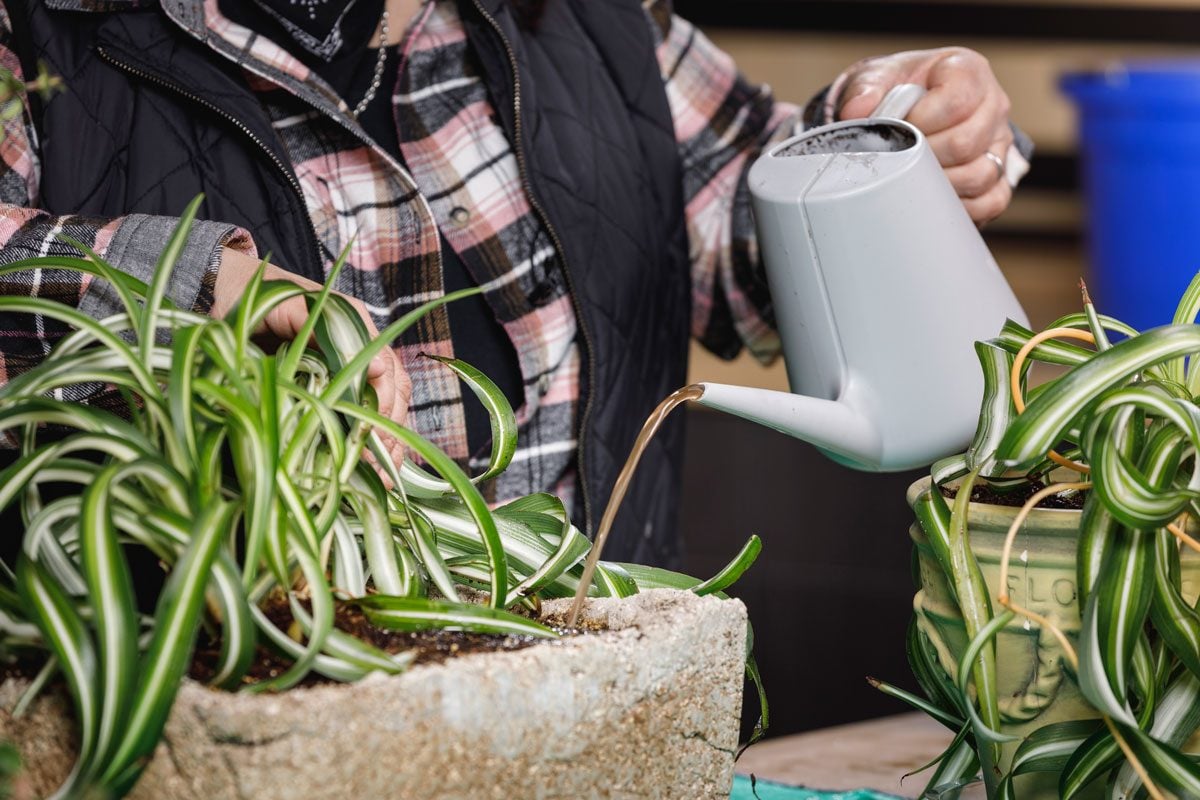
Compost tea sounds like something a very earthy barista would serve in a mason jar, but do not worry: your tomatoes are the intended customers. In gardening, compost tea is a liquid extract made by steeping finished compost in water. The goal is simple: move some of the soluble nutrients, organic compounds, and helpful microorganisms from high-quality compost into a form that is easy to pour around plant roots.
Used wisely, compost tea can support healthier plants by improving the living environment around the root zone. It is not magic, it is not a guaranteed disease cure, and it should not replace good soil, sunlight, watering, and actual compost. Think of it as a gentle garden tonic, not a superhero cape for a struggling squash vine.
This guide explains how to make compost tea at home, how to use it safely, what mistakes to avoid, and how to get the most benefit without turning your garden into a science experiment with suspicious bubbles.
What Is Compost Tea?
Compost tea is water that has been used to extract beneficial compounds from mature compost or vermicompost. Gardeners usually make it by placing finished compost in a mesh bag, soaking it in clean water, and either stirring it occasionally or bubbling air through the mixture with an aquarium pump.
There are two common types:
1. Non-Aerated Compost Tea
This is the simple version. Compost steeps in water for several hours or up to about a day, and the gardener stirs it now and then. It is easy, cheap, and useful for watering around ornamentals, vegetables, herbs, shrubs, and container plants.
2. Aerated Compost Tea
Aerated compost tea uses an air pump and air stone to add oxygen while the compost steeps. The extra oxygen encourages aerobic microbial activity. Many gardeners like this method because it keeps the brew fresher and reduces the chance of unpleasant anaerobic smells. Translation: your garden should smell like soil, not like a swamp that made bad life choices.
Why Compost Tea Can Help Plants
The biggest benefit of compost tea is not that it dumps a huge amount of fertilizer into the soil. In fact, compost tea is usually mild. Its real value is that it can support the soil food web, especially when it is made from excellent compost and applied to living soil.
Healthy soil is full of bacteria, fungi, protozoa, nematodes, and other tiny workers that help break down organic matter and make nutrients more available to plants. Compost tea may help introduce some of these organisms and soluble compounds near the roots, where plants can benefit most.
Potential Benefits of Compost Tea
When made and used properly, compost tea may help:
- Support root-zone microbial life
- Provide a mild nutrient boost
- Improve soil biological activity over time
- Help new transplants settle in
- Moisten soil around stressed plants without using strong fertilizer
- Encourage better garden care routines because, frankly, making plant tea makes you pay attention
However, compost tea works best as part of a complete plant care plan. If your plant is sitting in compacted clay, drowning in water, starving for sunlight, or being chewed by insects with the enthusiasm of a buffet line, compost tea alone will not solve the whole problem.
Before You Brew: Use the Right Compost
The quality of compost tea depends almost entirely on the quality of the compost. Bad compost makes bad tea. Good compost makes good tea. This is not mysterious; it is just gardening being honest.
Use compost that is:
- Fully finished and mature
- Dark, crumbly, and earthy-smelling
- Made mostly from plant-based materials
- Free from visible food scraps, pet waste, raw manure, and diseased plant material
- Not sour, slimy, hot, moldy in a strange way, or ammonia-smelling
Worm castings are also a popular choice because they are fine-textured and biologically active. If you use bagged compost, choose a reputable product that smells clean and looks fully broken down.
Avoid These Ingredients
Do not use raw manure, pet waste, meat scraps, dairy waste, diseased plants, or unfinished compost in compost tea. These materials may introduce harmful organisms or unstable compounds. The point is to support plant health, not brew a bucket of chaos with a handle.
Tools and Ingredients You Need
You do not need a fancy brewer to make compost tea. A simple home setup is enough for most gardeners.
Basic Supplies
- One clean 5-gallon bucket
- 2 to 4 cups of finished compost or worm castings
- A mesh bag, old clean pillowcase, paint strainer bag, or cheesecloth
- 4 to 5 gallons of water
- A stirring stick
- Optional: aquarium pump, air tubing, and air stone for aerated compost tea
About the Water
Use clean water. If your tap water is chlorinated, let it sit uncovered for 12 to 24 hours before brewing. This can help reduce chlorine levels. Rainwater can work, but only if it is collected and stored cleanly. Do not use dirty pond water, graywater, or anything that smells questionable. Your plants deserve better than mystery soup.
How To Make Compost Tea: Simple Soil-Drench Method
This is the easiest method and a smart choice for beginners. It is gentle, practical, and does not require equipment beyond a bucket and a bag.
Step 1: Clean the Bucket
Wash the bucket with hot water and mild soap, then rinse it well. Clean tools reduce the chance of unwanted bacteria taking over your brew.
Step 2: Fill the Bucket With Water
Add 4 to 5 gallons of clean water. If using chlorinated tap water, allow it to sit uncovered overnight before adding compost.
Step 3: Add Finished Compost
Place 2 to 4 cups of mature compost or worm castings into a mesh bag. Tie the bag loosely so water can move through it. Drop it into the bucket like a giant tea bag, except this one is for basil, beans, and begonias.
Step 4: Steep and Stir
Let the compost steep for 12 to 24 hours. Stir several times during the process. The liquid should gradually turn light brown to dark brown and smell earthy.
Step 5: Strain and Use Fresh
Remove the compost bag and let it drain back into the bucket. Use the compost tea the same day. Apply it to the soil around plants, not directly onto edible leaves, fruits, or vegetables.
How To Make Aerated Compost Tea
Aerated compost tea takes the basic method and adds oxygen. This is especially useful if you want a fresher brew and a more active extraction process.
Step 1: Set Up the Air Pump
Attach air tubing to an aquarium pump and connect the tubing to an air stone. Place the air stone at the bottom of the bucket.
Step 2: Add Water and Compost
Fill the bucket with 4 to 5 gallons of clean water. Place 2 to 4 cups of finished compost or worm castings inside a mesh bag and submerge it.
Step 3: Bubble for 12 to 24 Hours
Turn on the pump and let the tea bubble. The surface should move gently. You do not need a rolling boil effect. This is compost tea, not a hot tub for microbes.
Step 4: Check the Smell
Good compost tea should smell earthy, fresh, and soil-like. If it smells rotten, sour, sulfur-like, or sharply unpleasant, do not use it on edible crops. When in doubt, dump it into a non-food compost pile and start over with cleaner materials.
Step 5: Apply Immediately
Use aerated compost tea soon after brewing. The longer it sits, the more oxygen levels decline and the more the microbial balance changes. Fresh is best.
Should You Add Molasses or Sugar?
Many compost tea recipes call for molasses, sugar, kelp, fish hydrolysate, or other microbial foods. These ingredients can feed microorganisms, but they can also encourage rapid growth of organisms you do not want, especially when food crops are involved.
For home vegetable gardens, the safest beginner recipe is compost plus clean water. Skip sugar-based additives unless you understand the risks, use excellent compost, keep equipment clean, and apply the tea only to soil. Simple is not boring here. Simple is the gardener wearing sensible shoes and somehow still winning.
How To Use Compost Tea in the Garden
Compost tea is best used as a soil drench. Pour it around the base of plants where roots can benefit from the moisture and mild biological boost.
For Vegetables
Apply compost tea to the soil around tomatoes, peppers, beans, cucumbers, squash, lettuce, kale, and herbs. Avoid splashing it on edible leaves or fruit, especially close to harvest. For leafy greens and root crops, soil application is the safer choice.
For Flowers
Annuals and perennials can receive compost tea every 2 to 4 weeks during active growth. It is especially helpful after transplanting or during mild stress from heat, wind, or dry weather.
For Containers
Container plants can benefit from compost tea because potting mixes dry out and lose nutrients faster than garden beds. Use a diluted application and watch drainage carefully. Containers do not enjoy sitting in muddy sadness.
For Shrubs and Young Trees
Pour compost tea over the root zone, not against the trunk. Keep the soil evenly moist and combine the tea with mulch and compost for longer-term soil improvement.
How Often Should You Apply Compost Tea?
For most gardens, applying compost tea every 2 to 4 weeks during the growing season is enough. Heavy use is not necessary. More is not always better, especially if your soil already contains plenty of organic matter.
Use compost tea after watering or when soil is slightly moist. Very dry soil can repel water at first, causing the tea to run off instead of soaking in. A light watering before application helps the tea move into the root zone.
Compost Tea vs. Compost: Which Is Better?
Compost is the foundation. Compost tea is the supplement.
Finished compost adds organic matter, improves soil structure, supports water retention, and feeds soil life over time. Compost tea does not add much bulk organic matter, so it cannot replace compost in garden beds.
A good strategy is to add compost to the soil once or twice a year, then use compost tea occasionally during the growing season as a gentle liquid boost. In other words, compost is dinner. Compost tea is the smoothie. Useful, but nobody should live on smoothies alone.
Common Compost Tea Mistakes
Mistake 1: Using Unfinished Compost
Unfinished compost may contain unstable organic acids, excess ammonia, weed seeds, or unwanted organisms. Only use compost that is mature, cool, dark, and earthy-smelling.
Mistake 2: Letting the Tea Sit Too Long
Compost tea changes quickly after brewing. Use it the same day for best results. If it starts smelling bad, do not try to rescue it with optimism. Optimism is wonderful, but it is not a sanitizer.
Mistake 3: Spraying Edible Plant Parts
Some gardeners use compost tea as a foliar spray, but soil application is safer for home food gardens. Avoid spraying leaves, fruits, and vegetables you plan to eat.
Mistake 4: Thinking It Replaces Fertilizer
Compost tea is usually mild. If your plants have a true nutrient deficiency, you may need a soil test, compost, balanced fertilizer, pH adjustment, or better watering practices.
Mistake 5: Brewing With Dirty Equipment
Clean the bucket, pump tubing, air stone, and mesh bag after every batch. Garden tools do not need to be sterile like a hospital, but they should not look like they survived a swamp expedition.
Safety Tips for Compost Tea
Because compost tea is a living liquid, basic safety matters. This is especially true in vegetable gardens.
- Use only finished compost or worm castings.
- Avoid raw manure and pet waste completely.
- Apply compost tea to soil, not edible plant parts.
- Use fresh tea within a few hours after brewing.
- Wash hands after handling compost, soil, or garden tools.
- Clean brewing equipment after each batch.
- Do not use foul-smelling compost tea.
These steps are not complicated. They are the gardening version of washing the cutting board after raw chicken: not glamorous, but very smart.
Signs Your Compost Tea Is Good
A successful batch of compost tea usually has a few clear signs:
- It smells earthy and pleasant.
- The color is light brown to dark brown.
- There is no rotten or sulfur-like odor.
- The compost used was fully mature.
- Plants show no wilting or leaf burn after application.
If you are trying compost tea for the first time, test it on a small area before treating the whole garden. Garden confidence is great; garden experiments should still wear a seatbelt.
Simple Compost Tea Recipe
Ingredients
- 4 to 5 gallons clean water
- 2 to 4 cups finished plant-based compost or worm castings
- 1 clean mesh bag
Instructions
- Fill a clean bucket with water.
- Let chlorinated water sit uncovered overnight.
- Place compost in a mesh bag and submerge it.
- Steep for 12 to 24 hours, stirring occasionally.
- Remove the bag and apply the tea to soil around plants.
- Use immediately and discard leftovers in the compost pile.
Real-World Experience: What Compost Tea Teaches Gardeners
One of the best things about compost tea is that it encourages gardeners to observe their plants more closely. A person who walks into the garden with a bucket of homemade tea suddenly notices things: the basil is paler than last week, the tomato mulch has pulled away from the stem, the pepper plant in the corner is pretending everything is fine while clearly being dramatic.
In practical garden use, compost tea seems most helpful when plants are already growing in decent soil but need gentle support. For example, new transplants often respond well to a mild soil drench. After being moved from a nursery pot into a garden bed, plants need to rebuild root contact with the soil. Compost tea can help moisten that root zone while adding a little biological encouragement. It is not a transplant miracle, but it can be part of a smooth landing.
Container gardens are another place where compost tea feels useful. Pots dry out faster, roots are limited, and nutrients wash away with frequent watering. A diluted compost tea application every few weeks can refresh the growing medium without hitting plants with a strong fertilizer. This is especially helpful for herbs like basil, parsley, mint, and chives, which often prefer steady care over sudden blasts of nutrients.
The biggest lesson from experience is that smell matters. Good compost tea smells like a forest floor after rain. Bad compost tea smells like something that should apologize. If a batch smells rotten, it is better to discard it than risk stressing plants. Gardeners sometimes try to save a bad brew because they spent time making it, but plants are not impressed by our emotional attachment to buckets.
Another useful observation: compost tea works best when paired with mulch and real compost. A gardener who applies compost tea to bare, dry, compacted soil may see little change. But when the same tea is used in a bed that has compost, leaf mulch, proper watering, and active roots, it becomes part of a healthier system. The tea is not the star of the show; it is more like the helpful stage manager making sure the roots, microbes, moisture, and organic matter all know their cues.
It also teaches patience. You may not see an overnight transformation. Leaves will not clap. Tomatoes will not write thank-you notes. But over a season, plants grown in biologically active, well-managed soil often look steadier, greener, and more resilient. Compost tea can contribute to that rhythm when it is used fresh, safely, and realistically.
The best personal rule is simple: brew small, use fresh, apply to soil, and keep improving the bed itself. Compost tea is a useful gardening habit, but healthy plants still depend on the basics: good light, good soil, right plant, right place, steady moisture, and a gardener willing to notice problems before they become plant soap operas.
Conclusion
Learning how to make compost tea for healthier plants is a simple way to become more connected to your garden. With finished compost, clean water, a bucket, and a little patience, you can create a mild liquid soil drench that supports root health and microbial activity. The secret is not complicated: use mature compost, keep everything clean, skip risky ingredients, apply the tea fresh, and treat it as a supplement rather than a miracle cure.
Compost tea is at its best when it joins a bigger soil-care routine. Add compost, mulch your beds, water wisely, test your soil when problems persist, and choose plants suited to your garden conditions. Do that, and compost tea becomes one more helpful tool in your plant-care toolbox. Not a magic potion, perhaps, but still a pretty charming bucket of brown garden goodness.