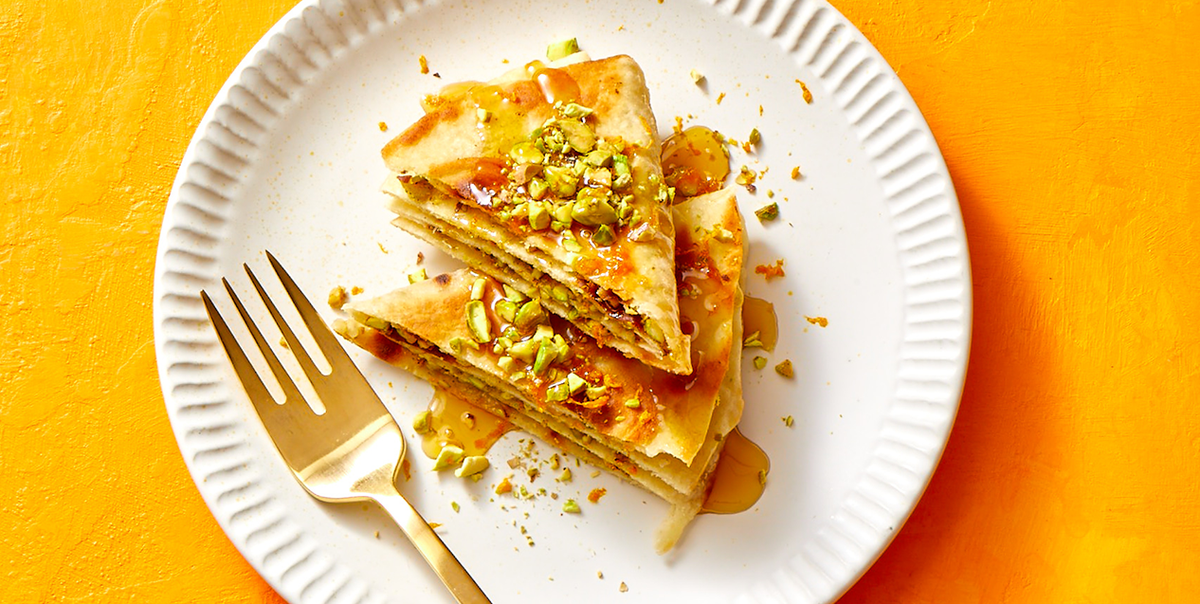
Baklava has a reputation for being the glamorous, slightly intimidating cousin of the dessert table. It arrives in crisp golden layers, sparkles with syrup, and somehow makes a paper plate look formal. The good news: you do not need to roll dough thinner than a love letter or spend an entire afternoon negotiating with pastry sheets to make it at home.
These shortcut baklava wedges use store-bought phyllo dough, a warmly spiced walnut-pistachio filling, and a bright honey-lemon syrup. The result is everything people love about baklava: buttery crunch, fragrant nuts, sticky-sweet edges, and the very real temptation to “taste test” four pieces before dinner.
This easy baklava recipe is designed for home bakers who want impressive results without turning the kitchen into a pastry laboratory. You will still get crisp layers and syrup-soaked nutty goodness, but with a simpler assembly method and a practical wedge shape that is easy to serve at parties, holidays, potlucks, or random Tuesday nights when regular cookies feel emotionally insufficient.
Why These Shortcut Baklava Wedges Work
Traditional baklava is beloved across many Middle Eastern, Mediterranean, Balkan, and Greek food traditions, with regional differences in nuts, spices, syrup, shapes, and layering techniques. This version is a streamlined home-kitchen recipe inspired by those classic flavor combinations. It is not trying to replace a cherished family recipe or claim one single “official” version of baklava. It is simply here to help you make a very good pan of crispy, nut-filled pastry without panic.
The shortcut comes from using frozen phyllo dough instead of making paper-thin pastry from scratch. Phyllo is already prepared in delicate sheets, so your main jobs are brushing, layering, sprinkling, cutting, and trying not to eat the nut filling directly from the bowl.
The wedge format also makes this recipe friendlier. Instead of cutting elaborate diamonds that make you feel like you need drafting tools, you slice the baked pan into rectangles and then cut each rectangle diagonally. Suddenly, your dessert platter looks fancy enough for a dinner party, even though your biggest achievement may have been remembering to thaw the phyllo overnight.
Shortcut Baklava Wedges Ingredients
For the Honey-Lemon Syrup
- 1 cup granulated sugar
- 3/4 cup water
- 1/4 cup honey
- 1 tablespoon fresh lemon juice
- 1 strip lemon peel, removed with a vegetable peeler
- 1 small cinnamon stick
- 1/2 teaspoon vanilla extract
For the Nut Filling
- 2 cups walnuts, roughly chopped
- 1 cup shelled pistachios, roughly chopped
- 1/3 cup granulated sugar
- 1 teaspoon ground cinnamon
- 1/4 teaspoon ground cardamom
- 1/4 teaspoon fine salt
- 1 teaspoon finely grated lemon zest
For the Phyllo Layers
- 16 sheets thawed phyllo dough
- 3/4 cup unsalted butter, melted
- 2 tablespoons neutral oil, optional but helpful for brushing
- 2 tablespoons chopped pistachios for garnish
Ingredient note: Use phyllo dough, sometimes labeled filo dough, rather than puff pastry. Puff pastry is delicious, but it is a different creature entirely. Putting puff pastry in this recipe would be like asking a golden retriever to file your taxes: talented in many ways, but not the right tool for the job.
How to Make Shortcut Baklava Wedges
1. Thaw the Phyllo the Right Way
Move the frozen phyllo dough from the freezer to the refrigerator the night before baking. Slow thawing helps keep the sheets flexible instead of brittle. When you are ready to assemble, leave the stack wrapped until everything else is prepared.
Phyllo can dry out quickly, so place the opened sheets beneath a clean kitchen towel that is only slightly damp. The towel should not be wet enough to make the dough soggy. Think “light morning mist,” not “monsoon season.”
2. Make the Syrup First
Combine the sugar, water, honey, lemon peel, and cinnamon stick in a small saucepan. Bring the mixture to a gentle boil over medium heat, stirring until the sugar dissolves. Reduce the heat and simmer for about 8 to 10 minutes, until the syrup looks slightly glossy and has thickened just a little.
Remove the pan from the heat. Stir in the lemon juice and vanilla, then remove the lemon peel and cinnamon stick. Let the syrup cool completely while you prepare the pastry. Cool syrup poured over hot baklava helps preserve those desirable crisp phyllo layers.
3. Prepare the Nut Filling
In a medium bowl, combine the walnuts, pistachios, sugar, cinnamon, cardamom, salt, and lemon zest. You want the nuts chopped into small, uneven pieces rather than processed into powder. A mix of tiny bits and slightly larger pieces gives the filling more texture and prevents it from turning into nut sand.
Walnuts bring an earthy richness, while pistachios add a buttery sweetness and a little green color that makes the wedges look like they attended pastry school. The lemon zest keeps the filling from tasting overly heavy.
4. Prepare the Pan and Butter
Heat the oven to 350°F. Lightly butter a 9-by-13-inch baking dish. Stir the melted butter and oil together in a small bowl. The oil is optional, but it helps the butter stay fluid while you work and makes brushing a little easier.
Set out a pastry brush, the phyllo stack, the butter mixture, and the nut filling. Once you begin layering, it helps to have everything nearby. This is not the moment to discover that your pastry brush has vanished into the utensil drawer with the potato masher and the mysterious collection of twist ties.
5. Build the Bottom Layers
Place one sheet of phyllo in the buttered pan and brush it lightly with the butter mixture. Add a second sheet and brush again. Continue until you have layered and buttered six sheets.
Do not worry if a sheet tears. Phyllo is delicate, but baklava is extremely forgiving. Just place the torn piece in the pan, brush it with butter, and cover it with the next sheet. Once baked, no one will identify your pastry’s emotional history.
6. Add the First Nut Layer
Scatter half of the nut mixture evenly over the phyllo base. Use your fingers or the back of a spoon to spread it gently into an even layer. Avoid pressing too hard, because you do not want to compress the delicate pastry below it.
7. Add the Middle Layers
Layer four sheets of phyllo over the nuts, brushing each sheet lightly with butter before adding the next. This middle section creates a little separation between the nut layers, giving every bite a better balance of flaky pastry and filling.
Spread the remaining nut mixture over the middle phyllo layers. Again, keep the filling even so every wedge gets a fair share of the good stuff. Baklava should be democratic, at least where pistachios are concerned.
8. Finish the Top Layers
Top the second nut layer with the remaining six phyllo sheets, brushing each one with butter. Brush the final top sheet generously. Any leftover butter can be drizzled carefully over the surface.
The top should look glossy but not flooded. Too much butter can make the layers greasy instead of crisp. You are aiming for golden, flaky confidence, not a butter pond.
9. Cut the Wedges Before Baking
Use a sharp knife to cut through all the layers before the pan goes into the oven. Cut the baklava into 12 rectangles by making three long cuts lengthwise and four cuts crosswise. Then cut each rectangle diagonally to create 24 neat baklava wedges.
Cutting before baking is one of the easiest ways to get clean portions. Once the phyllo is crisp and shattery, slicing can turn into a tiny dessert avalanche. Pre-cutting gives the syrup little channels to sink into later, too.
10. Bake Until Deeply Golden
Bake the shortcut baklava wedges for 40 to 48 minutes, until the top is deeply golden and the edges are crisp. The pastry should smell buttery and toasted, with the warm scent of cinnamon and nuts drifting through the kitchen like a highly persuasive sales pitch.
Do not pull the pan too early. Pale phyllo can look done before it is fully crisp. A rich golden-brown top is your friend here.
11. Pour on the Cooled Syrup
Remove the hot baklava from the oven and place the pan on a wire rack. Slowly pour the cooled syrup over the hot pastry, paying special attention to the cut lines and corners. You may hear a little sizzle. That sound means dessert physics is doing its job.
Let the baklava rest uncovered at room temperature for at least 4 hours, preferably overnight. The syrup needs time to soak into the layers while the top retains its crunch. Sprinkle with chopped pistachios before serving.
Tips for Crispy, Not Soggy, Baklava
Keep the Phyllo Covered
Dry phyllo cracks quickly. Keep the unused sheets under plastic wrap or a barely damp towel while you work. A few tears are harmless; sheets that dry into pastry confetti are less helpful.
Use Light Butter Strokes
You do not need to paint every inch of every phyllo sheet with a thick layer of butter. A light, even brushing is enough. The layers will stack together and bake into a crisp, buttery crust.
Choose Cool Syrup and Hot Pastry
The temperature contrast matters. Let the syrup cool before pouring it over the freshly baked baklava. This helps the pastry absorb flavor without giving up all of its crunch.
Do Not Refrigerate Right Away
Baklava is happiest at room temperature. Refrigeration can make phyllo soften faster, especially in humid kitchens. Store leftover wedges in a loosely covered container at room temperature for up to five days.
Easy Variations for Shortcut Baklava Wedges
All-Walnut Baklava
Use three cups of walnuts instead of a walnut-pistachio blend. This version is rich, earthy, and especially good with an extra pinch of cinnamon.
All-Pistachio Baklava
Use three cups of pistachios for a brighter, more luxurious variation. Pistachios are pricier, but they make the finished wedges look like tiny green jewels.
Orange-Honey Baklava
Replace the lemon peel and lemon zest with orange peel and orange zest. Add a small splash of orange blossom water to the syrup after simmering for a floral finish.
Pecan Baklava Wedges
Pecans are not traditional in every baklava style, but they work beautifully in this shortcut recipe. Their buttery flavor pairs well with honey and cinnamon, making this a fun American pantry-friendly variation.
Chocolate Drizzle Baklava
For a modern twist, drizzle cooled wedges with a little melted dark chocolate. Do not drown them. Baklava already has a dramatic personality; chocolate should be a supporting actor, not the lead singer.
What to Serve With Baklava Wedges
These easy baklava wedges are sweet and rich, so they pair best with drinks that offer contrast. Strong black coffee, espresso, Turkish-style coffee, unsweetened tea, mint tea, or lightly sweetened chai all work well. A small scoop of vanilla ice cream also turns one wedge into a full dessert situation.
For a party platter, arrange the wedges with fresh berries, orange slices, dates, and extra pistachios. They also make a thoughtful homemade gift. Pack a few pieces in a small bakery box, and people will assume you are much more organized than you actually are.
Make-Ahead and Storage Instructions
Baklava is one of those rare desserts that often tastes even better after resting. Make it a day ahead, let it sit at room temperature, and serve it the next day after the flavors have settled into their sweet, nutty groove.
Store the wedges in an airtight container at room temperature for up to five days. If you live somewhere humid, place a piece of parchment between layers and avoid sealing the container while the baklava is still warm. For longer storage, freeze cooled wedges in a tightly wrapped container for up to one month. Thaw at room temperature rather than microwaving, which can turn crisp phyllo into something closer to a damp napkin.
Experiences and Lessons From Making Shortcut Baklava Wedges
The first time many home cooks make baklava, there is usually a moment of quiet suspicion. The phyllo sheets look too thin. The butter seems too slippery. The nut filling feels too simple. Then the oven does its work, the syrup hits the hot pan, and suddenly the kitchen smells like caramelized nuts, citrus, and confidence.
One of the best things about this shortcut baklava wedges recipe is that it teaches a useful baking lesson: impressive desserts do not always require difficult ingredients. Sometimes the trick is simply understanding how a few ingredients behave together. Phyllo becomes crisp when it is layered with fat and baked long enough. Nuts become more fragrant in the oven. Syrup becomes more interesting when balanced with lemon, honey, and spice. Put those details together, and a frozen box of pastry becomes a dessert people remember.
The recipe is also a good reminder that “perfect” is not the same as “delicious.” A few torn phyllo sheets will not ruin the pan. Uneven wedge sizes will not start a dessert crisis. A stray pistachio may roll across the counter and disappear beneath the refrigerator, where it will presumably begin a new life. None of that changes the fact that you made flaky, syrupy baklava at home.
There is something especially satisfying about serving baklava wedges because each piece looks intentional. The triangular cuts feel more elegant than a random square, and they stack neatly on a plate. They are easy to pass around at a holiday gathering, bring to a neighbor, or set out after dinner with coffee. People tend to take one politely, then return later with the casual confidence of someone “just checking whether there are any left.”
Shortcut baklava is also a surprisingly good recipe for baking with family or friends. One person can chop nuts, another can make syrup, and someone else can brush the phyllo layers. There is no need for fancy decorating skills, no delicate piping bag, and no expectation that every piece will look identical. The process is repetitive in a pleasant way: layer, brush, sprinkle, repeat. It is the culinary equivalent of folding laundry while listening to a good podcast, except the final result contains honey and pistachios.
For newer bakers, this recipe builds confidence with phyllo dough. Once you realize that phyllo does not require perfection, you may start using it in other recipes too. It works for savory pies, crisp tart shells, little dessert cups, layered casseroles, and quick fruit pastries. In other words, one pan of shortcut baklava wedges can lead to a freezer stocked with phyllo dough and a sudden desire to put flaky layers on everything.
The biggest experience-related takeaway is simple: let the baklava rest. It is tempting to cut into the pan as soon as the syrup is poured, especially when the smell is filling the house. Resist. The resting time is where the texture improves, the syrup settles, and the flavors become more balanced. The first wedge may be good after an hour, but the wedges the next morning are usually better. Dessert patience is not always easy, but it is often rewarded.
Whether you make these for a celebration, a bake sale, a dinner party, or a regular day that could use a little extra crunch, these shortcut baklava wedges deliver the big payoff of homemade pastry without the unnecessary stress. They are crisp, fragrant, sweet, nutty, and just fancy enough to make you feel like you should be wearing an apron with your name embroidered on it.
Final Thoughts
The best shortcut baklava wedges are all about balance: crisp phyllo, buttery layers, textured nuts, aromatic spices, and syrup brightened with citrus. Using store-bought phyllo dough keeps the recipe manageable, while the make-ahead nature of baklava makes it ideal for entertaining.
Make one pan, let it rest, and watch how quickly those golden wedges disappear. Just remember to hide one piece for yourself before announcing that dessert is ready. This is not selfishness. This is quality control.
Note: This is a shortcut-inspired home baking recipe that uses commercially prepared phyllo dough and celebrates familiar baklava flavors. Baklava has many respected regional traditions, and this version is not presented as a single traditional formula.