Some home upgrades shout. Belgian Textured Linen Drapery in Shale does something far more dangerous: it whispers, and suddenly your room looks expensive. Not “I bought a gold-plated pineapple lamp” expensive, but “this person understands texture, light, and adult-level curtain rods” expensive.
In the world of window treatments, linen drapery has earned its permanent seat at the stylish table. It is relaxed without looking sloppy, refined without acting precious, and practical enough to soften sunlight while still letting a room breathe. Add the color Shalea calm, mineral-inspired neutral somewhere in the sophisticated gray-taupe familyand you get a drapery choice that feels grounded, modern, and quietly luxurious.
This guide takes a deep look at Belgian Textured Linen Drapery (Shale): what makes Belgian flax linen special, how the Shale shade works in real rooms, where to use it, how to hang it, how to care for it, and why this fabric has become a favorite for designers who want warmth without visual noise. Spoiler: your windows may never forgive you for ignoring them this long.
What Is Belgian Textured Linen Drapery (Shale)?
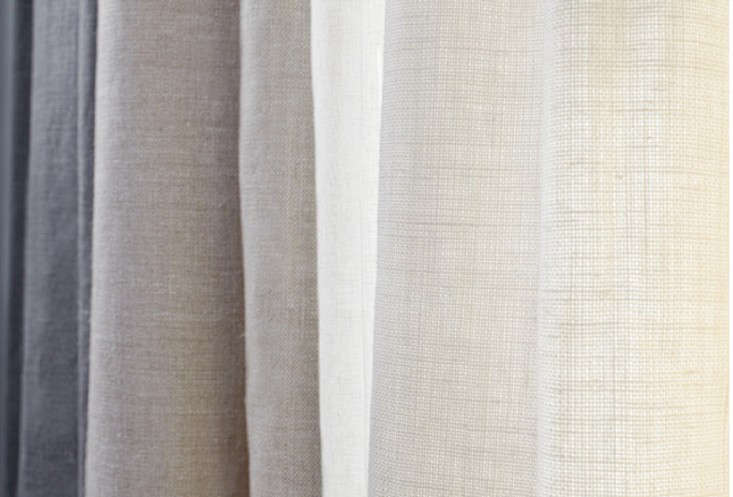
Belgian Textured Linen Drapery (Shale) refers to linen curtain panels or custom drapes made from Belgian flax linen or Belgian-style flax linen fabric, finished in a Shale colorway. The appeal comes from three elements working together: the natural character of flax fibers, the visible texture of the weave, and a neutral color that can shift beautifully depending on the light.
Unlike flat synthetic panels that can look a little too “office conference room,” textured linen has dimension. You can usually see slight slubs, woven irregularities, and soft tonal variations. These are not defects. They are the charm. Linen is the fabric equivalent of a perfectly imperfect handmade ceramic bowl: polished, but not plastic.
Why the Shale Color Matters
Shale is one of those rare neutrals that refuses to be boring. It is not plain gray, not obvious beige, and not cold charcoal. Instead, it sits in a moody middle zone that pairs well with warm woods, black metal, brushed brass, ivory walls, stone fireplaces, boucle chairs, leather sofas, and even those throw pillows you bought during your “I’m going earthy modern” phase.
In bright daylight, Shale linen drapery can look soft and airy. In evening light, it becomes richer and more cocooning. That makes it especially useful for living rooms, bedrooms, dining rooms, home offices, and open-plan spaces where the window treatment needs to support the design rather than steal the microphone.
Why Belgian Linen Drapery Feels So High-End
Belgian linen has a long reputation in the textile world because Belgium and nearby flax-growing regions have deep experience with flax cultivation, spinning, weaving, and finishing. Flax fibers are naturally strong, and when they are woven into linen, the result is a fabric with crisp texture, breathable structure, and impressive longevity when properly maintained.
That durability is one reason linen drapes are often considered an investment rather than a quick decorative fix. Good linen does not need to scream for attention. It simply hangs there looking calm, elegant, and slightly better dressed than everyone else in the room.
Texture Is the Secret Ingredient
The main keyword here is “textured,” and it deserves the spotlight. Texture gives the fabric depth. It helps break up sunlight. It makes plain walls feel intentional. It adds softness to rooms with hard surfaces like glass, stone, tile, steel, or polished concrete.
In a minimalist room, Shale linen drapery keeps the space from feeling sterile. In a traditional room, it loosens things up. In a farmhouse or coastal space, it adds an organic look without slipping into “seashell bathroom sign” territory. In a modern apartment, it makes the room feel less like a rental box and more like somewhere a person with excellent taste actually lives.
Light Filtering, Privacy, and Lining Options
One of the biggest reasons homeowners choose Belgian linen curtains is the way they handle light. Unlined linen lets daylight pass through softly, creating a warm glow. Light-filtering linen offers more privacy while keeping the room bright. Blackout-lined linen is better for bedrooms, nurseries, and media rooms where sleep and screen visibility matter more than romantic sunbeams.
For a living room, unlined or privacy-lined Shale drapes often feel best. They reduce glare, soften the edges of the room, and allow natural brightness to remain part of the design. For a bedroom, blackout lining is usually the smarter choice. It gives the same relaxed linen look from inside the room while helping block more exterior light.
Unlined vs. Lined Shale Linen Drapery
Unlined Shale linen has the most casual, breathable effect. It moves easily, looks airy, and allows more of the fabric’s natural weave to show. Privacy lining adds structure and opacity, making the panels feel more substantial. Blackout lining changes the experience entirely: the drapery becomes heavier, darker, and more functional for light control.
There is no single “best” choice. There is only the right choice for the room. A dining room may love privacy lining. A guest bedroom may need blackout lining. A sunny reading nook may look dreamy with unlined linen. Your windows are not all the same, so they do not need identical outfits.
Where Belgian Textured Linen Drapery in Shale Works Best
The Shale colorway is versatile because it behaves like a design bridge. It connects warm and cool tones, casual and formal furniture, and old and new architectural details. That makes it unusually easy to use in different rooms.
Living Room
In a living room, Shale linen drapes can frame the windows without overpowering the sofa, rug, or artwork. Pair them with ivory walls, natural oak, matte black hardware, and a textured wool rug for a calm modern look. If the room already has bold colors, Shale works as the quiet neutral that lets everything else breathe.
Bedroom
In a bedroom, Shale creates a restful mood. It feels softer than black, more interesting than basic gray, and less predictable than beige. With blackout lining, it becomes especially practical. Add white bedding, a walnut nightstand, warm lamps, and maybe a throw blanket you swear is decorative but absolutely use during naps.
Dining Room
Dining rooms benefit from texture because they often contain many hard surfaces: table, chairs, sideboard, mirror, chandelier, and flooring. Shale linen drapery softens the acoustics and gives the room a more finished look. It can make weeknight pasta feel like a dinner party, even if the sauce came from a jar. We do not judge. We only recommend better curtains.
Home Office
A home office needs light control without visual clutter. Shale linen panels reduce glare on screens and add a polished background for video calls. They say, “I have my life together,” even if there is a pile of laundry just outside the camera frame.
How to Style Shale Linen Drapery
Shale is flexible, but styling still matters. The easiest approach is to treat it as a sophisticated neutral with texture. Build around it using natural materials and layered tones.
Best Color Pairings
For a calm and timeless palette, pair Shale drapery with warm white, cream, oatmeal, mushroom, taupe, soft black, and pale oak. For a more dramatic look, combine it with charcoal walls, aged brass, dark walnut, cognac leather, and deep green accents. For a lighter coastal-modern room, use Shale with off-white upholstery, woven shades, rattan, bleached wood, and linen pillows.
The beauty of Shale is that it does not demand a perfect match. It prefers coordination over matching, which is also good life advice.
Best Hardware Finishes
Matte black rods make Shale drapery look crisp and modern. Antique brass adds warmth and a slightly vintage note. Polished nickel can work in more classic interiors, while wood rods create a relaxed organic feel. The hardware should support the room’s other finishes, not look like it wandered in from a different house.
How to Hang Belgian Linen Drapery Like a Designer
Even beautiful linen can look underwhelming if it is hung too low, too narrow, or too short. The designer-approved move is usually to hang the curtain rod high and wide. This makes the window look larger, the ceiling feel taller, and the whole room appear more intentional.
As a general rule, mount the rod several inches above the window frame or closer to the ceiling when the architecture allows. Extend the rod beyond the window on each side so the panels can stack outside the glass. This lets in more daylight when the drapes are open and makes the window look wider.
Choosing the Right Length
For a tailored look, let the panels just kiss the floor or float slightly above it. For a romantic, relaxed look, allow a small break. For a dramatic look, let them puddlebut remember that puddled linen requires more maintenance because fabric resting on the floor collects dust, pet hair, and mysterious crumbs no one admits creating.
Choosing the Right Fullness
Flat panels rarely look luxurious. For fullness, the total curtain width should generally be about 1.5 to 2.5 times the width of the window or window area. If you want a richer designer look, choose more fullness. If the linen is very heavy or the room is small, moderate fullness may be enough.
Belgian Textured Linen Drapery vs. Regular Curtains
Regular curtains can be lovely, but Belgian textured linen drapery offers a more elevated feel because of its fiber, weave, and movement. Polyester panels often resist wrinkles better, but they usually lack the same organic texture. Cotton curtains can feel crisp and familiar, but they may not have linen’s dimensional slub and relaxed drape. Velvet brings drama, but it can feel too heavy in bright casual spaces.
Shale linen sits in the sweet spot: soft but structured, neutral but not flat, casual but polished. It does not turn the room into a hotel lobby. It turns it into a better version of itself.
Care and Maintenance: Keeping Linen Drapery Beautiful
Linen is durable, but it deserves thoughtful care. Always check the manufacturer’s label first, especially if the panels are lined, interlined, dyed, or custom-made. Some linen curtains can be machine washed on a gentle cold cycle, while others are best professionally cleaned to reduce the risk of shrinkage, distortion, or lining damage.
For routine upkeep, vacuum the panels gently using a brush attachment. Shake them out occasionally. Steam lightly to relax wrinkles, but do not chase every crease like it owes you money. Linen is supposed to have movement and character. A perfectly wrinkle-free linen panel is like a silent toddler: suspicious.
For deeper cleaning, many experts recommend cleaning curtains a few times per year depending on dust, pets, allergies, and household traffic. If your drapes are in a kitchen-adjacent dining area, near a fireplace, or beside a frequently opened patio door, they may need attention more often.
Common Mistakes to Avoid
The first mistake is buying panels that are too short. Short drapes can make the entire room look awkward, like the windows had a growth spurt and the curtains did not get the memo. The second mistake is not ordering enough width. Linen needs fullness to show off its drape.
The third mistake is choosing the wrong lining. Unlined linen in a bedroom may look beautiful at noon but less charming at 5:48 a.m. when the sun starts performing a one-star wake-up concert. The fourth mistake is ignoring fabric swatches. Shale can shift depending on wall color, flooring, and daylight, so seeing the fabric in your own room is always smarter than trusting a screen.
Who Should Choose Belgian Textured Linen Drapery in Shale?
Choose Shale linen drapery if you want a window treatment that feels timeless, natural, and quietly polished. It is especially good for homeowners who like neutral interiors but do not want the room to feel flat. It also works well for renters who want a major visual upgrade without painting walls or replacing furniture.
This style is not ideal for someone who wants perfectly crisp, wrinkle-free panels at all times. Linen relaxes. Linen moves. Linen develops character. If that sounds charming, Shale linen drapery may be your design soulmate. If that sounds stressful, consider a linen blend or a more structured fabric.
Buying Checklist for Belgian Textured Linen Drapery (Shale)
Before buying, measure carefully from the planned rod height to the floor. Decide whether you want the panels to float, kiss, break, or puddle. Measure the full width you want to cover, not just the glass. Choose the lining based on the room’s function. Order swatches if available. Confirm whether panels are sold individually or as a pair. Check the return policy, especially for custom sizing.
Also consider the header style. Rod pocket panels create a soft gathered look but may not glide as easily. Back tabs look cleaner. Pinch pleats feel more tailored. Rings and clips can add height and make opening and closing smoother. The header affects the mood of the drapery almost as much as the fabric itself.
Real-Life Experience: Living With Belgian Textured Linen Drapery in Shale
The first thing you notice after hanging Shale linen drapery is not the fabric itself. It is the light. The room stops feeling exposed and starts feeling composed. Morning sunlight comes through softer, less like a flashlight and more like a polite suggestion. Afternoon glare becomes warmer and easier on the eyes. By evening, the panels settle into the background and make lamps feel cozier.
In a living room, Shale drapery has a way of making ordinary furniture look more intentional. A basic cream sofa suddenly feels curated. A wood coffee table looks warmer. Black picture frames feel sharper. Even houseplants seem slightly more confident, though that may simply be because the curtain is no longer letting the sun roast them like tiny botanical marshmallows.
The texture also changes how the room feels acoustically. While linen drapery is not a full soundproofing solution, fabric panels help soften echo in rooms with hardwood floors, large windows, or sparse furniture. The space feels less hollow. Conversations feel warmer. Movie nights feel more tucked in. If your room previously had bare windows, the difference can be surprisingly dramatic.
There is also a daily rhythm to linen curtains that makes them enjoyable to live with. Opening them in the morning feels casual and easy. Closing them in the evening gives the room a sense of privacy and closure. Shale is especially pleasant because it does not darken the room aggressively unless paired with blackout lining. It creates a calm boundary between indoors and outdoors.
Of course, linen is not maintenance-free. It wrinkles. It shifts. After steaming, it may look beautifully smooth for a while, then relax back into soft folds. That is part of the appeal, but it takes the right mindset. If you want your drapes to look like they were pressed by a military academy every morning, linen may test your patience. If you like interiors that feel lived-in, layered, and natural, those wrinkles become personality.
The Shale color is forgiving in real life. It hides minor dust better than bright white and feels lighter than charcoal. It works across seasons, too. In summer, it looks breezy with white bedding, pale woods, and woven baskets. In fall and winter, it becomes moodier beside wool throws, amber lighting, dark ceramics, and warm metals. You do not need to redecorate around it every season. It adapts, which is exactly what a great neutral should do.
Guests may not immediately say, “Ah yes, Belgian textured linen in Shale.” Normal people do not talk like catalog copy. What they will say is, “This room feels really nice.” That is the magic. The drapery does not beg for compliments. It improves the atmosphere so naturally that people feel the difference before they identify it.
After living with Shale linen drapes, bare windows can start to look unfinished. The room feels less layered, less warm, and slightly underdressed. Good drapery is like good lighting: once you experience it, you wonder how you tolerated the old setup for so long. Belgian Textured Linen Drapery in Shale is not just a decorative add-on. It is a mood-setter, light-softener, privacy-maker, and style finisher rolled into one very good-looking panel.
Final Thoughts
Belgian Textured Linen Drapery (Shale) is a strong choice for anyone who wants natural texture, soft light control, and a neutral color that feels current without being trendy. It brings warmth to modern rooms, calm to busy rooms, and polish to spaces that need a finishing touch.
The key is to choose the right lining, order enough fullness, hang the panels high and wide, and accept linen for what it is: elegant, breathable, slightly wrinkled, and completely uninterested in pretending to be polyester. In Shale, that relaxed beauty becomes even more versatile. It is subtle. It is sophisticated. It is the kind of window treatment that makes your room look like it has a plan.