A small asymmetric cutting board is one of those kitchen pieces that looks like it wandered in from a design showroom, then quietly proves it can actually work for a living. It is stylish without being fussy, compact without feeling flimsy, and useful in more ways than most oversized boards that spend half their lives leaning dramatically against a backsplash. In other words, it is the rare kitchen item that can chop herbs in the afternoon, serve cheese at night, and still look good enough to leave out where everyone can see it.
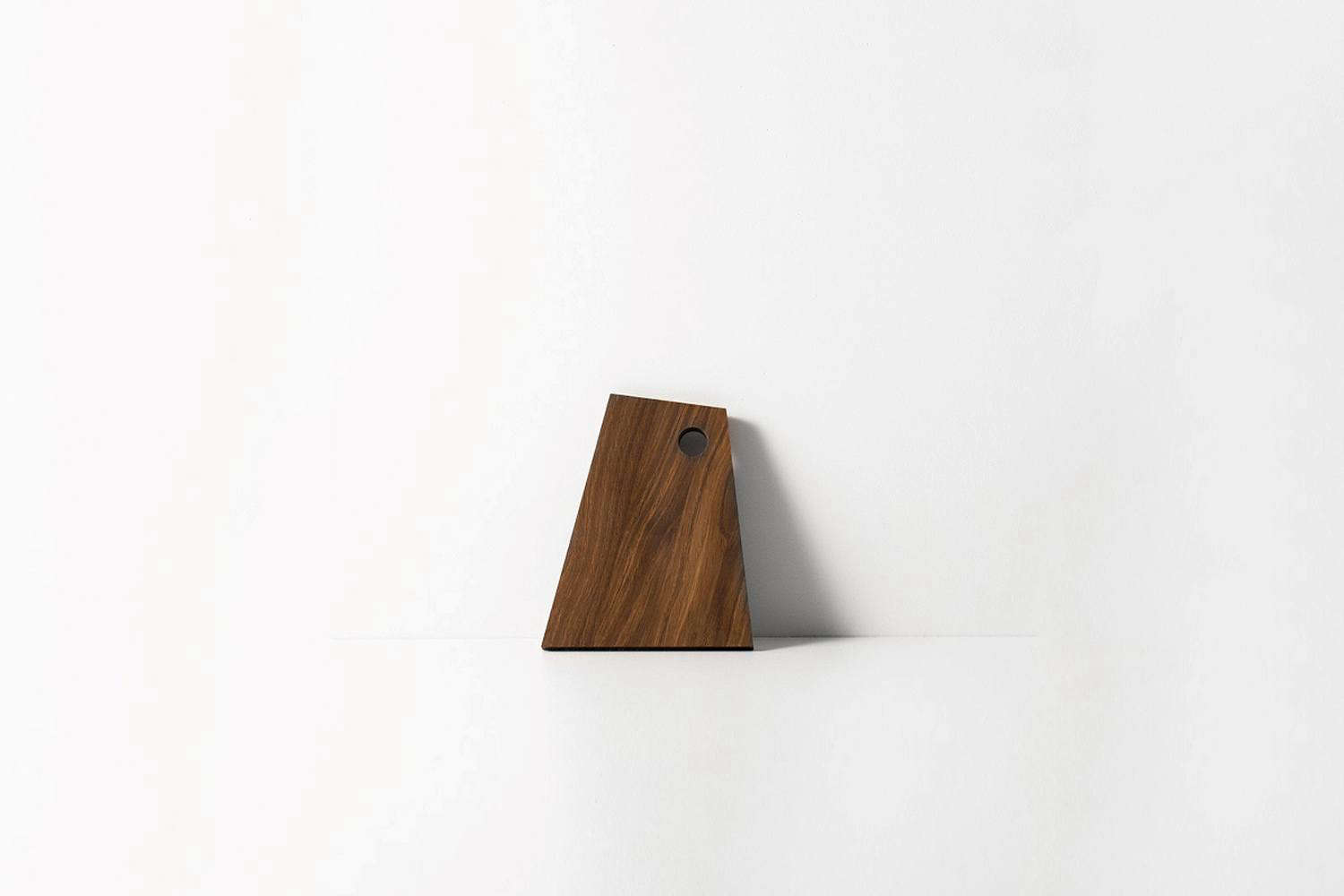
The phrase asymmetric cutting board – small usually refers to a compact wood board with an intentionally off-balance silhouette. Instead of a plain rectangle, it may have a tapered edge, angled shoulder, rounded side, or a handle opening placed slightly off-center. That little bit of visual tension gives it personality. The small size keeps it practical. Rather than hogging precious counter space like a diva at brunch, it fits neatly into apartment kitchens, coffee bars, pantry nooks, and the tiny patch of counter you swear was bigger before you bought the air fryer.
What makes this style especially appealing is that it sits right at the intersection of utility and presentation. A traditional prep board says, “I am here to dice onions.” A small asymmetric board says, “I can dice shallots, hold your lime wedges, carry toast to the table, and make your countertop look more expensive than it actually is.” That is a strong resume for one humble slab of wood.
What Makes a Small Asymmetric Cutting Board Different?
The first difference is shape. A standard board is predictable. A small asymmetric board feels more curated. That may sound like designer fluff, but shape changes how a board behaves in daily life. A narrower end can act like a handle. An angled corner can make it easier to slide chopped ingredients into a pan. A hanging hole or leather tie lets the board live on a hook instead of in a cluttered cabinet pile that sounds like falling cymbals every time you open the door.
The second difference is scale. Small boards are not trying to replace your giant carving board for Thanksgiving turkey or your heavy butcher block for marathon meal prep. They are meant for quick, nimble jobs: slicing lemons for sparkling water, cutting a sandwich in half, trimming strawberries, chopping garlic, plating cheese, or serving a solo snack that feels a little more special than “crackers directly from the sleeve.”
That compact scale is not a compromise. It is the point. In many homes, especially smaller kitchens, the best board is not the biggest one. It is the one you will actually reach for five times a day.
Materials That Make Sense
Most small asymmetric boards are made from wood, and that is part of their charm. Oak gives a board a clean, architectural feel. Walnut brings a deeper, richer tone that makes even plain cheddar look fancy. Maple reads lighter and more classic. Cherry warms up with age. Acacia and mango wood often bring dramatic grain patterns that feel rustic and modern at the same time, which is a neat trick if you think about it.
Wood remains popular because it feels substantial, looks beautiful, and works well as both a prep surface and a serving piece. A board made from solid wood also tends to age with grace. Tiny knife marks become part of its patina instead of instantly making it look tired. That said, different woods create different moods. Smoked oak feels moody and Scandinavian. Maple feels clean and practical. Walnut looks like it has its own jazz soundtrack.
Edge Grain vs. End Grain
If you are shopping carefully, you will eventually run into the great kitchen-material rabbit hole: edge grain versus end grain. Edge-grain boards are common for everyday use because they are durable, attractive, and usually more affordable. End-grain boards are often prized for being gentler on knives and more resistant to looking chewed up over time, but they also tend to cost more and need consistent care. For a small asymmetric board, edge grain often makes the most sense. It keeps the board lighter, easier to move, and more budget-friendly while still delivering the warmth and knife-friendliness people want from wood.
Unless you are buying a tiny board to moonlight as a professional chef’s daily workhorse, a well-made edge-grain oak, walnut, cherry, or maple board is usually the sweet spot. It feels premium without asking you to take out a small personal loan to cut an apple.
Why the Small Size Is So Useful
One of the smartest things about a small asymmetric cutting board is that it matches the rhythm of real cooking. Most everyday kitchen tasks are not giant production numbers. They are quick scenes. Slice one tomato. Chop one shallot. Halve a peach. Cut toast into strips. Prep garnish for noodles. Shave a little Parmesan. A compact board handles these jobs beautifully without demanding a full cleanup production afterward.
It is also ideal for households where the board needs to do double duty as serveware. A small asymmetric board can move from kitchen to table in seconds. Use it for a single croissant and butter at breakfast, grapes and cheese in the afternoon, or olives and salami before dinner. The asymmetrical shape makes the spread feel styled even when you barely tried. That is not cheating. That is good design.
And let us talk about storage, because kitchens are not bottomless. A board that fits in a narrow cabinet, tucks beside the toaster, or hangs from a wall hook earns extra points. Large boards are wonderful until you have to wash them in a sink the size of a salad bowl. A small board is much less dramatic.
What to Look for Before Buying
Start with size. A small asymmetric board should feel compact but not toy-like. Many examples on the market land roughly in the range of about 9 by 6 inches up to around 11 by 7.5 inches. That gives you enough room for everyday prep without making the board cumbersome. Thickness matters too. A board that is too thin may feel flimsy, while a moderately thick board feels stable and more substantial in the hand.
Next, check the details. A hanging hole, handle cutout, or leather loop can make the board easier to store and easier to present. A food-safe finish matters because wood needs protection from moisture and stains. Smooth edges matter because rough edges make a board feel unfinished, no matter how trendy the silhouette is. Stability matters as well. If the board slides like it is auditioning for an ice-skating routine, it is not doing its job.
Think honestly about your use case. If you want a board mainly for serving cheese, bread, and fruit, you can prioritize beauty first and prep performance second. If you want it for quick slicing and chopping, focus on solid construction and a comfortable working surface. If you want both, welcome to the club. That is exactly why this style exists.
Cleaning, Care, and Food Safety
Now for the less glamorous but very necessary part: taking care of the thing. A beautiful board is only useful if it stays clean, dry, and safe for food contact. That means washing it after each use, drying it thoroughly, and not letting it lounge around in standing water like it is on a spa retreat.
For day-to-day cleaning, use warm or hot soapy water, rinse well, and dry the board with a towel. Then let it air dry completely before storing it. Standing the board upright for airflow is a smart move because moisture trapped underneath can lead to warping or a tired-looking finish. Wood likes balance. Too much water is the enemy. Too little maintenance is not great either.
If the board touches raw meat, poultry, seafood, eggs, or unwashed produce, give it extra attention. In general, it is smarter to use separate boards for raw proteins and ready-to-eat foods. A small wooden asymmetric board is especially well suited for produce, bread, citrus, cheese, or serving. If you do use any board for raw meat, it should be cleaned thoroughly and sanitized according to food-safety guidance. And if your board develops deep grooves, cracks, or pitted wear, it is time to retire it. A cutting board should not look like it lost a knife fight.
Wood boards also benefit from occasional oiling. Food-safe mineral oil or a board cream designed for wooden cutting boards helps keep the wood from drying out, cracking, or looking chalky. If the surface starts looking thirsty, dull, or pale, it is probably asking for maintenance. Happily, this is a very low-drama form of self-care. Wipe on oil, let it soak, wipe off excess, and suddenly your board looks alive again.
Style Matters, and That Is Not Silly
Some people roll their eyes at kitchen aesthetics, right up until they realize the prettiest tools are often the ones they actually use. A small asymmetric cutting board earns its keep because it does not need to be hidden. It can live on the counter, lean against a tile backsplash, or hang on a hook as part of the room. That visibility matters. A board you can grab in two seconds is a board you use more often. A board buried under six pans and an emotional-support colander is a board that disappears from your life.
The asymmetric silhouette also adds movement to a kitchen full of hard lines. Cabinets, counters, appliances, tile, and shelving are often straight, square, and rigid. A subtly irregular board softens that geometry. It brings in a more organic shape without becoming quirky for the sake of being quirky. It feels intentional. Calm. Useful. A little artsy, but still grounded enough to slice a baguette without making a speech about it.
Is an Asymmetric Cutting Board – Small Worth It?
Yes, if you want a board that works hard without looking purely utilitarian. It is worth it if you have a small kitchen, love multifunctional tools, entertain casually, or simply prefer kitchen items that pull double duty. It is also worth it if you enjoy design that feels thoughtful rather than loud. A small asymmetric board will not replace every board you own, but it may become the one you reach for most often. And in a kitchen, that is a stronger sign of value than any label that says “premium” in suspiciously tiny font.
The best version of this board balances four things: solid wood, practical size, easy care, and a shape that feels interesting without becoming inconvenient. Get that mix right and you have more than a trendy object. You have a genuinely useful kitchen companion that can prep, serve, store neatly, and look good doing it.
Experience: Living With a Small Asymmetric Cutting Board
Living with a small asymmetric cutting board changes the tiny rhythms of the kitchen in a way that feels more noticeable than you might expect. At first, it seems like a simple purchase. It is just a board, right? Then a week goes by and you realize it has become the item you reach for without thinking. Morning starts with it holding a sliced banana for oatmeal, then maybe toast with jam, then lime wedges for iced tea later in the day. It becomes part prep station, part mini tray, part countertop décor, and part “look at me pretending I have my life together” prop. Very few kitchen tools multitask with that kind of quiet confidence.
The small size also creates less resistance. Pulling out a giant board can feel like committing to a whole project. Pulling out a small one feels easy. That matters more than most people admit. When cleanup is simple, cooking tends to happen more often. Suddenly you are chopping herbs instead of buying a plastic clamshell of sad pre-cut ones. You slice fresh fruit because the board is already sitting there. You make a quick snack plate instead of rummaging through the pantry like a raccoon with Wi-Fi.
The asymmetric shape adds something surprising: personality. A rectangular board is fine, but it often fades into the background. An asymmetric board feels considered. It catches the eye on the counter. When guests come over and you put out cheese, crackers, berries, and a little honey, the board does half the styling work for you. People assume you planned it. You do not have to tell them the truth, which is that you just arranged everything in seven minutes while wearing socks that do not match.
There is also something satisfying about the way wood ages. A good small board does not stay factory-perfect, and that is part of the appeal. It picks up tiny marks, deepens in tone, and develops the kind of lived-in surface that makes a kitchen feel real. It starts to look like it belongs to your routine rather than to a catalog. Oiling it every so often becomes less of a chore and more of a reset, like polishing shoes or watering a plant that has somehow survived your schedule.
Of course, a small asymmetric cutting board is not magic. It will not hold an entire roast chicken carving session, and it is not the best choice for every messy task. But that limitation is exactly why it works so well. It knows its role. It is the board for everyday moments, the little jobs, the quick prep, the effortless serving, the snack that turns into dinner because you were not that hungry until suddenly you were. In real life, that is where a lot of kitchen happiness happens. And that is why this small board, odd shape and all, often becomes the board people love most.