Adenoid cystic carcinoma, usually shortened to ACC, is a rare cancer ing at first. Unfortunately, ACC can also quietly invade nearby nerves, return years after treatment, and spread to distant organs. In other words, it is the cancer equivalent of someone saying, “No rush,” while steadily walking off with your luggage.
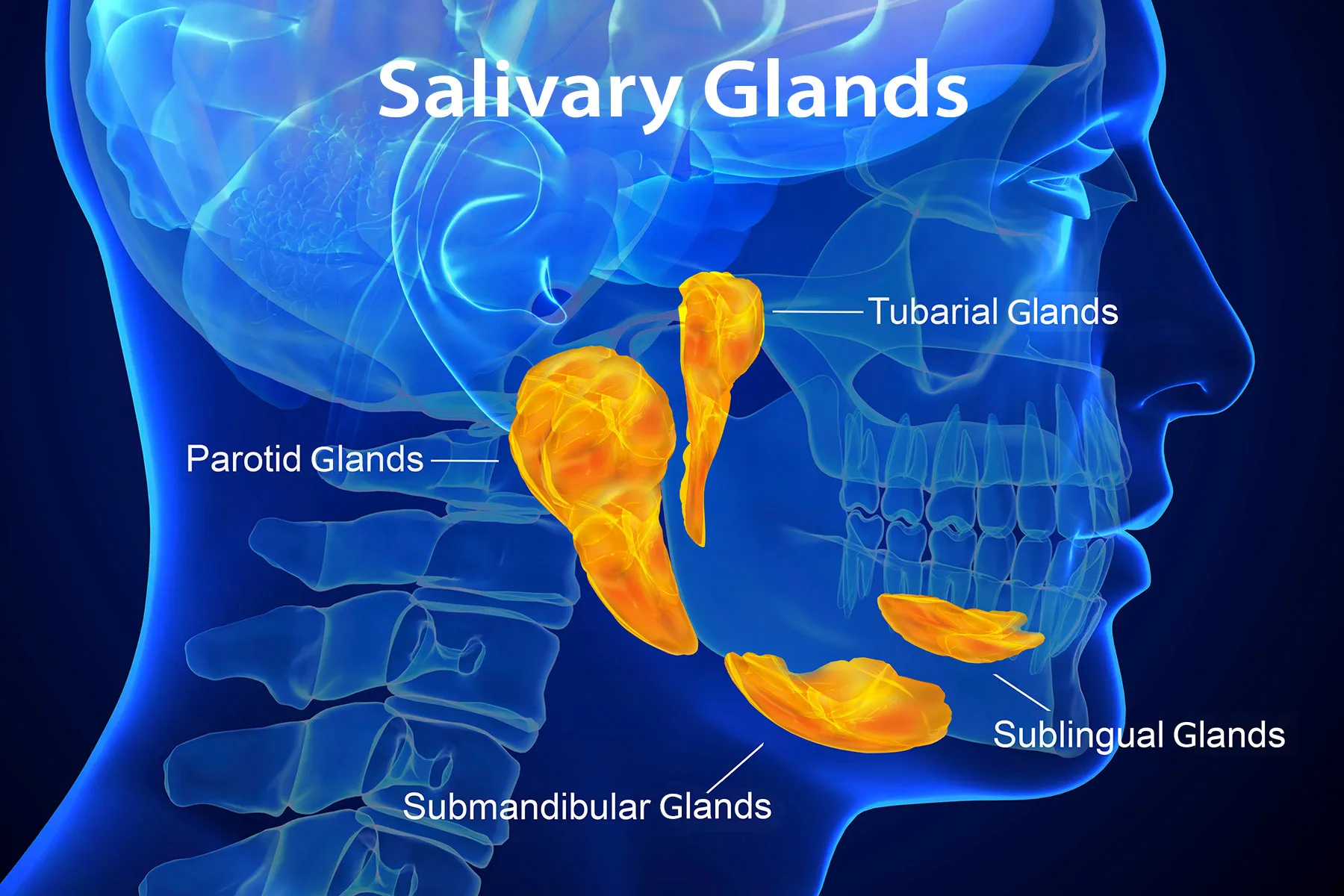
ACC most commonly develops in the salivary glands ottered through the mouth and throat. However, glandular tissue exists in other locations, so adenoid cystic carcinoma can also begin in the lacrimal glands that produce tears, the airway, breast, skin, and other uncommon sites.
Because it is rare and may initially resemble a benign lump, dental problem, sinus complaint, or ordinary nerve pain, diagnosis is not always immediate. Understanding adenoid cystic carcinoma symptoms, causes, diagnosis, and treatment options can help patients ask better questions and seek specialists familiar with this unusual disease.
What Is Adenoid Cystic Carcinoma?
Adenoid cystic carcinoma is a malignant tumor arising from certain gland-forming tissues. In the head and neck, ACC is particularly associated with salivary gland tissue. It may affect the parotid, submandibular, or sublingual glands, but it also develops in minor salivary glands in areas such as the palate, tongue, nasal passages, and throat.
Under a microscope, ACC may show tubular, cribriform, or solid growth patterns. “Cribriform” describes a pattern with small spaces that can look a little like Swiss cheese. Pathologists, unlike hungry people standing near a refrigerator, use this description for serious diagnostic purposes. Tumors with a larger solid component may behave more aggressively.
Why Is ACC Considered Unusual?
The defining biological feature of ACC is its strong tendency toward perineural invasion. This means cancer cells may grow around or along nerves. Perineural spread helps explain why some people experience pain, tingling, numbness, facial weakness, or other neurological symptoms even when the original tumor is not enormous.
ACC also tends to spread through the bloodstream rather than immediately producing widespread lymph node disease. When distant metastases occur, the lungs are a common destination, although other organs and bones can also be affected.
Another challenge is timing. Some cancers announce themselves loudly and rapidly. ACC sometimes prefers a decades-long plot twist. A person may complete treatment and remain well for years before a local recurrence or distant metastasis is discovered. This is why long-term surveillance is an important part of adenoid cystic carcinoma care.
What Causes Adenoid Cystic Carcinoma?
The precise cause of most cases of adenoid cystic carcinoma is unknown. There is no simple everyday behavior that explains why one person develops ACC and another does not.
Researchers have identified important molecular abnormalities within ACC tumors. Changes involving the MYB and MYBL1 pathways are especially important in the biology of the disease. A MYB-NFIB fusion can be found in a substantial portion of ACC tumors, and abnormal MYB activity appears to help cancer cells grow and survive.
These discoveries matter because they offer potential targets for future therapies. However, finding a genetic change inside a tumor does not automatically mean the cancer was inherited from a parent. Tumor mutations and inherited genetic mutations are not the same thing.
Known and Possible Risk Factors
There are few clearly established risk factors specifically for ACC. For salivary gland cancers more broadly, previous radiation exposure to the head and neck has been associated with increased risk. Age may also influence the overall likelihood of salivary gland malignancy, although ACC can occur across a fairly wide age range.
Tobacco and alcohol are major risk factors for several head and neck cancers, particularly squamous cell carcinoma. Their relationship with adenoid cystic carcinoma is much less clear. Therefore, a person diagnosed with ACC should not automatically assume that lifestyle choices “caused” the disease.
That distinction is emotionally important. Cancer patients already have enough appointments, scans, forms, and insurance vocabulary to decode. Adding unnecessary self-blame to the schedule is not helpful.
Common Adenoid Cystic Carcinoma Symptoms
Adenoid cystic carcinoma symptoms depend heavily on where the tumor begins. A small tumor in a salivary gland may cause different problems from ACC arising in the trachea or lacrimal gland.
In head and neck ACC, possible symptoms include:
- A persistent lump or swelling in the mouth, jaw, face, or neck
- A mass on the hard or soft palate
- Ongoing facial or oral pain
- Numbness or tingling
- Facial muscle weakness or paralysis
- Difficulty swallowing
- Changes in speech
- Trouble opening the mouth
- Persistent nasal obstruction or sinus-like symptoms
- Changes in vision or eye position when nearby structures are involved
Pain and Nerve Symptoms Deserve Attention
Pain is especially important in ACC because of the tumor’s tendency to invade nerves. A lump combined with unexplained nerve pain, numbness, or muscle weakness deserves medical evaluation. Persistent facial weakness should never be brushed aside as simply “sleeping funny.” Pillows have been falsely accused of many things.
Neurological symptoms do not prove that a person has ACC. Bell’s palsy, infections, dental disease, injuries, and other conditions can also affect facial sensation or movement. The point is that persistent or progressive symptoms require a proper examination rather than endless guesswork.
Symptoms of ACC Outside the Salivary Glands
When adenoid cystic carcinoma begins in the airway, symptoms may include cough, wheezing, shortness of breath, bloody sputum, or chest discomfort. Because these problems have many more common causes, an airway ACC may initially be mistaken for another respiratory condition.
ACC of the lacrimal gland may produce swelling around the eye, pain, changes in vision, or displacement of the eye. Tumors in other organs create symptoms related to the affected location.
How Adenoid Cystic Carcinoma Is Diagnosed
Diagnosing ACC generally requires several steps. Doctors need to determine whether a suspicious mass is malignant, confirm the specific cancer type, and establish how far the disease has extended.
Medical History and Physical Examination
The diagnostic process begins with a detailed history. A doctor may ask how long a lump has been present, whether it is changing, and whether the patient has pain, numbness, swallowing difficulty, or muscle weakness.
For suspected head and neck cancer, the examination may include careful inspection and palpation of the mouth, palate, throat, jaw, salivary glands, and neck. Cranial nerve function may also be evaluated.
Imaging Tests
Magnetic resonance imaging, or MRI, is particularly useful when doctors need detailed images of soft tissue and nearby nerves. Because perineural spread is such an important feature of ACC, MRI often plays a major role in treatment planning.
A CT scan can help evaluate the primary tumor, surrounding structures, and possible bone involvement. Chest CT imaging may be performed because ACC can metastasize to the lungs.
PET imaging or other studies may be recommended in selected situations. The exact imaging strategy depends on the original tumor site, symptoms, pathology findings, and whether doctors suspect distant disease.
Biopsy and Pathology
A definite cancer diagnosis requires examination of tissue. Depending on the location of the tumor, doctors may use fine-needle aspiration, core needle biopsy, or another biopsy technique.
A pathologist examines the cells and architecture of the tumor under a microscope. Because salivary gland tumors include many uncommon subtypes, pathology review by a specialist experienced in head and neck or salivary gland cancers can be valuable.
Modern tumor testing may also examine molecular alterations. Genomic findings can sometimes provide additional biological information or help determine whether a patient qualifies for a clinical trial.
Staging Adenoid Cystic Carcinoma
Staging describes the extent of cancer. Doctors consider the primary tumor, nearby lymph nodes, and distant metastases. The formal staging system can depend on the anatomical site where ACC began.
Tumor size matters, but size does not tell the entire story. Surgical margins, nerve involvement, histologic pattern, disease location, and distant spread may all influence treatment decisions and prognosis.
Adenoid Cystic Carcinoma Treatment Options
There is no universal treatment plan for every patient with ACC. Care should ideally involve a multidisciplinary team that may include a head and neck surgeon or another site-specific surgical specialist, radiation oncologist, medical oncologist, pathologist, radiologist, dentist, nutrition specialist, and speech or swallowing therapist.
For localized disease, surgery and radiation therapy are central treatment strategies.
Surgery
When possible, surgery aims to completely remove the tumor. The operation depends on the cancer’s location. A salivary gland tumor may require removal of part or all of the affected gland, while ACC of the palate, sinuses, airway, or another site requires a different surgical approach.
Obtaining clear surgical margins can be difficult because ACC may microscopically extend beyond the obvious tumor or travel along nerves. Surgeons must sometimes balance aggressive cancer removal with preservation of important structures controlling facial movement, speech, swallowing, vision, or other functions.
Reconstructive surgery may be necessary after extensive tumor removal. Rehabilitation can be an essential part of recovery rather than an optional bonus level added after “real” treatment.
Radiation Therapy
Postoperative radiation therapy is frequently considered for adenoid cystic carcinoma, including many cases in which the visible tumor has been surgically removed. Radiation is especially relevant when there is concern about microscopic residual disease, close or positive margins, advanced local disease, or perineural involvement.
External beam radiation is commonly used. Highly conformal techniques help radiation oncologists shape treatment around the tumor bed and high-risk pathways while limiting exposure to nearby healthy tissue when possible.
Proton therapy may be considered in selected patients, particularly when the treatment area is near sensitive structures. Availability, tumor location, prior treatment, and individual anatomy influence whether proton therapy offers a meaningful advantage.
Radiation alone may also be used when surgery is not technically possible or would carry unacceptable risks. Treatment decisions for unresectable ACC are highly individualized.
Chemotherapy and Other Systemic Treatments
Traditional chemotherapy has a more limited role in ACC than it has in several other cancers. Chemotherapy may be considered for advanced, progressive, recurrent, or metastatic disease, but durable tumor shrinkage can be difficult to achieve.
Targeted therapies, including certain tyrosine kinase inhibitors, have been studied in advanced ACC. Some patients may experience tumor shrinkage or periods of disease control, although side effects and expected benefits must be discussed carefully with an oncology team.
Immunotherapy has transformed treatment for several cancers, but ACC has not generally shown the same dramatic response pattern seen in diseases such as melanoma. In selected advanced salivary gland cancers, immune checkpoint inhibitors may be considered based on tumor characteristics or clinical circumstances.
The frustrating but honest statement is that there is currently no single systemic medication that reliably works for every patient with metastatic ACC.
Clinical Trials and Emerging ACC Treatments
Clinical trials are particularly important for recurrent or metastatic adenoid cystic carcinoma. Researchers are investigating drugs aimed at molecular pathways involved in ACC, including approaches related to MYB biology and other potential tumor targets.
Antibody-drug conjugates, novel targeted medicines, and treatment combinations are also under study. The clinical trial landscape changes, so eligibility should be reviewed using current information rather than an old list saved in a mysterious desktop folder named “Cancer stuff FINAL final2.”
Patients with progressive ACC may benefit from asking whether tumor molecular testing or referral to a major rare-cancer center could identify an appropriate study.
What Happens When ACC Spreads?
Distant metastatic disease does not always behave identically in every patient. Some lung metastases may grow very slowly and remain relatively stable, while other tumors progress more quickly.
Therefore, discovering metastatic ACC does not automatically mean every patient must begin systemic therapy the same afternoon. In carefully selected situations, close observation with scheduled imaging may be recommended. When limited areas of disease are causing problems or progressing, local treatment such as surgery or focused radiation may occasionally be considered.
More widespread or clearly progressive cancer may lead doctors to discuss systemic therapy or clinical trials. Treatment decisions typically consider the pace of growth, disease location, symptoms, previous therapy, overall health, and patient priorities.
Prognosis and the Risk of Recurrence
ACC is famous, unfortunately, for making short-term statistics look more comforting than the full long-term story. Many patients live for years after diagnosis because the cancer can grow slowly. However, the risk of late recurrence and distant metastasis means long-term outcomes require continued attention.
Factors that may influence prognosis include tumor size and location, stage, the ability to remove the cancer completely, surgical margin status, nerve involvement, histologic features, and distant metastasis.
No online survival percentage can predict exactly what will happen to one person. Population statistics combine patients with different tumor sites, treatments, ages, disease stages, and tumor biology. A specialist who has reviewed the pathology and imaging can provide a much more meaningful discussion of an individual case.
Follow-Up Care After Adenoid Cystic Carcinoma Treatment
Long-term follow-up is a major part of ACC care. Because recurrence can occur years after the original treatment, patients may need ongoing clinical examinations and periodic imaging based on their individual risk.
Follow-up may involve MRI or CT imaging of the original treatment region. Chest imaging may also be incorporated into surveillance because of the risk of lung metastases.
Patients should report new or progressive pain, numbness, weakness, unexplained lumps, breathing problems, persistent cough, swallowing difficulty, or other concerning changes. Reporting a symptom is not “being dramatic.” Cancer follow-up is one situation where quietly hoping a problem gets bored and leaves is not a strong medical strategy.
Managing Long-Term Treatment Effects
Surgery and radiation involving the head and neck can affect saliva production, taste, dental health, chewing, swallowing, speech, hearing, and appearance. Dry mouth may increase the risk of dental problems. Changes in swallowing can affect nutrition and weight.
Supportive care may include specialized dental care, fluoride treatments, nutritional counseling, speech therapy, swallowing therapy, audiology services, and reconstructive care. Pain management is also important, especially when nerves have been affected.
Living With ACC: Real-World Experiences and Lessons From the Patient Journey
The experience of living with adenoid cystic carcinoma can be unusual even within the world of cancer. Rare cancers create practical and emotional problems that are not always visible on an MRI.
One commonly described challenge is the long road to diagnosis. ACC may begin with a small lump, facial discomfort, tooth-like pain, sinus pressure, or numbness. Because ordinary explanations are far more common, patients may initially visit a dentist, primary care clinician, eye specialist, or ear, nose, and throat doctor. Some symptoms improve temporarily or seem vague enough to watch.
For a patient, this period can become frustrating. The person knows that something feels wrong, yet each individual symptom can sound unimpressive when described in a five-minute appointment. One lesson from the ACC experience is the importance of describing the pattern: how long the symptom has lasted, whether it is worsening, and whether pain, numbness, or weakness occurs in a specific nerve distribution.
Diagnosis itself may bring a strange emotional contradiction. Patients often hear that ACC is “slow-growing” and “aggressive” in the same conversation. Both statements can be true. That is not exactly the comforting simplicity people hope for after hearing the word cancer.
Another major experience is seeking a second opinion. With a common disease, a local hospital may treat dozens or hundreds of similar cases. ACC is rare enough that a physician may encounter relatively few patients with the exact diagnosis. Pathology review and treatment planning at a center experienced with salivary gland or rare head and neck cancers can sometimes clarify difficult decisions.
Surgery may create its own adjustment period. Depending on the tumor site, patients can experience temporary or lasting changes in facial movement, sensation, speech, eating, or appearance. The first successful meal after surgery may feel like a major victory. So can pronouncing a difficult word clearly, gaining a pound after weeks of weight loss, or realizing that a rehabilitative exercise has finally become easier.
Radiation experiences vary, but fatigue, mouth discomfort, taste changes, skin reactions, swallowing difficulty, and dry mouth can make the treatment period demanding. Patients frequently learn that “eat a balanced diet” is wonderfully simple advice until everything tastes like damp cardboard and swallowing has become a project management exercise. Working early with nutrition and swallowing specialists can be extremely valuable.
Then comes surveillance. Many ACC survivors become familiar with scanxiety, the tension surrounding follow-up imaging. A calendar notification for a CT scan can instantly produce an advanced degree in worrying. Some patients cope by limiting online searching before appointments, planning an activity after scans, writing questions in advance, or asking family members to attend result discussions.
The possibility of late recurrence also changes the traditional idea of being “finished” with cancer. A patient may return to work, travel, raise children, celebrate birthdays, and live an active life while continuing periodic surveillance. ACC can become part of the background without being allowed to occupy every room in the mental house.
For people with slowly growing metastatic disease, treatment decisions may feel especially complex. Starting therapy immediately can seem like the obvious response to cancer spread, yet doctors may sometimes recommend monitoring stable disease. Patients may initially interpret observation as “doing nothing.” In reality, structured surveillance can be an active strategy when the potential side effects of treatment outweigh the immediate benefit.
Support networks matter. Family members can help with transportation, meal planning, medication schedules, and appointment notes. Rare-cancer organizations and patient communities may also connect people who understand ACC-specific concerns. That connection can be powerful when friends are caring but cannot understand why someone is still discussing recurrence risk ten years after the original diagnosis.
Perhaps the most practical lesson from the ACC journey is that patients benefit from becoming organized participants in their care. Keeping pathology reports, operative notes, radiation summaries, molecular test results, and imaging records can make second opinions and clinical trial reviews easier. A simple list of previous treatments and dates may save considerable detective work later.
Living with ACC is not one standardized experience. Some people complete localized treatment and remain disease-free for many years. Others manage recurrent or metastatic cancer over a prolonged period. The uncertainty is real, but so is continued progress in understanding the molecular biology of the disease and developing new clinical trials.
Conclusion
Adenoid cystic carcinoma is a rare glandular cancer with a distinctive tendency to invade nerves, recur after treatment, and sometimes spread through the bloodstream to organs such as the lungs. Although ACC often grows slowly, it requires serious long-term management.
Persistent lumps, unexplained facial or oral pain, numbness, weakness, or other progressive symptoms should be evaluated. Diagnosis typically combines physical examination, advanced imaging, biopsy, and expert pathology review. For localized disease, surgery and radiation therapy remain central treatment options. Advanced ACC may require individualized systemic treatment, surveillance, local therapy for selected metastases, or participation in clinical trials.
The most important practical step is finding a multidisciplinary team familiar with this rare cancer. ACC is complicated enough without asking the patient to serve as the oncologist, pathologist, radiologist, and internet research department before breakfast.
Note: This article provides general educational information and is not a substitute for diagnosis or treatment recommendations from a qualified oncology team. Individual ACC treatment plans depend on the tumor site, pathology, stage, previous therapies, symptoms, and overall health.