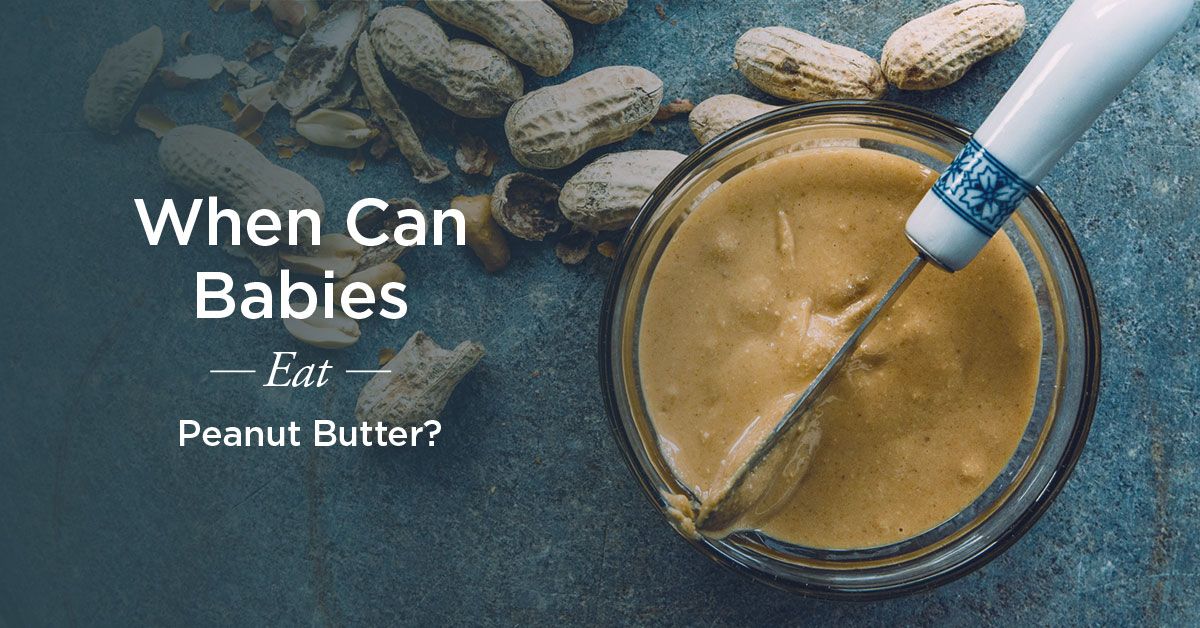
Peanut butter used to be treated like the villain in a parenting thriller. For years, many families were told to keep it far away from babies, as if one tiny taste would summon chaos, panic, and an emergency call to Grandma. Today, the advice looks very different. Modern pediatric guidance says that, for many babies, introducing peanut-containing foods in infancy may actually help lower the risk of developing a peanut allergy later on.
That does not mean you should hand your 5-month-old a peanut butter sandwich and call it lunch. Timing, texture, and your baby’s personal risk level matter. So does common sense. Whole peanuts are a choking hazard. Thick globs of peanut butter are a choking hazard. A baby who has severe eczema or an egg allergy may need a more careful plan before the first taste. In other words, peanut butter is no longer the enemy, but it still needs a proper introduction.
This guide breaks down when babies can have peanut butter, how to introduce it safely, what warning signs to watch for, and how real-life parents often navigate this surprisingly emotional milestone. Because yes, even one tiny spoonful can make a grown adult stare at a baby for two straight hours like they are guarding a national treasure.
The Short Answer
Most babies can have peanut-containing foods when they are ready to start solids, which is usually around 4 to 6 months of age. For many infants, that first introduction happens closer to 6 months. The key is readiness for solids, not the calendar alone. Babies should be able to sit with support, show good head and neck control, and show interest in food before you start.
Peanut butter itself should not be given in a thick spoonful. Instead, it should be thinned with warm water, breast milk, formula, or mixed into a soft puree or yogurt. Think smooth and easy to swallow, not sticky and paste-like. This is one of those moments when texture is everything.
Why the Advice Changed
From “avoid it” to “introduce it wisely”
Older advice often suggested delaying peanuts in infancy, especially for babies thought to be at higher allergy risk. But research changed that picture in a big way. Studies found that babies who were introduced to peanut-containing foods early were much less likely to develop peanut allergy than babies who avoided peanut altogether.
That was a major shift, and it explains why many parents hear two opposite messages from two different generations. One grandparent may say, “Wait until preschool!” while a pediatrician now says, “Let’s talk about introducing peanut this year.” Both are speaking from the advice of their time. Science just moved the conversation forward.
The newer message is not “feed peanuts recklessly.” It is “introduce peanut in a baby-safe form at the right developmental stage, and do it with extra guidance if your baby is higher risk.” That is a much more useful sentence, even if it is slightly less dramatic.
How to Know Your Baby Is Ready for Peanut Butter
Before you think about peanut butter, make sure your baby is ready for solids in general. A baby who is not yet ready to eat purees or other soft foods is not ready for peanut either.
Signs of readiness for solids
- Good head and neck control
- Ability to sit with support
- Interest in food when others are eating
- Ability to move food from the front of the mouth and swallow it rather than immediately pushing it back out
If your baby is still mostly confused by the idea of food and looks personally offended by a spoon, it may be worth waiting a little longer. Peanut introduction works best when it happens during the normal transition into solids, not as a random stunt.
When Babies Can Have Peanut Butter Based on Allergy Risk
Babies with severe eczema or egg allergy
These babies are considered at higher risk for peanut allergy. In this group, peanut may be introduced as early as 4 to 6 months, but families should talk with a pediatrician or allergy specialist first. Some babies may need testing before introduction. In certain cases, a clinician may recommend that the first feeding happen under medical supervision.
That sounds intimidating, but it is really about building a safer, more confident plan. If your baby has severe eczema, especially eczema that needs prescription treatment often, or a diagnosed egg allergy, do not guess your way through it. Get guidance early, ideally before the peanut introduction window has passed.
Babies with mild to moderate eczema
These babies can often try peanut-containing foods around 6 months of age, after a few other solids have already been tolerated. Testing is not always needed, but a conversation with your child’s clinician can still be helpful if you are unsure.
Babies without eczema or known food allergy
For babies who are not in a higher-risk group, peanut-containing foods can be introduced along with other solids based on family preference and routine. It does not have to be the very first food, but there is no benefit in delaying it for fear alone. In fact, putting it off for no clear reason may miss a useful opportunity for early exposure.
How to Introduce Peanut Butter Safely
This is the part where form matters more than food philosophy. The goal is not to “give peanut butter.” The goal is to give peanut in a safe texture for a baby.
Best ways to serve peanut to babies
- Mix smooth peanut butter with warm water until it becomes thin and runny
- Stir smooth peanut butter into breast milk or formula
- Blend peanut powder or peanut flour into yogurt, applesauce, oatmeal, or puree
- Offer peanut-containing puffs only if they are age-appropriate and soften easily
A commonly used approach is to thin about 2 teaspoons of smooth peanut butter with 2 to 3 teaspoons of warm water, then let it cool before serving. You can also mix it into a familiar puree. The final texture should be smooth enough that your baby can swallow it comfortably. Think “silky puree,” not “sticky wall paste.”
What to avoid
- Whole peanuts
- Chopped peanuts
- Chunky peanut butter
- A thick spoonful of smooth peanut butter straight from the jar
These forms are choking risks for babies and young children. Peanut may be helpful for allergy prevention, but only when it is served in a baby-safe way.
A Simple First-Time Peanut Introduction Plan
- Pick a day when your baby is healthy, calm, and not dealing with a cold, fever, or stomach bug.
- Choose a time when you can watch your baby afterward instead of rushing out the door.
- Make sure your baby has already tolerated a few other solids.
- Prepare a very small amount of thinned smooth peanut butter or another soft peanut-containing mixture.
- Offer a little at a time.
- Watch your baby closely for signs of a reaction.
- If all goes well, keep peanut in the routine going forward rather than treating it as a one-time event.
Introducing a possible allergen at home is generally smarter than doing it in a busy restaurant, in the backseat of a car, or five minutes before daycare drop-off. This is not the best moment for multitasking.
How Much and How Often?
Parents often want an ultra-precise answer here, as if a baby’s immune system is keeping a spreadsheet. Real life is a bit less neat than that. The research on peanut allergy prevention involved regular peanut consumption over time, not one heroic taste followed by six months of forgetfulness.
Once your baby tolerates peanut, it helps to keep it in the meal rotation in an age-appropriate form. That does not mean every meal must become a peanut festival. It means peanut should become a normal, repeated part of the diet rather than a dramatic event that happened once and never again.
For practical purposes, many families simply offer a small peanut-containing serving regularly each week in a safe texture. Consistency matters more than perfection.
What an Allergic Reaction Can Look Like
Food allergy reactions can range from mild to severe, and they do not always look identical from one child to another. Some reactions begin with skin symptoms. Others may involve the gut or breathing. That is why parents need to watch the whole baby, not just look for one classic sign.
Mild to moderate signs
- Hives or a new rash
- Redness around the mouth
- Mild swelling
- Vomiting
- Runny nose or sneezing shortly after eating
Emergency warning signs
- Trouble breathing
- Wheezing or repetitive coughing
- Swelling of the lips or tongue
- Pale, blue, or floppy appearance
- Loss of consciousness
- Rapidly worsening symptoms across more than one body system
If your baby shows signs of a severe reaction, seek emergency medical care right away. Mild symptoms should still be reported to your pediatrician, because they may change how you introduce peanut in the future.
Common Mistakes Parents Make
Waiting too long out of fear
Fear is understandable, but delaying peanut for no medical reason is not the safest strategy anymore. Updated guidance exists for a reason.
Serving it in the wrong texture
A sticky blob of peanut butter is not baby food. It is a choking hazard with ambition.
Trying it for the first time during chaos
The first peanut introduction should not happen during a rushed morning, a crowded gathering, or right before bedtime. Choose a calm window when you can pay attention.
Assuming one successful taste is enough forever
If your baby tolerates peanut, keep it in the diet routinely. The goal is normal, ongoing exposure, not a single ceremonial dab.
Skipping professional advice for a high-risk baby
If your baby has severe eczema or egg allergy, this is the moment to call the pediatrician, not the cousin with strong opinions and a social media account.
Specific Examples of Safe Peanut Butter Uses
Parents often say, “I understand the concept, but what does this look like on an actual spoon?” Fair question. Here are a few baby-friendly examples:
- Example 1: Smooth peanut butter thinned with warm water until runny, then offered on a spoon in tiny tastes.
- Example 2: Peanut powder mixed into plain yogurt for a baby who has already tolerated yogurt.
- Example 3: Smooth peanut butter blended into oatmeal so the texture stays soft and familiar.
- Example 4: Peanut butter mixed into applesauce or pear puree for a smooth, easy swallow.
The trick is to use a food your baby already handles well, then add peanut in a measured, safe way. Familiar texture can make the whole process less stressful for everyone involved.
What About Family History of Allergy?
Many parents get nervous if an older sibling, parent, or cousin has allergies. That concern is understandable, but family history alone does not automatically mean your baby should avoid peanut. The bigger red flags in current guidance are severe eczema and egg allergy. Still, if family history is making you hesitant, it is perfectly reasonable to ask your pediatrician for a plan that fits your child’s situation.
In other words, panic is not the plan. Personal medical guidance is.
Final Takeaway
So, when can babies have peanut butter? For most babies, the answer is once they are ready for solids, usually around 4 to 6 months, in a safe, thinned, baby-friendly form. For higher-risk babies, especially those with severe eczema or egg allergy, the answer is still often early introduction, but with medical guidance first.
The biggest lessons are simple: do not delay without a reason, do not serve peanut in a choking-hazard texture, and do not treat the first taste like an Olympic event. A calm plan, a safe texture, and regular inclusion over time can go a long way.
Parenting is full of milestones that feel bigger than they look from the outside. The first peanut taste is one of them. But with the right information, it becomes less scary, more practical, and a lot easier to manage than the internet would have you believe.
Extra Section: Real-Life Experiences Parents Commonly Describe
One of the most relatable parts of introducing peanut butter is how different the emotional experience feels from the medical one. On paper, the advice is pretty straightforward: introduce peanut safely and early when your baby is ready. In real life, parents often describe it as a moment filled with overthinking, second-guessing, and an impressive amount of staring.
A common experience goes like this: a parent spends three days reading labels, chooses the least exciting Saturday afternoon possible, mixes smooth peanut butter into warm water with the seriousness of a lab scientist, and then offers one tiny spoonful. The baby makes a strange face, because of course they do, and the parent immediately wonders whether that face means “new flavor” or “call 911.” Ten minutes later, nothing happens except the baby smears the mixture into their eyebrows. That first successful try usually gives the parent more confidence than any article ever could.
Another common situation involves babies with eczema. Parents in this group often feel torn between knowing early introduction may help and worrying that their child is exactly the one who will react. Many describe feeling relieved after talking with a pediatrician or allergist and getting a clear plan. Sometimes that plan includes testing. Sometimes it includes a supervised feeding. Either way, having expert guidance often lowers the stress dramatically. The biggest emotional shift is moving from “I’m scared to do this” to “I know what step comes next.”
Parents also frequently mention that the first peanut feeding changes their routine in a surprisingly ordinary way. After the big buildup, peanut becomes just another ingredient. It gets stirred into oatmeal, swirled into yogurt, or mixed into fruit puree. That normalcy matters. Families often say that once peanut is no longer a dramatic “first time” event, it becomes easier to keep offering it regularly. The fear fades, and the habit takes over.
There are also parents who wait longer than planned, not because they reject the guidance, but because life gets chaotic. A baby gets a cold. Then there is a rough week of sleep. Then daycare starts. Then someone remembers peanut butter at 8:30 p.m., which is exactly the wrong time to start anything new. This is a very normal parenting pattern. The lesson is not that families must be perfect. It is that having a simple plan helps. A calm daytime feeding at home is often all it takes to turn an intimidating idea into an ordinary part of feeding.
And then there is the classic post-introduction behavior: the parent watches the baby for an hour while pretending not to watch the baby. Every sneeze suddenly seems suspicious. Every red mark looks meaningful. Many families laugh afterward about how intense the moment felt compared with how uneventful it actually was. That is probably the most universal experience of all. Most of the time, the baby eats, drools, makes a mess, and goes on with the day. The parent is the one who needs the nap.
These everyday experiences matter because they remind families that introducing peanut butter is not just a medical recommendation. It is a parenting milestone. And like many parenting milestones, it usually feels hardest before it happens.