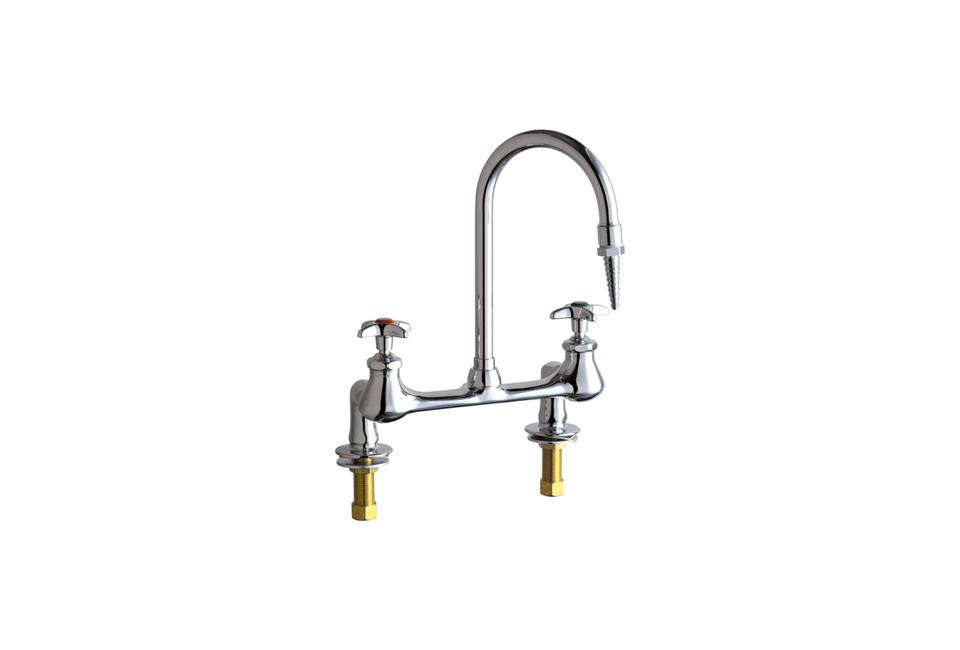
A hot and cold water inlet faucet may not sound like the superstar of your kitchen or bathroom, but try brushing your teeth with only icy water in January or washing greasy pans with lukewarm sadness. Suddenly, this humble fixture becomes the hero of the house. A faucet with hot and cold water inlets is designed to receive two separate water suppliesone hot and one coldthen mix them through a handle, cartridge, valve, or two-handle control so you get the temperature you actually want.
Whether you are choosing a new kitchen faucet, replacing a bathroom sink faucet, troubleshooting reversed water lines, or simply trying to understand what those red and blue hoses under the sink are doing, this guide breaks it all down in plain American English. No plumber poetry. No mysterious hardware-store language. Just practical information, useful examples, and a little humor because plumbing already has enough pressure.
What Is a Hot and Cold Water Inlet Faucet?
A hot and cold water inlet faucet is a faucet connected to two water supply lines. The hot water line usually comes from the water heater, while the cold water line comes directly from the home’s main water supply. These two lines connect to faucet inlets, often through flexible supply hoses, shutoff valves, compression fittings, or threaded connections.
Inside the faucet, the water is controlled by a cartridge, stem, ceramic disc, or mixing valve. When you move the handle toward hot, the faucet opens the hot inlet more. When you move it toward cold, it opens the cold inlet more. In the middle, both sides mix. Congratulationsyou have just performed a tiny household science experiment before breakfast.
How Hot and Cold Water Inlets Work
The Basic Flow Path
The system is simple when viewed step by step. Cold water enters your home through the main supply. Part of that cold water feeds fixtures directly, and part travels to the water heater. Once heated, it returns through separate hot water piping. Under most sinks, you will see two shutoff valves: one for hot water and one for cold water. Flexible faucet supply lines connect those valves to the faucet body.
When the faucet is turned on, water moves from the shutoff valves through the supply lines and into the faucet inlets. The faucet’s internal valve decides how much hot and cold water to allow through. The mixed water then exits through the spout, aerator, pull-down sprayer, or whichever fancy water-delivery gadget your faucet includes.
Hot on the Left, Cold on the Right
In standard U.S. plumbing practice, hot water is typically on the left and cold water is on the right when facing the fixture. This convention is more than a friendly suggestion from the plumbing universe. Plumbing codes commonly require fixture fittings to be installed so the hot water control corresponds to the left-hand side. This matters for safety, habit, and accessibility. People expect hot to be left. When the lines are reversed, a sleepy homeowner can get a surprise that wakes them faster than coffee.
Main Parts of a Hot and Cold Water Inlet Faucet
1. Faucet Body
The faucet body is the visible fixture mounted on the sink, countertop, or wall. It may be a single-handle faucet, two-handle faucet, widespread bathroom faucet, centerset faucet, bridge faucet, pull-down kitchen faucet, or wall-mounted faucet. The design changes, but the mission stays the same: control water flow and temperature.
2. Hot and Cold Inlet Ports
The inlet ports are the connection points where the hot and cold supply lines attach to the faucet. Some faucets have integrated supply hoses already attached. Others require separate faucet connectors. Manufacturers often mark the hot side with red and the cold side with blue. Red means hot. Blue means cold. It is not a plumbing fashion statement.
3. Supply Lines
Supply lines connect the shutoff valves to the faucet inlets. Modern homes often use flexible braided stainless steel, braided polymer, PVC, or reinforced nylon supply lines. Braided stainless steel lines are popular because they are durable, flexible, and easier to install in tight under-sink spaces. The most common faucet connector sizes include 3/8-inch compression at the shutoff valve and 1/2-inch connections at the faucet, although exact sizes depend on the faucet and valve.
4. Shutoff Valves
Shutoff valves allow you to turn off water to the faucet without shutting down the entire house. These valves are usually located inside the sink cabinet. If you have ever replaced a faucet, you already know these little valves deserve more appreciation. Without them, a simple faucet swap can turn into an indoor water park.
5. Cartridge or Mixing Valve
The cartridge is the internal control center of many modern faucets. In a single-handle faucet, the cartridge controls both flow and temperature. In a two-handle faucet, each handle may have its own stem or cartridge. A worn cartridge can cause leaks, temperature problems, stiff handles, or water that refuses to shut off completely.
6. Aerator
The aerator is the small screen at the end of the spout. It mixes air with water to create a smoother stream and can help reduce water use. Bathroom faucets with efficient aerators are often designed around lower flow rates, helping save water without making handwashing feel like waiting for a cloud to cry.
Types of Hot and Cold Water Inlet Faucets
Single-Handle Faucets
Single-handle faucets use one lever to control both water temperature and flow. Move the handle one way for hot, the other way for cold, and adjust the height or angle for volume. These faucets are common in kitchens and bathrooms because they are convenient, modern-looking, and easy to use with one hand.
Two-Handle Faucets
Two-handle faucets have separate controls for hot and cold water. They offer precise temperature adjustment and a classic look. Bathroom sinks often use centerset or widespread two-handle designs. The downside is that you may need both hands to get the perfect temperature, which is annoying when one hand is covered in soap or cookie dough.
Pull-Down and Pull-Out Kitchen Faucets
Kitchen faucets with pull-down or pull-out sprayers still use hot and cold water inlets, but they add a flexible spray hose and docking spray head. These are excellent for washing dishes, rinsing vegetables, and dramatically spraying the sink like you are hosting a cooking show.
Wall-Mounted Faucets
Wall-mounted faucets connect to hot and cold supply lines inside the wall. They look clean and stylish, especially above vessel sinks or farmhouse sinks, but they require careful rough-in placement. If the hot and cold inlets are not aligned correctly behind the wall, installation becomes much less fun and much more expensive.
Thermostatic and Anti-Scald Faucets
Some faucets and mixing valves include temperature-limiting or thermostatic features. These are useful in homes with children, older adults, or anyone who appreciates not being ambushed by hot water. Anti-scald protection is especially important in showers, but temperature control also matters at sinks.
Common Sizes and Connections
Faucet supply connections vary, but many residential sink faucets use flexible connectors with a 3/8-inch compression fitting at the shutoff valve. Faucet-side connections may be 1/2-inch female iron pipe, quick-connect fittings, or factory-attached hoses. Always check the faucet installation manual before buying connectors. Guessing at plumbing sizes is a bold strategy, and the hardware store return line is full of bold strategists.
Supply line length also matters. A line that is too short will pull tight, stress the fitting, and invite leaks. A line that is too long may loop awkwardly or kink. The goal is a smooth, relaxed curve from the valve to the faucet inlet. If the line looks like it is doing yoga under protest, choose a better length.
How to Install a Hot and Cold Water Inlet Faucet
Step 1: Turn Off the Water
Before touching anything, turn off the hot and cold shutoff valves under the sink. Then open the faucet to relieve pressure. Keep a towel and small bucket nearby because supply lines love to hold leftover water like a tiny prank.
Step 2: Remove the Old Faucet
Disconnect the supply lines from the shutoff valves and faucet. Remove the mounting nuts holding the old faucet in place. A basin wrench can help reach tight nuts behind the sink. Take a photo before disconnecting anything so you have a reference when installing the new faucet.
Step 3: Prepare the Sink Surface
Clean the mounting area. Remove old putty, mineral buildup, and grime. A clean surface helps the new faucet sit flat and seal properly. This is also the moment when many homeowners discover what the previous faucet was hiding. Be brave.
Step 4: Set the New Faucet
Place the faucet through the mounting holes according to the manufacturer’s instructions. Some faucets need a gasket, deck plate, silicone sealant, or plumber’s putty. Tighten the mounting hardware from below, but do not overtighten. You want secure, not “I cracked the countertop.”
Step 5: Connect Hot and Cold Supply Lines
Connect the hot supply line to the hot inlet and the cold supply line to the cold inlet. Look for red and blue markings. In most installations, hot connects on the left and cold connects on the right. Tighten fittings snugly with a wrench, then stop. Overtightening can damage threads, washers, or compression fittings.
Step 6: Flush the Faucet
Before using the faucet normally, remove the aerator if the instructions recommend it, turn on the water, and flush both hot and cold sides. This clears debris from the lines. Tiny bits of sediment can clog the aerator or cartridge, and nobody wants a brand-new faucet that spits like an offended llama.
Step 7: Check for Leaks
Run hot and cold water while checking each connection. Use a dry paper towel around fittings to detect moisture. Even a tiny drip should be fixed immediately. Small leaks rarely become smaller by being ignored; they usually become cabinet damage with a side of regret.
Common Problems With Hot and Cold Water Inlet Faucets
Hot and Cold Lines Are Reversed
If hot water comes out when the handle is turned toward cold, the supply lines may be reversed. On some faucets, the fix is as simple as switching the hot and cold supply hoses under the sink. On others, especially certain single-handle models, the cartridge orientation may need adjustment. Always follow the faucet manual.
Low Water Pressure
Low pressure can be caused by a clogged aerator, kinked supply line, partially closed shutoff valve, debris in the cartridge, or sediment in the home’s plumbing. Start with the easy checks: make sure both valves are fully open, inspect for kinks, and clean the aerator.
Leaks at the Supply Connection
A leak at the connection may come from a loose fitting, damaged washer, cross-threaded connector, worn shutoff valve, or incorrect supply line size. Turn off the water, dry the area, reconnect carefully, and replace damaged parts. If the valve itself leaks, it may need replacement.
No Hot Water at the Faucet
If only one faucet lacks hot water, the issue may be a clogged hot inlet, a blocked cartridge, or a closed hot shutoff valve. If multiple fixtures lack hot water, the water heater or hot water distribution system may be the problem.
Handle Feels Stiff or Loose
A stiff handle may indicate mineral buildup or a worn cartridge. A loose handle may simply need tightening. If the faucet is older, replacing the cartridge can restore smooth operation and stop leaks.
Choosing the Best Hot and Cold Water Inlet Faucet
Match the Faucet to the Sink
Before buying, count your sink holes and measure the spacing. A single-hole faucet will not magically become a widespread faucet because you believed in it. Common configurations include single-hole, 4-inch centerset, and 8-inch widespread. Deck plates can cover unused holes on some sinks.
Check the Supply Line Compatibility
Look at the included hoses and required connection sizes. Some faucets include integrated hot and cold supply lines, while others require separate connectors. If your shutoff valves are old, corroded, or incompatible, plan to replace them during installation.
Consider Water Efficiency
For bathroom sinks, water-efficient faucets and aerators can reduce water use while maintaining good performance. Kitchen faucets generally need enough flow for filling pots and rinsing dishes, but efficient aerators and spray modes can still help control water waste.
Choose Durable Materials
Solid brass, stainless steel, and quality ceramic cartridges usually offer better durability than bargain-bin mystery metal. Finishes such as chrome, brushed nickel, matte black, and stainless steel vary in maintenance needs. Chrome is easy to clean, while matte black looks dramatic but may show water spots depending on your water quality.
Think About Real-Life Use
A beautiful faucet that is annoying to use becomes less beautiful every day. For kitchens, pull-down sprayers and high-arc spouts are practical. For small bathrooms, compact faucets prevent splash. For families, easy-to-clean finishes and smooth handles are worth considering.
Maintenance Tips for Longer Faucet Life
Clean the aerator every few months, especially if your home has hard water. Wipe the faucet with mild soap and water instead of harsh abrasive cleaners. Check under the sink occasionally for moisture. Exercise shutoff valves by turning them gently every so often so they do not freeze in place. Replace aging supply lines if they show corrosion, bulging, cracking, or fraying.
If your faucet starts dripping, do not ignore it. A small drip wastes water and may indicate a worn cartridge, washer, or seal. Many faucet repairs are inexpensive when handled early. Waiting until the cabinet floor swells like a sponge cake is not a recommended strategy.
Safety and Code Considerations
Plumbing rules vary by state, city, and local authority, so always follow local code and manufacturer instructions. In general, hot water controls should be installed on the left, cold on the right, and fittings should be secure, accessible, and leak-free. If you are moving plumbing lines, opening walls, installing a wall-mounted faucet, or dealing with old galvanized pipes, hiring a licensed plumber is often the smarter choice.
Scald protection is another important safety point. Water heaters set too high can create burn risks, especially for children and older adults. A properly installed faucet, mixing valve, or temperature-limiting device can help reduce that risk.
Real-Life Experiences With Hot and Cold Water Inlet Faucets
After dealing with enough faucets in kitchens, bathrooms, rentals, remodels, and “this should only take twenty minutes” weekend projects, one lesson becomes clear: the faucet is rarely the only character in the story. The hot and cold water inlet faucet may be the shiny part everyone sees, but the real drama often happens underneath the sink. That is where supply lines twist, shutoff valves complain, and old mounting nuts cling to life like they signed a lifetime contract.
One common experience is discovering reversed hot and cold lines after a new faucet installation. Everything looks perfect. The faucet shines. The handle moves smoothly. Then you turn it toward cold and get warm water. It is not a disaster, but it is a classic “tiny mistake, big annoyance” moment. In many cases, switching the supply lines fixes it quickly. The key is not to panic, not to blame the faucet immediately, and definitely not to pretend it is fine. Guests will notice. Someone always notices.
Another memorable situation involves old shutoff valves. A homeowner plans to replace only the faucet, but the valve under the sink refuses to close fully. Now the project expands. This is why experienced DIYers test the shutoff valves before removing the old faucet. If the valves leak or do not stop water completely, replacing them first can prevent a messy surprise. It is also wise to know where the main water shutoff is located. The main shutoff is like the emergency brake of plumbing. You hope not to use it, but when you need it, you really need it.
Flexible supply lines are another place where experience teaches caution. A line may look fine at first glance, but if it is kinked, stretched tight, rusted, or bulging, it should be replaced. A supply line is inexpensive compared with water damage. The best installations leave the hoses in smooth curves with no twisting. If a supply hose looks like spaghetti after a toddler art project, redo it.
Hard water also leaves its signature. In homes with mineral-heavy water, faucet aerators can clog faster, reducing flow and making the stream uneven. Many people assume the faucet is failing when the problem is just a dirty aerator. Unscrewing it, rinsing the screen, and removing mineral buildup can make the faucet feel new again. It is one of the easiest fixes in household plumbing and one of the most satisfying because the improvement is immediate.
Kitchen faucets with pull-down sprayers bring their own lessons. The hot and cold inlets may be simple, but the spray hose, weight, and docking system need room under the sink. If cleaning bottles, trash bags, and mystery objects block the hose weight, the sprayer may not retract properly. The faucet gets blamed, but the real villain is usually the crowded cabinet. A five-minute cabinet cleanup can solve what looks like a mechanical problem.
In bathroom remodels, faucet height and sink shape matter more than people expect. A high-flow faucet paired with a shallow vessel sink can splash water everywhere. A faucet that looks elegant online may behave like a tiny fountain of chaos in real life. Matching spout reach, spout height, and basin depth is just as important as matching finishes.
The biggest practical takeaway is simple: respect the connections. Hot and cold water inlet faucets are not complicated, but they reward careful installation. Turn off the water, confirm hot and cold orientation, use the correct supply line size, avoid kinks, flush the faucet, and check for leaks. Do those things, and the faucet will quietly do its job for years. Skip them, and your sink cabinet may become the wettest place in the house for all the wrong reasons.
Conclusion
A hot and cold water inlet faucet is one of the most important fixtures in any kitchen or bathroom. It connects separate hot and cold water supplies, mixes them through internal controls, and delivers water at the temperature you choose. The best faucet is not just attractive; it is compatible with your sink, easy to install, efficient, durable, and connected correctly.
For homeowners, the most important details are simple: hot usually belongs on the left, cold on the right, supply lines should match the faucet and shutoff valves, and every connection should be checked for leaks. Whether you are upgrading a kitchen faucet, replacing a bathroom fixture, or troubleshooting a reversed inlet, understanding how hot and cold water inlets work can save time, money, and a few colorful words under the sink.