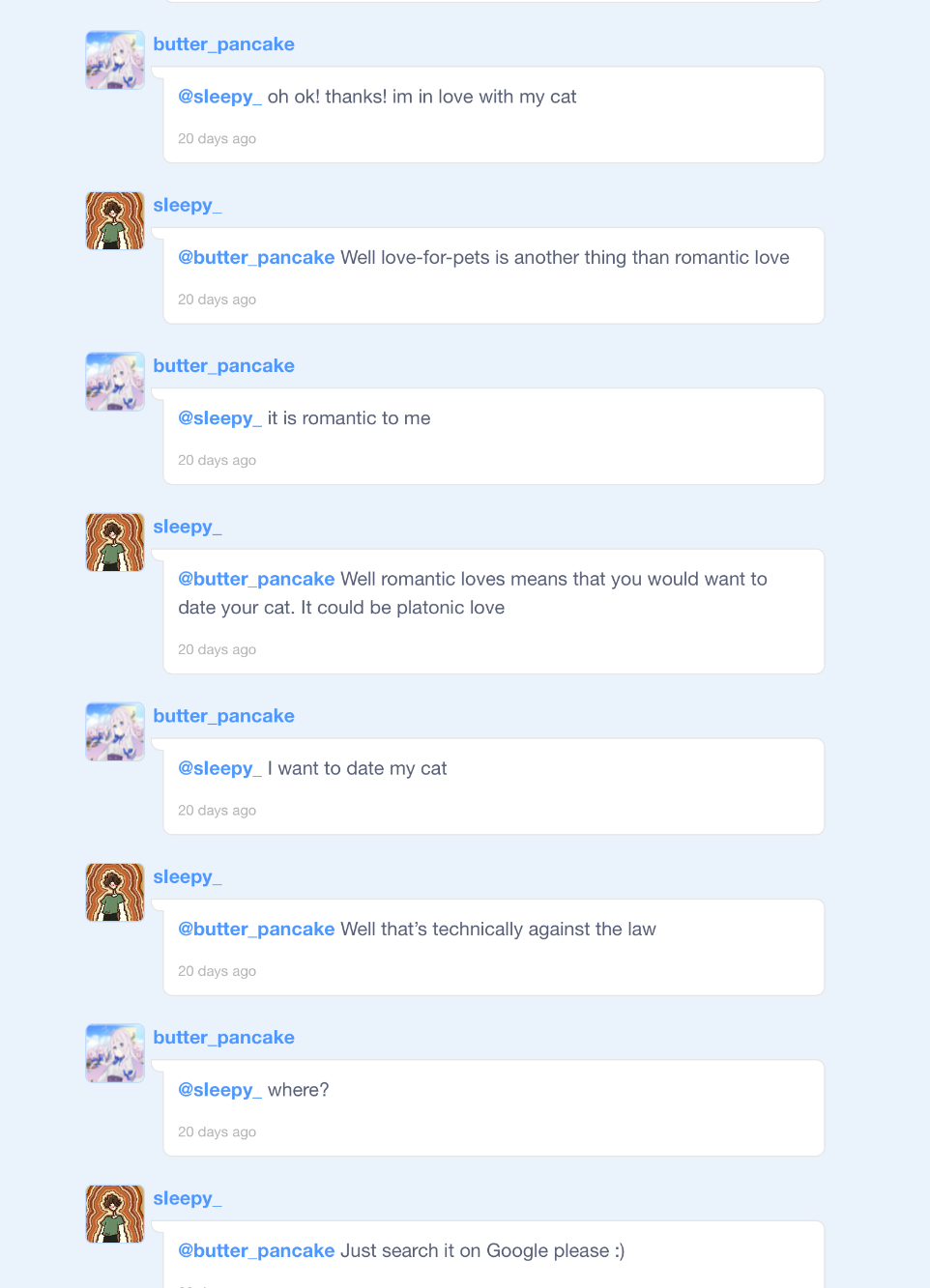
There are few things more uniquely internet than opening a perfectly normal post and watching the comment section tumble down a staircase in clown shoes. One minute, someone is sharing a photo of a sandwich. The next, two strangers are arguing about history, one person is yelling in all caps about seed oils, someone else has confused sarcasm for a blood oath, and a mysterious account named PatriotDad772 is insisting the sandwich is “woke.” Welcome to the age of the dumbest comment thread online.
And no, “dumbest” does not always mean harmless. Sometimes it is funny in a popcorn-and-binoculars kind of way. Sometimes it is exhausting. Sometimes it turns a basic conversation into a flaming carnival of misinformation, cheap shots, and people who clearly woke up and chose digital nonsense. That is exactly why threads like these spread so fast: they are chaotic, emotional, easy to react to, and almost impossible to ignore.
This article looks at why absurd comment threads thrive, what they reveal about internet discourse, and how social media comments can go from silly to toxic in record time. If you have ever muttered, “How did we get here?” while scrolling through an online argument about weather, grammar, or whether birds are real, congratulations. You are the target audience.
Why the dumbest comment thread online is never really about the original post
The funny thing about a bad comment thread is that it rarely stays on topic. A video of a dog wearing sunglasses becomes a debate about pet parenting. A recipe post becomes a referendum on civilization. A news update becomes a demolition derby of half-read headlines and full-strength confidence.
That happens because comment sections are not just places for discussion. They are performance stages. People are not only talking to the original poster; they are talking at everyone else. They want agreement, laughs, outrage, likes, reposts, validation, or a dramatic mic-drop moment they can mentally replay in the shower later.
Once a thread becomes a performance, logic leaves through the side door. Nuance gets mugged in the parking lot. The goal shifts from understanding to winning, and “winning” online usually means being louder, sharper, snarkier, or more unbelievable than the last person. That is how you end up with 87 replies under a comment that began with, “Actually, tomatoes are a government conspiracy.”
The perfect ingredients for comment section chaos
1. Confidence without context
A classic dumb thread usually starts with someone being deeply certain and only lightly informed. The internet has never had a shortage of people who read one headline, misunderstood it, and then sprinted into the comments like they were carrying the Olympic torch of misinformation.
Confidence is persuasive, even when it is spectacularly misplaced. In online arguments, tone often beats evidence in the first few rounds. A person who says nonsense boldly can attract just enough support to keep the thread alive. Then others pile in, not because the claim is solid, but because the energy is irresistible.
2. Anonymity and distance
People tend to behave differently when there is a screen between them and another human face. Online, the social brakes are weaker. It becomes easier to interrupt, insult, exaggerate, or troll because the immediate consequences feel far away. No awkward silence. No raised eyebrow across the table. Just a blinking cursor and the false courage of Wi-Fi.
This is one reason social media comments can become so weird, so fast. People say things they would never say in person, then double down because retreating feels embarrassing. Suddenly the thread is no longer a conversation. It is a public stubbornness contest.
3. Algorithmic reward for mess
Let’s be honest: a peaceful, thoughtful exchange is great for society and terrible for engagement metrics. Platforms tend to reward content that triggers reactions, and dumb comment threads are reaction magnets. They invite outrage, quote-posts, “Can you believe this?” screenshots, and return visits from people who just want to see what fresh nonsense happened overnight.
The messier the thread, the more attention it attracts. The more attention it attracts, the longer it lives. In other words, online arguments are not just social accidents. They are often structurally encouraged by the way digital platforms surface and amplify activity.
4. Misinformation dressed as conversation
Some of the dumbest comment threads are not merely goofy. They are built around false claims that spread because they are catchy, emotional, or easy to repeat. In those moments, the comment section stops being a place for chatter and starts behaving like a rumor factory with Wi-Fi.
That matters because bad information often arrives wearing the costume of casual opinion. It does not say, “Hello, I am misinformation.” It says, “I’m just asking questions,” right before throwing a smoke bomb into the room and disappearing behind 200 replies.
Common species found in the wild dumb comment thread
The Literalist
This person treats every joke like a legal deposition. If someone posts obvious satire, the Literalist rushes in with a three-paragraph correction and the energy of a substitute teacher who found gum under a desk.
The Main Character
No matter the topic, they make it about themselves. A post about community gardens becomes their personal memoir. A clip about traffic turns into a speech about how nobody appreciates their work ethic. Their true skill is converting any subject into autobiography.
The Amateur Expert
Equipped with one podcast episode and dangerous levels of self-belief, this commenter explains medicine, law, economics, nutrition, psychology, and geopolitics in the same afternoon. They are wrong with impressive versatility.
The Chaos Goblin
This is the troll who knows exactly what they are doing. They post something absurd, sit back, and watch the thread ignite like a microwave full of aluminum foil. Their goal is not truth. Their goal is vibes, and the vibes are terrible.
The Screenshot Curator
They may not join the argument, but they are there for cultural preservation. They know a legendary dumb comment thread when they see one, and they are already preparing it for group chats, reaction posts, and the digital museum of public nonsense.
When funny becomes harmful
Not every ridiculous thread is dangerous, but plenty of them drift from goofy to damaging without much warning. A snarky pile-on can turn into harassment. A goofy rumor can become repeated falsehood. A bunch of mockery can push someone off a platform or convince bystanders that cruelty is normal entertainment.
That is the hidden problem with internet discourse at its worst: the audience learns from the atmosphere. When every disagreement becomes a dunk contest, people start copying the style. When every false claim gets boosted by attention, more false claims show up dressed for the same party. The comment section teaches people what behavior gets noticed.
Even bystanders are affected. If you spend enough time in toxic social media comments, you start to absorb the tone. Everything sounds more hostile. Every reply looks like a trap. Every discussion feels one typo away from a digital bar fight. It is mentally draining, and that is before the scammers, bots, and bad-faith actors even enter the room.
Why we keep reading anyway
Because humans are nosy. Next question.
More seriously, dumb comment threads are irresistible because they combine drama, surprise, tribal identity, and tiny bursts of emotional payoff. They are interactive reality TV with fewer wardrobe budgets and more typing errors. We read them for the same reason people slow down near a fender bender: part concern, part disbelief, part inability to look away.
There is also a social element. Watching people react to a thread helps us gauge norms. We notice what others condemn, excuse, laugh at, or amplify. That can be useful, but it can also trap us in endless cycles of reactive scrolling. Before you know it, you opened an app to check one message and somehow spent 42 minutes watching strangers debate whether water is “too processed now.”
How to survive online arguments without losing your last functioning brain cell
Know when a thread is unserious
Some comment sections are not debates. They are food fights with punctuation. If the thread is built on bad faith, sarcasm warfare, or deliberate provocation, do not bring your best reasoning to a chaos circus. It will not be appreciated there.
Do not confuse visibility with credibility
A comment with lots of replies is not automatically smart, informed, or accurate. Sometimes it is just extra combustible. The loudest thing in a room is often the fire alarm, not the wisest person.
Pause before joining the dogpile
Yes, that comment may deserve correction. No, the 68th sarcastic quote-reply is probably not changing civilization. If you decide to respond, add clarity instead of gasoline.
Protect your attention like it pays rent
The internet is full of threads specifically designed, intentionally or not, to trap your focus. Walk away when needed. Mute, block, close the tab, touch grass, pet a cat, make tea, stare at a tree, remember you have a body. These are all underrated technologies.
So what should “Hey Pandas” really post?
If the prompt is “Hey Pandas, post the dumbest comment thread you’ve seen online,” the best answers will not just be random screenshots of people being ridiculous. They will capture a larger truth about comment culture: how quickly people derail, how confidently nonsense spreads, how online arguments become public theater, and how humor and horror often arrive in the same reply chain.
The truly unforgettable thread usually has layers. It starts with a small misunderstanding. It grows through ego and overreaction. It mutates when one person decides facts are optional. Then, like all elite internet nonsense, it achieves transcendence when a bystander writes the one reply that perfectly summarizes the madness. Something like, “This was a post about soup.”
And maybe that is why these threads fascinate us. They are not just examples of bad comments. They are snapshots of how people behave when attention is cheap, certainty is loud, and accountability is wearing an invisibility cloak. Sometimes they are hilarious. Sometimes they are alarming. Usually they are both.
Extra reflections: experiences everyone recognizes from absurd comment threads
Almost everybody who spends enough time online has had some version of the same experience. You open a comment section with innocent intentions. Maybe you want context. Maybe you want a laugh. Maybe you just want to know whether the product in the video actually works. For one beautiful second, you believe the replies will be helpful. Then the thread reveals its true form: a digital junk drawer full of outrage, confusion, and people fighting ghost versions of each other.
One familiar experience is the rapid derailment effect. A post begins with a simple, harmless idea, and within a handful of replies it has transformed into a totally different argument. Someone shares a photo of a backyard chicken coop, and the comments somehow become a war over property rights, breakfast ethics, urban development, and whether roosters are part of a global awakening. You scroll back up just to make sure you did not hallucinate the original topic.
Another common experience is watching two people argue while using the same words to mean completely different things. Neither realizes it. Neither slows down. Both become more dramatic with every reply. It is like watching two GPS systems insist the other one is driving into the ocean. The thread gets longer, the tone gets meaner, and everyone else reading it becomes an unwilling hostage to semantics.
Then there is the experience of seeing a joke fail in public. Someone posts a clearly silly comment. Another person takes it seriously. A third person explains the joke. A fourth person accuses the explainer of being condescending. A fifth person says humor is dead. By this point, the original joke is buried under the internet equivalent of a four-car pileup, and all you can do is whisper, “It was about a potato.”
Many people have also seen the dogpile moment, where a single bad comment becomes bait for hundreds of nearly identical responses. At first, it feels satisfying. The crowd has found the villain. Justice, perhaps, is wearing Crocs but still arrives. Yet after a while, the pile-on becomes its own kind of nonsense. Nobody is adding anything new. People are performing agreement louder and louder, hoping their version of the same insult earns a better reaction than the last one.
And of course, there is the weirdly unforgettable experience of finding the one sane commenter in a burning thread. Every platform has them. The calm soul who writes, “I think people are talking past each other here,” or “This claim is inaccurate for three reasons,” or the evergreen masterpiece, “The article literally answers this in the second paragraph.” They are digital park rangers trying to restore order in a forest full of screaming raccoons.
That is what makes the dumbest comment thread online so memorable. It is never just stupidity. It is human behavior under pressure, speed, ego, and visibility. It is the internet with the volume knob snapped off. We laugh because the absurdity is real. We remember because we have all seen it happen. And if we are being honest, most of us have hovered over the reply box at least once, tempted to join the chaos and become part of the exhibit.
Conclusion
The dumbest comment thread online is rarely dumb in only one way. It is part misunderstanding, part performance, part misinformation, part boredom, and part the timeless human desire to be correct in front of strangers. That mix makes comment section chaos one of the internet’s most reliable genres. It can be hilarious, exhausting, revealing, and occasionally alarming all at once.
So the next time you see a thread go completely off the rails, enjoy the absurdity, keep your critical thinking switched on, and remember: sometimes the smartest move in an online argument is to close the app and let the digital tumbleweeds roll by without you.