Weighted blankets used to look like something you would hide in a guest-room closet: useful, heavy, and not exactly winning any beauty contests. Then Bearaby came along with its chunky-knit Nappers, and suddenly a weighted blanket could sit proudly on your couch like it had its own interior designer. But good looks are one thing. The real question is simple: are Bearaby weighted blankets actually worth the money?
This review-style guide breaks down what Bearaby does differently, who should consider buying one, what real reviewers tend to praise, where the complaints show up, and whether the price makes sense compared with more traditional weighted blankets. Spoiler: Bearaby is not the cheapest option in the weighted blanket aisle. It is, however, one of the most distinctive, breathable, and design-friendly choices for people who want calming pressure without feeling like they are sleeping under a bag of aquarium gravel.
What Is a Bearaby Weighted Blanket?
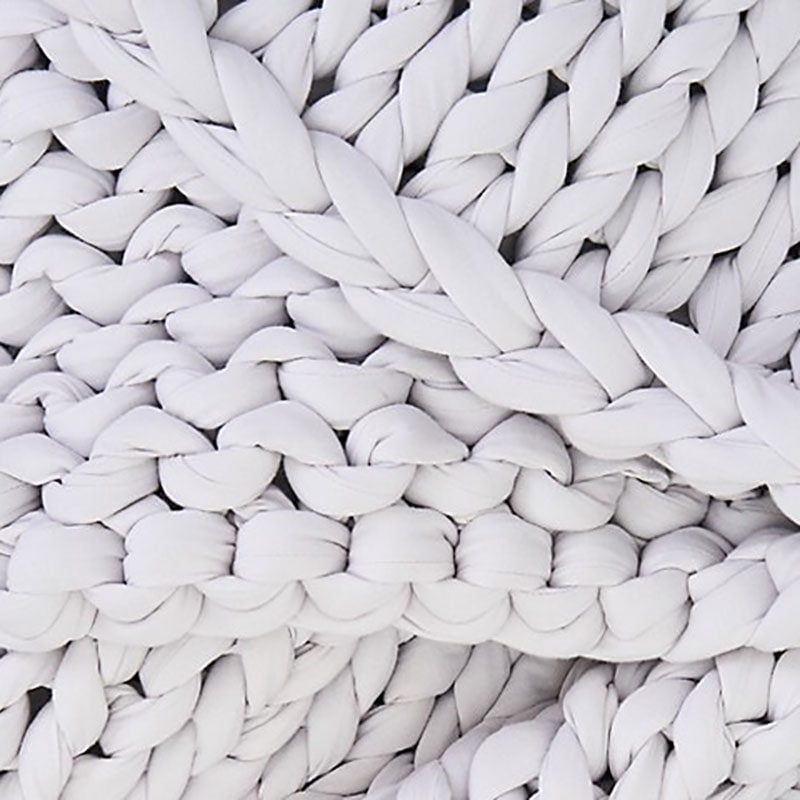
Bearaby is best known for its Napper line of knitted weighted blankets. Unlike many traditional weighted blankets that rely on glass beads, plastic pellets, or layered fill, Bearaby creates weight through thick loops of fabric. The Cotton Napper is made with organic cotton, while the Tree Napper uses TENCEL™ lyocell fibers for a cooler, silkier feel. The brand also offers other versions, including larger bed-sized blankets, kids’ options, travel blankets, and seasonal textures.
The Cotton Napper is the classic Bearaby pick. It has a chunky, open-weave design and comes in multiple weights, commonly including 10, 15, 20, and 25 pounds. Bearaby recommends choosing a blanket close to 10% of your body weight, which is also a common guideline used across the weighted blanket category. If you weigh around 150 pounds, for example, a 15-pound blanket is usually the starting point. If you are between sizes, many shoppers prefer going lighter rather than turning bedtime into amateur powerlifting.
How Bearaby Weighted Blankets Work
Weighted blankets use gentle, evenly distributed pressure often compared to a firm hug. This feeling is commonly called deep touch pressure. The idea is that steady pressure can help the nervous system feel calmer, which may support relaxation, reduce bedtime restlessness, and make it easier for some people to settle down at night.
That said, a Bearaby blanket is not a medical treatment, a cure for insomnia, or a magic sleep spell knitted by cozy wizards. Research on weighted blankets is promising but still limited. Some studies and expert reviews suggest they may help with anxiety and sleep quality for certain people, while other research is more cautious. The most realistic expectation is this: a weighted blanket may become a helpful part of a sleep routine, especially if you already enjoy firm pressure, but it should not replace good sleep habits or professional care for chronic sleep problems.
What Makes Bearaby Different?
1. No beads, pellets, or shifting fill
The biggest difference is construction. Many weighted blankets are filled with tiny beads sewn into quilted pockets. When done well, that design works nicely. When done poorly, the beads shift, clump, or create uneven pressure. Bearaby avoids that issue by using the weight of the knitted material itself. There is no loose fill sliding into one corner like it is trying to escape.
2. Better breathability
The open-knit structure allows air to pass through the blanket. This is one reason hot sleepers often look at Bearaby instead of traditional weighted blankets with thick covers and dense fill. The Cotton Napper is breathable for all-season use, while the Tree Napper is positioned as the cooler option for people who run warm.
3. A design that looks expensive
Bearaby looks like decor, not medical equipment. Draped over a bed or couch, it reads as a chunky knit throw with a calming superpower. For shoppers who care about home aesthetics, this matters. Nobody wants to spend serious money on a blanket only to hide it every time guests come over.
4. Natural-material appeal
Bearaby leans heavily into natural and sustainable materials. The Cotton Napper uses organic cotton, and the Tree Napper uses TENCEL™ lyocell, a fiber often praised for softness and moisture management. For buyers trying to avoid synthetic fill or plastic pellets, this is one of the brand’s strongest selling points.
Bearaby Cotton Napper Review: Best for Most People
The Cotton Napper is the blanket most people mean when they search for Bearaby weighted blanket reviews. It feels substantial but not suffocating. The cotton has a relaxed, broken-in softness, and the chunky loops create an even pressure that feels more flexible than a stiff quilted blanket. You can curl up on the couch, use it during reading time, or sleep under it if the weight feels comfortable for overnight use.
Its best qualities are breathability, style, and even weight distribution. Because there are no beads, there is no crunchy texture, no internal shifting, and no strange sandbag feeling. The blanket also looks great in neutral bedrooms, modern apartments, cozy reading corners, and any living room where “I care about wellness” needs to coexist with “I also care about throw-pillow coordination.”
The downsides are equally real. The Cotton Napper is expensive compared with many weighted blankets. It can also be awkward to wash because it is heavy, bulky, and may not fit easily in compact washing machines. Drying can take longer than expected. The open weave may catch toes, fingers, jewelry, pet claws, or the occasional dramatic pajama button. It is durable, but it is not the type of blanket you want to drag across a rough floor or hand to a puppy with ambitious chewing goals.
Bearaby Tree Napper Review: Best for Hot Sleepers
The Tree Napper is Bearaby’s cooler, smoother option. It is made with TENCEL™ lyocell, which gives it a silkier feel than the Cotton Napper. If you like the idea of a weighted blanket but hate waking up warm, the Tree Napper deserves attention. The open-knit construction still helps with airflow, while the fiber itself feels cooler and more fluid against the skin.
Many reviewers describe the Tree Napper as a better match for warm climates, summer lounging, or people who usually kick blankets off at 3 a.m. as if they are fighting a small fabric dragon. It still delivers pressure, but the feel is less cottony and more drapey. The trade-off is price: it usually costs more than budget weighted blankets and may not feel as cozy-warm as someone in a cold bedroom might prefer.
Pros and Cons of Bearaby Weighted Blankets
Pros
- Stylish design: Bearaby blankets look like premium home decor, not hospital bedding.
- No bead fill: The weight comes from the knitted fabric, so there is no internal shifting.
- Breathable structure: The open weave allows better airflow than many traditional weighted blankets.
- Natural materials: Cotton and TENCEL™ options appeal to shoppers avoiding synthetic fillers.
- Good pressure feel: The blanket offers a steady, calming hug-like sensation for many users.
- Multiple weights: Common weight options make it easier to match the blanket to body size and preference.
Cons
- High price: Bearaby is a premium purchase, not a bargain-bin bedtime experiment.
- Bulky washing: Larger weights may be difficult to wash and dry at home.
- Open loops can snag: The knit may catch on toes, fingers, rings, or pet claws.
- Not ultra-plush: If you want fuzzy fleece softness, Bearaby’s texture may feel less cuddly.
- Single-person sizing: Standard Nappers are designed for one person, not full mattress coverage.
Is Bearaby Good for Anxiety and Sleep?
Many people buy Bearaby because they want help relaxing at night. The blanket’s pressure can feel grounding, especially during reading, meditation, TV time, or the anxious pre-sleep hour when your brain suddenly decides to review every awkward thing you said in 2014. For some users, that calming pressure makes it easier to wind down.
However, it is important to keep expectations realistic. Weighted blankets may help some people feel calmer, but they do not work the same way for everyone. If your sleep problems are caused by pain, sleep apnea, severe anxiety, medication effects, or an inconsistent schedule, a blanket alone is unlikely to solve everything. Think of Bearaby as a comfort tool, not a prescription.
How to Choose the Right Bearaby Weight
The most common recommendation is to choose a weighted blanket around 10% of your body weight. Here is a simple guide:
- 10 pounds: Often best for smaller adults, teens, or people who want gentle pressure.
- 15 pounds: A popular middle option for many adults around 120 to 180 pounds.
- 20 pounds: Better for larger bodies or users who already know they enjoy stronger pressure.
- 25 pounds: Best for people who specifically want a heavier feel and can move comfortably underneath it.
A weighted blanket should feel calming, not restrictive. You should be able to shift positions, remove it easily, and breathe comfortably. If you are buying for a child, older adult, pregnant person, or anyone with mobility, respiratory, or circulation concerns, it is smart to ask a healthcare professional before use.
How Does Bearaby Compare With Regular Weighted Blankets?
Compared with traditional glass-bead weighted blankets, Bearaby wins on style, airflow, and fill-free construction. It loses on price and sometimes on easy maintenance. A standard weighted blanket with a removable duvet cover may be easier to wash frequently, and budget models can cost much less. Some people also prefer the flatter, more uniform feeling of a quilted blanket because the pressure is spread through stitched pockets rather than thick loops.
Bearaby is best for shoppers who want their weighted blanket to live in plain sight, breathe better than a dense comforter, and avoid synthetic pellets or beads. A cheaper traditional weighted blanket may be better if you want maximum value, a fuzzy plush feel, or a removable cover that can be washed weekly.
Who Should Buy a Bearaby Weighted Blanket?
Bearaby is worth considering if you are a hot sleeper, a design-conscious buyer, a fan of natural fibers, or someone who dislikes the shifting feel of bead-filled blankets. It is also a strong choice for couch use because it looks attractive and feels comforting without turning your living room into a sleep lab.
It may not be the best choice if you are shopping on a tight budget, want a huge shared blanket for two people, need something ultra-easy to launder, or prefer a fluffy fleece texture. Bearaby is premium, beautiful, and thoughtfully made, but it is not trying to be the cheapest blanket on the internet.
Bearaby Weighted Blanket Experience Notes: What It Feels Like in Real Life
The first thing many people notice about a Bearaby blanket is not the weight. It is the look. The chunky knit has that “effortlessly cozy” style that usually requires a cabin, a candle, and someone pretending not to check email. Place it over a sofa, and it instantly makes the room feel warmer and more intentional. That visual appeal is a big part of the experience because the blanket does not need to be folded away when not in use.
Using it on the couch feels different from using a traditional weighted blanket. Instead of a flat slab of pressure, the Bearaby drapes in soft loops. The weight settles gradually over your lap, shoulders, and legs. During a movie or reading session, it can create a calm, anchored feeling without trapping as much heat as denser blankets. This is especially nice for people who want comfort but dislike the clammy feeling of heavy synthetic bedding.
In bed, the experience depends heavily on choosing the right weight. A too-light Bearaby may feel more decorative than therapeutic. A too-heavy one may feel impressive for ten minutes and annoying by midnight. The sweet spot is a blanket that makes your body exhale without making you feel pinned. For many users, that means the 15-pound size. For others, especially those who prefer lighter pressure, the 10-pound version may be enough.
The open weave is both charming and occasionally inconvenient. It helps with airflow, but it also means the blanket behaves more like a giant knit garment than a smooth comforter. Toes can slip into loops. Rings can catch. Pets may decide the texture is fascinating. If you share your home with a cat who believes every soft object is legally theirs, expect negotiations.
Cleaning is the least glamorous part of the Bearaby experience. The blanket may be machine washable, but “machine washable” does not always mean “fun to wash.” A wet weighted blanket is heavy, and smaller machines may struggle. Drying can take patience. For everyday freshness, many owners use it over clean bedding or reserve it for lounging rather than treating it like a standard blanket that gets washed constantly.
The biggest emotional benefit is routine. Bearaby works best when it becomes part of a wind-down ritual: dim lights, phone away, tea nearby, blanket on lap, nervous system slowly remembering that it is not required to solve the entire universe tonight. The pressure alone may not transform sleep, but combined with better habits, it can make rest feel more inviting.
So, is Bearaby worth it? For the right buyer, yes. It is worth it if you value breathability, natural materials, beautiful design, and a fill-free weighted feel. It is not worth it if you mainly want the lowest price or the easiest laundry day. Bearaby is a premium comfort product, and its value depends on whether you will use it often enough to justify the cost. If it becomes your nightly calm-down companion, the price may feel reasonable. If it becomes a very expensive couch decoration, well, at least it will be a gorgeous one.
Final Verdict: Is Bearaby Worth It?
Bearaby weighted blankets are worth it for people who want a breathable, stylish, natural-material weighted blanket and are willing to pay more for thoughtful construction. The Cotton Napper is the best all-around pick for most users, while the Tree Napper is better for hot sleepers. The brand’s no-bead design is genuinely useful, not just marketing glitter. It helps avoid shifting fill and gives the blanket a distinctive drape.
The price is the main obstacle. Bearaby costs more than many weighted blankets, and maintenance can be a little fussy. But if you want a weighted blanket that feels calming, looks beautiful, and avoids synthetic stuffing, Bearaby earns its reputation. It is not perfect. It is not cheap. But for many sleepers and couch loungers, it is one of the few weighted blankets that feels as good in a living room as it does at bedtime.