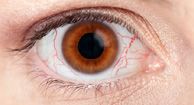
Dry eyes sound like a tiny problem until your eyeballs start feeling like they spent the afternoon rolling around in a sandbox. One minute you are answering emails, reading a book, driving, or scrolling through your phone like a perfectly normal human. The next minute, you are blinking with the determination of a confused owl and wondering why your eyes are burning, watering, stinging, or acting personally offended by the air.
Dry eye disease is a common eye condition that happens when your tears do not provide enough stable lubrication for the surface of the eye. That may mean your eyes do not make enough tears, your tears evaporate too quickly, or the tear film itself is poor quality. The result is irritation, redness, blurry vision, light sensitivity, and that gritty “something is in my eye” feelingeven when nothing is actually there.
The good news? Dry eyes are usually manageable. The slightly annoying news? The right treatment depends on the cause. A person with screen-related dryness may need a different plan than someone with meibomian gland dysfunction, autoimmune disease, allergies, contact lens irritation, or medication-related dry eye. This guide breaks down the most common dry eye causes, symptoms, treatments, prevention habits, and real-life experiences so you can understand what your eyes may be trying to tell youbesides “please stop staring at spreadsheets for six straight hours.”
What Are Dry Eyes?
Dry eyes occur when the tear film covering the front surface of your eyes becomes unstable or inadequate. Your tear film is not just plain water. It is a carefully balanced mixture of three main layers: an oily layer, a watery layer, and a mucus layer. Together, these layers keep the eye surface smooth, clear, comfortable, and protected.
The oily layer helps slow evaporation. The watery layer provides moisture and washes away tiny particles. The mucus layer helps tears spread evenly across the eye. When any part of this system misbehaves, the whole operation can fall apart faster than a cheap umbrella in a storm.
Eye care professionals often describe dry eye in two broad categories: aqueous-deficient dry eye and evaporative dry eye. Aqueous-deficient dry eye means the eyes do not produce enough watery tears. Evaporative dry eye means tears evaporate too quickly, often because the oil-producing meibomian glands along the eyelids are clogged or not working properly. Many people have a mix of both types.
Common Symptoms of Dry Eyes
Dry eye symptoms can range from mildly annoying to seriously disruptive. Some people notice symptoms only during screen use, air travel, or windy weather. Others deal with discomfort every day.
Typical dry eye symptoms include:
- Burning, stinging, or scratchy eyes
- A gritty feeling, as if sand or dust is in the eye
- Redness or irritation
- Blurred vision that improves after blinking
- Light sensitivity
- Watery eyes
- Stringy mucus around the eyes
- Eye fatigue, especially after reading or using screens
- Discomfort while wearing contact lenses
- Trouble driving at night
Watery eyes may seem strange in a dry eye article, but it is surprisingly common. When the eye surface becomes irritated, your body may respond by producing reflex tears. These tears are usually watery and unstable, so they do not solve the underlying dryness. It is a little like throwing a bucket of water on a dry garden without fixing the soilit looks dramatic, but the problem remains.
Main Causes of Dry Eyes
Dry eyes can happen for many reasons. Sometimes the cause is obvious, such as sitting under an air vent all day. Other times, the trigger hides in your daily routine, health history, medications, or environment.
1. Aging
Tear production often decreases with age. Adults over 50 are more likely to experience dry eyes, and hormonal changes may also affect tear quality. This does not mean dry eyes are “just part of getting older” and should be ignored. It means your eyes may need more support, just like your knees after attempting one enthusiastic jump squat.
2. Screen Use and Reduced Blinking
When people use computers, phones, tablets, or gaming screens, they tend to blink less often and less completely. Blinking spreads fresh tears across the eye surface. Fewer blinks mean tears evaporate faster, which can lead to burning, blurry vision, and tired eyes. Digital eye strain and dry eyes often travel together like two annoying roommates.
3. Meibomian Gland Dysfunction
The meibomian glands are tiny oil glands along the eyelids. They release oil that helps keep tears from evaporating too quickly. When these glands become blocked or inflamed, the oil layer becomes weak. This is one of the most common causes of evaporative dry eye.
Signs may include crusty eyelids, eyelid tenderness, redness along the lash line, or symptoms that worsen in the morning or after long screen sessions. Warm compresses and eyelid hygiene are often recommended, but persistent cases should be checked by an eye care professional.
4. Environmental Triggers
Dry air, wind, smoke, dust, pollution, air conditioning, heating systems, and high altitude can all worsen dry eyes. Even a hair dryer blowing near your face can make symptoms flare. Your eyes enjoy moisture. They do not enjoy being treated like laundry on a clothesline.
5. Contact Lenses
Contact lenses can contribute to dry eye symptoms, especially when worn for long hours or used in dry environments. Poor lens fit, overwear, sleeping in contacts when not approved, or using the wrong lens solution may also irritate the eye surface.
6. Medications
Some medications can reduce tear production or worsen dryness. These may include certain antihistamines, decongestants, antidepressants, blood pressure medicines, acne medications, hormone therapies, and some glaucoma drops. Never stop a prescribed medication on your own, but do tell your doctor or eye care provider if dry eyes started after a medication change.
7. Medical Conditions
Dry eyes can be linked to autoimmune diseases such as Sjögren’s disease, rheumatoid arthritis, lupus, thyroid eye disease, diabetes, rosacea, allergies, and eyelid inflammation. In these cases, dry eye treatment may need to be part of a broader health plan.
8. Eye Surgery or Procedures
Some people develop temporary or ongoing dry eye symptoms after LASIK, cataract surgery, or other eye procedures. This does not happen to everyone, but it is common enough that eye doctors often evaluate tear health before and after surgery.
How Dry Eyes Are Diagnosed
An eye doctor can diagnose dry eye through your symptoms, medical history, medication list, and an eye exam. They may check how quickly your tears evaporate, whether your eyes produce enough tears, and whether the eye surface shows signs of irritation or damage.
Common tests may include tear break-up time, staining of the eye surface with special dyes, evaluation of the eyelids and meibomian glands, and tear volume testing. These tests help identify whether the problem is low tear production, fast evaporation, inflammation, gland dysfunction, or a combination of factors.
Dry Eyes Treatment Options
The best treatment for dry eyes depends on the cause and severity. Mild dryness may improve with over-the-counter products and lifestyle changes. Chronic or moderate-to-severe dry eye may require prescription medications or in-office procedures.
1. Artificial Tears
Artificial tears are often the first step for mild dry eyes. They help lubricate the eye surface and reduce irritation. Preservative-free artificial tears are commonly recommended for people who use drops frequently, because preservatives can irritate sensitive eyes when used many times per day.
There are different types of artificial tears. Some are watery and light, while others are thicker and longer lasting. Lipid-based drops may help people with evaporative dry eye related to meibomian gland dysfunction. Gels and ointments can provide longer relief, especially overnight, but they may blur vision temporarily.
2. Warm Compresses and Lid Hygiene
Warm compresses can help soften thickened oils in the meibomian glands. Gentle eyelid cleaning may also help reduce debris and inflammation around the lash line. This is especially useful for people with blepharitis or gland dysfunction.
A simple routine might include applying a warm compress for several minutes, gently massaging the eyelids, and cleaning the lid margins with an eye-safe cleanser. The key word is gentle. Your eyelids are not kitchen tiles, so do not scrub them like you are preparing for a home renovation show.
3. Prescription Eye Drops
If dry eye is driven by inflammation, an eye doctor may recommend prescription drops. Options may include cyclosporine, lifitegrast, or short-term steroid drops, depending on the situation. These medications are designed to reduce inflammation, improve tear production, or calm the eye surface.
Prescription treatments often take time to work. Some people notice improvement in weeks, while others need longer. Follow-up appointments are important because dry eye treatment is often adjusted based on response.
4. Punctal Plugs
Punctal plugs are tiny devices placed in the tear drainage openings to help keep tears on the eye surface longer. They may be temporary or longer lasting. This option is usually considered when lubrication and medication are not enough or when tears drain too quickly.
5. Treating Underlying Conditions
If allergies, rosacea, thyroid disease, autoimmune conditions, or eyelid inflammation are contributing to dry eye, treating the underlying issue can make a major difference. Dry eye is sometimes a symptom, not the whole story.
6. Contact Lens Adjustments
For contact lens wearers, treatment may include switching lens materials, changing replacement schedules, using lens-compatible lubricating drops, reducing wear time, or trying specialty lenses. Scleral lenses may help some people with severe dry eye because they create a fluid reservoir over the eye surface.
7. Eye Drop Safety
Eye drops should be used carefully. Avoid touching the bottle tip to your eye, eyelashes, skin, or any surface. Do not share drops. Check expiration dates. If a product looks cloudy, changes color, or causes sudden pain or worsening redness, stop using it and contact a healthcare professional. It is also smart to check safety alerts for recalled or contaminated products, especially when buying eye drops online.
How to Prevent Dry Eyes
You cannot prevent every case of dry eye, but you can reduce many common triggers. Prevention is less about one heroic habit and more about a steady routine that tells your eyes, “Relax, I have a plan.”
Use the 20-20-20 Rule
Every 20 minutes, look at something about 20 feet away for about 20 seconds. This helps reduce screen-related eye strain and reminds you to blink. Bonus: it also gives you a socially acceptable reason to stop staring at your inbox like it owes you money.
Blink Fully and Often
Many people do partial blinks during screen use. Try slow, complete blinks throughout the day. Full blinking spreads tears evenly and supports the oil layer.
Control Indoor Air
Use a humidifier if indoor air is dry. Avoid sitting directly under fans, vents, or heaters. In the car, aim vents away from your face. Your eyes should not be in a wind tunnel unless you are testing aircraft, which you probably are not.
Wear Protective Eyewear
Wraparound sunglasses can help block wind, sun, dust, and dry air outdoors. Protective eyewear may be especially helpful when biking, gardening, skiing, or walking in windy weather.
Stay Hydrated and Support Overall Health
Drinking enough water supports general health, including eye comfort. A balanced diet with healthy fats, fruits, vegetables, and adequate protein may support the body’s normal tear function. Supplements should be discussed with a healthcare professional, especially if you take medications or have health conditions.
Review Medications With Your Doctor
If dry eyes began after starting a new medication, ask your doctor whether dryness could be a side effect. Do not stop taking medication without medical guidance.
Take Contact Lens Breaks
Give your eyes a break from contact lenses when they feel irritated. Follow cleaning and replacement instructions carefully. If lenses frequently feel dry, ask your eye doctor about other lens types or solutions.
When to See an Eye Doctor
Occasional dryness after a long day may improve with simple changes. However, you should schedule an eye exam if symptoms last more than a few days, keep returning, interfere with reading or driving, or require frequent eye drop use.
Seek prompt medical care if you have eye pain, sudden vision changes, significant light sensitivity, thick discharge, injury, chemical exposure, or severe redness. These symptoms may point to something more serious than ordinary dry eye.
Everyday Experiences With Dry Eyes
Dry eyes often show up in ordinary life, which is why many people underestimate them at first. The symptoms may not arrive with dramatic music. They sneak in during normal routines: reading in bed, sitting through a long class, working in an office, driving home at night, flying on a plane, or watching one more episode because the streaming service rudely started the countdown.
One common experience is the “screen spiral.” You sit down to work for an hour. Three hours later, your eyes feel hot, your vision blurs, and you realize you have blinked approximately four times since lunch. In this situation, artificial tears may help, but prevention matters just as much. Moving the screen slightly below eye level, taking visual breaks, blinking fully, and using a humidifier can reduce the daily flare-up.
Another familiar situation is waking up with dry, irritated eyes. This can happen if your eyes do not fully close during sleep, if your bedroom air is dry, or if nighttime tear production is low. Some people benefit from using a lubricating ointment or gel before bed, though these products can blur vision and are best used when you are done reading, driving, texting, and pretending you will go to sleep “in five minutes.”
Contact lens users often describe dry eye as a slow-building discomfort. Lenses may feel fine in the morning but become scratchy by late afternoon. The eyes may look red, and removing the lenses can feel like rescuing a tiny plastic raft from a drought. In these cases, an eye doctor may suggest changing lens materials, reducing wear time, switching solutions, or using rewetting drops approved for contacts.
Seasonal dry eye is also common. Winter heating can make indoor air dry, while spring allergies can inflame the eye surface. Summer fans and air conditioning may feel wonderful for your body but not always for your tear film. Windy fall weather can also trigger symptoms. Many people do best when they adjust their eye care habits by season instead of using the exact same routine all year.
Dry eye can also affect mood and productivity. It is hard to focus when every blink feels like a tiny complaint. People may avoid reading, struggle with computer work, or feel nervous about night driving because their vision fluctuates. This is why dry eye should not be dismissed as a minor annoyance. Comfort matters. Clear vision matters. Being able to read a menu without blinking like a malfunctioning porch light also matters.
A practical dry eye routine does not have to be complicated. Many people start with preservative-free artificial tears, screen breaks, better blinking, warm compresses, and environmental changes. If symptoms continue, an eye exam can identify whether inflammation, gland blockage, allergies, medications, or another condition is part of the problem. The most effective plan is usually personal, not one-size-fits-all.
Think of dry eye management like caring for a houseplant with opinions. Too much wind? It complains. Too little humidity? It complains. Wrong environment? More complaints. But once you understand what it needs, things usually improve. Your eyes are not being dramatic; they are asking for a better surface, better moisture, and maybe a break from the glowing rectangle.
Conclusion
Dry eyes can be caused by aging, screen use, dry environments, meibomian gland dysfunction, contact lenses, medications, health conditions, or eye procedures. Symptoms may include burning, stinging, redness, blurry vision, watery eyes, and a gritty sensation. While mild cases often improve with artificial tears and lifestyle changes, persistent dry eye deserves professional evaluation.
The best dry eye treatment focuses on the cause. That may mean preservative-free eye drops, warm compresses, eyelid hygiene, prescription medication, punctal plugs, contact lens changes, or treatment for an underlying condition. Prevention also plays a big role: blink more often, take screen breaks, control indoor air, protect your eyes outdoors, and avoid direct airflow.
Dry eyes are common, but they are not something you have to simply tolerate. With the right habits and medical guidance when needed, your eyes can feel calmer, clearer, and far less like they just attended a desert survival workshop.
Note: This article is for general educational purposes only and is not a substitute for diagnosis, treatment, or personalized advice from an eye doctor or qualified healthcare professional.