Flat Packables from Tokyo sounds like the name of a tiny design shop hidden on the third floor of a quiet backstreet building, the kind of place where the doorbell is polite and even the cardboard boxes seem well-mannered. In reality, the phrase captures something much bigger than a single product line: a Japanese design attitude that turns flat sheets, compact packages, and humble materials into useful objects with personality.
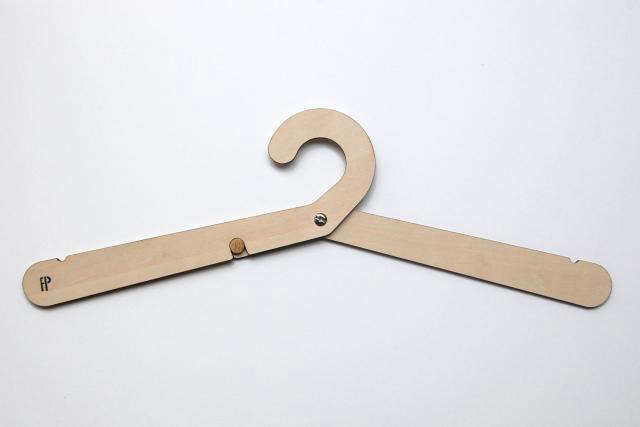
At the center of this story is Flat Packables, a Tokyo-based design concept associated with designer Yu Ito, known for lightweight plywood accessories that ship flat, assemble easily, and feel far more charming than their simple parts suggest. Think folding travel hangers, small phone stands, tealight holders, and decorative pieces that arrive as slender, laser-cut sheets and become three-dimensional objects with a few satisfying motions. No wrestling match with mystery screws. No emotional support hotline required.
But Flat Packables from Tokyo is not just about clever packaging. It belongs to a wider design tradition shaped by compact living, efficient shipping, Japanese woodworking, origami logic, minimalist interiors, and the belief that everyday objects should earn their place. In a world where closets are crowded, apartments are shrinking, and online orders travel farther than some people’s summer vacations, flat-packable design feels less like a trend and more like common sense wearing a very nice linen shirt.
What Are Flat Packables?
Flat Packables are small, functional objects designed to be stored, shipped, or carried in a flat form before being assembled into useful shapes. Unlike ordinary flat-pack furniture, which often involves bolts, Allen keys, and mild existential dread, these Tokyo-inspired pieces focus on elegance and interaction. The user becomes part of the design process, turning a sheet of material into a finished object through slots, folds, interlocking joints, or friction-fit construction.
Yu Ito’s Flat Packables were especially memorable because they applied industrial design thinking to everyday accessories. The objects were laser-cut from plywood, hand-finished, and designed to reduce bulk without reducing delight. A phone stand could be less than a centimeter thick when stored. A travel hanger could slip into luggage without behaving like a wire octopus. A tealight holder could become a tiny architectural moment on a desk, shelf, or bedside table.
The magic is in the transformation. A flat piece becomes a useful object. A product becomes an experience. A small purchase becomes a miniature design lesson. That is the difference between flat-packed and thoughtfully flat-packable.
Why Tokyo Is the Perfect Home for Flat-Packable Design
Tokyo is one of the world’s great laboratories for compact living. The city’s homes, shops, train stations, restaurants, and offices often reward objects that are slim, stackable, foldable, and adaptable. Space is not wasted because space is expensive, precious, and occasionally smaller than an American walk-in closet’s ego.
This environment encourages a practical kind of creativity. Japanese design often treats limitations as invitations. Small apartments inspire modular storage. Narrow entryways encourage foldable accessories. Dense urban life rewards objects that can be carried easily, stored neatly, and used without fuss. Flat Packables fit naturally into this setting because they understand the quiet luxury of not taking up more room than necessary.
Tokyo also has a strong culture of detail. Packaging is considered. Materials are respected. Small objects are not automatically treated as disposable. This is why a tiny plywood phone stand can feel more meaningful than a bulky plastic gadget. It is not trying to shout. It is trying to work beautifully, then disappear politely when the job is done.
The Design Philosophy: Less Bulk, More Thought
The best flat-packable objects are not merely flattened versions of regular objects. They are designed from the beginning around the idea of transformation. Every notch, edge, slot, and curve has a job. If a piece interlocks, the joint must be strong enough to hold. If it folds, the motion must feel intuitive. If it ships in a small box, the packaging must protect the object without turning into a cardboard lasagna.
Flat Packables from Tokyo reflects several key principles that make Japanese compact design so appealing:
1. Efficiency Without Coldness
Some efficient products feel like they were designed by a spreadsheet having a bad day. Flat Packables avoid that trap. They are practical, yes, but they also have warmth. Plywood brings grain, texture, and natural variation. Hand-finishing adds softness. The result is efficient without feeling sterile.
2. User Participation
Flat-packable design invites the owner to complete the object. This small act changes the relationship between product and user. When you assemble a piece yourself, even in ten seconds, you notice how it works. You understand the logic. You are less likely to treat it like random clutter because you helped bring it into form.
3. Compactness as Beauty
In many product categories, compactness is treated as a compromise. A smaller version is often weaker, flimsier, or less attractive. Tokyo-style flat-packable design flips that idea. The compact form is not a downgrade; it is the point. The object is beautiful because it solves the problem cleanly.
4. Material Honesty
Flat Packables often rely on plywood, a material that is strong, lightweight, and visually honest. You can see the layers. You can understand the structure. The object does not pretend to be marble, chrome, or something with a luxury name invented by a marketing department after too much espresso.
Popular Types of Flat-Packable Products
The idea behind Flat Packables from Tokyo can apply to many categories, from home goods to travel accessories. The most successful examples usually share three qualities: they are lightweight, easy to assemble, and genuinely useful.
Flat-Packable Travel Hangers
A folding travel hanger is one of those objects that sounds unnecessary until you need one. Hotels never seem to provide enough hangers, and the ones they do provide are sometimes trapped on the closet rod like tiny hostages. A flat-packable hanger solves the problem by slipping into a suitcase and opening only when needed. It is perfect for shirts, lightweight jackets, scarves, or any garment you do not want to drape over a chair like a defeated flag.
Flat-Packable Phone Stands
A slim wooden phone stand is simple, but surprisingly useful. It can hold a phone on a desk, nightstand, kitchen counter, or hotel room table. The flat-pack version is especially attractive because it stores almost like a bookmark. For travelers, students, remote workers, and serial video-call survivors, that little stand can turn a random surface into a mini workstation.
Flat-Packable Tealight Holders
The Hibachi-style tealight holder shows the poetic side of flat-packable design. It is not a survival tool. It will not organize your tax documents or solve your inbox problem. It simply turns flat plywood pieces into a small atmospheric object. That matters because good design is not only about efficiency; it is also about creating moments of pleasure.
Flat-Packable Vases and Decorative Objects
Flat-packable vases, such as fin-style designs, often use interlocking ribs or slotted panels to create volume from thin material. These pieces are especially interesting because they play with the boundary between sculpture and utility. They prove that flat-pack design does not have to be plain. It can be architectural, expressive, and a little theatrical in the best way.
How Flat Packables Compare With Traditional Flat-Pack Furniture
When most Americans hear “flat pack,” they think of furniture: bookcases, tables, desks, and cabinets that arrive in boxes and require assembly. Traditional flat-pack furniture changed global retail because it reduced shipping volume, simplified storage, and allowed customers to transport large products more easily. That model works beautifully at scale, but it can also feel impersonal.
Flat Packables from Tokyo operates at a more intimate scale. Instead of a full bookcase, imagine a travel hanger. Instead of a dining table, imagine a phone stand. The assembly process is not a weekend project; it is a small gesture. There are fewer parts, less frustration, and more emphasis on touch, proportion, and cleverness.
The difference is like comparing a moving truck to a bento box. Both involve organization, but one is trying to relocate your couch while the other is trying to make lunch feel like a small miracle.
Why Flat-Packable Design Matters Today
Flat-packable design feels especially relevant now because modern life is increasingly mobile. People move apartments, work remotely, travel often, and buy products online. At the same time, many consumers are more aware of packaging waste, shipping emissions, and the environmental cost of oversized products.
A flat-packable object can help reduce unnecessary volume in storage and shipping. Smaller packages can be easier to mail, easier to stock, and easier to carry. For the customer, that means less wasted space at home. For brands, it means products can be designed with logistics in mind from the start. For the planet, it is at least a step toward more thoughtful consumption, assuming we do not immediately buy seventeen of everything because they fit in a drawer. Self-control remains annoyingly non-flat-packable.
Flat Packables also respond to the emotional side of ownership. Many people are tired of cheap, forgettable objects that break quickly or look dated after one season. A well-made flat-packable accessory can feel timeless because its value comes from function, material, and interaction rather than trendiness.
Japanese Minimalism and the Art of “Just Enough”
Japanese minimalist design is often misunderstood as empty rooms and beige everything. In reality, it is more about balance, intention, and reducing friction in daily life. The goal is not to own nothing. The goal is to own things that make sense.
Flat Packables from Tokyo expresses this “just enough” philosophy beautifully. A phone stand does not need electronics, branding, or a heroic product name. It needs to hold a phone at the right angle. A travel hanger does not need to look like luggage jewelry. It needs to fold flat and support clothing. A tealight holder does not need to dominate a room. It needs to create a warm glow and then tuck away neatly.
This approach is refreshing because it respects the user’s attention. The object is not begging to be noticed every second. It is there when needed, pleasing when used, and quiet when stored.
Materials: Why Plywood Works So Well
Plywood is an ideal material for many flat-packable designs because it offers strength in thin sections. Its layered structure resists splitting better than some solid woods, and it can be cut precisely with digital fabrication tools. When sanded and finished properly, plywood also has a warm, tactile quality that feels more inviting than many plastics.
Laser cutting allows designers to create accurate slots, curves, and interlocking shapes. However, technology alone does not guarantee good design. A laser cutter can produce brilliant objects or very crisp mistakes. The success of Flat Packables lies in using digital tools thoughtfully, then pairing them with hand-finishing and careful proportions.
That combination of precision and craft is important. It prevents the product from feeling like a prototype. The object may be simple, but simplicity only works when the details behave.
How to Use Flat-Packable Design in Your Own Home
You do not need to live in Tokyo to appreciate flat-packable thinking. In fact, the average American home could benefit from a few Tokyo-style habits, especially in entryways, offices, guest rooms, and travel kits.
Choose Objects That Store Thin
Look for items that collapse, fold, nest, or hang flat when not in use. This could include folding hangers, collapsible crates, slim laptop stands, stacking trays, or foldable side tables. The goal is not to make your home look like a showroom. The goal is to make your home stop arguing with you.
Think About the “In-Between” Moments
Flat-packable products are great for temporary needs: guests staying over, working from a café, packing for a trip, drying a shirt in a hotel, or creating a small display for flowers. These are the moments when bulky permanent solutions feel excessive.
Prioritize Materials You Want to Touch
A compact object is more satisfying when it feels good in the hand. Wood, fabric, metal, and durable recycled materials can add pleasure to small routines. If an object is going to live in your bag, drawer, or desk tray, it should not feel like it escaped from a bargain bin during a thunderstorm.
Buy Fewer, Better Small Things
Because flat-packable objects are often small, it is tempting to collect too many. Resist the urge. The real lesson from Tokyo design is not “buy tiny things.” It is “choose useful things carefully.” A drawer full of clever objects is still a drawer full of clutter if none of them earn their keep.
Flat Packables as Gifts
Flat-packable objects make excellent gifts because they are easy to ship, easy to wrap, and often surprising. A flat wooden phone stand looks modest in the package, then becomes something useful. A small tealight holder feels thoughtful without being overly personal. A folding travel hanger is practical enough for frequent travelers and charming enough for design lovers.
They are also a good alternative to the usual gift suspects: candles that smell like fictional forests, mugs with suspiciously aggressive slogans, and novelty desk toys that become landfill with Wi-Fi. A well-designed flat-packable gift says, “I noticed you like useful things,” which is a surprisingly elegant message.
What Brands Can Learn From Flat Packables from Tokyo
For product designers, retailers, and e-commerce brands, Flat Packables offers several lessons. First, packaging should be part of the design process, not an afterthought. A product that ships efficiently but assembles poorly is not a success. Second, small objects deserve the same design care as large ones. Third, user interaction can create emotional value.
Brands often spend heavily on branding while ignoring the moment when the customer actually opens, touches, and assembles the product. Flat-packable design makes that moment central. The unboxing is not just presentation; it is the beginning of use. When done well, assembly becomes satisfying rather than annoying.
This matters in online retail, where customers cannot touch the product before buying. A flat-packable object must communicate trust through photos, materials, instructions, and reviews. If the experience feels intuitive, the product becomes memorable. If it feels confusing, it becomes a cautionary tale with free shipping.
Experiences Related to Flat Packables from Tokyo
The best way to understand Flat Packables from Tokyo is to imagine a day built around compact decisions. You are packing for a short trip, and instead of tossing random accessories into your bag like a raccoon preparing for business school, you choose objects that behave. A slim travel hanger slides into the side pocket. A flat phone stand fits between a notebook and a passport. A small wooden tealight holder, if you are feeling poetic or mildly dramatic, tucks into a pouch for a weekend cabin table.
At the hotel, the hanger becomes useful immediately. There is one closet, three hangers, and one of them appears to be decorative in the emotional sense only. Your flat-packable hanger opens in seconds and holds tomorrow’s shirt. It is not glamorous, but neither is ironing at midnight while questioning your life choices. This is where compact design shines: not in a showroom, but in the ordinary rescue mission of daily life.
Later, the phone stand earns its place. On a tiny desk, it turns your phone into a clock, recipe screen, video-call tool, or travel planner. Because it is wooden and simple, it does not make the room feel more cluttered. It has the visual manners of a pencil, not the neediness of a gadget. You notice that good design often works this way. It does not demand applause. It simply makes the next thing easier.
Back home, the same objects return to flat form. They do not need a drawer empire. They do not sprawl across shelves. They wait. That waiting is part of their usefulness. A flat-packable product respects the time between uses, which is something many household objects never learned. The waffle maker, for example, remains confident it deserves prime cabinet real estate despite working three Sundays a year.
Flat Packables from Tokyo also changes how you look at souvenirs and home accessories. Instead of buying bulky objects that are charming for ten minutes and inconvenient forever, you begin to appreciate items with transformation built in. A vase that assembles from ribs, a lamp shade that folds, a tray that stores flat, a bag that disappears into its own pocketthese objects carry a little story. They remind you that design can be clever without being loud.
There is also a subtle pleasure in assembling something small by hand. Modern life often hides the structure of things. Devices are sealed. Software updates itself. Furniture arrives half-mysterious and fully annoying. Flat-packable design gives back a bit of understanding. You see how the slot holds the tab. You feel the friction of the joint. You understand why the object stands. That tiny act of assembly makes the product feel less disposable.
For small apartments, dorm rooms, studios, guest bedrooms, and home offices, the lesson is especially useful. You do not need more space as much as you need smarter objects. A flat-packable mindset encourages you to ask better questions before buying: Where will this live when I am not using it? Can it serve more than one purpose? Is it light enough to move? Is it made from a material I will still like next year? Does it solve a real problem, or did the product photo just catch me at a vulnerable moment?
In that sense, Flat Packables from Tokyo is more than a product category. It is a small philosophy for living with less friction. It celebrates objects that arrive quietly, assemble gracefully, work honestly, and store without drama. That may sound modest, but modest design has a way of improving daily life one small object at a time.
Conclusion
Flat Packables from Tokyo captures the charm of Japanese compact design at its best: practical, poetic, lightweight, and deeply considered. From plywood phone stands to travel hangers and tealight holders, these objects show how flat sheets can become useful companions through smart engineering and warm materials.
The larger lesson is simple: good design does not need to be big to be meaningful. Sometimes it arrives flat, fits in a small box, assembles in seconds, and quietly improves your day. In a world full of bulky products and overcomplicated solutions, that feels wonderfully refreshing. Tokyo may be famous for neon skylines and crowded trains, but its most enduring design wisdom might be this: make things useful, make them beautiful, and please, for everyone’s sanity, make them easy to store.
Note: This article is based on publicly available information about Flat Packables, Yu Ito, Japanese compact living, flat-pack product design, and modern space-saving design trends.