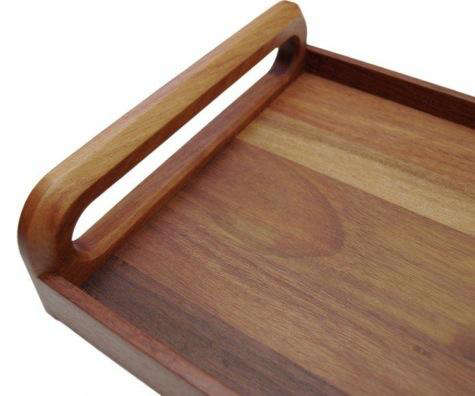
Gift Trays from Gregory Buntain are the kind of tabletop objects that make a person stop mid-sentence, tilt their head, and say, “Wait, where did you get that?” In a world crowded with disposable décor, glossy serving pieces, and hostess gifts that often end up in the back of a cabinet, these trays stand out for a quieter reason: they feel considered. They are simple, functional, handsome, and rooted in the warmth of real wood.
Originally spotlighted as a design-minded tabletop find, Gregory Buntain’s Gift Trays were described as identical in design but naturally unique depending on the salvaged hardwood used. That single idea says almost everything worth knowing about them. The shape may be disciplined, but the material does the storytelling. One tray might carry darker grain, another might show honeyed warmth, and another might have the rich, lived-in character that only reclaimed wood can offer. It is the rare gift that feels both useful and personal without trying too hard.
Who Is Gregory Buntain?
Gregory Buntain is best known as the principal designer behind Fort Standard, a Brooklyn-based design studio associated with contemporary American craft, natural materials, and carefully engineered furniture and home objects. His background in industrial design, woodworking, fabrication, and furniture production explains why even a small object like a tray can feel architectural. He approaches design with the eye of someone who understands both the drawing board and the workshop floor.
That matters because trays are deceptively difficult objects. A good serving tray cannot merely be pretty. It has to be balanced in the hand, strong enough to carry glasses or appetizers, attractive enough to leave out on a table, and understated enough not to boss the entire room around. Buntain’s work often sits in that sweet spot between modern restraint and material richness. His Gift Trays follow the same logic: clean lines, useful proportions, and enough craft detail to reward a closer look.
Why These Gift Trays Still Feel Relevant
The phrase “gift tray” sounds charmingly modest, almost old-fashioned. Yet that is exactly why Gregory Buntain’s version feels so appealing today. Modern homes need objects that can multitask. A tray can serve drinks, organize a coffee table, hold candles, gather perfume bottles, frame a small breakfast, or turn a messy stack of remotes into something that looks intentional. It is the household equivalent of a blazer: throw it over almost anything, and suddenly the situation looks more polished.
What gives these trays staying power is the use of salvaged hardwood. Reclaimed and salvaged woods have natural variations that new, heavily processed materials often lack. Grain lines, color shifts, and small irregularities create visual depth. Instead of hiding the past life of the material, the tray celebrates it. That quality makes each piece feel less like a mass-produced accessory and more like a small piece of functional sculpture.
A Simple Design With Personality
The best tabletop design does not shout across the room. It quietly improves the way a room works. Gregory Buntain’s Gift Trays seem to follow that principle. Their appeal is not based on decoration for decoration’s sake. The design is restrained, allowing the wood to be the main character. This is especially important in tabletop styling, where too many competing textures can make a table look like it is auditioning for a reality show called Extreme Centerpiece Panic.
Because the design remains consistent while the wood changes, each tray balances predictability and surprise. The buyer knows the basic form, but the finished object carries its own material fingerprint. That makes the tray feel custom without becoming fussy.
Tabletop Style: How to Use a Gregory Buntain Gift Tray
A well-made wooden tray is one of the easiest tabletop upgrades because it creates a defined zone. Instead of scattering objects across a surface, a tray gathers them into a composition. That little boundary makes a coffee table, console, dining table, or kitchen counter look finished rather than accidental.
On a Coffee Table
Place the tray slightly off-center and use it to hold a small stack of books, a low vase, a candle, and one personal object such as a stone, match striker, ceramic bowl, or travel souvenir. The goal is not to fill every inch. Let the wood breathe. A salvaged hardwood tray already has movement in the grain, so overcrowding it can flatten its charm.
For Entertaining
As a serving tray, it works beautifully for cocktails, sparkling water, small plates, cheese knives, linen napkins, or after-dinner coffee. Wood softens the formality of glassware and metal utensils, making a gathering feel warm rather than staged. It is especially good for casual entertaining, where the host wants the table to look special without making guests afraid to touch anything.
In the Entryway
A tray near the front door can hold keys, sunglasses, mail, and a small dish for coins or earbuds. This is the glamorous side of practical design: it admits that real life includes clutter, then gives that clutter a better address.
In the Bedroom or Bathroom
On a dresser, a wooden tray can organize fragrance bottles, jewelry, watches, or a small lamp. In a bathroom, it can hold folded hand towels, soap, a candle, or a small vase. The natural texture of wood adds warmth to stone, tile, and ceramic surfaces.
Why Salvaged Hardwood Makes the Gift Feel Special
There is something emotionally satisfying about giving an object made from salvaged hardwood. It suggests resourcefulness, craft, and permanence. Unlike trendy décor that may feel dated by next season, wood has a way of aging gracefully. Scratches and patina do not necessarily ruin it; they become part of its biography.
For gift-giving, that is a major advantage. A wooden tray does not depend on knowing someone’s exact shoe size, favorite scent, or whether they secretly hate the color orange. It is practical enough for almost any home and refined enough to feel personal. This makes it a strong choice for housewarming gifts, wedding gifts, holiday presents, client gifts, and hostess gifts.
Salvaged hardwood also helps each tray avoid the sterile sameness of factory-perfect goods. The natural variation means two trays can share the same silhouette but carry different tones and grain patterns. That gives the recipient something distinctive without requiring monograms, novelty sayings, or any unfortunate phrase like “Live, Laugh, Lasagna.”
Gift Trays as Modern Hostess Gifts
The best hostess gifts are useful, beautiful, and not secretly a chore. A complicated gadget may require instructions. Flowers need a vase. Dessert can be wonderful, unless the host already made three pies and is now politely smiling through pastry overload. A tray, however, slides easily into the rhythm of a home.
Gregory Buntain’s Gift Trays fit especially well into the modern hostess gift category because they are elevated but not loud. They can be dressed up with a bottle of olive oil, a linen tea towel, handmade jam, cocktail bitters, or a set of small tumblers. For a dinner party, you could present the tray with cheese, fruit, and crackers arranged on parchment. After the food is gone, the tray remains. That is the magic trick.
Gift Pairing Ideas
For a kitchen lover, pair a wooden tray with a small ceramic salt cellar, a good bottle of finishing oil, and a folded linen towel. For someone who enjoys cocktails, add two lowball glasses, citrus, and a bottle opener. For a new homeowner, style it with a candle, matches, and a handwritten note. The tray becomes the foundation of the gift, making even simple items feel curated.
Design Analysis: What Makes the Tray Work?
At first glance, a tray seems basic: flat surface, raised sides, handles. But the details decide whether it feels elegant or awkward. Proportion is everything. If a tray is too deep, it becomes a box. If it is too shallow, objects slide around like they are trying to escape. If the handles are clumsy, the user notices them every time the tray is lifted. If the wood is too heavily finished, it loses the tactile warmth that made it attractive in the first place.
Buntain’s design language tends to respect material honesty. His furniture and home goods often emphasize structure, proportion, and the relationship between traditional craft and modern production. Applied to a tabletop tray, that philosophy creates an object that feels refined but not precious. It is not merely a decorative rectangle. It is a small tool for living better.
The Beauty of Restraint
One reason minimalist design remains powerful is that it leaves room for everyday life. A highly decorative tray might look wonderful in one specific room but strange everywhere else. A simple hardwood tray can move from kitchen to living room to bedroom without visual drama. It complements ceramics, glass, brass, linen, marble, and even more casual materials like enamelware or woven baskets.
This flexibility is important for buyers who want long-lasting home accessories. A tray should not demand a complete design commitment. It should adapt as the home changes, quietly making itself useful year after year.
How to Style the Tray Without Overthinking It
Start with three elements: height, texture, and purpose. Height might come from a small vase or candlestick. Texture might come from linen napkins, ceramics, or fruit. Purpose comes from whatever the tray is actually doing: serving, organizing, displaying, or anchoring a tablescape.
For a calm look, use a limited palette. A dark hardwood tray pairs beautifully with white ceramics, clear glass, and soft beige linens. A lighter wood tray works well with black accents, smoked glass, or greenery. If the tray has a dramatic grain pattern, keep the objects on top simple. If the wood is quieter, you can introduce more contrast through colorful fruit, patterned napkins, or sculptural pottery.
Seasonal Styling Examples
In fall, use the tray for pears, walnuts, amber glass, and a small beeswax candle. During the holidays, add greenery, ornaments in a shallow bowl, and a stack of cocktail napkins. In spring, style it with a bud vase, pale ceramics, and fresh citrus. In summer, let it carry cold drinks, small plates, and a bowl of cherries. The same tray can shift mood without ever needing to become a themed decoration parade.
Care Tips for a Wooden Gift Tray
A salvaged hardwood tray should be treated with common sense and a little affection. Avoid soaking it in water, running it through the dishwasher, or using it as a landing pad for scorching-hot pans. Wipe spills promptly with a damp cloth and dry it thoroughly. If the finish allows, occasional conditioning with a food-safe wood oil or wax can help maintain the surface.
If the tray is used for food, place crackers, bread, cheese, or fruit on parchment, a small plate, or a linen napkin unless the maker specifically states that the surface is food-safe. This protects both the tray and the food. Wood is durable, but it appreciates manners.
Small marks are not always a tragedy. In fact, they can make a wooden object more beautiful over time. A tray that has carried birthday drinks, late-night tea, breakfast in bed, and too many tiny bowls of olives becomes more meaningful than one kept pristine in a cupboard.
Experience Notes: Living With a Designer Tray
Adding a beautiful tray to a home sounds like a small decision, but it can change the way a room behaves. The first thing you notice is order. A coffee table that once collected random objects suddenly looks styled, even if the objects have not changed much. The remote, a candle, a book, and a small dish no longer look like clutter. They look like a composition. This is the quiet power of a good tabletop piece.
The second thing you notice is convenience. When guests come over, a tray makes hosting feel smoother. You can carry glasses from the kitchen in one trip instead of doing the awkward two-handed shuffle while praying no one asks you a question. You can set up a small drinks station without clearing an entire counter. You can bring coffee to the living room and make it feel like a ritual rather than a caffeine emergency.
A hardwood tray also changes the emotional temperature of a space. Metal and glass can feel crisp and formal, while plastic can feel temporary. Wood sits somewhere more generous. It adds warmth. It makes a room feel lived-in, especially when paired with linen, ceramics, books, and plants. A salvaged hardwood piece goes one step further because it carries natural variation. You are not just looking at a brown surface; you are looking at grain, age, tone, and texture.
In practical use, the best tray is the one you stop treating like a special occasion object. At first, you may reserve it for guests or holiday styling. Eventually, it becomes part of daily life. It holds morning coffee. It organizes a desk. It carries toast. It catches the small items that otherwise wander around the house like unsupervised toddlers. That is when the design proves itself. Beauty is nice; usefulness is what earns a permanent place.
There is also a gifting lesson here. People remember gifts that become part of their routine. A flashy object may make a dramatic first impression, but a tray used every week builds a deeper kind of appreciation. Every time the recipient serves drinks, lights a candle, or tidies the table in ten seconds before company arrives, the gift quietly works again. Gregory Buntain’s Gift Trays fit that category because they are not novelty objects. They are designed for real homes, real hands, and real surfaces that occasionally host snacks, mail, flowers, and the mysterious extra screw nobody wants to throw away.
From a personal styling perspective, the most successful approach is to avoid perfection. Let the tray look used. Let it hold a book you are actually reading. Let the candle be half-burned. Let the vase contain three stems instead of a florist-level arrangement. A wooden tray looks best when it participates in life rather than posing for it. That is especially true of salvaged hardwood, where character is the point. The tray does not need to look untouched; it needs to look loved.
Conclusion: A Small Object With Lasting Design Value
Tabletop: Gift Trays from Gregory Buntain is more than a product phrase. It captures a design idea that remains highly relevant: useful objects can be beautiful, sustainable materials can feel luxurious, and a gift does not have to be loud to be memorable. These trays are appealing because they combine modern restraint with the character of salvaged hardwood. They are practical enough for daily life, refined enough for design lovers, and flexible enough to move from coffee table to kitchen counter to bedside dresser without missing a beat.
For anyone drawn to handmade trays, wooden serving pieces, sustainable home décor, or contemporary American craft, Gregory Buntain’s Gift Trays offer a lesson in thoughtful simplicity. They remind us that tabletop design does not need gimmicks. Sometimes all it needs is a good shape, honest material, and the confidence to let wood be wood.
Note: This article is an original editorial piece synthesized from publicly available design references, product history, and background information on Gregory Buntain and Fort Standard. Availability, pricing, and production details for vintage or earlier product lines should be confirmed before purchase.