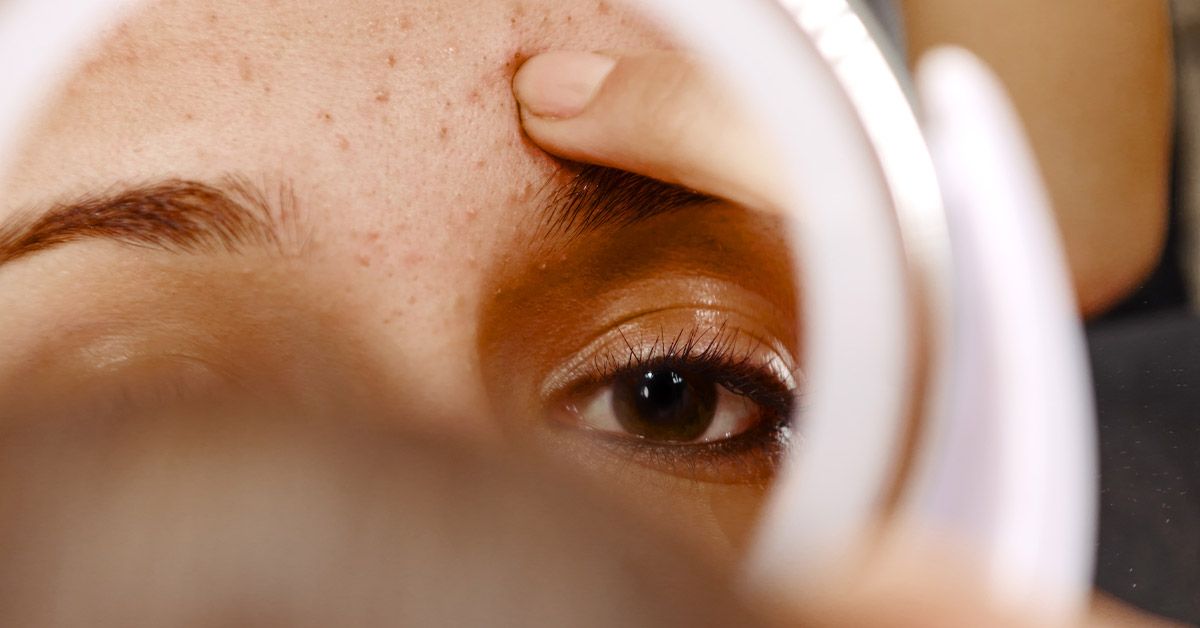
Proactiv has been around long enough to feel like the pop star of acne care: familiar, heavily advertised, sometimes loved, sometimes blamed for drama, and somehow still on the shelf. But the real question is not whether you have seen the commercials. The real question is: Does Proactiv work, and is it right for your acne?
The honest answer is: Proactiv can work for some people, especially mild to moderate acne, but it is not a magic eraser for every breakout. Its success depends on your acne type, your skin tolerance, the Proactiv system you choose, and whether you use it consistently without turning your bathroom sink into a chemistry lab.
This guide breaks down how Proactiv works, what ingredients matter, who may benefit, who should be cautious, and when it is time to stop guessing and see a dermatologist.
What Is Proactiv?
Proactiv is a skincare brand built around acne treatment routines. Instead of selling one single acne cream, the brand offers multiple systems, cleansers, toners, moisturizers, spot treatments, body acne products, and newer formulas that use different active ingredients.
Depending on the product line, Proactiv products may include acne-fighting ingredients such as benzoyl peroxide, salicylic acid, adapalene, sulfur, azelaic acid, glycolic acid, niacinamide, glycerin, hyaluronic acid, and other supporting skincare ingredients. That variety is important because acne does not have one personality. Sometimes it is oily and inflamed. Sometimes it is clogged and bumpy. Sometimes it is hormonal and stubborn enough to deserve its own villain theme music.
Does Proactiv Work?
Yes, Proactiv can work when its ingredients match the kind of acne you have. Many Proactiv routines are based on ingredients that dermatologists commonly recommend for acne care. The key is understanding what those ingredients actually do.
Benzoyl Peroxide Helps With Red, Inflamed Pimples
Benzoyl peroxide is one of the classic acne ingredients because it helps reduce acne-causing bacteria on the skin and can calm inflammatory breakouts. It is often used for pimples that are red, swollen, tender, or pus-filled. In plain English: it is good at fighting the angry-looking pimples that show up right before school photos, job interviews, weddings, or any other event where your skin apparently checked your calendar.
Proactiv formulas that contain benzoyl peroxide may be useful for people with mild to moderate inflammatory acne. However, benzoyl peroxide can also cause dryness, redness, burning, peeling, and irritation. It can bleach towels, pillowcases, shirt collars, and your favorite black hoodie if you are not careful. Acne may be stressful, but tie-dyeing your bedsheets by accident is a separate skincare journey.
Salicylic Acid Helps With Clogged Pores
Salicylic acid is commonly used for blackheads, whiteheads, and clogged pores. It works by helping exfoliate inside the pore lining, making it easier for trapped oil and dead skin cells to move along instead of forming little traffic jams under your skin.
If your acne is mostly tiny bumps, blackheads around the nose, or whiteheads on the forehead and chin, a salicylic-acid-based routine may be more comfortable than jumping straight into stronger leave-on benzoyl peroxide products.
Adapalene Helps Prevent New Breakouts
Adapalene is a topical retinoid used for acne. Retinoids help normalize how skin cells shed inside pores, which can reduce clogged pores over time. This makes adapalene especially useful for comedonal acne, which includes blackheads, whiteheads, and rough texture caused by congestion.
Adapalene is not usually an overnight fix. It is more like a long-term project manager for your pores. It helps prevent future chaos, but it may take weeks to show noticeable improvement.
How Long Does Proactiv Take to Work?
Most acne treatments need patience. Dermatology guidance commonly suggests that acne medication may begin reducing breakouts in about 4 to 8 weeks, while more significant clearing can take around 12 to 16 weeks. Some over-the-counter treatments may need 2 to 3 months of consistent use before you can fairly judge the results.
That means using Proactiv for three days and declaring, “My skin has betrayed me,” is not a fair trial. Acne forms below the surface before you see it. A product has to work through existing clogs, oil patterns, inflammation, and your skin’s tolerance level.
A good rule: take a clear photo before starting, then compare weekly instead of inspecting your face every 12 minutes under bathroom lighting that makes everyone look like they have been awake since 2017.
What Types of Acne May Respond Best to Proactiv?
Proactiv may be a good option for people with mild to moderate acne, especially if breakouts include surface-level pimples, oily skin, blackheads, whiteheads, and occasional inflamed spots.
Proactiv May Be Right If You Have:
- Mild to moderate facial acne
- Blackheads or whiteheads
- Occasional red pimples
- Oily or combination skin
- Breakouts that respond to benzoyl peroxide or salicylic acid
- A preference for a structured routine instead of building one product by product
One reason people like Proactiv is that it removes guesswork. Instead of standing in the skincare aisle reading ingredient labels like you are decoding a secret government file, you get a system with steps. For beginners, that structure can be helpful.
Proactiv May Not Be Enough If You Have:
- Deep cystic acne
- Painful nodules under the skin
- Acne that leaves scars or dark marks
- Severe inflammatory acne
- Hormonal acne concentrated along the chin and jawline
- Very sensitive, eczema-prone, or rosacea-prone skin
- No improvement after 8 to 12 weeks of consistent use
Deep cystic acne usually needs more than an over-the-counter routine. It may require prescription topical treatments, oral medications, hormonal therapies, or in-office dermatology care. If acne is painful, scarring, or affecting your confidence, it is not “vain” to get help. It is healthcare.
Pros of Using Proactiv
1. It Uses Real Acne-Fighting Ingredients
Proactiv is not built on fairy dust and motivational quotes. Many of its acne products use ingredients with a long history in acne care, including benzoyl peroxide and salicylic acid. Some Proactiv products also include adapalene or supportive ingredients that help hydrate, soothe, or improve texture.
2. The Routine Is Easy to Follow
For people who want clear steps, a system can be easier than mixing random products from TikTok, drugstore shelves, and one suspiciously expensive serum recommended by someone with genetically perfect skin.
3. It May Help Prevent New Breakouts
When acne treatments are applied to the whole acne-prone area rather than only active pimples, they can help manage existing blemishes and reduce future breakouts. This matters because spot-treating only what you can see often misses the clogs forming under the surface.
4. There Are Options for Different Acne Patterns
Because Proactiv now includes several product lines, users can choose routines based on active breakouts, clogged pores, dark marks, body acne, or sensitive-skin concerns. This flexibility is helpful, but it also means you should read labels carefully rather than assuming every Proactiv product is the same.
Cons and Side Effects of Proactiv
1. Dryness and Irritation Are Common
The most common complaint with acne systems is dryness. Benzoyl peroxide, salicylic acid, glycolic acid, and retinoids can all irritate the skin if used too often or layered too aggressively. Signs include tightness, flaking, redness, burning, itching, or a shiny “over-exfoliated” look.
If this happens, do not panic. Reduce frequency, use a gentle moisturizer, avoid scrubs, and stop adding extra acne products on top. More treatment does not always mean faster results. Sometimes it means your face files a formal complaint.
2. Benzoyl Peroxide Can Bleach Fabric
Benzoyl peroxide can bleach towels, pillowcases, washcloths, hairlines, eyebrows, and clothing. Let products dry completely before lying down or getting dressed, and consider using white towels while using benzoyl peroxide products.
3. Sensitive Skin May Struggle
If your skin reacts easily, start slowly. Use acne products once daily or every other day at first, then increase only if your skin tolerates it. A moisturizer can be used before or after treatment depending on the product and your tolerance.
4. Rare Allergic Reactions Can Occur
Serious allergic reactions to over-the-counter acne products are rare, but possible. Stop using the product and seek urgent medical help if you experience throat tightness, trouble breathing, faintness, hives, or swelling of the eyes, face, lips, or tongue.
5. Benzene Recall Concerns Deserve Context
In 2025, the FDA announced testing of acne products containing benzoyl peroxide for possible benzene contamination. A limited number of products were recalled at the retail level, including specific lots of some Proactiv benzoyl peroxide products. The FDA also stated that more than 90% of tested products had undetectable or extremely low benzene levels and that the cancer risk from the benzene found in the recalled products was very low even with daily use over decades.
What should consumers do? Check expiration dates and recall information, avoid using expired products, and do not store benzoyl peroxide products in hot cars, direct sunlight, or overheated bathrooms. Heat is not your acne cream’s best friend.
How to Use Proactiv for Better Results
Start Slowly
Begin with once-daily use or every-other-day use if your skin is sensitive. If your skin handles it well, you can increase as directed on the label. Jumping into maximum use right away is a classic route to dryness, peeling, and dramatic mirror monologues.
Apply to Acne-Prone Areas, Not Just Pimples
Acne treatments often work best when applied thinly over the whole acne-prone area. For example, if you break out across your forehead, treat the foreheadnot just the one pimple currently trying to become famous.
Use a Gentle Cleanser and Moisturizer
Do not combine Proactiv with harsh scrubs, alcohol-heavy toners, abrasive brushes, or five extra exfoliating acids. A gentle cleanser, noncomedogenic moisturizer, and sunscreen can make acne treatment more tolerable and more successful.
Wear Sunscreen
Some acne treatments can make skin more sun-sensitive or worsen irritation when combined with sun exposure. Use a broad-spectrum, noncomedogenic SPF 30 or higher during the day.
Do Not Pick
Picking at acne can drive inflammation deeper, increase the risk of infection, and make scarring or dark marks more likely. If a pimple is painful, use a warm compress and appropriate treatment instead of performing amateur surgery with bathroom lighting and misplaced confidence.
Proactiv vs. Drugstore Acne Products
Proactiv is not the only way to treat acne. Many drugstore products contain the same major active ingredients: benzoyl peroxide, salicylic acid, adapalene, sulfur, and gentle supporting ingredients. The difference is that Proactiv packages products into routines, while drugstore routines require you to assemble the pieces yourself.
If you like convenience, Proactiv may be worth trying. If you prefer saving money or customizing every step, you may be able to build a similar routine with individual drugstore products. The best routine is not always the fanciest one. It is the one you can use consistently without irritating your skin or emptying your wallet.
When Should You See a Dermatologist?
See a dermatologist if your acne is painful, severe, cystic, leaving scars, causing dark marks, or not improving after consistent use of over-the-counter treatment. You should also seek help if acne is affecting your mental health or confidence. Acne is common, but that does not mean you have to quietly suffer through it.
A dermatologist may recommend prescription retinoids, topical antibiotics combined with benzoyl peroxide, oral antibiotics for limited periods, hormonal treatments, spironolactone for certain patients, isotretinoin for severe acne, or procedures for painful lesions and scarring.
Realistic Experiences: What Using Proactiv Can Feel Like
Here is where the science meets the bathroom mirror. Experiences with Proactiv vary because acne varies. One person’s “holy grail” can be another person’s “why is my face suddenly a snow globe?” That does not mean either person is wrong. It means skin is annoyingly individual.
Experience 1: The Oily-Skin Teen With Forehead Breakouts
Imagine a high school student with oily skin, forehead bumps, and red pimples around the nose and chin. This person starts a Proactiv routine containing benzoyl peroxide and uses it once a day at night. During the first week, the skin feels tighter and a little dry, especially around the mouth. After adding a lightweight noncomedogenic moisturizer, the dryness becomes manageable.
By week four, the biggest change is fewer new inflamed pimples. The blackheads are still there, but the breakouts look less angry. By week eight, the forehead texture is smoother, and the student feels less tempted to hide behind a hoodie. Is the skin perfect? No. But it is calmer, more predictable, and easier to manage.
Experience 2: The Adult With Sensitive Combination Skin
Now picture an adult with combination skin, occasional cheek breakouts, and a history of irritation from strong products. This person starts Proactiv too quickly: cleanser, treatment, toner, spot product, and an exfoliating mask because apparently the skin needed a full corporate restructuring. Within a week, the face is red, tight, and flaky.
The product did not necessarily “fail.” The routine was simply too much, too soon. After stopping for several days, restarting every other night, and using a barrier-supporting moisturizer, the skin tolerates treatment better. This experience is common with acne products. The active ingredients may be useful, but the skin barrier needs respect. Acne treatment is not a wrestling match.
Experience 3: The Person With Deep Jawline Cysts
Finally, consider someone with deep, painful jawline acne that flares before periods and leaves dark marks. This person tries Proactiv for three months. Surface pimples improve a little, but the deep cysts keep coming back. That does not mean the person did anything wrong. It likely means the acne has a hormonal or deeper inflammatory pattern that needs medical treatment.
For this person, a dermatologist might discuss prescription retinoids, hormonal options, spironolactone, oral medications, or other targeted treatments. Proactiv may help support surface-level breakouts, but it may not be powerful enough to control cystic hormonal acne by itself.
The Takeaway From These Experiences
Proactiv works best when expectations are realistic. It may reduce breakouts, help control oil, improve clogged pores, and create a simple routine. But it is not instant, and it is not universal. The best results usually come from matching the active ingredient to the acne type, starting slowly, moisturizing, using sunscreen, and giving the routine enough time to work.
If your skin gets severely irritated, stop and reassess. If your acne is scarring or painful, skip the trial-and-error marathon and see a dermatologist. Your future skin will appreciate the adult supervision.
Conclusion: Is Proactiv Right for Your Acne?
Proactiv can be a good choice for mild to moderate acne, especially oily skin, clogged pores, blackheads, whiteheads, and occasional inflamed pimples. Its active ingredients are commonly used in acne care, and its step-by-step routine can make treatment easier for beginners.
However, Proactiv is not right for everyone. If you have very sensitive skin, deep cystic acne, severe acne, scarring, or hormonal jawline breakouts, you may need a gentler approach or prescription-level help. The smartest acne routine is not the most aggressive one. It is the one that treats your acne while keeping your skin barrier calm enough to stay on speaking terms with you.
Note: This article is for educational purposes only and is not a substitute for diagnosis or treatment from a licensed healthcare professional. If your acne is painful, severe, scarring, or not improving, consult a board-certified dermatologist.