Medical note: This article is for educational purposes only and is not a substitute for professional medical advice, diagnosis, or treatment. Seek urgent medical care if front thigh pain follows a serious injury, comes with chest pain or shortness of breath, causes sudden weakness or numbness, includes major swelling or warmth, or makes it impossible to stand or walk.
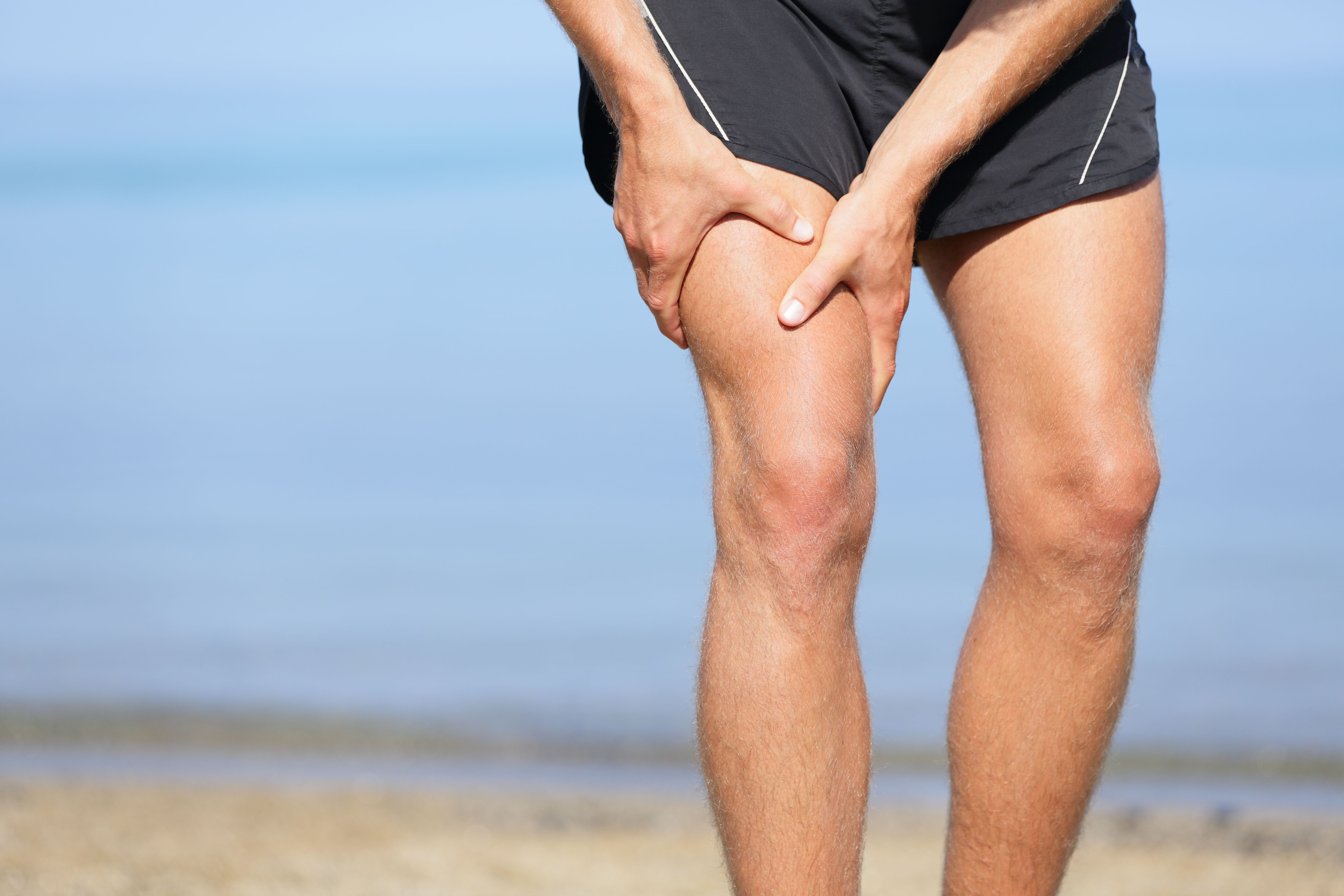
A sharp pain in the front thigh has a special talent for ruining normal activities. One minute you are walking, climbing stairs, exercising, or getting out of a chair like a regular adult. The next minute, your thigh sends a dramatic electric “absolutely not” through your leg.
The front of the thigh is home to the quadriceps muscles, hip flexors, tendons, nerves, blood vessels, and pain signals that can travel from the hip or lower back. That means anterior thigh pain can come from a simple muscle strain, a irritated nerve, a joint problem, or occasionally something that needs fast medical attention.
The good news: many causes of sharp front thigh pain improve with rest, smart activity changes, and proper treatment. The important part is understanding what may be causing the pain, what symptoms to watch, and when to stop pretending “it’ll be fine by Monday.” Let’s break down seven common causes.
What Does Sharp Pain in the Front Thigh Feel Like?
Sharp pain in the front thigh may feel stabbing, burning, cramping, tearing, shooting, or like a sudden pinch deep in the leg. Some people feel it during movement, such as running, kicking, squatting, climbing stairs, or standing from a seated position. Others notice pain while resting, especially if nerves are involved.
The pain may stay in one spot or spread toward the hip, groin, knee, or outer thigh. You might also notice swelling, bruising, weakness, numbness, tingling, tightness, or difficulty walking. These extra clues matter because they help separate a pulled muscle from a nerve issue, joint problem, or circulation concern.
Sharp Pain in the Front Thigh: 7 Causes
1. Quadriceps Muscle Strain
A quadriceps strain is one of the most common reasons for sharp pain in the front thigh. The quadriceps are the large muscles on the front of the thigh that help straighten the knee and support walking, running, jumping, and climbing stairs. Basically, they are the workhorses of your leg, and they do not appreciate being overloaded without warning.
A strain happens when muscle fibers stretch too far or tear. This can occur during sprinting, lunges, heavy squats, sudden starts and stops, or even an enthusiastic attempt to return to exercise after a long relationship with the couch.
Typical symptoms include sudden sharp pain, tenderness, swelling, tightness, bruising, and pain when straightening the knee or lifting the leg. In more serious strains, a person may feel a popping sensation or have trouble walking normally.
Mild strains often improve with rest, ice, compression, elevation, and gradual return to movement. However, severe pain, major bruising, a visible dent in the muscle, or inability to bear weight should be checked by a healthcare professional.
2. Hip Flexor Strain
A hip flexor strain can also cause sharp pain in the upper front thigh, often near the groin or front of the hip. The hip flexors help lift the knee toward the chest. They work hard during running, cycling, kicking, dancing, stair climbing, and sitting for long periods. Yes, sitting can contribute too. Your chair may look innocent, but it has a résumé.
This type of strain often develops after sudden acceleration, intense exercise, poor warm-up, or overuse. People may feel a sharp pulling pain in the front hip or upper thigh, especially when lifting the knee, standing after sitting, walking uphill, or stretching the hip.
Hip flexor pain may feel similar to quadriceps pain, but it tends to sit higher, closer to the hip crease. Tightness, reduced range of motion, and discomfort after prolonged sitting are common clues.
Treatment usually begins with reducing painful activity, gentle mobility work, and strengthening once the sharp pain settles. Returning too quickly can restart the problem, which is the body’s way of saying, “I said what I said.”
3. Thigh Contusion or Bruise
A thigh contusion is a deep bruise caused by a direct blow to the front of the thigh. It is common in contact sports, falls, car accidents, and unfortunate meetings with furniture corners. A contusion can injure the quadriceps muscle and surrounding soft tissue, causing sharp pain, swelling, bruising, stiffness, and difficulty bending the knee.
At first, the pain may be intense and localized. Over the next day or two, bruising may become more visible. Some people develop tightness that makes the thigh feel hard or difficult to move. Mild contusions can improve with home care, but severe contusions may need medical evaluation, especially if pain is worsening or knee motion becomes very limited.
One important warning sign is severe swelling or increasing pressure in the thigh after trauma. Rarely, bleeding inside the muscle compartment can become serious. If the thigh becomes extremely painful, tense, numb, or weak, urgent care is needed.
4. Meralgia Paresthetica
Meralgia paresthetica sounds like a spell from a medical wizard book, but it is actually a nerve compression problem. It happens when the lateral femoral cutaneous nerve becomes irritated or squeezed. This nerve supplies feeling to the outer and front-side area of the thigh.
The result can be burning, tingling, numbness, stabbing pain, or unusual sensitivity on the front or outer thigh. Unlike a muscle injury, meralgia paresthetica usually does not cause true muscle weakness. The discomfort may get worse with standing, walking, tight belts, tight waistbands, tool belts, weight gain, pregnancy, or prolonged pressure near the hip.
People often describe the sensation as “skin pain” rather than deep muscle pain. Clothing brushing against the thigh may feel irritating, while firm pressure may feel less painful than light touch. That strange pattern is a classic nerve clue.
Simple changes may help, such as wearing looser clothing, avoiding tight belts, changing posture, and reducing activities that trigger symptoms. Persistent pain, spreading numbness, or any weakness should be discussed with a healthcare provider.
5. Femoral Nerve Irritation or Lumbar Radiculopathy
Sometimes the front thigh is not the original troublemaker. The problem may begin in the lower back or pelvis, where nerves travel before reaching the thigh. Irritation of the femoral nerve or upper lumbar nerve roots can cause sharp, shooting, burning, or electric pain in the front thigh.
This may happen because of a herniated disc, spinal arthritis, narrowing around the nerves, injury, inflammation, or other causes of nerve compression. Pain may travel from the lower back, hip, or groin into the front thigh. Some people also notice numbness, tingling, knee weakness, or trouble climbing stairs.
Nerve-related thigh pain may feel different from a muscle strain. It may shoot suddenly, follow a line, or appear with back movements such as bending, twisting, coughing, or sitting. If weakness develops, especially trouble straightening the knee or the leg giving way, medical evaluation is important.
Many nerve irritation problems improve with conservative care, including activity modification, physical therapy, anti-inflammatory strategies when appropriate, and time. However, severe weakness, numbness in the groin or saddle area, or loss of bladder or bowel control is an emergency.
6. Hip Joint Problems
Hip problems do not always cause pain directly in the hip. They can refer pain to the groin, front thigh, or knee. This is one reason anterior thigh pain can be confusing: the thigh complains loudly, while the hip quietly hides in the corner like it had nothing to do with it.
Hip osteoarthritis, hip impingement, labral irritation, bursitis, or other joint problems can cause aching or sharp pain in the front thigh. Pain may worsen with walking, standing, pivoting, getting in and out of a car, or rising from a chair. Stiffness after rest, reduced hip motion, clicking, catching, or groin discomfort may point toward the hip joint.
Osteoarthritis-related pain often builds gradually, but flare-ups can feel sharp during movement. Hip impingement or labral issues may cause sharper pain with twisting or deep hip bending, such as squatting.
If front thigh pain keeps returning, limits walking, or comes with groin pain and hip stiffness, a healthcare provider may examine the hip and possibly recommend imaging or physical therapy.
7. Blood Clot or Circulation Problem
Most sharp front thigh pain is not a blood clot, but this cause deserves serious attention because it can be dangerous. A deep vein thrombosis, often called DVT, is a blood clot in a deep vein. It can occur in the thigh or lower leg and may cause pain, tenderness, swelling, warmth, redness, or a heavy feeling in one leg.
DVT risk may be higher after surgery, long travel, long bed rest, pregnancy, certain medications, smoking, cancer, clotting disorders, or previous blood clots. A clot can become life-threatening if it travels to the lungs, causing a pulmonary embolism.
Seek urgent medical care if thigh pain comes with one-sided leg swelling, warmth, redness, sudden shortness of breath, chest pain, coughing blood, dizziness, or a racing heartbeat.
Other circulation problems, such as peripheral artery disease, can also cause leg pain, often during walking and relieved by rest. While this is more commonly felt in the calf, thigh symptoms can occur. Pain related to circulation should never be brushed aside, especially in people with diabetes, smoking history, high blood pressure, high cholesterol, or heart disease.
How to Tell Muscle Pain from Nerve Pain
Muscle pain in the front thigh usually gets worse when the muscle contracts, stretches, or is pressed. It may follow a workout, sprint, fall, or sudden movement. Swelling, bruising, tightness, and soreness are common.
Nerve pain is more likely to feel burning, tingling, electric, numb, or hypersensitive. It may travel along a path and may not be tender when you press the muscle. It can also appear with back pain, hip position changes, or prolonged standing or sitting.
Of course, the human body did not design pain signals for easy customer service. Conditions can overlap. A person can have tight muscles and nerve irritation at the same time. When symptoms are unclear or persistent, a medical evaluation is the most reliable route.
When Should You See a Doctor?
See a healthcare provider if sharp pain in the front thigh lasts more than a few days, keeps coming back, worsens with activity, or interferes with walking, sleep, work, or exercise. You should also get checked if you have numbness, tingling, weakness, unexplained weight loss, fever, swelling, or pain after a significant injury.
Get urgent care right away if you cannot bear weight, your leg looks deformed, the thigh becomes very swollen or tight, you have sudden weakness, or you have signs of a blood clot or pulmonary embolism. In pain terms, these are not “walk it off” situations.
Home Care Tips for Mild Front Thigh Pain
If the pain is mild and clearly related to activity or a minor strain, basic home care may help. Rest from painful movements for a short period, apply ice during the first 24 to 48 hours, use gentle compression if comfortable, and elevate the leg when possible. Over-the-counter pain relievers may help some people, but they are not safe for everyone, especially those with certain stomach, kidney, heart, liver, bleeding, or medication concerns.
Avoid aggressive stretching during the sharp phase. Stretching an angry muscle too soon is like poking a raccoon with a breadstick: technically possible, rarely wise. Once pain improves, gentle range-of-motion exercises and gradual strengthening can support recovery.
If pain returns every time you resume activity, that is a sign to slow down and reassess. A physical therapist can help identify strength imbalances, mobility limits, training errors, and movement patterns that may be feeding the problem.
How Front Thigh Pain Is Diagnosed
A clinician may ask when the pain started, what it feels like, where it travels, what activities trigger it, and whether you have weakness, numbness, swelling, fever, injury, or risk factors for clots. The physical exam may include checking hip motion, knee strength, reflexes, sensation, walking pattern, muscle tenderness, and back movement.
Depending on the suspected cause, tests may include X-rays, ultrasound, MRI, nerve studies, or blood tests. Not everyone needs imaging. Many muscle strains and mild overuse injuries can be diagnosed through history and examination. But when symptoms are severe, unusual, or persistent, testing can help rule out more serious issues.
Can You Prevent Sharp Pain in the Front Thigh?
You cannot prevent every random ache, especially if your hobbies include sports, stairs, gardening, moving furniture, or existing after age 30. Still, you can lower your risk.
Warm up before intense exercise, increase training gradually, strengthen the hips and quadriceps, stretch after activity, take breaks from prolonged sitting, wear comfortable clothing that does not compress the waist or groin, and address back or hip stiffness early. Athletes should avoid sudden jumps in speed work, hill training, or heavy lifting volume.
For desk workers, changing position throughout the day can help reduce hip flexor tightness and nerve compression. For people returning to exercise, the best plan is usually boring on purpose: start low, progress slowly, and let your body adapt before asking it to behave like a highlight reel.
Real-Life Experiences: What Sharp Front Thigh Pain Can Be Like
Sharp pain in the front thigh often shows up in ordinary moments, which is part of what makes it so frustrating. One common story is the weekend athlete who feels fine during a game, sprint, or workout, then suddenly gets a stabbing pain in the front thigh. The person may assume it is just soreness, but the next morning walking downstairs feels like negotiating with a tiny villain living inside the quadriceps. This pattern often fits a muscle strain or overuse injury, especially when there is tenderness, swelling, or bruising.
Another common experience is the desk-worker thigh pain mystery. A person may not remember an injury at all. Instead, they notice burning or tingling on the front or outer thigh after long periods of sitting, standing, wearing tight jeans, or using a heavy belt. The discomfort may feel superficial, almost like the skin is irritated. In that situation, nerve compression such as meralgia paresthetica may be part of the picture. The pain is real, even if the muscle itself seems normal.
Some people describe front thigh pain that starts near the lower back or hip and shoots downward. This can be especially alarming because it may arrive quickly and feel electric. For example, someone bends to lift a laundry basket and feels a jolt into the front thigh. Later, climbing stairs feels weak or awkward. This experience can point toward nerve irritation from the back or femoral nerve pathway. It is worth taking seriously, particularly if weakness or numbness appears.
There is also the “my hip is pretending to be my thigh” scenario. A person may feel sharp pain in the front thigh when getting out of a car, standing from a low chair, or turning quickly. They may rub the thigh, stretch the quad, and wonder why nothing helps. The actual source may be the hip joint, especially if there is groin stiffness, reduced hip movement, or pain during pivoting. Referred pain is annoying because it makes the wrong body part look guilty.
Then there are injuries from impact. A soccer player gets kneed in the thigh, a cyclist falls, or someone walks directly into the corner of a bed frame with the confidence of a person who forgot furniture has edges. A deep bruise can cause immediate sharp pain and later stiffness. The thigh may become tender and swollen, and bending the knee can feel difficult. Most bruises improve, but severe swelling or worsening pain after trauma should be checked.
People recovering from front thigh pain often learn the same lesson: pain is information, not a personal failure. Resting for a short time, modifying activity, and rebuilding strength gradually can be more effective than pushing through. The goal is not to become afraid of movement. The goal is to return to movement with better timing, better mechanics, and fewer surprise thigh lightning bolts.
Conclusion
Sharp pain in the front thigh can come from several sources, including quadriceps strain, hip flexor strain, thigh contusion, meralgia paresthetica, femoral nerve irritation, hip joint problems, and blood clots or circulation issues. Some causes are mild and improve with home care, while others need prompt medical attention.
Pay attention to the pattern. Muscle pain often follows activity or injury and feels tender with movement or pressure. Nerve pain may burn, tingle, shoot, or feel numb. Hip-related pain may show up in the groin or front thigh during walking, twisting, or standing. Swelling, warmth, sudden weakness, or shortness of breath should never be ignored.
The smartest move is to respect the pain without panicking. Give mild injuries time, avoid painful overload, and seek medical guidance when symptoms are severe, persistent, unusual, or linked to red flags. Your thigh may be dramatic, but with the right attention, it usually has a reason for speaking up.