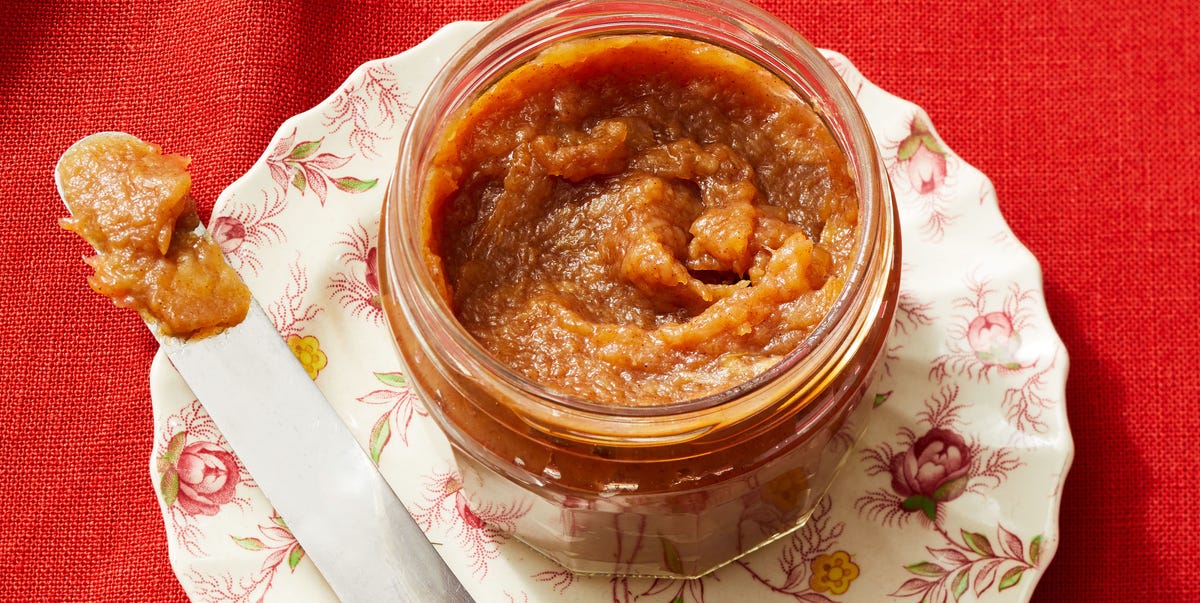
Apple butter is one of those cozy kitchen miracles that makes your house smell like you accidentally moved into a fall candle commercialin the best possible way. Despite the name, apple butter contains no butter. It is a silky, deeply flavored fruit spread made by slowly cooking apples with cider, sugar, warm spices, and a little acidity until the mixture becomes thick, glossy, and spoonable. Think of it as applesauce’s more dramatic cousin: darker, richer, smoother, and much more likely to make toast feel like a special event.
This easy apple butter recipe is designed for real-life home cooks. You do not need fancy equipment, a bushel of heirloom apples, or the patience of a 19th-century orchard keeper. You can make it on the stovetop in a heavy pot or let a slow cooker do most of the work while you go about your day. The result is a homemade apple butter that tastes warm, spiced, balanced, and freshnot flat, overly sweet, or “why did I buy six pounds of apples again?” complicated.
What Is Apple Butter?
Apple butter is a concentrated apple spread made by cooking apples long enough for their natural sugars to deepen and their water content to reduce. The longer cooking time is what gives apple butter its signature dark color, smooth texture, and almost caramel-like flavor. Applesauce is usually lighter, looser, and faster to prepare. Apple butter, on the other hand, is cooked down until it can hold its shape on a spoon and spread beautifully across biscuits, toast, pancakes, waffles, muffins, or even a cheese board.
The best apple butter has three things going for it: good apples, balanced spices, and enough cooking time. If you rush the process, you get spiced applesauce. Still delicious, but not quite the same. If you let it reduce slowly, the apples become velvety and the flavor turns deep and cozy, like fall put on a sweater.
Why This Easy Apple Butter Recipe Works
Many homemade apple butter recipes call for hours and hours of cooking, and while slow cooking is wonderful, this version keeps the process manageable. The recipe starts with chopped apples, apple cider, brown sugar, lemon juice, cinnamon, nutmeg, cloves, and a pinch of salt. The apples soften first, then get blended until smooth, and finally simmer until thick. This two-stage method gives you better control over the texture and prevents the spices from tasting harsh.
Apple cider adds more apple flavor than water, brown sugar gives gentle molasses notes, and lemon juice brightens the spread so it does not taste heavy. Cinnamon brings warmth, nutmeg adds roundness, and cloves provide that “something smells amazing” effect. The salt may look tiny on the ingredient list, but it matters. It keeps the sweetness from becoming one-dimensional.
Best Apples for Homemade Apple Butter
The best apples for apple butter are flavorful apples that soften well when cooked. You can use one variety, but a mix gives the best result. Sweet apples such as Fuji, Gala, Golden Delicious, Honeycrisp, and Pink Lady bring natural sugar and aroma. A few tart apples, such as Granny Smith, can add brightness and structure. The easiest formula is simple: use mostly sweet apples and add one or two tart apples if you like a more balanced flavor.
Best Apple Mix for This Recipe
- For a sweet, mellow apple butter: Fuji + Golden Delicious + Gala
- For a brighter flavor: Honeycrisp + Pink Lady + one Granny Smith
- For budget-friendly apple butter: Use whatever firm apples are on sale, as long as they taste good raw
- For deeper flavor: Use a mix of red and yellow apples instead of only one variety
Avoid apples that are mealy, bruised, or bland. Apple butter is concentrated, which means great apples become greaterbut boring apples do not magically become orchard royalty.
Easy Apple Butter Recipe
Recipe Overview
- Prep time: 15 minutes
- Cook time: 1 hour 30 minutes to 2 hours on the stovetop, or 6 to 8 hours in a slow cooker
- Total time: About 2 hours on the stovetop
- Yield: About 3 cups
- Best for: Toast, biscuits, pancakes, oatmeal, yogurt, baking, and gifting
Ingredients
- 4 pounds apples, peeled if desired, cored, and chopped
- 1 cup apple cider or unfiltered apple juice
- 1/2 cup packed light brown sugar
- 2 tablespoons maple syrup or honey, optional
- 2 tablespoons lemon juice
- 1 1/2 teaspoons ground cinnamon
- 1/4 teaspoon ground nutmeg
- 1/8 teaspoon ground cloves
- 1/4 teaspoon fine salt
- 1 teaspoon vanilla extract, added at the end
Stovetop Instructions
- Prepare the apples. Peel the apples for the smoothest texture, or leave the skins on if you plan to blend thoroughly with a high-powered blender. Core and chop them into small, even pieces so they cook at the same pace.
- Cook the apples. Add the apples, apple cider, brown sugar, maple syrup if using, lemon juice, cinnamon, nutmeg, cloves, and salt to a large heavy-bottomed pot or Dutch oven. Stir well.
- Simmer until soft. Bring the mixture to a gentle simmer over medium heat. Reduce the heat to medium-low, cover partially, and cook for 25 to 35 minutes, stirring occasionally, until the apples are very soft.
- Blend until smooth. Use an immersion blender directly in the pot, or carefully transfer the mixture in batches to a blender. Blend until completely smooth.
- Reduce until thick. Return the smooth apple mixture to the pot. Cook uncovered over low heat for 45 to 75 minutes, stirring often, until it becomes thick, darker, glossy, and spreadable.
- Finish the flavor. Stir in the vanilla extract during the last few minutes of cooking. Taste and adjust with a little more lemon juice, cinnamon, or salt if needed.
- Cool and store. Spoon the apple butter into clean jars or airtight containers. Let it cool, then refrigerate or freeze.
Slow Cooker Instructions
To make slow cooker apple butter, add the apples, cider, brown sugar, lemon juice, spices, and salt to a slow cooker. Cook on low for 6 to 8 hours, stirring occasionally if possible, until the apples are soft and dark. Blend until smooth, then continue cooking uncovered for 1 to 2 hours, stirring now and then, until thick. Stir in vanilla at the end. This method is ideal if you want the house to smell incredible while doing almost no active cooking.
How to Know When Apple Butter Is Done
Apple butter is ready when it is thick enough to mound slightly on a spoon and spread without running like applesauce. Drag a spoon across the bottom of the pot. If the mixture parts for a moment before slowly flowing back together, you are close. Another easy test: place a spoonful on a chilled plate. If watery liquid separates around the edge, keep cooking. If it stays thick and glossy, congratulationsyour apple butter has officially entered its main character era.
Tips for the Best Easy Apple Butter
Use Apple Cider Instead of Water
Apple cider gives the spread a fuller apple flavor. Water works in a pinch, but cider makes the recipe taste more concentrated from the beginning.
Do Not Overdo the Cloves
Cloves are powerful. A tiny pinch can make apple butter taste warm and old-fashioned; too much can make it taste like a holiday candle got involved without permission.
Cook Low and Slow After Blending
Once the apples are blended, the mixture can bubble and splatter. Keep the heat low, stir often, and use a deep pot. A splatter screen is helpful if you have one.
Adjust Sweetness at the End
Apples vary. Some are very sweet, while others need a little help. Start with the suggested amount of sugar, then taste after the apple butter has reduced. You can always add more sweetness, but you cannot easily take it out.
Common Apple Butter Problems and Fixes
My Apple Butter Is Too Thin
Keep cooking it uncovered over low heat. Thin apple butter usually just needs more time. Stir often so the bottom does not scorch.
My Apple Butter Tastes Too Sweet
Add a small splash of lemon juice and a pinch of salt. Both help balance sweetness and bring back the apple flavor.
My Apple Butter Tastes Flat
Add a little more cinnamon, a few drops of vanilla, or another teaspoon of lemon juice. Flatness usually means the spread needs contrast.
My Apple Butter Is Grainy
Blend it longer. If you left the peels on, a high-powered blender will create the smoothest texture. For an ultra-silky finish, press the apple butter through a fine-mesh sieve.
How to Store Homemade Apple Butter
This easy apple butter recipe is written as a refrigerator or freezer recipe. Store it in clean airtight jars in the refrigerator and use it within a few weeks. For longer storage, freeze it in freezer-safe containers, leaving a little room at the top for expansion.
If you want shelf-stable apple butter, follow a tested canning recipe from a reliable food-preservation authority. Safe canning requires proper jars, correct headspace, processing time, and altitude adjustments. Do not guess when it comes to canning. Apple butter may look sweet and innocent, but food safety deserves more respect than a “that seems fine” shrug.
Best Ways to Use Apple Butter
Homemade apple butter is wildly useful. Spread it on toast, English muffins, biscuits, cornbread, waffles, or pancakes. Swirl it into oatmeal, Greek yogurt, cottage cheese, or chia pudding. Add a spoonful to barbecue sauce, pork glaze, turkey sandwiches, or grilled cheese. Use it in muffins, quick breads, thumbprint cookies, spice cake, or baked oatmeal. It can even become a quick appetizer when spooned over cream cheese or goat cheese and served with crackers.
One of the easiest desserts is a warm apple butter parfait: layer vanilla yogurt, granola, chopped toasted pecans, and a spoonful of apple butter. It tastes like apple pie decided to become breakfast and somehow got away with it.
Flavor Variations
Maple Apple Butter
Replace part of the brown sugar with maple syrup for a deeper, woodsy sweetness. This version is excellent on pancakes and waffles.
Vanilla Bean Apple Butter
Add the seeds from half a vanilla bean near the end of cooking. The flavor becomes softer and almost custardy.
Spiced Chai Apple Butter
Add a tiny pinch of ground ginger and cardamom. Keep the amounts small so the apple flavor remains the star.
No-Added-Sugar Apple Butter
Use naturally sweet apples and omit the brown sugar. The final texture may be slightly less glossy, but the apple flavor will still be delicious. For the best result, choose Fuji, Gala, or Golden Delicious apples.
Experience Notes: What I Learned Making Easy Apple Butter at Home
The first thing you learn when making apple butter is that the smell arrives before the confidence does. At the beginning, the pot looks like chopped apples swimming in cider and spices, and it is completely fair to wonder whether you are making a spread or a very ambitious apple soup. Then the apples soften, the cinnamon blooms, and the whole kitchen starts smelling like someone opened a bakery inside a cabin. That is usually the moment when everyone in the house appears and asks, “What are you making?” as if they were not mysteriously absent during the peeling stage.
My biggest practical lesson is that apple size matters less than apple flavor. I have made apple butter with perfect farmers market apples and with slightly tired grocery-store apples that were one day away from becoming lunchbox decorations. Both worked, but the best batches always came from apples that tasted good before cooking. If an apple is crisp, fragrant, and flavorful raw, it will usually make excellent apple butter. If it tastes like crunchy air, the spices will help, but they cannot perform a full personality transplant.
I also learned that patience is not optional during the reduction stage. The blended apple mixture may look done after 20 minutes because it is smooth and smells wonderful, but true apple butter needs time to thicken. The extra simmering turns the flavor from bright apple into deep, caramelized apple. Stirring matters here. Not constant stirring, unless you enjoy standing over a pot like a dramatic soup guardian, but regular stirring. The bottom of the pot is where dreams can scorch.
Another useful discovery: apple butter is better the next day. Fresh from the pot, it tastes warm and lovely, but after a night in the refrigerator, the spices settle and the fruit flavor becomes rounder. This makes it perfect for make-ahead breakfasts or holiday gifts. A small jar with a handwritten label feels thoughtful without requiring you to knit anyone a scarf or learn calligraphy under pressure.
Texture is personal. Some people love apple butter so smooth it could be mistaken for velvet. Others like a more rustic spread with tiny bits of apple. I prefer it smooth enough to glide over toast but thick enough that it does not slide off a biscuit like it is trying to escape. If you like ultra-smooth apple butter, peel the apples and blend thoroughly. If you enjoy a more homemade texture, leave some peel on and do not worry about perfection.
The best serving moment, in my opinion, is still the simplest: warm toast, a little salted butter, and a generous swipe of apple butter. Yes, apple butter with actual butter. The name finally gets its plot twist. The creamy saltiness underneath the spiced apple spread is ridiculously good. It is the kind of breakfast that makes a regular Tuesday feel like you planned ahead, even if the rest of your day is held together with coffee and crossed fingers.
Conclusion
The best easy apple butter recipe is not complicated. It is a simple combination of apples, cider, sugar, lemon juice, warm spices, and time. The secret is to cook the apples until soft, blend them smooth, and let the mixture reduce until thick, glossy, and deeply flavored. Whether you use a stovetop or slow cooker, homemade apple butter is one of the most rewarding fall recipes you can make with basic ingredients.
Keep a jar in the refrigerator for quick breakfasts, cozy desserts, and easy snacks. Spoon it over pancakes, swirl it into oatmeal, pair it with cheese, or use it as a flavorful shortcut in baking. Once you make it from scratch, store-bought apple butter may start looking a little nervous.