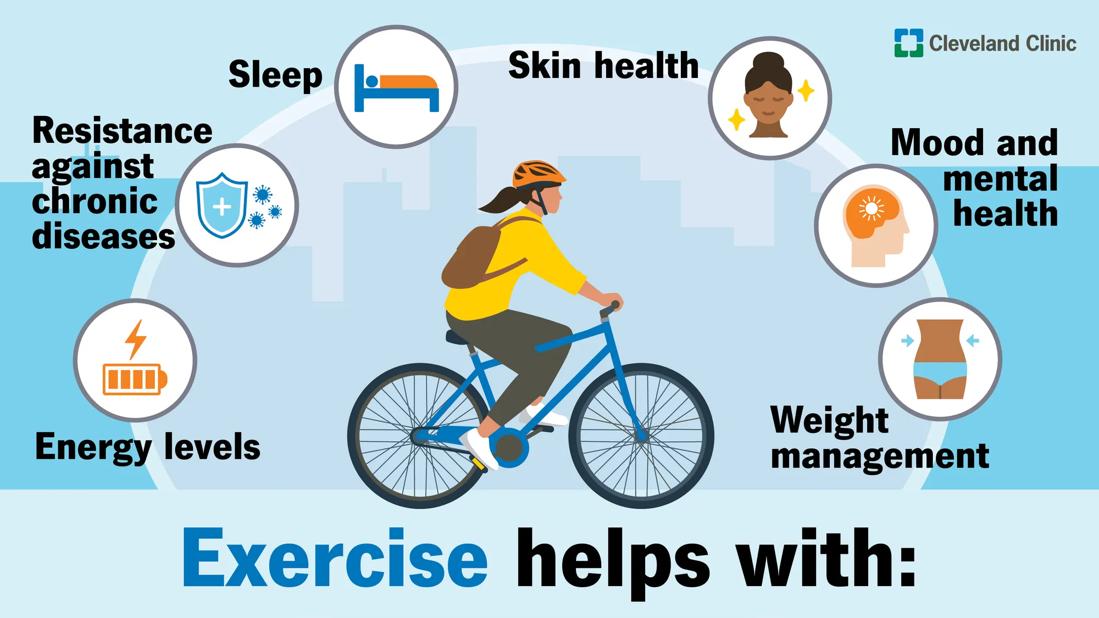
Exercise has a funny way of being both wildly simple and strangely easy to avoid. We all know moving our bodies is good for us, yet somehow the couch keeps making very convincing arguments. Still, the science is remarkably clear: regular physical activity does far more than help you break a sweat. It supports your heart, muscles, bones, brain, mood, sleep, and long-term quality of life. In other words, exercise is less of a punishment and more of a full-service upgrade for your body and mind.
And no, this does not mean you need to transform into a sunrise-running, kale-crunching fitness influencer by next Tuesday. Exercise can be walking, dancing in your kitchen, lifting weights, biking, swimming, playing basketball, gardening, or taking the stairs because the elevator is taking its sweet time. What matters most is consistency, not perfection.
Below are 12 physical and mental benefits of exercise that make a strong case for getting up and moving. Think of this as your evidence-based reminder that movement is medicine, but a much more fun kind.
Why exercise matters more than ever
Regular physical activity helps protect your health today and supports healthier aging over time. It can improve how you feel within a single workout and also reduce the risk of chronic disease over the long haul. Some benefits show up quickly, such as lower stress and better mood, while others build gradually, like stronger bones, better heart health, and sharper thinking later in life.
12 physical and mental benefits of exercise
1. Exercise strengthens your heart and improves circulation
Your heart is a muscle, and like every other muscle, it responds well to training. Aerobic exercise such as brisk walking, cycling, jogging, or swimming helps your heart pump blood more efficiently. Over time, this can improve cardiovascular fitness, support healthier blood pressure, and reduce the risk of heart disease and stroke.
Picture the difference between carrying groceries up the stairs while feeling like a malfunctioning accordion versus doing it without needing a dramatic recovery scene. Better circulation helps everyday life feel easier, not just workouts.
2. It helps manage blood sugar and lowers the risk of type 2 diabetes
Physical activity helps your body use insulin more effectively and move glucose from the bloodstream into the muscles, where it can be used for energy. That makes exercise a powerful habit for helping prevent type 2 diabetes and for supporting blood sugar management in people who already have it.
Even moderate activities, like walking after meals, can make a meaningful difference. It is one of the few health habits that can help almost immediately and keep paying off over time.
3. Exercise builds stronger muscles and bones
Strength training, resistance exercises, bodyweight workouts, and weight-bearing activities all help maintain and build muscle mass. That matters because muscle supports balance, posture, metabolism, and day-to-day function. Meanwhile, bones benefit from weight-bearing movement such as walking, hiking, tennis, dancing, and strength training.
This becomes especially important with age, when both muscle and bone density can decline. Think of exercise as a long-term investment plan for being able to lift suitcases, get off the floor, climb stairs, and open jars without negotiating with the lid for ten minutes.
4. It supports healthy weight management without making weight the whole story
Exercise can help with energy balance and body composition, but its value goes far beyond the number on a scale. It may help prevent excess weight gain, preserve lean muscle during weight loss, and improve metabolic health. Just as important, regular movement improves health markers even when body weight does not change dramatically.
That is worth repeating: exercise is about health, function, and feeling better, not chasing a single body ideal. A stronger, more energized, better-rested you is a pretty great outcome.
5. Exercise boosts energy and reduces fatigue
It sounds backward at first. You spend energy to get more energy? Very rude, but true. Regular movement improves endurance, oxygen delivery, and overall fitness, which can make daily activities feel less draining. People often notice that once exercise becomes routine, they feel more capable instead of more exhausted.
A short walk at lunch, a bike ride after work, or a beginner strength session a few times a week can help replace that sluggish, low-battery feeling with something a little more “I can handle this.”
6. It improves sleep quality
Exercise and sleep are a powerful duo. Regular physical activity can help you fall asleep faster, sleep more deeply, and wake up feeling more refreshed. One reason is that movement helps regulate stress, mood, body temperature, and circadian rhythms, all of which influence how well you sleep.
Of course, timing matters for some people. If a hard evening workout leaves you feeling wired like you just drank espresso from a fire hose, try exercising earlier in the day. The goal is better rest, not staring at the ceiling while replaying your to-do list.
7. Exercise lowers stress and helps your body handle it better
Stress is part of modern life. Exercise will not delete your inbox or stop surprise deadlines, but it can help your body and brain respond more calmly. Physical activity reduces tension, supports emotional regulation, and can create that priceless sense of release after a hard day.
Many people notice a shift within minutes of moving. A brisk walk, yoga session, or quick circuit workout can take you from “everything is on fire” to “okay, maybe only one thing is lightly smoking.” That is not magic. It is physiology.
8. It can reduce symptoms of anxiety and depression
One of the most important mental benefits of exercise is its effect on mood. Regular physical activity is linked with lower anxiety, fewer depressive symptoms, and improved emotional well-being. It may help by influencing stress systems in the brain, supporting neurotransmitter activity, and creating a sense of accomplishment and structure.
Exercise is not a replacement for therapy, medication, or professional mental health care when those are needed. But it can be a valuable part of a broader mental wellness plan. Sometimes a walk does not solve everything, but it can make everything feel slightly more solvable.
9. Exercise sharpens memory, focus, and thinking skills
Your brain loves movement almost as much as your heart does. Physical activity increases blood flow to the brain and supports areas involved in memory, attention, learning, and problem-solving. Even single sessions of exercise may improve short-term focus and reduce anxious feelings, while regular activity helps support cognitive health over time.
This is one reason students, professionals, and older adults alike can benefit from staying active. Whether you are trying to remember a presentation, study for an exam, or avoid walking into a room and forgetting why you went there, exercise earns its keep.
10. It may help protect brain health as you age
Long-term exercise habits are associated with healthier cognitive aging. Regular physical activity may help preserve thinking skills and reduce the risk of cognitive decline. While no single habit can guarantee perfect brain health forever, movement is one of the strongest lifestyle tools we have for supporting it.
That makes exercise one of the rare habits that is useful now and kind to your future self. Today’s walk can support tomorrow’s brain. Future you would probably send a thank-you card if future you remembered where the stamps were.
11. Exercise increases confidence and improves self-esteem
There is something quietly powerful about keeping a promise to yourself. When you exercise consistently, even in small ways, you often feel more capable. That confidence may come from getting stronger, noticing better stamina, sleeping better, or simply proving that you can stick with a routine.
Self-esteem does not always arrive with a trumpet fanfare. Sometimes it shows up as standing taller, feeling less intimidated by physical tasks, or realizing that your body can do more than you gave it credit for.
12. It can improve social connection and overall quality of life
Exercise does not have to be a solo mission. Walking groups, fitness classes, rec sports, dance lessons, hiking clubs, and gym communities can all create social connection, which is good for mental health in its own right. Even when you exercise alone, feeling stronger, calmer, and more capable can improve your daily quality of life.
In practical terms, that can mean playing with your kids without needing a timeout after four minutes, enjoying travel with more stamina, staying independent as you age, or simply feeling more like yourself. Those benefits are hard to measure and impossible to ignore.
How much exercise do you actually need?
For most adults, a strong evidence-based target is at least 150 minutes of moderate-intensity aerobic activity each week, plus muscle-strengthening activities on two or more days per week. Moderate intensity can include brisk walking, cycling at a casual pace, dancing, or active yard work. Strength work can include resistance bands, free weights, machines, bodyweight exercises, or pilates-style resistance training.
If that sounds like a lot, break it down. Thirty minutes a day for five days gets you there. Three 10-minute walks still count. So does an active weekend if weekdays are chaotic. Starting small is not a weakness. It is a strategy.
Best types of exercise for body and mind
The best exercise is the one you will actually keep doing, but variety helps. A balanced routine often includes:
- Aerobic activity: walking, jogging, biking, swimming, dancing
- Strength training: weights, bands, push-ups, squats, lunges
- Mobility and flexibility: stretching, yoga, mobility work
- Balance training: tai chi, single-leg work, stability exercises
If you are new to exercise, begin with something approachable and low-pressure. A 15-minute walk after dinner is better than a perfect plan that never happens. Consistency beats intensity when building a habit.
What people often experience when they start exercising regularly
The early stage of an exercise routine is rarely glamorous. Most people do not leap out of bed on day one glowing with athletic destiny. More often, they feel awkward, sore, out of breath, or mildly offended by how hard stairs suddenly seem. But then something changes.
In the first week or two, people often notice mental shifts before physical ones. A short walk clears the head. A workout breaks the stress cycle after a rough day. Sleep may improve a little. Mood lifts faster after frustration. The body may still be protesting with sore calves, but the brain starts voting yes.
By week three or four, everyday tasks may feel easier. Carrying groceries is less dramatic. Walking longer distances feels more normal. Sitting at a desk all day becomes less comfortable than getting up and moving around. There is also a subtle emotional effect: exercise creates momentum. Once people see themselves as someone who moves, that identity starts to stick.
Over a few months, the changes become more meaningful. Some people report fewer afternoon energy crashes. Others notice they are less reactive under stress, more patient, and more focused. Many begin to enjoy the routine itself, not just the results. That may be the biggest turning point of all. Exercise stops feeling like a chore and starts feeling like support.
There are setbacks, of course. Busy weeks happen. Motivation disappears. Weather changes. Schedules fall apart. That is normal. People who keep going are usually not the ones with perfect discipline. They are the ones who learn how to restart without turning one missed workout into a full-time retirement from movement.
Experiences from real life: what the benefits of exercise often feel like over time
One of the most relatable things about exercise is that the benefits rarely arrive all at once wearing a giant banner that says, “Congratulations, your life has improved.” Instead, they show up in ordinary moments. Someone who starts taking a 20-minute walk each morning may not feel transformed in a week, but after a month they might notice they feel less groggy during meetings, less irritable in traffic, and less tempted to collapse on the couch with the emotional energy of a wilted houseplant. The change is subtle, but it is real.
A person who begins strength training twice a week often experiences something similar. At first, the exercises feel clumsy. Squats seem suspicious. Dumbbells feel heavier than advertised. But eventually they realize their posture is better, their back feels more supported, and hauling laundry or lifting groceries is no longer an event worthy of a dramatic soundtrack. That kind of progress builds confidence in a very practical way. It is not just about looking different. It is about moving through life with more ease.
Many people also describe exercise as one of the few habits that helps both physical and mental health at the same time. A stressful day does not always become a good day after a workout, but it often becomes a more manageable one. A walk can create enough mental space to think clearly again. A bike ride can turn nervous energy into something useful. A yoga class can slow racing thoughts. Over time, people may begin to trust exercise as a coping tool, not because it fixes every problem, but because it helps them feel steadier while facing those problems.
There is also a social side to the experience. Joining a walking group, fitness class, or rec league can make movement more enjoyable and less isolating. Some people find motivation in community. Others simply enjoy seeing familiar faces and having a reason to leave the house. Even solo exercisers often say that regular movement improves how they show up for other people. They feel more patient, more upbeat, and more present.
Perhaps the most meaningful experience is the slow realization that exercise is not reserved for athletes or people with perfect schedules. It belongs to ordinary people with messy calendars, sore knees, work stress, family obligations, and limited time. It can be adapted, restarted, simplified, and made your own. That is part of what makes it so powerful. Exercise does not ask for perfection. It rewards participation.
Final takeaway
The physical and mental benefits of exercise are not hype, and they are not limited to elite athletes. Regular movement can help you think better, sleep better, feel better, age better, and function better in daily life. It supports your heart, brain, mood, muscles, and resilience. That is a pretty impressive return on something as accessible as walking, stretching, lifting, dancing, or riding a bike.
The smartest approach is not to wait for motivation to become magical. Start small, choose activities you can tolerate or enjoy, and build from there. Your body and mind are not asking for perfection. They are asking for movement.
Note: This article is for educational purposes only and is not a substitute for personalized medical advice. If you have a chronic condition, injury, or new symptoms, talk with a qualified healthcare professional before starting a new exercise program.