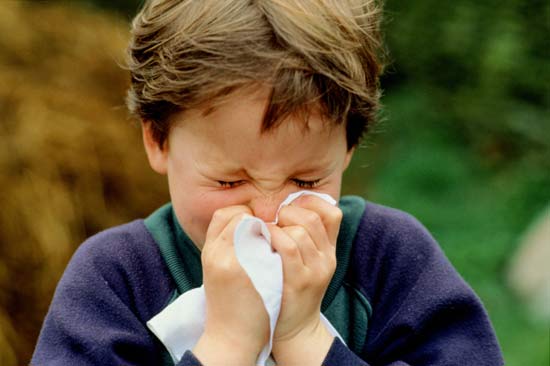
Some great moments in life are huge. A promotion. A perfect road trip playlist. Fries that are somehow still crispy after delivery. And then there are the tiny, ridiculous pleasures that feel way too satisfying for how small they are. High on that list: sneezing three or more times in a row.
One sneeze is basic housekeeping. Two sneezes feels like your body is getting serious. But three? Three is a dramatic trilogy. It is a mini weather event. It is your face announcing, “We are not leaving until this problem has been fully addressed.” And strangely enough, when the final sneeze lands, there is often a deep, glorious sense of relief. The nose clears. The eyes stop watering. The brain briefly reboots. For one shining second, you feel like a newly serviced machine.
That is why the idea behind #955 Sneezing three or more times in a row is so charming. It celebrates one of those everyday experiences that is both universal and oddly personal. Some people are dainty sneezers. Some sneeze like a car alarm. Some do the classic two-hit combo. And some of us, proudly or inconveniently, belong to the Triple Achoo Club.
Behind the comedy, though, there is real science. Sneezing is a protective reflex. It helps clear irritants from your nose and upper airway. Dust, pollen, pet dander, viruses, smoke, mold, perfume, spicy food, weather changes, and even bright light can set it off. In many cases, sneezing three or more times in a row is simply your body being thorough, not dramatic. Your nose detected something annoying, hit the alarm, and decided one explosive burst was not enough to finish the job.
So why does it happen? Why do some people sneeze in neat little clusters? Why does sunlight ambush certain folks at the worst possible moment? And when is a sneeze fit just a funny quirk, and when is it a clue that allergies, nonallergic rhinitis, or another issue deserves attention? Let’s dig into the surprisingly interesting world of repeated sneezing, where medicine meets mystery and your nose occasionally becomes the lead singer of a very short rock band.
Why sneezing is one of your body’s smartest little reflexes
A sneeze may feel chaotic, but it is actually a well-coordinated defense system. When the delicate lining of your nose or throat gets irritated, sensory nerves send a signal into the nervous system. Your brainstem helps organize the response, and then your body launches the sneeze: a deep breath, pressure building in the chest, eyes squeezing shut, and a forceful burst of air through the nose and mouth. Glamorous? Not exactly. Effective? Absolutely.
In plain English, sneezing is your body’s fast, noisy way of evicting unwanted guests. It is trying to remove particles, mucus, or irritants before they settle in and make themselves comfortable. That is why sneezes are so often tied to pollen season, dusty rooms, pet cuddles, common colds, strong fragrances, smoke, and other environmental triggers. Your nose is not being fussy. It is doing quality control.
That also explains why sneezing often comes with a watery nose, itchy eyes, congestion, or that weird “something is tickling my brain” sensation. The tissues in and around the nose are inflamed or irritated, and the sneeze is part of the cleanup crew.
Why one sneeze turns into three, four, or a full encore
Your nose may not have cleared the trigger yet
The simplest explanation is also the most believable: one sneeze did not fully solve the problem. If pollen, dust, pet dander, or another irritant is still hanging around in the nasal passages, the body may fire off another sneeze. And sometimes another. Think of it as your immune and nervous systems saying, “Nope, still there. Try again.”
Allergies love a dramatic entrance
Repeated sneezing is classic allergy territory. Allergic rhinitis, often called hay fever, commonly causes sneezing, runny nose, congestion, itchy nose, and watery or itchy eyes. It can be seasonal, thanks to tree, grass, or ragweed pollen, or it can show up year-round from indoor triggers such as dust mites, mold, and pet dander. For many people, the repeated-sneeze pattern is one of the first clues that the issue is allergies rather than a random irritation.
This matters because allergies are not rare little niche hobbies. They affect tens of millions of Americans, and sneezing is one of their favorite calling cards. If your triple sneezes show up around mowing the lawn, cleaning the bedroom, hugging the dog, opening the windows in spring, or visiting a friend with three cats and one fuzzy throw blanket, your nose may be trying to tell you something.
Colds and viral infections can also trigger sneeze fits
Not every sneeze cluster is an allergy audition. Viral infections can irritate the nose and throat too, especially early in a cold. In that situation, repeated sneezing may come with fatigue, sore throat, cough, body aches, or a low-grade fever. A good rule of thumb is timing: allergies often begin soon after exposure to a trigger and may linger as long as the trigger is around, while colds tend to build over a few days and then gradually move on like an uninvited houseguest who finally got the hint.
Nonallergic rhinitis is the sneaky one
Here is where things get interesting. Some people have rhinitis symptoms that look a lot like allergies, but allergy testing does not point to a specific culprit. This is called nonallergic rhinitis. It can cause sneezing, runny nose, congestion, and postnasal drip, but it often lacks the classic itchy eyes and itchy nose that scream “allergy.”
Common triggers include smoke, fumes, air pollution, weather changes, strong odors, spicy foods, and certain medications. In other words, your nose may object to the world in a very committed way, even when pollen is innocent. If you sneeze in perfume aisles, in cold air, after hot soup, or when the weather flips personalities overnight, nonallergic rhinitis may be part of the story.
Bright light can make some people sneeze. Yes, really.
One of the weirdest and most delightful explanations for multiple sneezes in a row is the photic sneeze reflex, sometimes called ACHOO syndrome. This happens when exposure to bright light, especially sudden sunlight, triggers sneezing. Walk from a dark room into bright daylight and bless your own face, apparently.
Researchers believe this involves a crossed signal involving the trigeminal nerve, which helps carry sensations from the face, eyes, and nose. It tends to run in families and can make some people sneeze more than once in rapid succession. If sunlight reliably turns you into a sneeze machine, congratulations: you may be genetically interesting and mildly inconvenienced.
Why repeated sneezing feels so weirdly satisfying
There is a reason people talk about a “good sneeze” like it is a spa treatment. Before a sneeze, there is tension: a tickle, a building pressure, a facial suspense scene where your whole body pauses and waits. Then comes release. When that happens three times in a row, the feeling can be even stronger. It is not exactly bliss, but it is close enough to earn a spot on a list of awesome things.
Part of the pleasure is contrast. You go from irritated, twitchy, and uncomfortable to suddenly clear, open, and calm. Part of it is rhythm. A neat series of sneezes feels complete, almost theatrical. And part of it is psychological. Repeated sneezing is mildly ridiculous, and human beings love small, harmless absurdities. We laugh, we apologize to the room, someone says “Bless you” three times with decreasing enthusiasm, and life goes on.
When sneezing three times is cute, and when it is a clue
Most repeated sneezing is not dangerous. It is often a normal response to irritation or inflammation in the nose. But context matters. If the sneezing comes with itchy eyes, congestion, and a runny nose that keeps returning, allergies or rhinitis are worth considering. If it comes with cough, sore throat, and fatigue, a viral illness may be the reason. If it happens around smoke, perfume, spicy food, or weather changes, nonallergic rhinitis moves higher on the suspect list.
You should pay more attention if sneezing becomes frequent enough to disrupt sleep, work, school, driving, or exercise. It also deserves medical attention if it comes with wheezing, chest tightness, shortness of breath, facial pain, persistent thick mucus, frequent nosebleeds, or symptoms that refuse to calm down despite basic home measures.
And one more thing: do not try to heroically hold a sneeze in. That is not noble. It is not efficient. It is not a personality trait. Medical literature has documented injuries linked to suppressing sneezes because pressure can spike when the airway is forcibly closed. Let the sneeze happen. Your body built the exit door for a reason.
How doctors figure out why you keep sneezing
Diagnosis usually starts with a good history, which is doctor language for “Tell me exactly what your nose has been up to.” Timing matters. Triggers matter. Seasonality matters. So do associated symptoms: itchy eyes, cough, postnasal drip, fatigue, sinus pressure, wheezing, or facial pain. A healthcare professional will often ask when the sneezing began, what seems to make it worse, and whether anyone in your family also collects allergies like trading cards.
If allergies are suspected, testing may include a skin prick test or blood test that looks for signs of allergic sensitivity. These tests can help identify whether pollen, mold, dust mites, pet dander, or other allergens are involved. If the pattern points away from allergy, the conversation may shift to nonallergic triggers, environmental irritants, medications, or structural nasal issues.
In some cases, especially when symptoms are severe, unusual, or paired with chronic sinus complaints, further evaluation may be needed. But for many people, the diagnosis comes from a clear pattern: “I sneeze every spring when the trees start showing off,” or “I sneeze every time someone sprays cologne like they are fogging a gym locker room.”
What actually helps calm the sneeze parade
Start with trigger control
If you know what sets you off, reducing exposure is the least glamorous and most effective move. During pollen season, keep windows closed, use air conditioning when possible, shower after heavy outdoor exposure, and consider a HEPA filter in the bedroom. If dust mites are the issue, focus on cleaning, bedding, and indoor air. If smoke, fragrances, or fumes trigger you, give your nose a smaller battlefield.
Use medications strategically
For allergic sneezing, oral antihistamines and nasal corticosteroid sprays are common tools. Some people benefit from cromolyn sodium nasal spray or other targeted options. For nonallergic rhinitis, saline rinses, antihistamine nasal sprays, and other treatments may help depending on the pattern. The point is not to randomly build a pharmacy in your bathroom cabinet. The point is to match the treatment to the trigger.
Do not underestimate saline
Saline sprays and rinses do not have the star power of modern allergy meds, but they can be surprisingly useful. They help thin mucus, wash out irritants, and soothe irritated nasal tissue. Sometimes the humble saltwater rinse is the adult version of “Have you tried turning your nose off and back on again?” and honestly, it works better than expected.
Consider longer-term help if sneezing is constant
If your symptoms keep coming back or medications are only doing half the job, an allergist may recommend a more tailored plan. For some people, immunotherapy, including allergy shots, can reduce sensitivity over time. That is the long game, but repeated sneezers who feel like they live inside a tissue commercial may find it worth discussing.
So yes, sneezing three or more times in a row really is an awesome little thing
There is something deeply human about repeated sneezing. It is inconvenient, public, noisy, and impossible to make elegant, which is probably why it is so lovable. It reminds us that the body is not a silent machine. It is a responsive, dramatic, occasionally overachieving system doing its best to protect us from whatever nonsense just floated into our nasal passages.
Sometimes those three sneezes mean spring has arrived. Sometimes they mean your apartment needs dusting. Sometimes they mean the sun is too bright and your trigeminal nerve decided to make that everyone’s problem. And sometimes they mean absolutely nothing beyond the fact that your nose had a job and did it with enthusiasm.
That is what makes this tiny moment worth celebrating. Not because sneezing is glamorous. It absolutely is not. But because it is ordinary, physical, funny, and strangely satisfying. Three sneezes in a row is a miniature story with a beginning, a buildup, and a big, ridiculous finish. It is biology with comic timing. It is relief wrapped in chaos. It is one of those small experiences that makes daily life feel more textured, more memorable, and just a little more fun.
Experiences related to sneezing three or more times in a row
If you ask enough people about repeated sneezing, you quickly realize this is not just a symptom. It is an experience. Almost everyone has a story. There is the person who never sneezes once, only in perfectly spaced sets of three, like their body is deeply committed to symmetry. There is the office worker whose daily 10:17 a.m. sneeze trilogy arrives right after stepping in from a bright parking lot, causing coworkers to look up with the respectful exhaustion usually reserved for a fire drill. There is the pet lover who insists they are “totally fine” around cats while sneezing five times in a row into a decorative pillow.
Repeated sneezing also has a strange social power. A single sneeze earns a quick “Bless you.” A second sneeze upgrades the moment into a shared event. By the third, everyone in the room has become emotionally invested. People start counting. Someone laughs. Someone offers allergy medicine like a field medic. Someone else says, “Wow, that was a big one,” which is not medically useful but somehow feels correct.
Then there is the deeply personal side of it: the anticipation. People who sneeze in clusters often know the pattern. They feel the first tickle and immediately understand that this is not a solo performance. Their face changes. Their eyes narrow. Their whole upper body enters a state best described as “brace for weather.” When the first sneeze hits, they already know there are more in the chamber. There is almost an art to it. Not elegant art, obviously. More like performance art staged by the nervous system.
For some, repeated sneezing is tied to seasons and memory. The smell of cut grass. The first warm breeze of spring. Dust rising from old books in an attic. The sun hitting your face on the drive home. These moments can become oddly nostalgic because the sneezes come with them, like a soundtrack nobody asked for but everybody recognizes. You do not always remember the exact weather or what you were wearing, but you remember standing in a bright doorway sneezing four times in a row while holding groceries and trying not to drop the eggs.
And yes, there is a tiny feeling of achievement when the final sneeze lands and everything clears. It is the same satisfaction as finally scratching an unreachable itch or untangling a knot in a necklace. Something unresolved becomes resolved. The sneeze sequence ends. Air moves freely again. You blink a few times, wipe your eyes, and rejoin civilization like someone returning from a very short but meaningful journey.
That is probably why so many people smile after a good sneeze fit, even when it is annoying. Repeated sneezing is inconvenient, but it is also vivid. It snaps you into the present. It is impossible to multitask through. For a few seconds, nothing exists except the next achoo. Then it is over, and the world feels sharper. Not better in a life-changing way. Just cleaner, clearer, and a little funnier. And in a world full of large, complicated problems, there is something oddly comforting about a small, solvable one that ends with a tissue, a deep breath, and the sense that your nose, dramatic though it may be, did exactly what it was built to do.