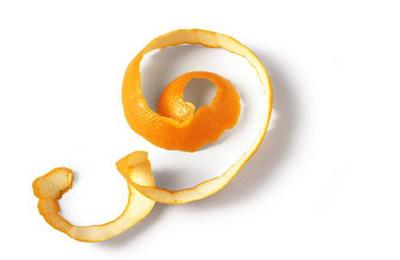
Some achievements arrive with fireworks, standing ovations, and a suspicious number of people saying, “We always believed in you.” Others arrive quietly at the kitchen counter, while you are barefoot, mildly hungry, and holding an orange. Then it happens: your thumb finds the perfect opening, the peel lifts without a fight, and the whole rind comes away in one long, curly, glorious ribbon. Congratulations. You have just peeled an orange in one shot, and yes, society should probably give you a tiny medal shaped like a citrus wedge.
The original idea behind “#908 Peeling an orange in one shot” from 1000 Awesome Things is simple, funny, and strangely profound. It celebrates one of those tiny life victories that feels too small to announce but too satisfying to ignore. Nobody puts “peeled citrus with elite technique” on a résumé, but maybe they should. It proves patience, hand-eye coordination, optimism, and the ability to work under juicy pressure.
This article explores why peeling an orange in one piece feels so good, what makes oranges built for this little miracle, how to improve your technique, and why simple pleasures like this matter more than we admit. Because sometimes happiness is not a luxury vacation or a dramatic plot twist. Sometimes it is a spiral of orange peel sitting on the table like edible modern art.
Why Peeling an Orange in One Shot Feels So Ridiculously Satisfying
Peeling an orange in one shot is satisfying because it combines surprise, skill, scent, and snack. That is a powerful team. It begins with suspense: will the peel cooperate, or will it shred into tiny stubborn islands? Then comes the tactile pleasure of the rind separating cleanly from the fruit. Finally, the reward appears: bright segments, citrus perfume, and the smug glow of someone who has briefly defeated chaos.
It is also a rare moment when nature and human effort meet in perfect agreement. The orange says, “Fine, I will open beautifully today.” Your thumb says, “I was born for this.” The peel says, “Let’s make a spiral.” For a few seconds, the world is orderly. Bills exist, emails exist, laundry exists, but none of them can touch you. You are busy becoming a citrus legend.
The Tiny Science Behind the Perfect Orange Peel
An orange is not just a ball of juice wearing a jacket. Botanically, the sweet orange is part of the citrus family, with a leathery, oily rind protecting juicy inner flesh. The peel itself has layers. The colorful outer layer is called the flavedo, and it contains fragrant oils that give oranges their fresh, bright smell. Under that is the albedo, the white, spongy layer that cushions the fruit and helps the peel separate from the segments.
That structure explains why some oranges peel like a dream while others behave like they signed a contract with inconvenience. If the albedo is just thick and loose enough, your thumb can slide between peel and fruit without tearing the rind. If the peel is too tight, too thin, dry, or damaged, your one-shot dream may become a sad confetti situation.
Navel oranges are often a good choice for easy peeling because they are commonly seedless and popular for eating fresh. Mandarins and tangerines are usually even easier, though their peels may be too soft to create the dramatic full-orange spiral. Valencia oranges can be wonderful, but they are often better known for juicing. For a heroic peel, pick a fruit that feels firm, heavy for its size, and smooth enough to grip without being rock-hard.
How to Peel an Orange in One Shot
There is no single official Olympic-certified method for peeling an orange in one piece, mostly because the Olympic committee has not yet returned our calls. Still, there are reliable steps that improve your odds.
1. Choose the Right Orange
Start with a fresh orange that feels heavy, firm, and free from soft spots or deep bruises. A heavy orange usually suggests juiciness, and an intact peel gives you a better chance of creating one continuous strip. Avoid fruit with wrinkled skin, mushy patches, or cuts. Those oranges may still have a purpose in juice or zest, but they are not ideal candidates for your grand peeling performance.
2. Wash Before You Peel
Yes, even if you are not eating the peel. Food safety experts recommend rinsing produce before peeling so dirt or bacteria on the outside is not transferred to the inside by your hands or a knife. Hold the orange under plain running water, gently rub the surface, and dry it with a clean towel. No soap is needed. Your orange wants a rinse, not a spa treatment involving lavender foam.
3. Loosen the Peel Gently
Roll the orange lightly on the counter with your palm. Do not crush it like you are interrogating a fruit suspect. A gentle roll can help loosen the peel from the flesh, making it easier to lift in one smooth motion.
4. Start Near the Top
Use your thumb to make a small opening near the stem end or navel end. Try to slide under the peel rather than stabbing into the fruit. The goal is to separate the rind from the albedo and segments without puncturing the juicy flesh. Once you have a flap, breathe. This is the delicate beginning of greatness.
5. Peel in a Spiral
Move slowly around the orange, pulling the peel in a controlled spiral. Keep the strip wide enough that it does not snap, but not so wide that it fights the curve of the fruit. Think of it as unwrapping a present from a very dramatic tree.
6. Do Not Panic at the Equator
The middle of the orange is where many one-shot attempts fail. The peel may cling, the strip may narrow, and doubt may enter your soul. Keep your thumb close to the fruit, lift gradually, and rotate the orange instead of yanking. This is not a tug-of-war. It is a negotiation.
7. Celebrate the Ribbon
When the peel comes off in one piece, place it on the table and admire it. Let it curl naturally. Take a moment. You have created a citrus slinky. You have made biodegradable sculpture. You have earned the first segment.
Why the Smell Makes the Moment Better
One reason peeling an orange feels joyful is the smell. When the peel bends and breaks, tiny oil glands in the flavedo release citrus aroma. That scent is sharp, clean, and cheerful, like sunshine got squeezed into a mist. It is also immediate. Before you even taste the orange, your brain gets a bright little signal: snack incoming.
Smell is closely tied to memory, which is why peeling an orange can suddenly transport you to a school lunch, a soccer sideline, a winter kitchen, a road trip, or your grandmother’s table. It is amazing how a fruit can act like a time machine while also being affordable and available at grocery stores.
The Orange Is a Snack With Built-In Drama
Some foods are delicious but visually boring. The orange is not one of them. It has stages. First, there is the whole fruit: bright, round, and slightly mysterious. Then comes the peel: fragrant, textured, and unpredictable. Then the segments appear, arranged like nature hired an architect. Finally, each wedge pops apart, juicy and neat, unless you are eating in a white shirt, in which case the orange may choose violence.
Nutritionally, oranges are also more than a pretty snack. A medium orange provides vitamin C, dietary fiber, water, and natural sugars wrapped in a portable package. Whole oranges offer fiber that juice does not provide in the same amount, which is one reason eating the fruit can feel more filling than drinking it. The orange is basically a snack, hydration break, and tiny engineering marvel wearing the same outfit.
What the Perfect Peel Teaches Us About Simple Pleasures
The genius of 1000 Awesome Things is that it takes overlooked moments and gives them a spotlight. Peeling an orange in one shot is not important in the global-news sense. It will not fix your Wi-Fi, lower your rent, or make your group chat less chaotic. But it reminds you that joy does not always need to be expensive, dramatic, or scheduled three months in advance.
Simple pleasures are powerful because they interrupt autopilot. You are not just eating fruit; you are noticing texture, scent, color, sound, and timing. You are paying attention. That tiny act of attention can turn an ordinary snack into a small ceremony.
There is also a gentle lesson in patience. If you rush, the peel tears. If you force it, juice sprays. If you slow down, follow the curve, and let the fruit reveal itself, the result is better. Honestly, that is not a bad metaphor for many things: conversations, creative projects, assembling furniture, and trying not to send an email that begins with “Per my last message.”
Common Orange-Peeling Mistakes
Digging Too Deep
If your thumb goes straight into the flesh, the orange becomes slippery and the peel loses support. Start shallow. Your mission is to lift the rind, not excavate a tunnel.
Choosing a Dry Orange
A dry, old orange often has a peel that either clings desperately or breaks into flakes. Choose fresh fruit with a lively feel. If it looks tired, it probably is. We respect its journey, but we do not assign it to the one-shot team.
Pulling Too Hard
The peel is flexible, not indestructible. Pulling too hard creates tears. Instead, use your thumb to separate the peel ahead of the pull. The motion should feel like guiding, not wrestling.
Ignoring the Pith
The white pith, or albedo, is your secret helper. It gives the peel structure. If you remove only the thin orange outer skin, the strip will break. If you include too much pith, the peel may feel bulky but stronger. For one-shot success, a little pith is your friend.
What to Do With the Peel After Your Victory
Once you have created the legendary one-piece peel, do not immediately toss it away like yesterday’s receipt. Orange peel can be used in many practical ways when handled safely. Fresh zest can brighten baked goods, dressings, sauces, marinades, and desserts. Dried orange peel can add flavor to teas, granola, cooked cereals, candies, and holiday recipes. The peel can also make your trash can smell slightly less like a trash can, which is not glamorous but is deeply useful.
If you plan to cook with the peel, wash the orange first and use fruit that is free from mold, waxy buildup, or damage. A microplane can remove fragrant zest while leaving behind much of the bitter white pith. If drying peel at home, follow safe food-preservation guidance and store it properly so your future cookies taste like citrus, not mystery cupboard.
The Social Power of a Perfect Orange Peel
Peeling an orange in one shot is one of those skills that makes people look up. It is not loud. It is not flashy. But when someone sees a full spiral peel on your desk, they know something rare has happened. A coworker may nod respectfully. A child may gasp. A friend may say, “Wait, how did you do that?” Suddenly, you are not just a person eating fruit. You are a person with a method.
This is the beauty of tiny talents. They do not need to be monetized, optimized, or turned into a personal brand. They can simply exist as proof that everyday life has room for play. A clean orange peel is a harmless flex. It says, “I have no control over traffic, software updates, or the price of groceries, but I can do this.”
Orange-Peeling Experiences: A 500-Word Tribute to the Tiny Win
The first time you peel an orange in one shot, you may not even mean to do it. You are probably just hungry. Maybe it is late afternoon, the exact hour when your brain starts making dial-up noises. You grab an orange because it seems virtuous, affordable, and less complicated than cooking. You press your thumb into the top, expecting the usual battle: peel under the nail, juice on the wrist, tiny bits of rind stuck to everything. But then the peel lifts cleanly. You turn the orange. It keeps going. You turn again. Somehow the strip does not snap. Suddenly, you are standing in your kitchen holding a perfect orange ribbon, and the day has improved by at least 17 percent.
There is a special kind of pride in that moment because it is private and completely unnecessary. Nobody asked you to peel it that way. No one was judging. The orange did not come with instructions that said, “Please remove outer rind in one continuous spiral for maximum emotional benefit.” Yet when it happens, you feel chosen. The fruit has trusted you. The snack gods have smiled.
Many people have an orange memory. Maybe yours is halftime at a childhood soccer game, when orange slices appeared in plastic containers and tasted better than any luxury dessert. Maybe it is winter break, when someone placed a bowl of oranges on the table and the whole room smelled brighter. Maybe it is a lunchbox memory: the peel already started by a parent who knew small kindnesses matter. Or maybe it is a desk snack eaten between meetings, where the citrus smell briefly transforms stale office air into something almost poetic.
Peeling an orange in one shot can also become a small ritual. You rinse the fruit, dry it, roll it once under your palm, and begin. The first flap is everything. Too small, and the peel breaks. Too deep, and the fruit leaks. But when the opening is right, the rest feels like following a path that was already there. Around and around you go, the orange slowly revealing itself. The peel curls down like ribbon from a birthday present. Except the present is vitamin C and the ribbon smells better.
There is comedy in failure, too. Sometimes the peel tears immediately, and you are left with a thumb full of pith and a wounded ego. Sometimes the orange sprays juice directly toward your sleeve, because fruit has excellent aim when you are wearing light colors. Sometimes the peel comes off in one piece, but the orange underneath is covered in so much white pith that it looks like it is wearing a sweater. These are not defeats. They are rehearsals.
The best part is that the reward is immediate. You do not have to wait for applause, approval, or a progress report. You peel the orange, admire the spiral, eat the segments, and move on with your day slightly happier than before. That is the whole magic. It is a tiny success you can hold in your hand. It is proof that ordinary moments can still surprise you. It is snack-sized optimism.
Conclusion: A Small Spiral of Happiness
Peeling an orange in one shot deserves its place among awesome things because it turns a normal snack into a tiny triumph. It is part skill, part luck, part fruit architecture, and part emotional sunshine. The orange gives you color, scent, flavor, hydration, and a challenge that is just difficult enough to feel rewarding without requiring safety goggles.
In a world obsessed with big achievements, this little citrus victory reminds us to notice the small wins. The clean peel. The bright smell. The first juicy segment. The ridiculous pride of making one long, curly strip from something you were going to eat anyway. That is the charm of #908. It is not just about peeling an orange. It is about finding delight in the ordinary and letting a simple moment be enough.