Purging after meals can feel like a private battle happening in a very loud room: your body is asking for care, your mind is running a courtroom drama, and guilt is banging a tiny judge’s hammer on the table. If this sounds familiar, please know this first: you are not weak, dramatic, or “bad at willpower.” Purging is often part of an eating disorder cycle, and eating disorders are real mental and physical health conditionsnot personality flaws.
The good news is that recovery is possible. The even better news is that you do not have to become a perfect “recovery influencer” overnight, sipping herbal tea while journaling in perfect cursive. Stopping purging after meals usually begins with small, repeatable actions: delaying the urge, creating a safer post-meal routine, getting professional support, and rebuilding trust with food and your body.
This guide explains four practical, health-focused ways to stop purging after meals. It is educational, not a replacement for care from a doctor, therapist, or registered dietitian. If you are purging, having chest pain, fainting, feeling very weak, seeing blood, or feeling unable to stay safe, seek urgent medical help right away.
Why Purging After Meals Happens
Purging often shows up as an attempt to reduce anxiety, guilt, fullness, fear of weight gain, or the feeling of being “out of control” around food. For some people, it follows binge eating. For others, the urge appears after a normal meal or snack. Either way, the behavior can become a loop: eat, panic, purge, feel temporary relief, then face more shame and stronger urges later.
That loop is sneaky. It may promise control, but it often takes control away. Purging can harm digestion, teeth, the throat, hydration, electrolytes, heart rhythm, mood, and energy. It can also make hunger and fullness cues more confusing, which can keep the cycle going. The goal is not to scare you; it is to tell the truth kindly. Your body is not the enemy here. It is the teammate that has been carrying you through a tough season.
1. Create a Post-Meal Safety Plan Before the Urge Hits
The hardest time to make a smart recovery choice is when the urge is already yelling. That is why a post-meal safety plan works best when it is made before eating. Think of it like setting up a GPS before driving. You do not wait until you are lost in a roundabout arguing with three lanes of traffic.
Use the “First 30 Minutes” Rule
Many urges rise after eating and then slowly lose intensity if you do not act on them. A helpful first goal is not “I will never purge again.” That can feel too big. Instead, try: “For the next 30 minutes, I will stay supported and away from purge-triggering situations.”
During that time, choose a low-pressure activity that keeps you gently occupied. You might sit near a family member, watch a comfort show, work on a puzzle, call a trusted friend, fold laundry, play a calm game, or take your dog outside if that feels safe and not exercise-driven. The activity does not need to be inspirational. It just needs to help you ride the wave.
Change the Environment
After meals, avoid isolating yourself in places where purging usually happens. Stay in a shared room. Keep the bathroom door open if appropriate in your home. Ask someone you trust to sit with you. If you live alone, arrange a check-in text or phone call after meals. Recovery is easier when the environment stops acting like an accomplice.
Prepare a Short Urge Script
When the urge appears, your brain may start negotiating like a tiny lawyer in a too-expensive suit. Prepare a response ahead of time:
“This is an urge, not an emergency. I do not have to obey it. I can wait 10 minutes, then 10 more. My body deserves care after eating.”
Keep it short. Long speeches are great for courtroom dramas, less great when anxiety is sprinting around your nervous system in sneakers.
2. Get Professional Support That Targets the Purging Cycle
Purging is not just a “habit” to quit. It is often connected to anxiety, body image distress, perfectionism, trauma, depression, obsessive thoughts, dieting, or binge-restrict cycles. Professional support matters because eating disorders can affect both mental and physical health.
Start With a Medical Checkup
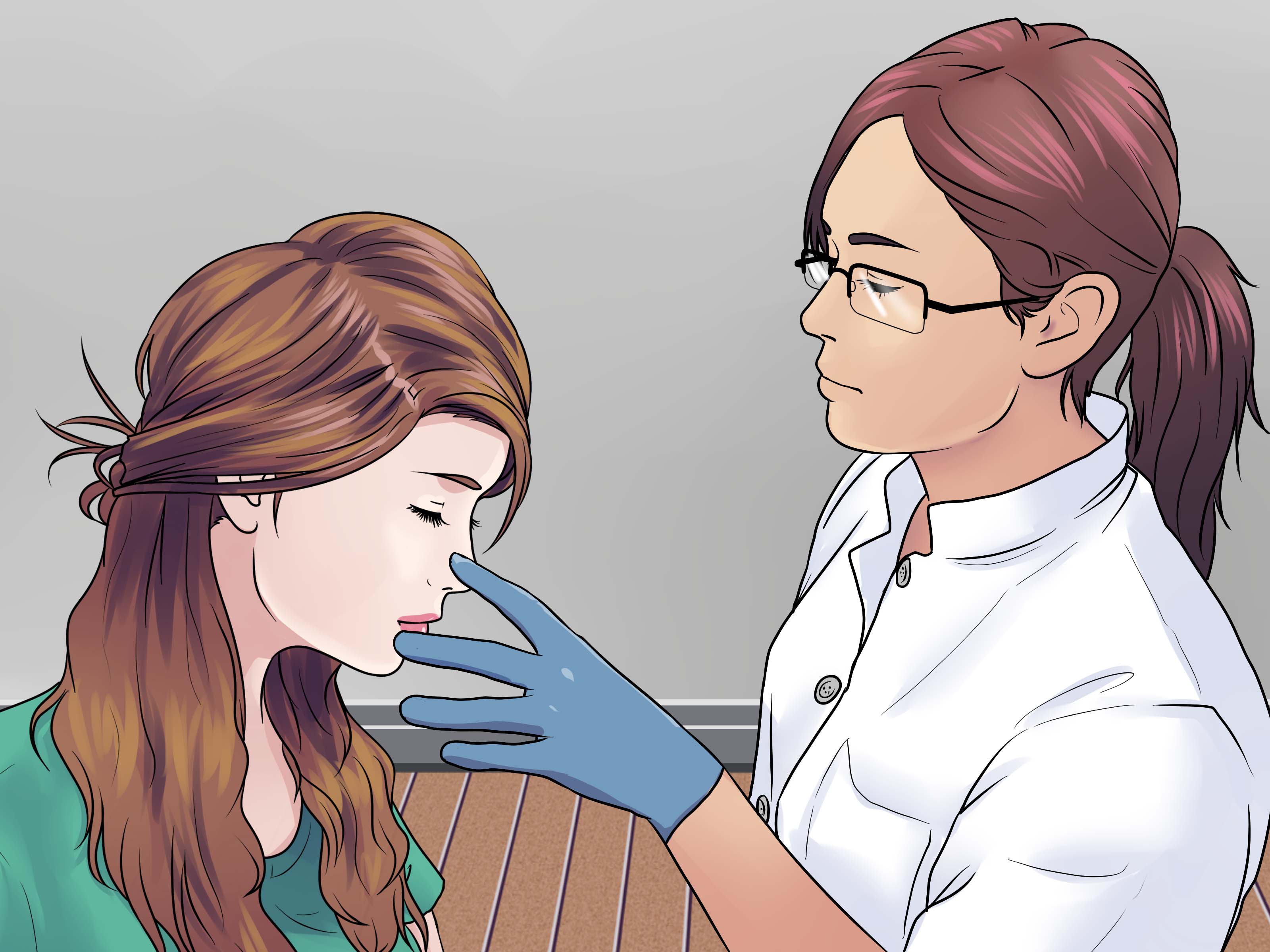
A primary care doctor, pediatrician, or adolescent medicine specialist can check for physical effects of purging, including hydration concerns, electrolyte imbalance, heart-related warning signs, digestive issues, dental damage, and general nutrition status. Even if your lab results look normal, that does not automatically mean everything is fine. Eating disorder symptoms deserve attention even when they are not obvious from the outside.
Ask About Eating-Disorder-Focused Therapy
Evidence-based treatments often include cognitive behavioral therapy designed for eating disorders, family-based treatment for many adolescents, and other structured therapies depending on age, symptoms, and medical risk. A therapist trained in eating disorders can help you identify the thoughts and triggers that lead to purging, practice new responses, and reduce shame.
Therapy is not someone saying, “Have you tried loving yourself?” while you stare at a motivational poster. Good treatment is practical. It may help you map the binge-purge or meal-purge cycle, challenge food rules, build coping skills, plan meals, involve family support when helpful, and create relapse-prevention strategies.
Work With a Registered Dietitian When Possible
A registered dietitian with eating disorder experience can help rebuild regular eating patterns. This is important because skipping meals or eating too little earlier in the day can increase biological hunger and make later urges stronger. Nutrition support is not about handing you a random “clean eating” plan. In fact, rigid food rules can make things worse. The goal is steadier nourishment, less fear, and more body trust.
Consider Higher Levels of Care if Needed
Some people need outpatient therapy. Others need intensive outpatient, partial hospitalization, residential, or inpatient care, especially if purging is frequent, medical signs are concerning, or stopping feels impossible alone. Needing more support is not failure. It is matching the level of care to the level of needlike using a fire hose for a fire instead of politely offering it a teacup.
3. Replace Purging With Skills That Reduce Anxiety After Eating
Purging often works as a short-term anxiety reducer, which is why simply saying “don’t do it” is rarely enough. You need replacement skills that tell your nervous system, “We are uncomfortable, but we are not in danger.”
Try Grounding Skills
Grounding brings attention back to the present moment. After a meal, you might name five things you can see, four things you can feel, three things you can hear, two things you can smell, and one thing you can taste. You can also hold an ice-cold drink, wrap yourself in a blanket, or press your feet into the floor and describe the room around you.
The goal is not to magically adore fullness. The goal is to stay present long enough for the urge to pass without acting on it.
Use Delay, Distract, Decide
When the urge hits, try this three-step pattern:
Delay: Set a timer for 10 minutes. Tell yourself you only have to get through this small window.
Distract: Choose one safe activity: text someone, listen to music, organize your desk, doodle, read a light article, or watch a familiar show.
Decide: When the timer ends, ask, “Can I delay another 10 minutes?” Most recovery wins are built from these tiny extensions.
Write a Post-Meal Reality Check
Eating disorder thoughts are often loud and absolute: “I ruined everything,” “I have to fix this,” or “I can’t handle this feeling.” A reality check helps you answer back:
What happened? I ate dinner.
What is my brain saying? I should panic.
What is a kinder, more accurate thought? Dinner is normal. Fullness changes. I can care for myself without purging.
This may feel awkward at first, like trying to have a calm conversation with a raccoon in your kitchen. Keep practicing anyway. Your brain learns through repetition.
4. Build a Support System That Makes Recovery Less Lonely
Eating disorders thrive in secrecy. Support does not instantly erase urges, but it can make them less powerful. The right people can help you stay connected, interrupt the cycle, and remember that you are more than a behavior you are trying to change.
Tell One Safe Person
You do not have to announce your recovery journey with a dramatic group text and a soundtrack. Start with one safe person: a parent, older sibling, trusted teacher, coach, school counselor, doctor, friend’s parent, therapist, or family member. You can say:
“I’m struggling with purging after meals, and I don’t think I can handle it alone. I need support after eating and help finding professional care.”
Simple is enough. You are asking for support, not presenting a TED Talk.
Use Meal Support
Meal support means someone stays with you before, during, or after eating. They do not need to lecture you about calories, bodies, or “healthy choices.” In fact, please retire those speeches to the attic where they belong. Helpful meal support is calm, practical, and nonjudgmental. It might include eating together, chatting about neutral topics, playing a board game afterward, or helping you follow your post-meal safety plan.
Find Recovery Communities Carefully
Support groups, especially those led by trained professionals or reputable eating disorder organizations, can reduce isolation. Choose pro-recovery spaces that discourage numbers, comparison, body-checking, dieting tips, or graphic behavior details. A good support space should help you feel less alone and more committed to healingnot more competitive, ashamed, or triggered.
What to Do When You Slip
A slip does not erase progress. Recovery is rarely a clean straight line. It is more like a hiking trail designed by someone who had a questionable relationship with maps. If you purge after trying not to, the next step is not punishment. The next step is care.
Drink fluids as advised by a healthcare professional, avoid extreme “make-up” behaviors, and return to your next planned meal or snack. Tell your therapist, doctor, dietitian, or support person. Look at what happened with curiosity: Were you alone? Did you skip food earlier? Were you stressed, angry, ashamed, or overwhelmed? Did a comment, mirror, scale, social media post, or body-checking moment trigger the urge?
The point is not to build a case against yourself. The point is to gather information for the next safety plan.
When to Seek Urgent Help
Get urgent medical help if you have chest pain, fainting, confusion, severe weakness, irregular heartbeat, blood in vomit or stool, severe dehydration, or thoughts of harming yourself. If you are a teen, tell a trusted adult as soon as possible. Eating disorder symptoms can become medically serious, and you deserve care before things reach a crisis.
Personal Experiences and Real-Life Recovery Lessons
Many people who recover from purging describe the beginning as the hardest partnot because they lack motivation, but because the behavior has become tangled with relief. One common experience is the “after-meal panic spike.” A person may eat something completely ordinary, such as pasta, a sandwich, or a bowl of cereal, and suddenly feel as if they have done something wrong. The food is not the real problem. The panic is. Learning to separate “I feel guilty” from “I did something bad” can be a turning point.
Another frequent lesson is that secrecy keeps the cycle alive. Someone may promise themselves, “I’ll stop tomorrow,” over and over, while hiding the struggle from everyone. The first conversation with a trusted person can feel terrifying, but it often reduces the pressure. A supportive parent, friend, counselor, or doctor can help create structure after meals. Even sitting in the living room for 30 minutes instead of disappearing alone can become a meaningful recovery step.
People also learn that regular eating matters more than they expected. At first, eating consistent meals and snacks may feel like the opposite of control. But under-eating can make urges worse by increasing hunger, food thoughts, and emotional reactivity. Recovery often becomes easier when the body is no longer running on emergency mode. A nourished brain is usually better at making flexible decisions than a deprived one.
Many recovery stories include awkward coping experiments. Someone tries journaling and hates it. Someone else discovers that folding towels after dinner works better than deep breathing. Another person keeps a comedy show ready for post-meal distraction because laughing softly feels safer than sitting alone with racing thoughts. The best coping skill is not the one that looks impressive online. It is the one you will actually use when the urge shows up wearing muddy boots.
Slips are also part of many recovery experiences. People often think a slip means they are “back to zero,” but that is not true. A slip can reveal missing support, an unhelpful food rule, a stressful relationship, or a time of day that needs more structure. Recovery grows when slips become information instead of evidence for self-hate.
Finally, many people describe a slow return of mental space. When purging becomes less frequent, life can gradually get bigger. Meals become less like exams. Social plans become less complicated. The brain has more room for school, work, hobbies, relationships, music, pets, bad jokes, and ordinary Tuesday nonsense. That is the heart of recovery: not becoming perfect, but becoming free enough to live.
Conclusion
Stopping purging after meals is not about forcing yourself to “just be normal.” It is about building a recovery system strong enough to hold you when the urge feels intense. Start with a post-meal safety plan. Get medical and mental health support. Practice anxiety-reducing skills. Bring safe people into the process. None of these steps require perfection. They require repetition, honesty, and support.
Your body is not asking for punishment after meals. It is asking for care. One delayed urge, one supported dinner, one honest conversation, and one professional appointment can become the beginning of a much larger recovery story.