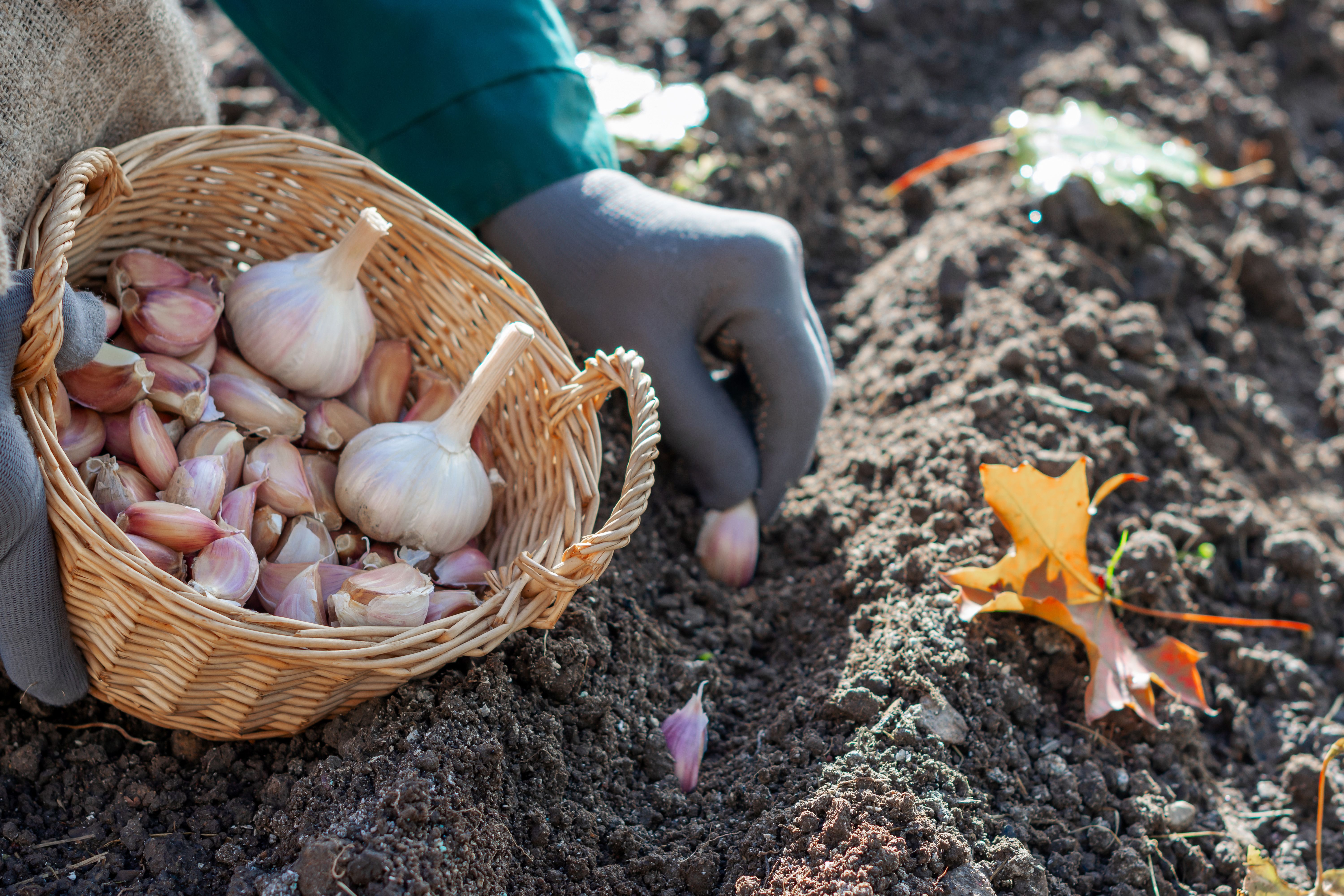
Garlic is one of those garden crops that looks almost suspiciously easy. Push a clove into the soil, wait through winter, and boomsummer bulbs, kitchen bragging rights, and the smug pleasure of saying, “Oh, this? I grew it.” But garlic has standards. Quiet standards, yes, but standards all the same.
Plant garlic in the wrong place and it will not throw a dramatic tantrum. It will simply produce tiny bulbs, weak leaves, mushy cloves, or nothing worth curing. The problem is usually not the garlic itself. It is the location. Garlic wants full sun, loose fertile soil, steady moisture, good drainage, and enough space to form bulbs without fighting weeds, tree roots, or soggy clay. Give it those conditions, and garlic becomes one of the most rewarding fall-planted crops in the home garden.
This guide breaks down the 6 worst places to grow garlic, explains why those spots fail, and shows you exactly where to plant garlic instead for bigger, healthier bulbs.
Why Garlic Planting Location Matters So Much
Garlic is usually planted in fall and harvested the following summer. That means it spends months in the ground, building roots before winter, waking up in spring, growing leaves, and finally forming bulbs as days lengthen. A bad planting site does not just cause one bad week. It affects the entire crop from root development to harvest size.
Unlike quick crops such as radishes or lettuce, garlic cannot easily be moved once planted. If the bed is too wet, too shady, too compacted, or too crowded, the plant has to endure those conditions for most of the year. The result is often small bulbs, uneven growth, disease pressure, or cloves that rot before they ever become dinner.
1. Deep Shade Under Trees or Buildings
The first terrible place to grow garlic is deep shade. A narrow strip behind the garage, the north side of a fence, or a bed under a dense maple may look like unused garden real estate, but garlic is not a mushroom. It does not want to live in the dark and think about its choices.
Garlic needs plenty of direct sunlight to grow strong leaves. Those leaves are not just decoration. They are the plant’s food factories. The more healthy leaves garlic produces before bulbing, the better chance it has of forming large, well-filled bulbs. In heavy shade, the tops grow weak and thin, and the bulbs often stay disappointingly small.
Where to Plant Garlic Instead
Choose a site that receives at least six hours of direct sun per day, with eight or more hours being even better. A south-facing or west-facing vegetable bed is often ideal. If your yard has mixed light, watch the sun pattern in fall and spring, not just midsummer. Deciduous trees may allow more light before they leaf out, but garlic still needs strong sun during spring bulb development.
If your only in-ground beds are shaded, plant garlic in a large container, raised bed, or grow bag placed on a sunny patio. The container should be deep enough for root growth and must have drainage holes. Garlic will tolerate cool weather, but it will not perform well in a gloomy corner where sunlight only visits briefly and leaves without saying goodbye.
2. Wet, Soggy, Poorly Drained Soil
Garlic likes moisture, but it hates wet feet. There is a big difference between soil that stays evenly moist and soil that behaves like pudding. Low spots where rainwater collects, heavy beds that remain soggy after storms, or areas near leaky downspouts are among the worst places to plant garlic.
Soggy soil can limit oxygen around the roots and encourage rot. Garlic cloves planted in wet ground may decay before they root properly. Even established plants can struggle when soil remains waterlogged through winter or spring. You may see yellowing leaves, uneven emergence, soft bulbs, or missing plants where cloves simply disappeared underground.
Where to Plant Garlic Instead
Plant garlic in soil that drains well but still holds some moisture. A good garlic bed should feel crumbly, not sticky. After a rain, water should move through the bed instead of sitting on top for hours. If your garden soil is heavy or slow-draining, raised beds are your best friend. Build them 10 to 12 inches high if drainage is a serious issue, and fill them with a loose mix enriched with compost.
You can also improve drainage by adding organic matter, loosening compacted soil, and avoiding foot traffic in the bed. Do not plant garlic in a ditch, at the base of a slope, or anywhere your garden boots make that unpleasant squishing sound. Garlic is flavorful, but it is not aquatic.
3. Heavy Clay That Has Not Been Improved
Clay soil is not automatically bad. In fact, clay can hold nutrients well. The problem comes when it is dense, compacted, sticky when wet, and brick-hard when dry. Garlic bulbs need room to expand. If the soil is too tight, bulbs may become small, misshapen, or slow to size up.
Heavy clay can also create drainage problems, especially in rainy climates. In winter, cloves may sit in cold wet soil. In summer, the same bed can bake into a hard crust. That is a rough life for a plant trying to produce plump bulbs.
Where to Plant Garlic Instead
Plant garlic in loose, fertile, well-drained soil with plenty of organic matter. If your native soil is clay-heavy, amend it before planting with finished compost or well-rotted organic material. The goal is not to turn clay into beach sand. The goal is to create a crumbly planting zone where roots can spread and bulbs can swell.
Raised beds are especially helpful for clay gardens. They warm faster in spring, drain better during wet periods, and allow you to build a more garlic-friendly soil texture. Before planting, loosen the bed several inches deep. Remove rocks, hard clods, and old roots. Garlic appreciates a soft landing, not a wrestling match.
4. Compacted Paths, Lawn Edges, or High-Traffic Areas
Another bad place to grow garlic is anywhere people, pets, wheelbarrows, or garden carts regularly travel. The edge of a lawn, a shortcut path through the garden, or the strip beside a shed may seem convenient, but compacted soil can stunt garlic before it gets started.
Compaction squeezes the air spaces out of soil. Roots have a harder time penetrating, water may run off instead of soaking in, and bulbs cannot expand properly. Garlic roots are not built like construction equipment. They prefer prepared beds, not soil that has been stomped into a driveway with grass.
Where to Plant Garlic Instead
Choose a dedicated bed where the soil will not be stepped on after planting. If you use wide beds, create permanent paths around them so you can reach the crop without compacting the root zone. In small gardens, a narrow raised bed can make maintenance easier while keeping feet out of the planting area.
Before planting garlic, loosen compacted soil with a garden fork. Work in compost, then rake the surface smooth. Avoid tilling when soil is very wet because that can create clods and long-term structure problems. A garlic bed should feel like a well-made cake crumb, not like sidewalk with ambition.
5. Beds Overrun With Weeds
Garlic grows upright, but it does not form a dense canopy quickly. Young garlic plants can easily be outcompeted by weeds, especially in spring when everything in the garden seems to wake up and shout, “My turn!” Weed pressure is one of the sneakiest reasons garlic bulbs end up small.
Weeds compete for sunlight, water, and nutrients. They can also reduce airflow around the crop, making conditions more favorable for disease. Since garlic is in the ground for many months, a weedy site can become a long-term headache.
Where to Plant Garlic Instead
Plant garlic in a clean, prepared bed where perennial weeds have been removed before planting. If the area has aggressive weeds such as bindweed, quackgrass, or nutsedge, solve that problem before using the site for garlic. Otherwise, you will spend spring trying to untangle garlic leaves from a botanical rebellion.
After planting, apply a layer of clean straw, shredded leaves, or another weed-free mulch. Mulch helps reduce weed germination, protects cloves from temperature swings, and helps conserve soil moisture. In spring, check the bed regularly and pull weeds while they are small. Garlic does not need constant pampering, but it does appreciate not having to share breakfast with a hundred freeloaders.
6. Recently Used Allium Beds With Disease Pressure
Planting garlic in the same place year after year may feel efficient, but it can invite trouble. Garlic belongs to the allium family, along with onions, leeks, shallots, and chives. When related crops are grown repeatedly in the same bed, soilborne pests and diseases may build up over time.
This is especially important if you have seen problems such as rotting bulbs, stunted plants, unusual yellowing, or poor growth in previous allium crops. Even if the bed looks fine, repeated planting can increase risk. Garlic is tough, but it is not interested in moving into a neighborhood already crowded with its enemies.
Where to Plant Garlic Instead
Rotate garlic to a different bed whenever possible. Avoid planting it where onions, garlic, leeks, or shallots recently grew. A three-year rotation is a practical goal for many home gardeners. Plant garlic after unrelated crops such as beans, peas, lettuce, tomatoes, peppers, or summer squash, as long as the bed is sunny, fertile, and well drained.
Also start with healthy planting stock. Use seed garlic from a reputable garden center, farm, or seed supplier rather than random grocery store cloves. Grocery garlic may be treated to reduce sprouting, may not be adapted to your climate, or may carry problems you do not want in your garden. Saving your own garlic for replanting can work well, but only choose the largest, healthiest bulbs from disease-free plants.
The Best Place to Grow Garlic: A Simple Checklist
Now that we have insulted all the worst garlic locations, let’s describe the dream spot. The best place to grow garlic is a sunny, well-drained bed with loose fertile soil, moderate moisture, and low weed pressure. It should be easy to water, easy to reach, and not recently planted with other alliums.
Look for These Conditions
- Full sun: At least six hours daily, preferably eight or more.
- Good drainage: No standing water after rain.
- Loose soil: Crumbly texture that allows bulb expansion.
- Organic matter: Compost or well-rotted organic material mixed in before planting.
- Soil pH near neutral: Garlic generally performs best around slightly acidic to neutral soil.
- Low weed pressure: A clean bed plus mulch makes spring care easier.
- Crop rotation: Avoid following onions, leeks, shallots, or garlic in the same spot.
Raised Beds vs. In-Ground Beds: Which Is Better for Garlic?
Garlic can grow beautifully in either raised beds or in-ground beds. The best choice depends on your soil. If your native soil is naturally loose, fertile, and well drained, an in-ground bed may be perfectly fine. Add compost, plant at the right depth, mulch, and you are in business.
If your soil is heavy clay, compacted, rocky, or wet in winter, raised beds are often the better option. Raised beds improve drainage, make it easier to control soil texture, and reduce compaction because you can work from the sides. They are also helpful in small yards where the sunniest location might be a patio, driveway edge, or side yard.
Containers can work too, especially if you want garlic greens or have limited space. Use a container at least 8 inches deep, with drainage holes, and fill it with a quality potting mix rather than dense garden soil. Container garlic needs more attention to watering because pots dry out faster than garden beds.
Common Garlic Planting Mistakes to Avoid
Even in the right location, a few mistakes can reduce your garlic harvest. Planting too late may prevent good root development before winter. Planting too shallow can expose cloves to frost heaving, while planting too deep may delay emergence. Using tiny cloves often leads to tiny bulbs. Forgetting to mulch can make weeds and temperature swings harder to manage.
Overwatering is another classic mistake. Garlic needs moisture during active growth, especially in spring, but it should not be kept soggy. As harvest approaches and the lower leaves begin to brown, reduce watering. Wet soil late in the season can hurt bulb quality and storage life.
Finally, do not fertilize heavily late in the season. Nitrogen is useful for spring leaf growth, but too much late nitrogen can delay bulbing or reduce storage quality. Think of garlic like a student before finals: feed it early, support it during the busy season, then stop hovering when it needs to finish the job.
of Real-World Garlic Growing Experience
The biggest lesson from growing garlic is that the crop rewards preparation more than constant attention. Gardeners often want to fuss over garlic after planting, but most of the success is decided before the cloves go into the ground. A well-chosen bed can make garlic feel almost effortless. A poor site can turn even excellent seed garlic into a crop of tiny bulbs that look like they need emotional support.
One common experience is discovering that “sunny enough” is not always sunny enough. A bed may look bright in October when leaves are falling, but by late spring, nearby trees can cast longer shade than expected. Garlic planted there may sprout well, grow politely, and then produce small bulbs. The fix is simple but important: observe the site during spring growth, when garlic is building the leaves that feed bulb formation. If the bed gets morning sun but spends the afternoon in shade, move next year’s garlic to a brighter location.
Another hard-earned lesson is that drainage matters more than enthusiasm. Many gardeners plant garlic in a low, rich-looking spot because the soil seems dark and moist. Then winter rain arrives, the bed stays soggy, and some cloves rot before spring. The better choice is often a slightly raised area, even if the soil needs compost. Garlic would rather live in a modest raised bed with good drainage than in a luxurious swamp with gourmet compost.
Clay soil teaches patience. The first year in heavy clay may produce odd-shaped bulbs, especially if the bed was not loosened deeply. But adding compost every season, using mulch, and avoiding foot traffic gradually improves structure. Raised beds speed up the process. Over time, the soil becomes easier to plant, weeds pull more cleanly, and garlic bulbs size up better.
Weeds are another practical teacher. Garlic disappears visually when weeds get ahead of it. A bed that looks manageable in March can become a jungle by May. Mulch is not optional in many gardens; it is the difference between a peaceful garlic patch and a part-time job. Clean straw, shredded leaves, or a similar mulch can reduce weeds and help soil moisture stay even.
Finally, rotation is easy to ignore until it is not. If garlic grew well in one bed, the temptation is to plant it there forever. But moving it around the garden keeps the crop healthier. A simple notebook or phone note can help track where alliums grew each year. Future you will be grateful, and future garlic will be larger, cleaner, and less dramatic.
Conclusion: Give Garlic the Right Home and It Will Pay You Back
Garlic is not difficult, but it is particular. Avoid deep shade, soggy soil, unimproved clay, compacted paths, weedy beds, and recently used allium plots. Instead, plant garlic in a sunny, loose, fertile, well-drained bed with compost, mulch, and enough space to grow. Do that, and your harvest can go from “adorable but tiny” to “I should start making garlic bread immediately.”
The best place to plant garlic is not mysterious. It is simply the place where roots can breathe, leaves can soak up sun, bulbs can expand, and weeds do not run the neighborhood. Choose that spot in fall, care for it lightly in spring, and by summer you will have bulbs worth curing, storing, cooking, and proudly showing to anyone who makes the mistake of asking about your garden.