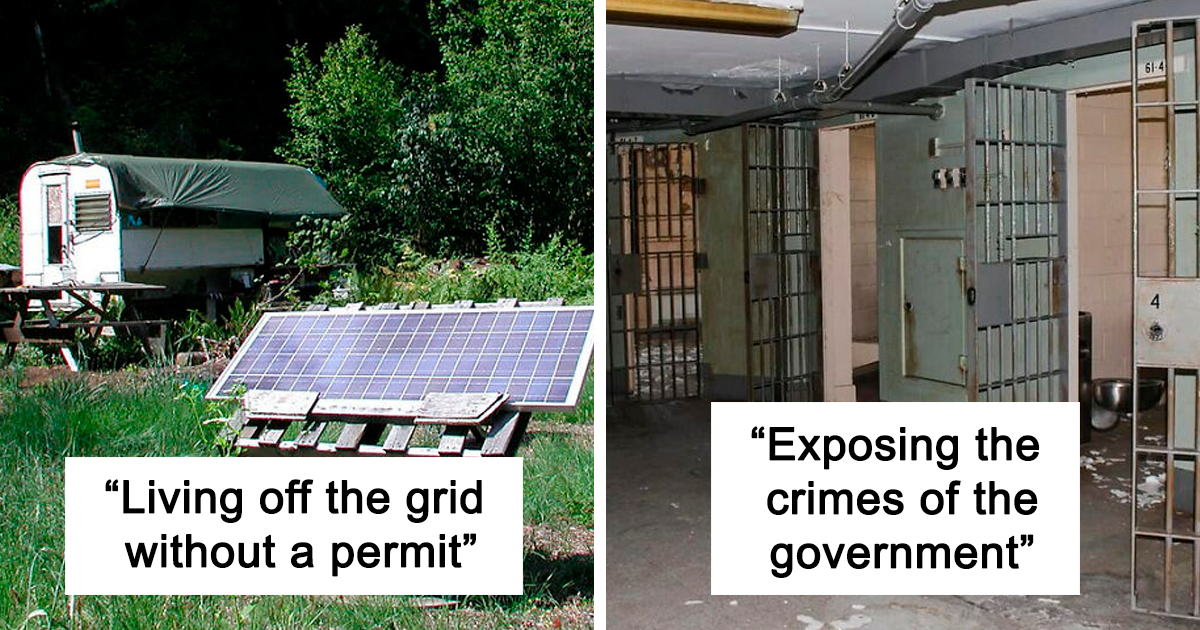
Some questions spread online because they’re funny. Others spread because they poke the exact nerve we all pretend we don’t have.
This one is definitely nerve-related.
“What is something illegal but not ethically wrong?” sounds simple until you realize law and morality are like two neighbors who wave politely but never borrow sugar.
Laws are enforceable rules. Ethics are judgments about right and wrong. Most days they overlap. On messy days, they absolutely do not.
In this article, we break down 30 answers people often give in forums and discussion groups when this question comes up. The goal here is not to glorify lawbreaking.
It’s to analyze moral gray zones: emergency choices, survival decisions, civil disobedience, whistleblowing, and technology restrictions that many people feel are out of step with common sense.
Why This Question Keeps Exploding Online
People ask this because they can feel a basic truth: legality and morality are related, but they are not identical twins.
Sometimes laws are slow to adapt. Sometimes they overreach. Sometimes they were drafted for order, not justice.
And sometimes a human emergency doesn’t wait for paperwork.
Ethicists usually test these moments with a few questions:
- Who is harmed, and who is protected?
- Is there a less harmful legal alternative?
- Was this done for selfish gain or to prevent greater harm?
- Would this still seem right if everyone knew what happened?
Keep those in mind as we walk through 30 common “illegal but ethical” answers people gave.
30 Answers People Gave (And Why They Keep Resonating)
Important context: This is ethical analysis, not legal advice. Laws vary by jurisdiction, and consequences can be serious.
-
Calling 911 during an overdose even if drugs are present
Many people think this is morally mandatory: save a life first, sort the legal mess later.
Fear of arrest has historically stopped people from calling for help, which is why this answer appears again and again in online threads. -
Breaking curfew to deliver critical medicine
If someone needs insulin, seizure medication, or emergency treatment, waiting for “office hours” feels ethically absurd.
The moral logic is straightforward: preserving life outranks procedural compliance. -
Sleeping in your car instead of driving drowsy
In places with no-overnight-parking enforcement, people still choose to sleep because the alternative could be deadly.
Ethically, choosing the safer option for everyone on the road feels right. -
Brief trespass to prevent immediate harm
Jumping a fence to stop someone from getting hurt, pull out a trapped animal, or avoid imminent danger is often viewed as ethically justified.
People see this as “lesser harm” thinking. -
Crossing an empty street outside a crosswalk
Classic example. It’s still illegal in some places, but people call it ethically neutral when done safely.
This shows how public-order laws can feel disconnected from lived reality. -
Sharing food in public where permits are required
Volunteers who feed hungry people sometimes face local restrictions.
Online commenters frequently argue that preventing hunger is ethically higher priority than permit bureaucracy. -
Distributing water during dangerous heat without authorization
In extreme weather, handing out water can be treated like an unauthorized operation.
Ethically, many people frame this as basic harm reduction and community care. -
Sleeping outdoors when shelter beds are unavailable
Anti-camping laws can criminalize survival behavior.
Commenters often argue this is a policy failure, not a moral failure by unhoused people. -
Giving blankets or tents where aid restrictions exist
Some jurisdictions regulate support around encampments.
Ethically, many people view offering warmth and safety gear as compassion, not wrongdoing. -
Running a pop-up mutual-aid station without permits
Think free first-aid, cooling, or hydration tables during crises.
Technically noncompliant in some cities, but widely seen as socially responsible. -
Street vending low-cost meals during emergencies without full licensing
In disaster conditions, strict licensing can conflict with immediate need.
People online often see this as ethically positive if safety and hygiene are respected. -
Installing a community fridge before zoning approval
Bureaucracy can move slowly; hunger moves fast.
Many commenters frame this as civil initiative filling a gap institutions didn’t fill in time. -
Guerrilla gardening on abandoned lots
Technically unauthorized use of land, but often motivated by neighborhood cleanup and food access.
Ethically, people see restoration and stewardship, not exploitation. -
Nonviolent sit-ins that block entrances
Civil disobedience often violates minor laws by design to spotlight major injustice.
Commenters argue disruption can be ethically justified when regular channels fail. -
Marching without a permit after arbitrary denials
Protest rules can become tools of suppression if applied unfairly.
Many people treat peaceful assembly as a core ethical right even under legal risk. -
Refusing to obey a discriminatory rule
Historically, plenty of now-celebrated moral acts began as unlawful resistance.
Online groups consistently cite this as the strongest example of “illegal but ethical.” -
Whistleblowing despite strict NDA pressure
If an organization hides fraud, danger, or abuse, insiders may reveal it at personal risk.
Ethically, truth-telling to protect the public is often seen as justified. -
Leaking proof of serious safety hazards after internal reports are ignored
People often frame this as last-resort accountability.
The moral argument: keeping quiet may be legal-compliant but ethically worse if harm continues. -
Documenting official conduct in public despite restrictive local rules
Recording laws vary, especially for audio.
Ethically, many argue documentation protects truth when power is being exercised in public. -
Publishing evidence of environmental contamination before authorities act
When contamination risks public health, delaying disclosure can cost lives.
Many commenters prioritize warning communities over institutional image control. -
Repairing your own device by bypassing digital locks
Right-to-repair debates often feel like common sense versus licensing lock-in.
Ethically, people say ownership should include the right to fix what you own. -
Sharing repair instructions restricted by vendor ecosystems
A lot of forum users see locked-down repair knowledge as anti-consumer.
They frame sharing know-how as empowering households and reducing waste. -
Modifying unsupported tech to preserve accessibility
If a discontinued product is still crucial for someone’s mobility, communication, or safety, unauthorized modification can feel morally necessary.
People call this dignity-first ethics. -
Jury nullification in a clearly unjust application of law
Jurors sometimes refuse to convict when punishment feels morally wrong.
Highly controversial legally, but ethically defended in many online discussions as conscience in action. -
Taking transit without paying while fleeing immediate danger
Fare evasion is illegal, but emergency escape situations are treated differently by many moral frameworks.
Safety and survival outweigh fare compliance in these cases. -
Ignoring “no loitering” while waiting with a vulnerable person at night
Standing in a prohibited area can be unlawful.
Yet people often see staying put with a child, elder, or at-risk person as the ethically protective choice. -
Using a closed public facility during a medical emergency
Entering a restricted restroom or building to handle a health crisis can technically violate rules.
Many people judge necessity and dignity as more important than trespass formalities. -
Re-entering a restricted zone to retrieve essential medication or IDs
After disasters or forced evacuations, people may return for life-critical belongings.
Ethically, this is often framed as protecting continuity of life, not disobeying authority for convenience. -
Helping someone seek emergency care despite bureaucratic barriers
Whether it’s transport rules, timing rules, or access rules, commenters repeatedly rank urgent care above administrative compliance.
Moral priority: preserve health first. -
Breaking silence agreements to expose abuse patterns
If agreements are used to hide repeated harm, people online often see disclosure as ethically required.
The argument is that confidentiality should never become a shield for abuse.
What These 30 Answers Have in Common
These examples cluster around five themes:
- Life and safety first: emergency actions where delay increases harm.
- Survival ethics: food, shelter, water, and basic dignity.
- Conscience in public life: peaceful civil disobedience against perceived injustice.
- Truth over secrecy: whistleblowing and documentation when institutions fail.
- Ownership and autonomy: right-to-repair and access to essential tools.
In short: people are usually willing to forgive rule-breaking when the motive is protection, the method is proportionate, and the intent is public good rather than private gain.
Conclusion: The Better Question Might Be “Which Laws Need Updating?”
Debates about “illegal but ethical” acts aren’t just internet entertainment. They are social feedback.
They tell us where legal frameworks and moral intuitions are misaligned.
A healthy society doesn’t ask people to choose between compassion and compliance every day.
When that choice becomes common, the long-term fix is not better excusesit’s better lawmaking:
clearer emergency exceptions, stronger whistleblower protections, practical protest standards, and policies that address poverty as a social issue, not a criminal identity.
If this question keeps trending, that’s probably not because people love chaos.
It’s because people still care about justiceand they can feel when the rulebook lags behind reality.
Extended Experience Section (500+ Words): Real-World Gray Zones People Shared
One commenter described watching a friend hesitate during an overdose because everyone in the room feared legal consequences.
The delay felt endless. Someone finally called emergency services, and the friend survived.
The person who posted said that moment permanently changed their ethics: if the law scares people away from lifesaving action, ordinary people will ignore the law and call anywayand they should.
“If your first thought is ‘Will I get arrested?’ instead of ‘Will this person die?’ the system is upside down,” they wrote.
Another person told a story about getting pulled over after they chose to sleep in their car instead of driving while exhausted.
They were cited for violating local overnight parking rules.
Still, they said they’d do it again with zero hesitation.
Their argument was blunt: a parking ticket is a paperwork problem; drowsy driving is a funeral problem.
In the comments, dozens echoed the same idea: there are rules designed for order and rules that protect life, and when those collide, life should win.
A volunteer shared how their group handed out sandwiches, water, and socks in a public area and received warnings about permits.
They weren’t trying to run an event or earn moneyjust trying to reduce suffering.
What hit hardest in their account wasn’t anger; it was disbelief.
“I thought feeding hungry people was the least controversial thing you could do,” they wrote.
The thread quickly filled with similar reports from different cities, all circling the same moral point: legality can be context-blind, while ethics starts with the person in front of you.
One former employee posted about reporting internal safety risks at work.
They said they followed every internal channel first, then watched leadership bury the issue repeatedly.
Eventually, they went outside the company and faced retaliation.
Their comment was less heroic than exhausted:
“I didn’t leak because I wanted drama. I leaked because I wanted everyone to go home alive.”
Readers responded with a recurring theme: process matters, but process cannot become a shield for preventable harm.
A farm mechanic described being unable to fix equipment they legally owned because diagnostic software was locked.
Harvest delays were costing families money.
They called the situation “legal dependency”: ownership on paper, permission model in practice.
People in the thread tied that experience to phones, appliances, and wheelchairs.
The ethical intuition was strong and practical: if you bought it, and fixing it doesn’t hurt others, repairing it should not feel like contraband behavior.
Another user wrote about participating in a peaceful sit-in after repeated permit denials for a demonstration.
They were detained briefly and released.
In their words, “I wasn’t trying to inconvenience strangers. I was trying to make invisibility inconvenient.”
That phrase got heavily upvoted because it captured the paradox of protest: the point is to disrupt ordinary routines just enough to force attention to extraordinary injustice.
Legal penalties may still apply, but many people in the thread judged the act as ethically principled, not reckless.
Someone else posted about recording an aggressive public encounter with authorities.
They worried afterward because local recording rules are complicated.
But they said the footage prevented a false narrative from taking over.
The broader discussion wasn’t anti-lawit was pro-accountability.
People repeatedly said they want clear, consistent rules that protect privacy without criminalizing documentation of official conduct in public settings.
The most thoughtful comment came from a public defender who summed up the entire thread in one line:
“Most people don’t want permission to do wrong; they want room to do right when the situation is bigger than the rule.”
That insight explains why this question keeps returning.
These stories are less about rebellion and more about moral triagewhat humans do when harm is immediate, options are limited, and the law is not built for the exact reality they’re standing in.
In that gap, people improvise ethics. Sometimes clumsily, sometimes courageously, often both.