Thicker hair is one of those beauty goals that sounds simple until you start shopping for “miracle” products. Suddenly, every bottle promises Rapunzel-level results, every influencer has a secret oil blend, and your shower drain looks like it is trying to start its own wig business. The truth is less flashy, but much more useful: growing thicker hair naturally usually means supporting healthy follicles, preventing unnecessary breakage, and building habits your scalp can actually live with.
Before we dive in, let’s be clear about one important point. Natural hair growth methods can help your hair look fuller, stronger, and healthier, especially if thinning is related to stress, poor nutrition, harsh styling, or breakage. However, they cannot magically change your genetics, reverse every type of hair loss, or wake up follicles that are permanently damaged. If your hair loss is sudden, patchy, painful, itchy, or rapidly worsening, a dermatologist should be your first stopnot TikTok University.
That said, there are smart, realistic ways to encourage thicker-looking hair naturally. This guide focuses on three evidence-informed strategies: feeding your follicles well, caring for your scalp, and protecting your hair from damage. Think of it as a wellness plan for your hair, minus the dramatic before-and-after lighting tricks.
Why Hair Gets Thin in the First Place
Hair can appear thin for several reasons. Some people have fewer active follicles because of genetics or hormonal patterns. Others have normal growth but lose density because hair breaks before it reaches its full length. Some experience temporary shedding after stress, illness, childbirth, rapid weight loss, major surgery, medication changes, thyroid issues, or nutritional deficiencies. Tight hairstyles, heat tools, chemical treatments, and rough brushing can also make healthy hair look tired, frizzy, and sparse.
In other words, “thin hair” is not one problem. It is a whole group chat of possible causes. That is why the best natural approach is not one magic ingredient. It is a routine that supports the body from the inside, treats the scalp like living skin, and protects the hair shaft from daily wear and tear.
Way 1: Feed Your Follicles With Hair-Supporting Nutrition
If your hair had a grocery list, it would not ask for glittery gummies first. It would ask for consistent meals with enough protein, iron, zinc, vitamin D, B vitamins, omega-3 fatty acids, and antioxidants. Hair is made largely of keratin, a structural protein, so your body needs enough dietary building blocks to produce strong strands. When the body is underfed, stressed, or missing key nutrients, hair growth may be treated like a luxury project. Your body prioritizes the heart, brain, and organs first. Hair gets the “we’ll circle back next quarter” memo.
Eat Enough Protein, But Do Not Panic-Buy Protein Powder
Protein matters for healthy hair, but more is not always better. Most people with access to a balanced diet are not losing hair because they are severely protein deficient. Still, if you skip meals, follow a restrictive diet, lose weight quickly, or eat very little protein, your hair may eventually notice. Good protein sources include eggs, Greek yogurt, poultry, fish, beans, lentils, tofu, tempeh, nuts, seeds, and lean meats.
A simple example: a breakfast of eggs with spinach, or Greek yogurt with berries and nuts, gives your body protein plus micronutrients that support overall hair health. It is not glamorous, but follicles are not known for appreciating drama. They appreciate consistency.
Prioritize Iron, Zinc, Vitamin D, and B Vitamins
Low iron stores, low vitamin D, low zinc, and certain B-vitamin deficiencies may contribute to shedding or weaker hair in some people. This does not mean everyone should start swallowing supplements like confetti. Too much of certain nutrients, including vitamin A and selenium, can actually contribute to hair loss. The smarter move is to improve your diet first and ask a healthcare professional about testing if you have ongoing shedding, fatigue, heavy periods, restrictive eating patterns, or other symptoms.
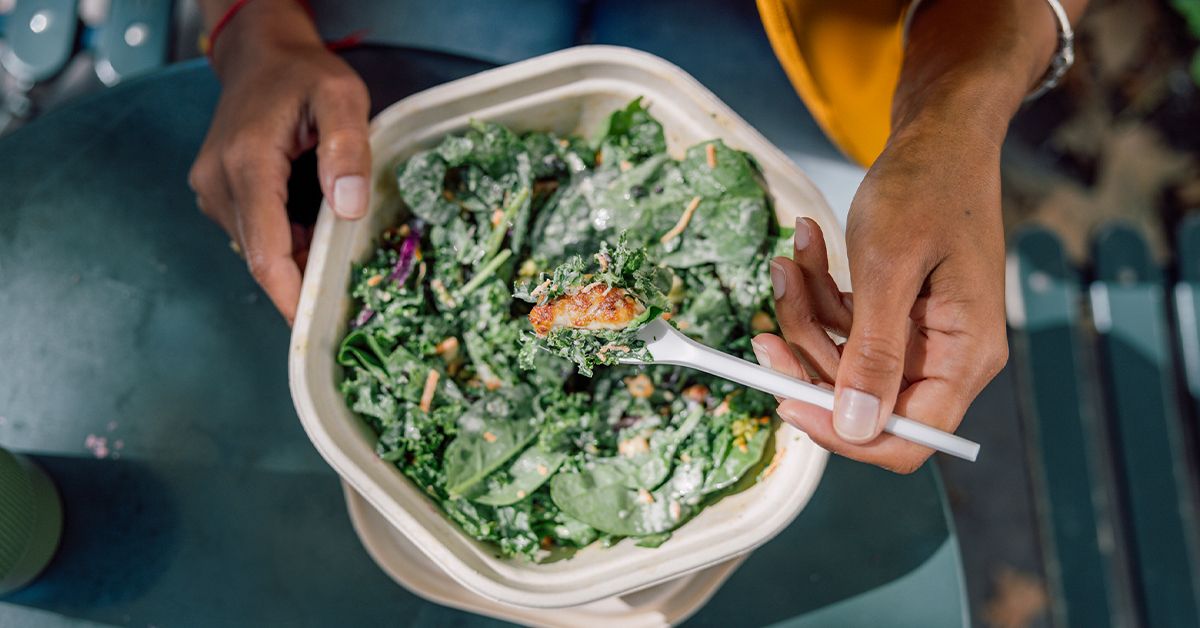
Hair-friendly foods include salmon, sardines, eggs, leafy greens, beans, lentils, pumpkin seeds, berries, citrus fruits, sweet potatoes, avocados, oats, nuts, and fortified dairy or plant-based alternatives. These foods provide a mix of protein, omega-3s, vitamin C, vitamin A precursors, iron, zinc, and antioxidants. Vitamin C is especially helpful because it supports collagen production and helps the body absorb plant-based iron from foods like lentils and spinach.
Hydration and Balanced Eating Still Count
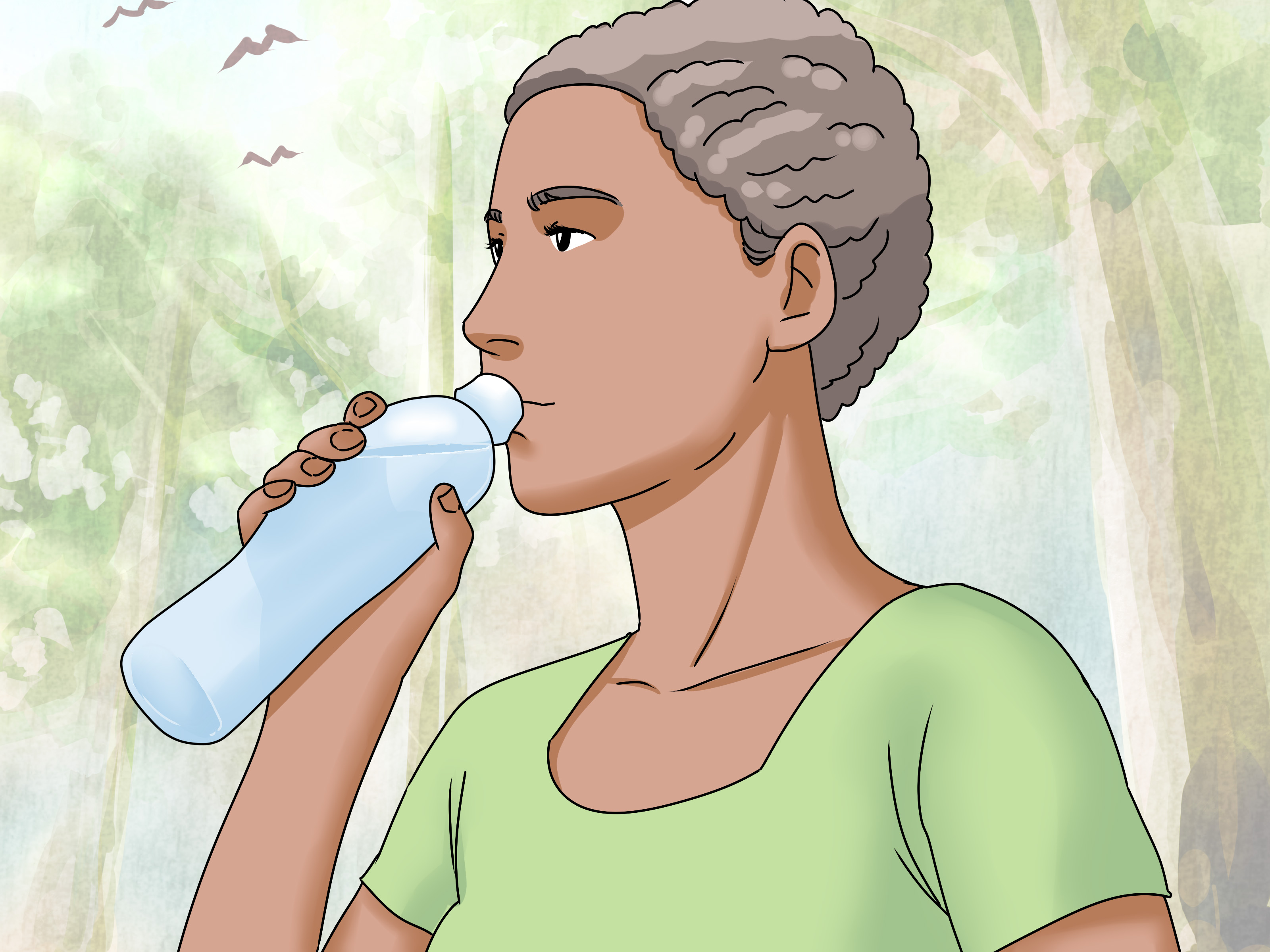
Water will not turn fine hair into a lion’s mane overnight, but dehydration can make hair feel dry, rough, and more prone to breakage. Balanced meals help stabilize energy, hormones, and nutrient intake. If your diet swings between coffee-for-breakfast and “whatever is left in the fridge at midnight,” your hair may not be thrilled.
A practical hair-supporting plate could look like this: half vegetables or fruit, one quarter protein, one quarter whole grains or starchy vegetables, plus a small portion of healthy fats. For example, grilled salmon with quinoa, roasted sweet potatoes, and a spinach salad gives you protein, omega-3s, iron, vitamin C, and beta-carotene in one meal. No fairy dust required.
Way 2: Stimulate and Care for Your Scalp Naturally
Your scalp is not just the place where hair happens. It is skin, and it deserves the same basic respect you give your face. A clean, comfortable, well-cared-for scalp creates a better environment for hair to grow. That does not mean scrubbing it aggressively or coating it in twelve oils until your pillowcase files a complaint. It means gentle cleansing, smart moisturizing, and possibly adding scalp massage.
Try a Gentle Scalp Massage
Scalp massage is not a guaranteed cure for hair loss, but it may support scalp health and relaxation. Limited research has found that regular standardized scalp massage was associated with increased hair thickness over several months. The theory is that massage may apply gentle stretching forces to the scalp and affect dermal papilla cells, which play a role in hair growth. More research is needed, but as long as you do it gently, scalp massage is low-cost, calming, and unlikely to cause harm.
To try it, use your fingertipsnot your nailsand massage your scalp in small circles for about four to five minutes a day. Focus on moving the scalp rather than scratching the skin. You can do this before washing, while shampooing, or at night as part of a wind-down routine. If you use a scalp massager tool, choose one with soft tips and avoid pressing too hard.
Keep the Scalp Clean, Not Stripped
How often should you wash your hair? The honest answer is: it depends. Oily, straight hair may need more frequent washing, while curly, coily, dry, or textured hair may do better with less frequent shampooing. The goal is to remove sweat, oil, flakes, and product buildup without leaving the scalp irritated or the hair squeaky-dry.
If your scalp is oily, itchy, flaky, or coated with styling products, washing more regularly may help. If your hair is dry or textured, stretching wash days and using a moisturizing conditioner can reduce breakage. Choose a shampoo that suits your scalp, not just your dream hair aesthetic. A gentle shampoo and a conditioner applied mainly to the mid-lengths and ends can help hair feel fuller and smoother.
Be Careful With Oils and DIY Treatments
Natural oils such as coconut, jojoba, argan, or rosemary-infused oils are popular for scalp and hair care. They may help reduce dryness, add shine, and make hair easier to manage. But oils do not work the same for everyone. Heavy oils can clog the feeling of the scalp, worsen buildup, or irritate sensitive skin. Essential oils should never be applied directly without dilution because they can cause irritation or allergic reactions.
If you want to try oiling, start small. Apply a light amount to the scalp or ends, leave it on briefly, and wash thoroughly. Patch test first, especially if your skin is sensitive. And remember: oil can make hair look shinier, but shine is not the same as new growth. Helpful? Sometimes. Magical? Sadly, no.
Way 3: Prevent Breakage So Hair Looks Thicker
One of the most overlooked ways to grow thicker hair naturally is to stop breaking the hair you already have. If your strands snap, split, frizz, or thin out at the ends, your hair may look less dense even if your follicles are doing their job. Protecting the hair shaft helps you retain length and volume, which makes hair appear fuller over time.
Turn Down the Heat
Flat irons, curling wands, hot brushes, and blow dryers can make hair look polished in the short term and exhausted in the long term. Heat can weaken the hair cuticle, dry out strands, and increase breakage. If you use heat tools, lower the temperature, apply a heat protectant, and avoid going over the same section repeatedly. Let hair air-dry partway before blow-drying, and keep the dryer moving instead of roasting one spot like a marshmallow.
Try heat-free styles a few days a week. Soft braids, loose buns, satin rollers, twist-outs, braid-outs, or air-dried waves can give shape without daily heat. Your hair does not need to be punished into obedience every morning.
Loosen Tight Hairstyles
Tight ponytails, braids, buns, cornrows, extensions, and weaves can put repeated tension on the hairline and follicles. Over time, this may contribute to traction alopecia, a type of hair loss caused by pulling. Early changes may improve when tension is reduced, but long-term pulling can become permanent.
Choose looser styles, rotate where you place ponytails, avoid sleeping in tight hairstyles, and give your scalp breaks between protective styles. If a style causes pain, bumps, redness, or tiny broken hairs around the hairline, it is too tight. Beauty should not require a pain contract.
Handle Wet Hair With Care
Wet hair is more fragile, especially if it is fine, chemically treated, or already damaged. Instead of rough towel-rubbing, gently squeeze out water with a soft towel or microfiber cloth. Detangle with a wide-tooth comb or your fingers, starting at the ends and working upward. For tightly curled or textured hair, detangling while damp with conditioner may reduce breakage.
Brushing 100 strokes a day is an old beauty myth that should have retired with questionable perms. Too much brushing can cause split ends and breakage. Brush only as needed, use gentle tools, and avoid yanking through knots.
Natural Hair Growth Habits That Support the Big Three
The three main strategiesnutrition, scalp care, and damage preventionwork best when supported by healthy lifestyle habits. Sleep matters because the body repairs and regulates itself during rest. Stress management matters because significant physical or emotional stress can trigger temporary shedding. Regular movement supports circulation, mood, and overall health. None of these are instant hair-growth buttons, but they help create the conditions for healthier hair.
Manage Stress Before Your Hair Sends a Memo
Stress-related shedding, often called telogen effluvium, can happen after a major life event, illness, emotional strain, rapid weight loss, or surgery. The shedding may appear weeks or months after the trigger, which can make it confusing. Stress reduction will not solve every type of hair loss, but it can support recovery when stress is part of the picture.
Start with realistic habits: ten minutes of walking, deep breathing before bed, journaling, stretching, or reducing caffeine late in the day. You do not need to become a mountain monk. You just need to give your nervous system fewer reasons to pull the emergency alarm.
Watch for Warning Signs
Natural methods are useful, but some symptoms deserve professional help. See a dermatologist or healthcare provider if you notice sudden shedding, bald patches, scalp pain, scaling, pus, intense itching, hair loss after starting a medication, or thinning that continues for more than a few months. Hair loss can be linked to thyroid disease, autoimmune conditions, anemia, hormonal changes, scalp infections, and other medical issues.
Getting a diagnosis early can make a big difference. The right treatment depends on the cause, and guessing for six months can delay results. Natural care and medical care do not have to be enemies. They can be teammates, as long as everyone knows the playbook.
A Simple Weekly Routine for Thicker-Looking Hair
Here is a practical routine you can adapt to your hair type:
- Daily: Eat protein-rich meals, drink enough water, and massage your scalp gently for four to five minutes.
- Two to four times weekly: Wash based on scalp oil, sweat, and product buildup. Always condition the lengths and ends.
- Weekly: Use a moisturizing mask or deep conditioner if your hair is dry, curly, textured, color-treated, or heat-styled.
- Most days: Avoid tight hairstyles and reduce heat styling.
- Monthly: Check your hairline, part width, shedding, and breakage. Take photos in the same lighting if you want to track changes honestly.
Do not judge progress after three days. Hair grows slowly, and visible changes usually require months. A good routine should reduce breakage first, improve shine and softness next, and support fuller-looking hair gradually.
Common Myths About Growing Hair Thicker Naturally
Myth 1: Cutting Hair Makes It Grow Thicker
Trimming does not change the follicle or make hair grow faster. However, it removes split ends and breakage, which can make hair look fuller and healthier. So yes, trims help the appearance of thickness, but they do not send a motivational speech to your roots.
Myth 2: Supplements Work for Everyone
Supplements may help when a true deficiency exists, but they are not universal hair fertilizer. Taking high doses without testing can be wasteful and, in some cases, harmful. Food first, testing when needed, supplements with guidancethat is the safer order.
Myth 3: More Products Mean Better Results
A crowded bathroom shelf does not guarantee thicker hair. Too many products can cause buildup, irritation, and limp strands. A simple routine done consistently often beats an expensive routine done chaotically.
of Real-Life Experience: What Growing Thicker Hair Naturally Feels Like
Growing thicker hair naturally is less like flipping a switch and more like training a stubborn houseplant. At first, nothing dramatic seems to happen. You eat better for a week, massage your scalp like a responsible adult, avoid the flat iron, and your hair still looks suspiciously like the same hair. This is where most people quit. The secret is understanding that hair improvement usually shows up quietly before it shows up visibly.
In the first few weeks, the biggest change is often texture. Hair may feel softer because you are conditioning more regularly and using less heat. The ends may look less frayed because you are not rough-drying with a towel or dragging a brush through knots. Your scalp may feel calmer because you are washing appropriately and not drowning it in random products. These are not tiny wins. They are the foundation of fuller-looking hair.
After a month or two, you may notice less breakage on your shirt, pillow, or bathroom counter. This does not always mean your hair is growing faster. It often means you are keeping more of the hair you already grew. That matters. A person with shoulder-length hair and constant breakage may feel like their hair “never grows,” when the real problem is that the ends keep snapping off before length can accumulate.
The nutrition part can feel surprisingly practical. Instead of chasing exotic powders, many people do better by adding simple meals: eggs with avocado toast, lentil soup with spinach, salmon with rice and vegetables, Greek yogurt with berries, or tofu stir-fry with bell peppers. These meals support hair health, but they also support energy, skin, mood, and overall wellness. Hair is not separate from the rest of the body. It is basically a health report growing out of your head.
Scalp massage can become a relaxing ritual rather than a chore. Doing it before bed for four minutes may help you slow down, breathe, and release tension. Even if it does not turn you into a shampoo commercial, it encourages consistency and makes you pay attention to your scalp. You may notice flakes, tenderness, oiliness, or irritation sooner, which helps you adjust your routine before problems get worse.
The hardest part is usually giving up damaging habits. Tight buns, daily straightening, rough brushing, and constant color changes can be emotional habits as much as beauty habits. You may feel less “polished” while your hair recovers. But after several months of gentler care, many people find their natural texture looks better than expected. Waves become more defined. Curls bounce more. Fine hair has more movement. Ends look less transparent. The hair finally gets a chance to behave like hair instead of a repeatedly stressed-out fiber.
The most realistic mindset is this: natural hair thickening is not about forcing your hair to become someone else’s. It is about helping your own hair reach its best possible condition. Maybe your strands are naturally fine. Maybe your growth rate is average. Maybe genetics gave you a modest ponytail instead of a horse-tail situation. That is okay. Healthy, fuller-looking hair is still possible when you feed it, protect it, and stop declaring war on it every morning.
Conclusion
Learning how to grow your hair thicker naturally begins with realistic expectations. You cannot control every follicle, but you can control many habits that influence hair strength, scalp comfort, breakage, and overall fullness. Start by eating a balanced, nutrient-rich diet with enough protein, iron, zinc, vitamin D, B vitamins, omega-3s, and antioxidants. Care for your scalp with gentle cleansing and massage. Protect your hair from heat, tight styles, harsh brushing, and chemical overload.
The best natural hair growth routine is not the loudest, trendiest, or most expensive one. It is the one you can repeat consistently for months. Your hair does not need panic. It needs patience, nourishment, and fewer reasons to break up with your scalp.