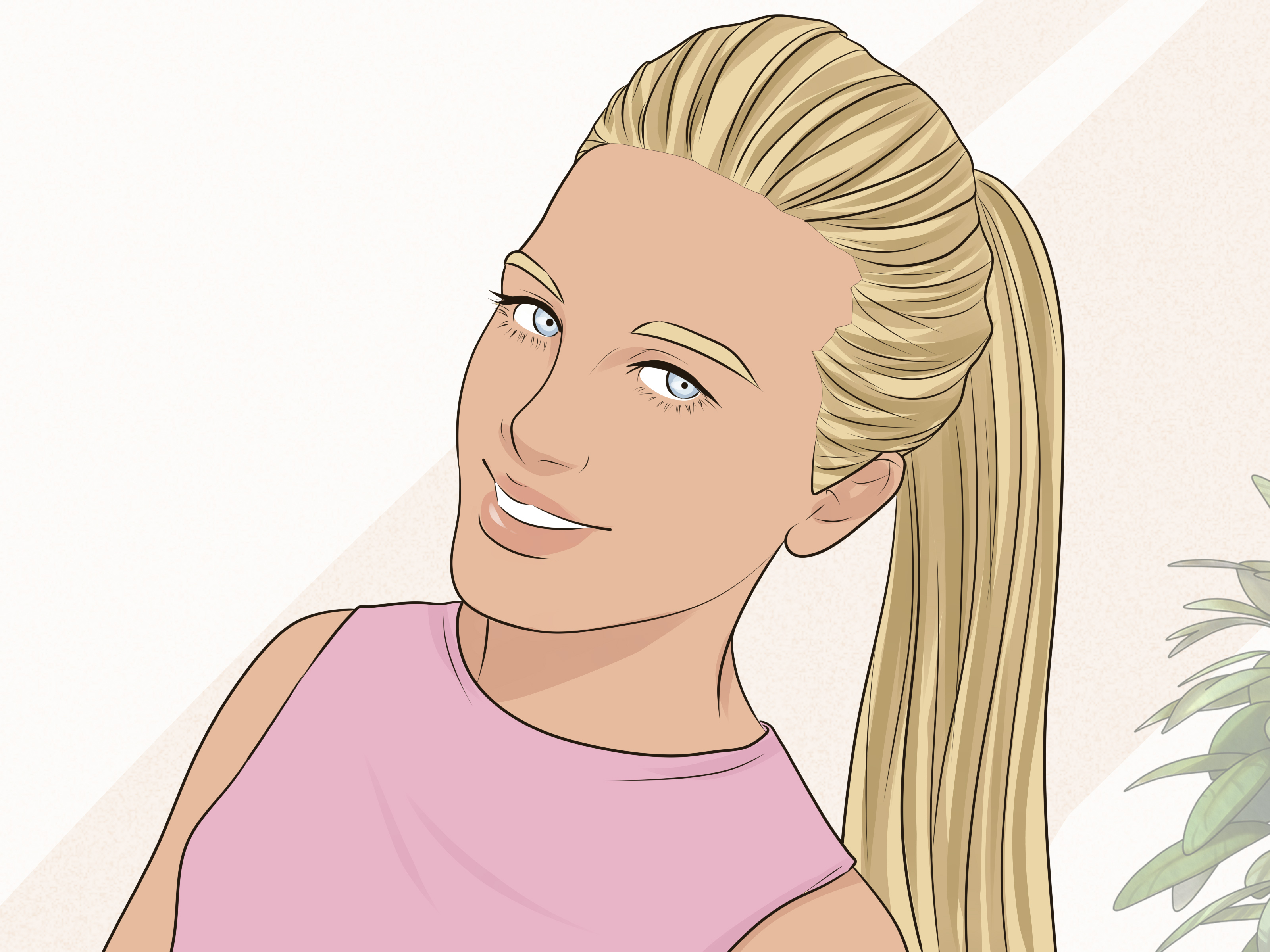
A quiff is one of those hairstyles that somehow manages to look polished, cool, dramatic, and a tiny bit rebellious all at once. It is the hair equivalent of wearing sneakers with a blazer: confident, stylish, and just undone enough to seem effortless, even when you absolutely spent time in front of the mirror negotiating with your roots.
The good news is that a women’s quiff is not a one-size-fits-all hairstyle. You do not need the exact haircut of a rock star, a backstage glam team, or the emotional strength to use six different hot tools before coffee. Whether your hair is short, medium, long, straight, wavy, or curly, there is a version of the quiff that can work for you.
In this guide, you will learn three practical ways to do a quiff for women, how to prep your hair for volume, which styling method suits your texture best, and how to make the look stay put without turning your head into a helmet. Because a great quiff should say “effortlessly chic,” not “I accidentally shellacked myself.”
What Is a Quiff, Exactly?
A quiff is a hairstyle that lifts the front section of the hair upward and backward to create volume at the hairline and crown. Think of it as the sweet spot between a pompadour, a swept-back blowout, and a little strategic drama. On women, the look can be soft and romantic, sleek and editorial, or textured and edgy depending on how much height, polish, and movement you want.
The reason the quiff keeps surviving trends is simple: it flatters a lot of face shapes, works with a surprising range of hair lengths, and instantly adds structure to a style. Even a subtle quiff can make a ponytail, bob, pixie, or half-up look more intentional.
Before You Start: The Secret to a Better Quiff
If your quiff always falls flat by lunch, the problem usually starts before the styling even begins. Volume is built in layers, not in a last-minute cloud of hairspray.
Prep checklist
- Start with hair that has some grip. Freshly washed hair is fine, but ultra-silky hair often slips. If your hair is too soft, add dry shampoo or texturizing spray at the roots.
- Use a volumizing product at the roots. Mousse, root-lifting spray, or thickening spray works best. Keep heavy creams away from the crown unless your hair is very coarse or curly.
- Dry for lift, not just dryness. Blow-dry the front section upward, backward, or in the opposite direction from where it will sit. This creates memory in the roots.
- Let the hair cool before touching it too much. Hair holds shape better after it cools. If you rush this part, gravity will win. Gravity is rude like that.
You will also want a teasing comb or soft bristle brush, a few bobby pins, and a flexible or medium-hold hairspray. If your hair is longer, sectioning clips and a round brush will make life easier.
Way #1: The Soft Classic Quiff
This is the easiest version for medium to long hair and one of the most wearable for everyday life. It gives you noticeable height without looking like you are auditioning for a retro tribute band.
Best for
Medium to long hair, fine to medium textures, and anyone who wants a pretty, balanced quiff that works with loose hair, a ponytail, or a half-up style.
How to do it
- Section off the front top part of your hair, starting around the temples and extending back a few inches past the crown.
- Lightly mist the underside of that section with texturizing spray or dry shampoo.
- Hold the section straight up and gently backcomb the underside near the roots. Do not attack the full length of the hair. You are creating support at the base, not building a secret bird nest.
- Once you have enough cushion underneath, smooth the top layer very lightly with a brush or your fingertips.
- Push the section back slightly, then forward a touch to create a soft bump. This little “push forward” trick helps the quiff look fuller and less pasted down.
- Pin the section in place with bobby pins or a small clip hidden underneath.
- Leave the rest of the hair down, curl the ends, or gather the bottom into a low ponytail for a polished finish.
Why it works
The classic quiff is popular because it creates height at the face without requiring a dramatic haircut. It also photographs beautifully. If you have a rounder face, the vertical lift can help elongate your overall look. If you have a longer face, keep the height more moderate and let soft face-framing pieces balance it out.
How to keep it modern
Skip the stiff, over-smoothed finish. A modern women’s quiff should have a little movement. Think soft volume, not concrete architecture. Pair it with loose waves, a satin ribbon, statement earrings, or a messy low bun if you want it to feel current and feminine.
Way #2: The Sleek Blowout Quiff
If the first quiff is your cool brunch friend, this one is your dressed-up evening version. The sleek blowout quiff is smoother, glossier, and a little more glamorous. It looks especially good for events, date nights, holiday parties, and those moments when you want your hair to say, “Yes, I did plan this.”
Best for
Straight or softly wavy hair, shoulder-length to long hair, and anyone who likes a polished finish.
How to do it
- Apply a root-lifting spray or mousse to damp hair, focusing on the crown and front hairline.
- Blow-dry the front section with a medium or large round brush, lifting the roots upward and rolling the brush back from the face.
- Once the section is warm and mostly dry, wrap it around a Velcro roller or pin it into a roller shape to cool.
- Blow-dry the rest of the hair smooth, adding bend at the ends if desired.
- Remove the roller when the front section is fully cool. Gently loosen it with your fingers instead of flattening it with a brush.
- Backcomb only a little at the base if you need extra support, then smooth the surface.
- Shape the front backward into a polished quiff and lock it with pins or a discreet clip.
- Finish with a light mist of hairspray and a tiny amount of shine serum on the lengths, avoiding the roots.
Why it works
Heat styling builds the shape directly into the roots, so the quiff looks smoother and lasts longer. The roller or cooling step is especially helpful because it sets the hair’s curve without forcing you to over-tease it later. In other words, you get elegance without causing your comb emotional trauma.
How to style the rest of your hair
This quiff looks beautiful with a sleek ponytail, Hollywood waves, a low chignon, or a glossy straight finish. If you want red-carpet energy without red-carpet stress, this is your move.
Way #3: The Textured or Curly Quiff
This version is ideal if your hair already has natural wave, curl, coil, or a cropped cut with more length on top. Instead of forcing the hair into a smooth shape, you work with texture. The result is playful, cool, and far less fussy.
Best for
Short hair, layered cuts, pixies, undercuts, natural curls, wavy hair, and anyone who wants an edgier quiff with less perfection and more personality.
How to do it
- Start with damp or refreshed hair and apply a curl cream, mousse, or texturizing foam depending on your texture.
- Diffuse the front and top sections upward to encourage lift at the roots. If your hair is straight but short, rough-dry it upward with your fingers for volume.
- Once dry, separate the front section and gently tease only where you need support.
- Use your fingers, not a fine brush, to shape the hair upward and slightly back. Let some texture show.
- Pin the sides if needed, or slick them slightly flatter with a touch of pomade, wax stick, or gel to make the top stand out.
- Finish with texture spray or a flexible hairspray to hold the shape without crushing the movement.
Why it works
A textured quiff feels effortless because it does not fight your hair’s natural behavior. Curly and wavy hair already has built-in body, so the goal is definition and lift rather than perfect smoothness. On short hair, the contrast between flatter sides and fuller height on top creates that signature quiff shape fast.
Extra tip for short hair
If your cut is very short on the sides and longer on top, a dab of pomade rubbed between your hands and scrunched into the front can give you that piecey, editorial finish. Just do not overdo it. Too much product turns “cool texture” into “I lost a fight with a candle.”
Common Quiff Mistakes to Avoid
- Teasing the entire section. Only tease the base or underside. The top should stay relatively smooth.
- Using heavy products at the roots. Thick oils and rich creams can collapse volume fast.
- Skipping the cooling step. Hot hair is still negotiable. Cool hair commits.
- Making the quiff too tall for your length. The bigger the height, the more support you need. Keep it proportional.
- Over-spraying. You want hold, not fossilization.
How to Choose the Right Quiff for Your Hair Type
Fine hair
Use mousse, root lift spray, dry shampoo, and gentle teasing. Fine hair loves lightweight support and hates greasy buildup.
Thick hair
Blow-dry in sections and use clips to control volume placement. Thick hair can hold a dramatic quiff beautifully, but it often needs more direction and a stronger finishing spray.
Wavy hair
Lean into the bend. A slightly tousled quiff looks chic and modern on natural waves. Use texturizing spray instead of trying to make everything ultra-sleek.
Curly or coily hair
Use curl-defining products first, then build lift with a diffuser and careful shaping. A curly quiff can look incredibly striking because the texture becomes part of the statement.
of Real-Life Quiff Experience
Here is what people rarely tell you about wearing a quiff: the hairstyle changes how you carry yourself. A good quiff does not just lift your hair. It lifts your whole vibe. When the front of your hair has shape and height, your posture tends to improve, your face looks more open, and suddenly you are making eye contact like someone who definitely answers emails on time.
For many women, the first experience with a quiff happens by accident. Maybe you tease the crown before a ponytail because your hair feels flat. Maybe your stylist pushes your fringe back during a blowout and you realize, “Wait. Why do I suddenly look like I have my life together?” That is the sneaky magic of the quiff. It makes even familiar hair feel styled.
One of the most common experiences is discovering that a quiff can rescue second-day hair better than almost anything else. When roots are a little oily and lengths are a little tired, adding dry shampoo, lifting the front, and pinning it back can turn “I should probably wash my hair” into “this is a deliberate textured look.” That is not laziness. That is strategy.
Women with short hair often describe the quiff as the style that makes a pixie or cropped cut feel versatile. Instead of wearing the same silhouette every day, a quiff changes the mood instantly. A soft side-swept quiff can look elegant and feminine, while a messier one feels bold and edgy. It is the same haircut, but with a totally different attitude. That kind of flexibility is why the style keeps coming back.
For women with longer hair, the experience is often less about the haircut and more about balance. A half-up quiff can stop long hair from dragging the face down. It adds structure without needing a full updo. This is especially helpful for events when you want your hair down but still want it to look intentional. A lot of women find that once they start adding a quiff to waves, ponytails, or low buns, those styles suddenly look more finished.
There is also a learning curve, and that part is very real. Your first quiff may be too flat, too tall, too crunchy, or weirdly lopsided. That is normal. Most people need a few attempts to figure out how much teasing their hair can handle and which product gives hold without stiffness. Once you understand your own hair’s limits, the process gets much easier.
Another common experience is realizing that the best quiff is not always the biggest one. In real life, a softer quiff often looks more modern and flattering than an enormous, dramatic bump. The sweet spot is usually just enough height to create shape at the front and crown. When you find that balance, the hairstyle feels cool instead of costume-like.
In the end, wearing a quiff is a small styling move with a surprisingly big effect. It can make you feel sharper on an ordinary workday, more put-together at dinner, or more interesting in photos. And honestly, any hairstyle that can do all that with a comb, a few pins, and some root spray deserves a little respect.
Final Thoughts
If you want a hairstyle that adds volume, shape, personality, and a little bit of swagger, the quiff is still one of the smartest tricks in the book. The best quiff for women is not the one with the most height. It is the one that works with your texture, suits your face, and makes you feel like the upgraded version of yourself.
Try the soft classic quiff for everyday polish, the sleek blowout quiff for elegant drama, or the textured quiff for effortless edge. Once you learn the basic formula of lift, support, smoothing, and hold, you can adapt the look in dozens of ways. Your roots may not solve all your problems, but for one very stylish moment, they can absolutely fake confidence until it becomes real.