Boneless turkey breast is the dinner hero nobody talks about enough. It is lean, easy to slice, quicker than a whole turkey, and polite enough not to take over the entire refrigerator like a 22-pound holiday bird with an ego problem. Whether you are cooking for Thanksgiving, Sunday dinner, meal prep, sandwiches, or a cozy “I want turkey but not a full poultry production” night, learning how to cook boneless turkey breast properly is a kitchen skill worth keeping close.
The main challenge is simple: turkey breast is lean. That means it can go from juicy and tender to “why does this taste like a napkin?” faster than you expect. The solution is not complicated. Season it well, cook it gently, use a meat thermometer, and let it rest before slicing. In this guide, we will cover three reliable ways to cook boneless turkey breast: oven-roasted, slow cooker, and grilled. Each method has its own personality. The oven gives you classic roasted flavor, the slow cooker is the low-effort comfort-food champion, and the grill brings smoky, golden, backyard energy.
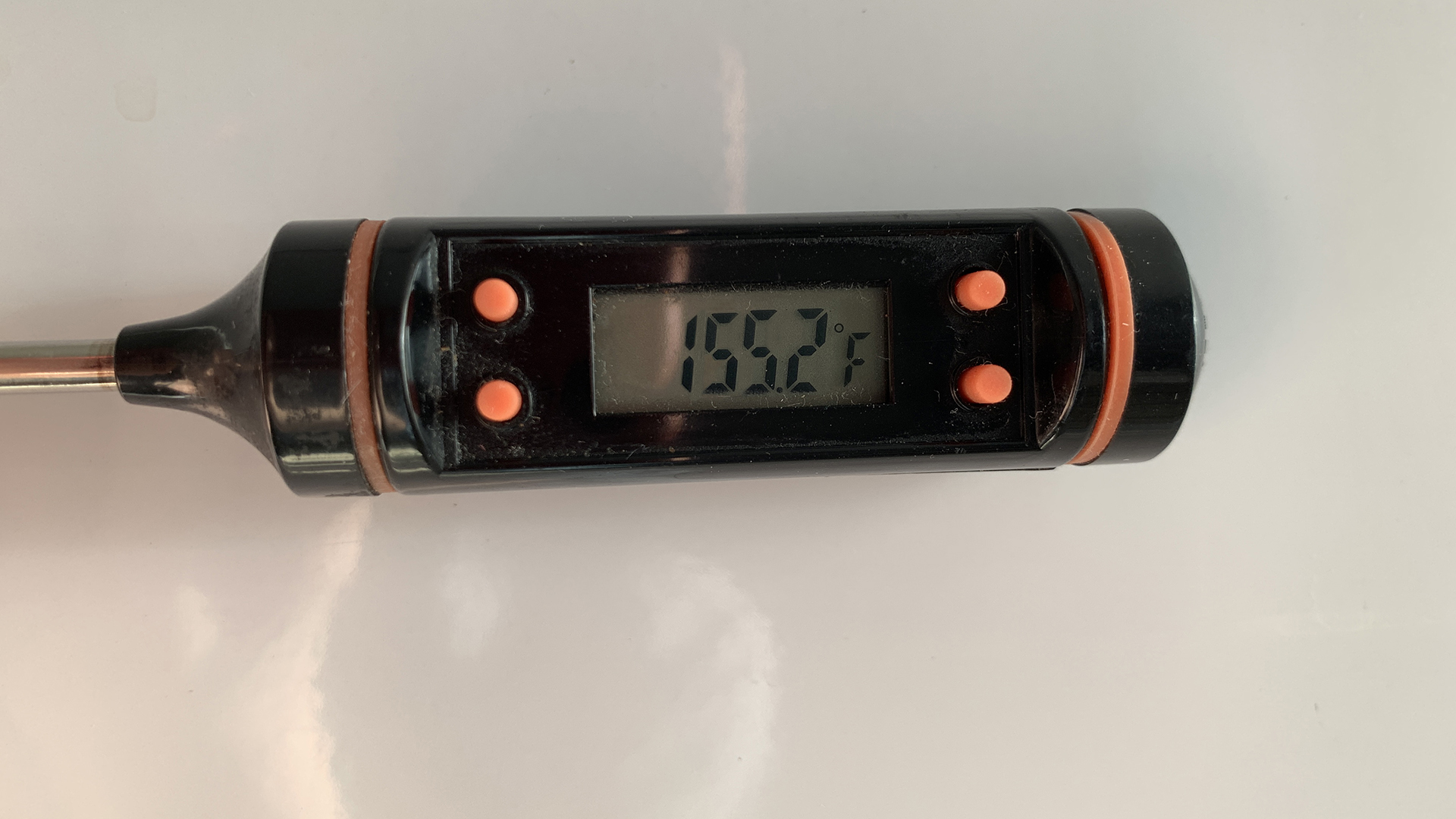
Before we start, here is the golden rule: cook boneless turkey breast until the thickest part reaches 165°F on a food thermometer. Guessing is for carnival games, not poultry. A thermometer is the difference between confident cooking and staring at the cutting board like it owes you answers.
Why Boneless Turkey Breast Is Worth Cooking
Boneless turkey breast is usually sold as a single breast, a tied roast, or a packaged boneless turkey breast roast. It may be skin-on or skinless, plain or pre-seasoned, fresh or frozen. Because the bones are removed, it is easier to carve and serve than a whole turkey. It also cooks faster, which makes it ideal for smaller gatherings, weeknight dinners, and holiday meals where nobody wants to wake up at 5 a.m. to negotiate with a giant bird.
Another advantage is flexibility. You can season it in dozens of ways: garlic-herb butter, lemon pepper, smoked paprika, rosemary and sage, Cajun seasoning, maple mustard glaze, or simple olive oil with salt and black pepper. Boneless turkey breast also makes excellent leftovers. Slice it for sandwiches, dice it into soup, add it to salads, tuck it into wraps, or turn it into turkey pot pie. It is basically the meal that keeps sending polite thank-you notes.
Before Cooking: Thawing, Seasoning, and Temperature Basics
Thaw It Safely
If your boneless turkey breast is frozen, thaw it in the refrigerator whenever possible. A good rule is to allow about 24 hours of refrigerator thawing for every 4 to 5 pounds of turkey. Keep it in its original wrapper and place it on a tray to catch any juices. Never thaw turkey on the counter. Room-temperature thawing may look innocent, but bacteria love that kind of casual chaos.
Pat It Dry
Before seasoning, pat the turkey breast dry with paper towels. This helps oil, butter, and spices stick better. If the turkey is wet, seasonings slide around like they are trying to escape the assignment. A dry surface also helps the outside brown more beautifully, especially when roasting or grilling.
Season Under and Around the Netting
Many boneless turkey breast roasts come wrapped in netting. The netting helps the roast hold its shape. If the package instructions say to leave it on, do so during cooking. You can gently lift the netting and rub seasoning underneath where possible, then replace it. After cooking and resting, remove the netting before slicing. Do this carefully, because the netting sometimes clings to the browned exterior like it paid rent.
Use a Meat Thermometer
The most important tool is a food thermometer. Insert it into the thickest part of the turkey breast, avoiding any metal clips or the bottom of the pan. The safe internal temperature for turkey is 165°F. Because turkey breast is lean, start checking early. Overcooking is the fastest way to turn a beautiful roast into sandwich material that needs emotional support and extra gravy.
Method 1: Oven-Roasted Boneless Turkey Breast
Oven roasting is the classic method for boneless turkey breast. It creates a savory, browned exterior and a tender center when done right. This is the method to choose when you want a traditional holiday-style turkey without cooking a whole bird.
Best For
Oven-roasted boneless turkey breast is best for Thanksgiving dinner, Sunday meals, sliced turkey platters, and any situation where you want that roasted aroma floating through the house like a delicious announcement.
Ingredients
- 1 boneless turkey breast, about 2 1/2 to 4 pounds
- 2 tablespoons olive oil or softened butter
- 1 1/2 teaspoons kosher salt
- 1 teaspoon black pepper
- 1 teaspoon garlic powder
- 1 teaspoon onion powder
- 1 teaspoon dried thyme or poultry seasoning
- 1/2 teaspoon paprika
- 1 cup low-sodium chicken broth or turkey broth
- Optional: lemon slices, rosemary sprigs, sage, or sliced onion
Step-by-Step Instructions
Preheat the oven to 325°F. Place the turkey breast on a rack in a roasting pan or in a baking dish with sliced onions underneath. Pat the turkey dry. Rub it with olive oil or softened butter, then season it all over with salt, pepper, garlic powder, onion powder, thyme, and paprika.
Pour broth into the bottom of the pan. This helps keep the oven environment moist and gives you flavorful pan juices for gravy. Roast uncovered until the thickest part reaches 165°F. For a 2 1/2- to 3-pound boneless turkey breast, begin checking around 45 minutes, though timing can vary depending on thickness, oven accuracy, and whether the roast is tied tightly.
If the outside browns too quickly, loosely tent it with foil. Once it reaches temperature, remove it from the oven and let it rest for 10 to 20 minutes before slicing. Resting allows the juices to settle back into the meat. Slice too soon, and those juices run all over the board like they are late for a meeting.
Oven-Roasting Tips
For deeper flavor, season the turkey breast several hours ahead and refrigerate it uncovered. This dry-brining effect helps the salt penetrate the meat and can improve browning. If your turkey breast has skin, rub some butter under the skin for extra richness. If it is skinless, be generous with oil or butter on the outside to protect the lean meat.
Oven roasting also makes gravy easy. After the turkey rests, pour the pan juices into a saucepan. Add a little butter and flour to create a roux, whisk in the juices, and simmer until thickened. A splash of lemon juice or a pinch of black pepper can brighten the flavor. Congratulations, you have made gravy, which is basically turkey’s favorite jacket.
Method 2: Slow Cooker Boneless Turkey Breast
The slow cooker is the easiest way to cook boneless turkey breast when you want tender meat and minimal fuss. It does not produce crisp skin, but it does deliver juicy slices and plenty of savory juices for gravy. This method is perfect for busy days, small kitchens, or holiday meals when your oven is already occupied by casseroles, rolls, and one mysterious dish nobody admits bringing.
Best For
Slow cooker boneless turkey breast is best for meal prep, weeknight dinners, hands-off cooking, and anyone who wants turkey without babysitting the oven.
Ingredients
- 1 boneless turkey breast, about 2 1/2 to 4 pounds
- 2 tablespoons melted butter or olive oil
- 1 teaspoon kosher salt
- 1 teaspoon black pepper
- 1 teaspoon garlic powder
- 1 teaspoon dried rosemary or thyme
- 1/2 teaspoon smoked paprika
- 1 onion, sliced
- 3 garlic cloves, smashed
- 1/2 cup chicken broth or turkey broth
Step-by-Step Instructions
Place sliced onion and smashed garlic in the bottom of the slow cooker. Pat the turkey breast dry and rub it with melted butter or olive oil. Season it with salt, pepper, garlic powder, rosemary or thyme, and smoked paprika. Place the turkey on top of the onions. Add broth around the turkey, not directly over the seasoning.
Cover and cook on LOW for about 5 to 6 hours, or on HIGH for about 3 to 4 hours, depending on the size and shape of the turkey breast. The turkey is done when the thickest part reaches 165°F. Do not rely only on time. Slow cookers vary, and some run hotter than others. The thermometer gets the final vote.
For a browned finish, transfer the cooked turkey breast to a foil-lined baking sheet and broil it for a few minutes. Watch closely. Broilers can go from “beautiful golden top” to “tiny kitchen campfire” very quickly. Let the turkey rest before slicing.
Slow Cooker Tips
Do not add too much liquid. Turkey breast releases juices as it cooks, and too much broth can dilute the flavor. A half cup is usually enough. If you want a richer taste, add a tablespoon of butter to the juices after cooking and whisk them into gravy.
For extra flavor, place herbs, lemon slices, and onion under the turkey rather than on top. This creates a simple aromatic base. If your slow cooker has a removable insert that can go under the broiler, you may be tempted to brown everything in one dish. Check the manufacturer’s instructions first. Kitchen confidence is good; exploding ceramic is not.
Method 3: Grilled Boneless Turkey Breast
Grilling boneless turkey breast gives it smoky flavor, golden edges, and a slightly firmer texture than slow cooking. This method is excellent when you want turkey that tastes less like a formal holiday dinner and more like a backyard feast. It is also a smart option when the weather is nice and the oven deserves a day off.
Best For
Grilled boneless turkey breast is best for summer dinners, smoky sandwiches, barbecue-style meals, and cooks who enjoy standing near fire while pretending it is a personality trait.
Ingredients
- 1 boneless turkey breast, about 2 1/2 to 4 pounds
- 2 tablespoons olive oil
- 1 tablespoon brown sugar
- 1 teaspoon kosher salt
- 1 teaspoon black pepper
- 1 teaspoon smoked paprika
- 1 teaspoon garlic powder
- 1/2 teaspoon chili powder
- Optional: barbecue sauce, maple mustard glaze, or lemon-herb butter
Step-by-Step Instructions
Preheat the grill for indirect heat. For a gas grill, heat one side and leave the other side cooler. For a charcoal grill, bank the coals to one side. Pat the turkey breast dry, rub it with olive oil, and season it with brown sugar, salt, pepper, smoked paprika, garlic powder, and chili powder.
Place the turkey breast on the cooler side of the grill. Close the lid and cook over indirect heat, turning occasionally, until the thickest part reaches 165°F. Depending on size and grill temperature, this may take about 60 to 90 minutes. If you use barbecue sauce or a sweet glaze, brush it on during the last 10 to 15 minutes so the sugars do not burn.
Once cooked, transfer the turkey to a cutting board and rest it for 10 to 20 minutes. Slice across the grain into even pieces. Serve with grilled vegetables, mashed potatoes, coleslaw, cornbread, cranberry sauce, or a bright green salad.
Grilling Tips
Indirect heat is the secret. Direct high heat can overcook the outside before the center is done. Keep the grill lid closed as much as possible to maintain steady heat. If you want a smoky flavor, add wood chips according to your grill’s instructions. Apple, cherry, and pecan wood pair beautifully with turkey because they add smoke without overwhelming the mild meat.
If your turkey breast is skinless, be extra careful with heat. Skin acts as a protective layer; without it, the meat needs gentler cooking and a little more fat on the surface. Olive oil, butter, or a light marinade can help prevent dryness.
How to Keep Boneless Turkey Breast Juicy
Juicy turkey starts before cooking. First, do not skip salt. Salt improves flavor and helps the meat hold moisture. Second, avoid blasting the turkey with excessive heat. Third, use a thermometer and remove the turkey as soon as it reaches the safe temperature. Fourth, let it rest. Resting is not optional. It is the quiet little pause that makes the final slices tender instead of dry.
You can also use a simple marinade. Mix olive oil, lemon juice, garlic, herbs, salt, and pepper. Marinate the turkey breast in the refrigerator for 2 to 8 hours. Do not marinate too long in a highly acidic mixture, because too much acid can affect the texture. Turkey wants flavor, not a citrus bath that lasts a geological era.
Flavor Ideas for Boneless Turkey Breast
Classic Garlic-Herb
Combine softened butter, minced garlic, rosemary, thyme, sage, salt, and pepper. This is the traditional holiday flavor profile and works beautifully for oven roasting.
Lemon Pepper
Use olive oil, lemon zest, black pepper, garlic powder, and parsley. This version tastes fresh and light, especially with roasted vegetables or salad.
Smoky Barbecue
Use smoked paprika, brown sugar, chili powder, garlic powder, salt, and a little cayenne. Finish with barbecue sauce on the grill or under the broiler.
Maple Mustard
Mix Dijon mustard, maple syrup, olive oil, garlic, and black pepper. Brush it on near the end of cooking for a glossy, sweet-savory finish.
What to Serve with Boneless Turkey Breast
Boneless turkey breast works with classic and modern sides. For a holiday-style plate, serve it with mashed potatoes, stuffing, green beans, cranberry sauce, roasted carrots, and gravy. For a lighter dinner, pair it with quinoa salad, steamed broccoli, sweet potatoes, or a crisp apple slaw. For meal prep, slice it thin and serve with rice bowls, wraps, sandwiches, or protein-packed salads.
One of the best things about boneless turkey breast is that it is not locked into Thanksgiving flavors. You can season it with taco spices and serve it with rice and beans. You can use Italian herbs and pair it with pasta. You can go Mediterranean with oregano, lemon, and cucumber salad. Turkey breast is mild enough to go wherever your seasoning cabinet wants to travel.
How to Store and Reheat Leftover Turkey Breast
Cool leftover turkey and refrigerate it within 2 hours of cooking. Store it in shallow airtight containers. Cooked turkey is best used within 3 to 4 days when refrigerated. For longer storage, freeze sliced turkey in freezer-safe bags or containers. Adding a little broth before freezing can help keep the meat moist when reheated.
To reheat turkey without drying it out, place slices in a baking dish with a splash of broth. Cover with foil and warm in a 300°F oven until heated through. You can also reheat gently in a covered skillet with broth. Avoid overheating. Leftover turkey is already cooked; it does not need to be punished for being helpful.
Common Mistakes to Avoid
Cooking Without a Thermometer
Color is not a reliable sign of doneness. Turkey can look done before it is safe, or it can have a slight pink tint even when it has reached the proper temperature. Always check with a thermometer.
Slicing Immediately
If you cut into turkey breast right away, the juices escape. Rest it first. Your patience will be rewarded with better slices and fewer regrets.
Using Too Much Heat
Boneless turkey breast is lean, so moderate heat works better than aggressive heat. This is especially true for skinless turkey breast.
Forgetting the Gravy or Sauce
Even perfectly cooked turkey enjoys a good sauce. Gravy, herb butter, cranberry relish, mustard sauce, or pan juices can make the meal feel complete.
Real Kitchen Experience: What Cooking Boneless Turkey Breast Teaches You
Cooking boneless turkey breast is one of those kitchen projects that looks more serious than it actually is. The first time you make it, you may treat it like a holiday exam. You check the oven three times, hover near the thermometer, and wonder if the roast is judging you. By the second or third time, you realize the process is very manageable. The turkey does not need drama. It needs seasoning, steady heat, and a proper rest.
One helpful lesson is that shape matters. A compact, evenly tied turkey breast cooks more evenly than a loose, uneven piece. If one end is much thinner than the other, tuck the thin end under and tie it with kitchen twine if needed. This prevents the skinny side from drying out before the thick center finishes. It is a small step, but it makes a big difference.
Another experience worth noting is that boneless turkey breast loves bold seasoning. Because it is mild, it can handle more flavor than many cooks expect. A timid pinch of herbs will not ruin dinner, but it may leave the turkey tasting a little too polite. Garlic, rosemary, thyme, paprika, lemon zest, onion powder, and black pepper all help build a more memorable dish. If using butter, mix the seasonings directly into the butter before rubbing it on the turkey. This spreads flavor more evenly and makes you feel like a professional chef, even if you are wearing pajama pants.
The oven method is usually the best starting point for beginners. It is straightforward, familiar, and gives you pan juices for gravy. The slow cooker method is the most forgiving, especially for busy households. It is excellent when you want tender turkey for sandwiches, bowls, or simple dinners. The grill method takes a little more attention, but it rewards you with smoky flavor and a beautiful exterior. Once you try grilled turkey breast, you may start wondering why burgers have been getting all the backyard attention.
Leftovers are another reason to cook boneless turkey breast even when it is not a holiday. A cooked turkey breast can become three or four different meals. Thick slices work well with mashed potatoes and gravy. Thin slices make excellent sandwiches with lettuce, tomato, and cranberry mayo. Chopped turkey can go into soup with noodles, carrots, and celery. It can also be tossed into fried rice, quesadillas, casseroles, or pasta. This is where turkey breast becomes less of a single dinner and more of a meal-planning strategy.
The biggest practical tip is to start checking temperature earlier than you think. Recipe times are useful, but they are estimates. A 3-pound roast that is short and wide may cook differently from a 3-pound roast that is tall and thick. Ovens vary. Slow cookers vary. Grills definitely vary, sometimes with the emotional range of a reality show contestant. The thermometer removes the guesswork.
Finally, do not underestimate presentation. Boneless turkey breast slices neatly, which makes it easy to serve beautifully. Arrange slices slightly overlapping on a platter, spoon a little warm pan juice over the top, and garnish with herbs, lemon wedges, roasted garlic, or cranberries. Suddenly, you have a centerpiece dish that looks like it required far more effort than it did. That is the sweet spot of home cooking: impressive, delicious, and not secretly exhausting.
Conclusion
Boneless turkey breast is one of the most practical cuts of poultry you can cook. It is smaller and easier than a whole turkey, but still special enough for holidays and family dinners. Oven roasting gives you classic flavor and beautiful slices. Slow cooking delivers tenderness with very little effort. Grilling adds smoke, color, and a little outdoor magic. No matter which method you choose, the keys are the same: season generously, cook to 165°F, rest before slicing, and serve with a sauce or pan juices for extra moisture.
Once you master these three ways to cook boneless turkey breast, you will have a reliable recipe framework for holidays, meal prep, and everyday dinners. And honestly, any recipe that can become dinner tonight and sandwiches tomorrow deserves a permanent spot in the kitchen rotation.
Note: Always follow the instructions on your turkey package when they differ from general guidance, and use a food thermometer to confirm the thickest part reaches 165°F before serving.