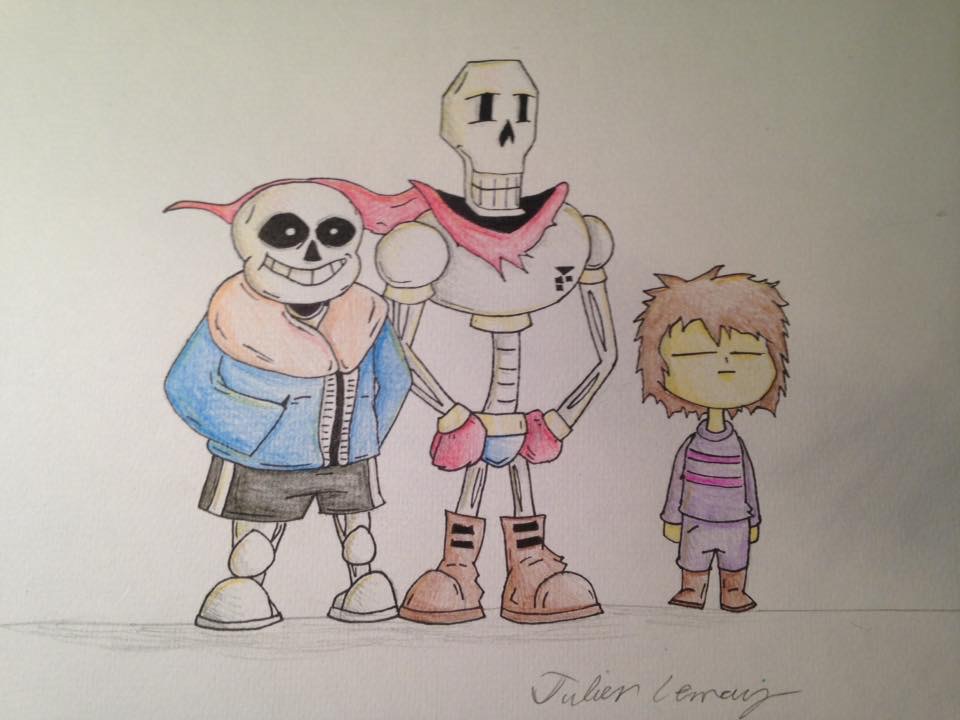
If you’ve ever watched a 13-year-old artist sketch on the corner of a math worksheet, shade a dragon during lunch, or turn a plain notebook into something that looks suspiciously gallery-worthy, you already know one thing: creativity does not wait for adulthood. It rarely asks for permission, and it definitely does not care whether the kitchen table is technically meant for dinner.
Being a 13 years old artist is a fascinating mix of raw talent, awkward growth, wild imagination, and the occasional dramatic declaration that “my proportions are ruined forever.” At this age, art is not just a hobby. It can be identity, stress relief, exploration, communication, and sometimes the only place where a young person feels completely like themselves.
This is exactly why the subject matters. A young artist at 13 is standing at a powerful intersection: childhood curiosity is still alive, but teenage self-awareness is kicking in hard. That combination can produce work that is honest, surprising, funny, emotional, and weird in the best possible way. In other words, it can be real art.
In this guide, we’ll explore what makes a 13-year-old artist unique, how artistic skills often grow at this age, what challenges show up along the way, and how parents, teachers, and young creators themselves can support creative development without turning art into one more stressful performance metric. Because art should grow. Panic should not.
Why Age 13 Is Such a Big Moment for a Young Artist
Thirteen is not just a birthday with extra attitude. It is often a turning point in creative development. A young artist at this age starts noticing more detail, asking tougher questions, and developing a stronger sense of taste. They do not just want to draw “a face.” They want to draw their kind of face. Their style. Their mood. Their version of cool.
That shift matters. Earlier childhood art is often driven by play and impulse. Teen art begins to include intention. A 13 years old artist may start thinking about composition, color choices, symbolism, references, and whether a piece actually says what they meant it to say. They may experiment with anime, realism, comics, digital drawing, watercolor, sculpture, collage, photography, or a mash-up of all of the above. Frankly, creative chaos is part of the job description.
Emotion also becomes a bigger part of the process. At 13, feelings can be large, fast, messy, and difficult to explain. Art gives those feelings somewhere to go. A sketchbook becomes part studio, part diary, part laboratory. That is one reason so many adolescents connect deeply with creative work: art can say things words are not ready to handle yet.
The Strengths a 13-Year-Old Artist Already Has
Adults sometimes make the mistake of viewing teen art only in terms of what is missing. The anatomy is off. The perspective is shaky. The hands look like a bunch of emotional carrots. Fair enough. Hands have humbled artists for centuries. But focusing only on technical flaws misses what young artists often do exceptionally well.
Fresh originality
A 13-year-old artist often creates with fewer internal rules. That can lead to bold visual choices, unusual characters, clever storytelling, and fearless combinations of styles. While older artists sometimes spend years trying to loosen up, younger ones often begin with that freedom naturally.
Strong emotional honesty
Teen art can be incredibly sincere. It may not always be polished, but it often says something true. A hallway sketch, a painted self-portrait, or a comic about friendship drama can carry a kind of emotional clarity that feels immediate and memorable.
Fast creative growth
This is one of the most exciting periods for skill development. A middle school artist who practices regularly can improve very quickly. Over one year, the difference in observation, control, confidence, and style can be dramatic. That is why consistent practice matters more than chasing perfection.
The Challenges a 13 Years Old Artist Often Faces
Now for the less glamorous part. Being a young artist at 13 can also be rough. This is often the age when self-doubt shows up with a clipboard and starts taking notes.
Comparison culture
Once a teen starts posting art online or scrolling through highly polished work, comparison can get loud. Suddenly every drawing seems “bad,” every line looks wrong, and every talented stranger on the internet appears to have been born holding a digital pen. This mindset can drain the joy out of art fast.
The truth is simpler and kinder: many artists online are older, more experienced, edited, filtered, or posting only their best work. A young creator should not measure their beginning against someone else’s chapter twelve.
Pressure to be impressive
Some 13-year-old artists start hearing words like “gifted,” “prodigy,” or “so talented.” Compliments are nice, but they can quietly create pressure. When art becomes something a child feels they must be amazing at all the time, experimentation becomes scary. Mistakes feel dangerous. Play disappears.
That is a bad trade. Great art does not grow from constant fear of being average for five minutes.
Limited support or resources
Not every young artist has access to formal classes, digital tools, museum trips, or endless supplies. Some create with a pencil nub, a half-used notebook, and determination that could power a small city. While resources help, they are not the whole story. Consistency, encouragement, and space to make work matter just as much.
How a Young Artist Can Build Real Skills at 13
A 13 years old artist does not need to act like a tiny art-school graduate. But building a few core habits can make a huge difference.
Keep a sketchbook that is actually used
Not a fancy sketchbook saved for “good ideas.” A messy one. A practical one. A sketchbook should hold experiments, bad drawings, random textures, comic ideas, color notes, outfit designs, creature concepts, and the occasional page that looks like a squirrel stole the pen. That is normal. That is growth.
Practice observation, not just imagination
Imagination is wonderful, but drawing from life teaches accuracy and attention. A shoe on the floor, a hand holding a spoon, a lamp, a houseplant, a sleeping cat who refuses to model professionally but stays there anyway; all of these help train the eye.
Try more than one medium
A teen artist who only draws with one pencil type may be missing creative doors. Paint, charcoal, collage, clay, marker, digital tools, ink, and printmaking each teach different lessons. Some reveal strengths a young creator did not know they had.
Learn to finish pieces
Starting art is fun. Finishing art is character development. A 13-year-old artist grows faster when they practice moving from idea to final result. Even imperfect finished work teaches more than a folder full of abandoned masterpieces-in-progress.
Reflect after making
After each piece, ask three simple questions: What worked? What did not? What do I want to try next time? That habit builds artistic thinking, not just artistic output.
How Parents and Teachers Can Support a 13-Year-Old Artist
Support does not mean hovering over every drawing like an anxious museum curator. It means helping art stay meaningful, safe, and sustainable.
Praise effort, choices, and growth
Instead of saying only “You’re so talented,” try comments like “I love how you used color here,” “Your character looks expressive,” or “You clearly stuck with this piece.” Specific praise teaches a young artist what is working and reminds them that skill grows through practice.
Make room for art in everyday life
Creative development needs time and space. That does not require a private studio with dramatic lighting. A corner desk, storage bin, drying rack, or digital art hour after homework can be enough. The message matters: your art belongs here.
Encourage exposure, not overload
Museums, local exhibits, library programs, community classes, school art shows, and youth workshops can all help. So can art books, documentaries, and age-appropriate creator interviews. But there is no need to turn a 13-year-old artist into a tiny overbooked freelancer with five deadlines and a branding strategy.
Protect privacy online
If a young artist shares work online, adults should help them think carefully about what information stays private. Art can be public. Personal details should not be. Usernames, locations, schedules, school details, and identifying images deserve extra caution.
From Hobby to Portfolio: When a Teen Artist Starts Thinking Bigger
Not every 13-year-old artist needs a portfolio right now. Some just need paper and peace. But for those who are curious about contests, special programs, applications, or future art schools, a simple portfolio habit can start early.
That does not mean assembling a dramatic black case and whispering “my body of work” in the mirror. It means saving strong pieces, photographing finished art clearly, writing down dates, and noticing themes. Does the artist love portraits? Fantasy worlds? Fashion sketches? Mood-heavy acrylic paintings? Tiny clay animals with suspiciously human emotions? All of that counts as useful direction.
A starter portfolio for a young artist can include:
- 8 to 12 favorite finished works
- A mix of personal pieces and observational studies
- Different mediums, if possible
- Simple titles and dates
- A short note about what inspires the artist
This kind of record helps in practical ways, but it also does something more important: it lets a teen see their own progress. Growth is easier to trust when you can literally flip through it.
What Success Looks Like for a 13 Years Old Artist
Success does not have to mean going viral, winning awards, or selling prints before algebra gets easier. For a 13-year-old artist, success may look like drawing more often, taking risks, recovering from mistakes, finding personal style, finishing a piece with pride, joining a class, sharing work with courage, or simply realizing, “Oh. This is who I am.”
That identity piece matters. A young artist who feels seen in their creativity often develops confidence that spills into other areas. They may communicate more clearly, observe more carefully, solve problems more flexibly, and approach the world with more curiosity. Art is not a side activity for many teens. It is a way of thinking.
And no, every 13-year-old artist will not become a professional painter, illustrator, animator, designer, or sculptor. That is fine. The value of art is not limited to future income. Creativity can shape how a person learns, feels, connects, and imagines what is possible. That is already a big deal.
Conclusion
The phrase 13 years old artist may sound simple, but it describes a remarkable stage of creative life. At 13, art is often becoming more personal, more skillful, and more meaningful all at once. A young creator is learning how to observe, how to experiment, how to express emotion, and how to keep going when a drawing fails spectacularly in the eye area. That last one is character-building.
The best support for a 13-year-old artist is not pressure to be perfect. It is access, encouragement, practice, privacy, feedback, and enough freedom to explore. Give that young artist room, and you may be surprised by what appears: not just better technique, but a stronger voice. And a real artistic voice, no matter the age, is always worth listening to.
Experience Section: What Life Feels Like for a 13-Year-Old Artist
For many young people, being a 13-year-old artist feels like living with a second language that no one else fully hears. School may be noisy, schedules may be packed, and emotions may be changing faster than the weather, but art creates a private kind of order. A sketchbook can become the one place where everything makes sense. The page listens. The pencil does not interrupt. Paint does not ask whether your feelings are logical before it lets you use them.
A lot of the experience is small and ordinary. It is drawing on the bus ride home. It is testing markers on the back page of a notebook. It is taking a photo of weird clouds because they might become a background later. It is staring at your own unfinished piece and thinking it is terrible, then looking again the next morning and realizing it is actually not bad at all. Young artists often move between confidence and doubt at lightning speed. One hour they are convinced they have invented a brilliant character design. The next hour they are ready to retire forever because the hands look like haunted spatulas.
There is also a special kind of excitement that comes with improvement. A 13-year-old artist may suddenly notice that shading makes more sense than it did three months ago. Faces start looking less flat. Colors begin working together on purpose. Backgrounds become less scary. That progress can feel incredible because it is visible. You can literally see yourself getting better, page by page. Few things are more motivating than flipping backward through old work and realizing, “Wait… I really have grown.”
At the same time, the experience can feel vulnerable. Art is personal, especially at this age. Sharing a drawing can feel like handing someone a small piece of your brain and hoping they do not laugh at it. That is why encouragement matters so much. One thoughtful teacher comment, one supportive parent, one friend saying “this is so cool,” can stay with a young artist for years. So can careless criticism. Creative confidence is not indestructible at 13. It is alive, but still forming.
Many young artists also start dreaming bigger around this age. They may imagine illustrating books, designing game characters, painting murals, making comics, or selling stickers online one day. Those dreams are not silly. They are practice for identity. Even if the path changes later, dreaming through art helps a teenager picture a future where their ideas matter.
Perhaps the most beautiful part of the experience is this: a 13-year-old artist is not waiting to become creative someday. They already are. Right now. In the middle of middle school, unfinished homework, awkward phases, changing friendships, and all the chaos of early adolescence, they are already making something original. That deserves respect. It also deserves room to grow.