Note: This article is written for web publishing and summarizes practical, safety-focused cleaning advice based on reputable public health, poison-control, medical, and home-care guidance.
Bleach is the cleaning world’s dramatic overachiever. It disinfects, brightens, deodorizes, tackles stains, and thenbecause apparently it needed a signature entranceleaves behind that sharp swimming-pool-meets-science-lab smell. If you have recently cleaned a bathroom, mopped a floor, wiped down a kitchen counter, or washed whites, you may be wondering how to get rid of bleach smell without making things worse.
The good news: removing bleach odor is usually simple. The not-so-good news: some popular “hacks” are unsafe. Bleach should never be mixed with vinegar, ammonia, toilet bowl cleaners, rubbing alcohol, or other cleaning products. Those combinations can create dangerous fumes, and nobody wants their Saturday cleaning session to become an emergency chemistry lesson.
Instead, the safest approach is straightforward: air it out, remove the residue, and absorb what lingers. These three easy ways work for most household situations, whether the bleach smell is in a room, on your hands, on clothing, or clinging to a freshly cleaned surface. Let’s clear the airliterally.
Why Bleach Smell Lingers in the First Place
Household bleach usually contains sodium hypochlorite, a powerful ingredient that helps disinfect surfaces and whiten fabrics. When bleach is used indoors, especially in bathrooms, laundry rooms, small kitchens, or other tight areas, its odor can hang around because of poor ventilation, overuse, or residue left on surfaces.
Sometimes the smell is simply a normal leftover odor from cleaning. Other times, it can feel stronger because too much bleach was used, the room was closed up, the cleaner was not rinsed properly, or fabrics absorbed the scent. Bleach odor can also cling to porous materials like towels, clothing, grout, sponges, and cleaning rags.
A mild bleach smell after cleaning is common, but strong fumes are a sign to pause and take action. Open the area, step away from the source, and get fresh air. If someone has coughing, wheezing, chest tightness, burning eyes, or trouble breathing after exposure, treat it seriously and seek medical help or contact Poison Control.
Way 1: Ventilate the Area With Fresh Air
The fastest way to reduce bleach smell in a room is also the easiest: bring in fresh air. Bleach odor becomes much more noticeable in enclosed spaces, so your first move should be to create airflow. Open windows and doors, turn on exhaust fans, and use portable fans to move air toward an open window instead of blowing the smell deeper into the home.
How to Air Out a Room After Using Bleach
Start by leaving the cleaned area for a few minutes if the smell feels strong. Then open as many windows and interior doors as possible. If you have a bathroom fan or kitchen range hood, turn it on. Place a fan near a window facing outward so it helps push stale air outside. A second fan across the room can help pull fresh air in.
For small rooms, such as bathrooms or laundry closets, ventilation matters even more. These spaces trap fumes easily because there is less air volume. Leave the door open, keep the fan running, and avoid using more bleach until the smell is gone. It may take 30 minutes to several hours for the odor to fade, depending on how much bleach was used and how enclosed the space is.
Do Not Cover Bleach Smell With Perfume
Spraying air freshener over bleach smell may make the room smell like “chlorine bouquet with notes of fake lavender,” but it does not solve the problem. Heavy fragrances can irritate sensitive noses and lungs, especially when the room already contains cleaning fumes. Fresh air is better than perfume. If you want a pleasant scent later, wait until the bleach odor is gone first.
When Ventilation Is Not Enough
If the smell remains strong after airing out the space, there may be bleach residue left behind. That is your clue to move to the next step: rinse or wash the source. Air removes fumes, but it cannot fully fix a surface, fabric, mop head, or sponge that still contains bleach.
Way 2: Rinse or Wash the Source of the Bleach Smell
If bleach smell sticks around, the odor is probably coming from something specific. Check surfaces, cleaning cloths, mop buckets, gloves, clothing, towels, sink drains, and bathroom corners. The goal is not to “neutralize” bleach with another chemical. The goal is to dilute and remove leftover bleach safely with water and, when appropriate, mild soap.
How to Remove Bleach Smell From Surfaces
For countertops, floors, tubs, sinks, tiles, and other washable surfaces, wipe the area with clean water. Use a fresh cloth, not the same bleach-soaked rag that caused the smell in the first place. For stubborn residue, wash with a small amount of mild dish soap and water, then wipe again with plain water.
Dry the surface afterward with a clean towel. Moisture can hold odor, especially around grout lines, corners, and textured floors. If you used bleach in a bathroom, pay attention to the base of the toilet, tub edges, shower corners, and drains. These areas can hide small amounts of cleaner and keep releasing that sharp smell.
How to Get Bleach Smell Off Your Hands
If your hands smell like bleach, rinse them under cool running water, then wash with gentle soap. Avoid scrubbing aggressively, because bleach can dry out or irritate skin. After washing, dry your hands and apply a simple moisturizer. If your skin feels irritated, red, itchy, or painful, stop using cleaning chemicals and monitor the area.
For future cleaning, wear reusable rubber gloves or disposable gloves designed for cleaning. Bleach is useful, but your hands do not need to smell like a public pool for the rest of the afternoon.
How to Remove Bleach Smell From Clothes and Towels
Clothing and towels can trap bleach odor in their fibers. If washable fabric smells like bleach, rinse it thoroughly first. Then wash it separately with regular laundry detergent. Do not add vinegar to the same cycle if there may still be bleach in the fabric. Mixing bleach with acidic products is unsafe.
For durable white fabrics, a normal wash and extra rinse cycle may be enough. For colored fabrics, check whether the bleach has damaged the dye before rewashing. Air-dry the item outside or in a well-ventilated space if possible. Heat from a dryer can sometimes lock in odors, so make sure the smell is gone before using high heat.
Do Not Forget Cleaning Tools
Many people clean the bathroom beautifully, rinse the tub, open a window, and then leave a bleach-soaked sponge in the trash or a mop head in a closed bucket. That little cleaning tool can perfume the whole room in the least charming way possible. Rinse mop heads, cloths, sponges, brushes, and buckets thoroughly. Wash reusable cloths separately and let tools dry completely before storing them.
Way 3: Absorb Lingering Odor With Simple Household Helpers
Once the area is ventilated and the source is rinsed, odor absorbers can help remove the final traces of bleach smell. This is where gentle household options shine. Baking soda, plain activated charcoal, and open bowls of clean water can help reduce lingering odors in a room. The key is to use them after the bleach has been diluted or removednot as a chemical mixing experiment.
Use Baking Soda for Room Odors
Baking soda is a classic odor absorber for a reason. Place an open bowl of baking soda in the room where the bleach smell is lingering. Leave it out for several hours or overnight. For larger spaces, use two or three small bowls placed in different corners. Do not sprinkle baking soda directly onto wet bleach spills unless you are handling a small residue carefully and the area can be rinsed afterward.
Baking soda is especially useful near trash cans, laundry areas, bathroom corners, and under-sink cabinets where odors tend to linger. After it has sat out, throw it away. Do not reuse it for baking unless you want cookies with a faint “freshly sanitized locker room” personality.
Try Activated Charcoal for Persistent Smells
Activated charcoal odor bags can be helpful in small spaces such as bathrooms, closets, laundry rooms, and cabinets. They do not add fragrance; they absorb odor. That makes them a good choice for people who dislike scented sprays or have fragrance sensitivities. Place the charcoal bag near the odor source, but not directly on wet surfaces or cleaning residue.
Use Clean Water Bowls as a Temporary Odor Trap
If you do not have baking soda or charcoal, a few bowls of clean water can help in a pinch. Place them around the room after ventilation has started. Water will not perform magic, but it can help reduce airborne odor slightly while fresh air does the heavy lifting.
What About Lemon, Vinegar, or Essential Oils?
Lemon and vinegar are popular natural cleaners, but they should not be used on or near fresh bleach residue. Acidic products can react badly with bleach. If you want to clean later with vinegar or lemon, rinse the bleached surface thoroughly with water first, wait until the bleach smell is gone, and never combine products in the same container, cloth, bucket, or spray bottle.
Essential oils may smell pleasant, but they do not remove bleach residue. They can also bother people with asthma, allergies, migraines, or fragrance sensitivity. Use them only after the room has been ventilated and the bleach odor has cleared.
Quick Fixes for Common Bleach Smell Problems
Bleach Smell in the Bathroom
Open the door and window if available, turn on the exhaust fan, rinse the tub, sink, shower, and floor with water, and remove any bleach-soaked cloths or sponges. Put a bowl of baking soda on the counter overnight. If the smell is strongest near the toilet or drain, rinse that area again.
Bleach Smell in the Kitchen
Ventilate immediately, especially if bleach was used near the sink or trash area. Wipe counters with clean water, rinse the sink basin and drain, and wash any sponges or cloths. Avoid preparing food on surfaces until they have been rinsed and dried.
Bleach Smell on Floors
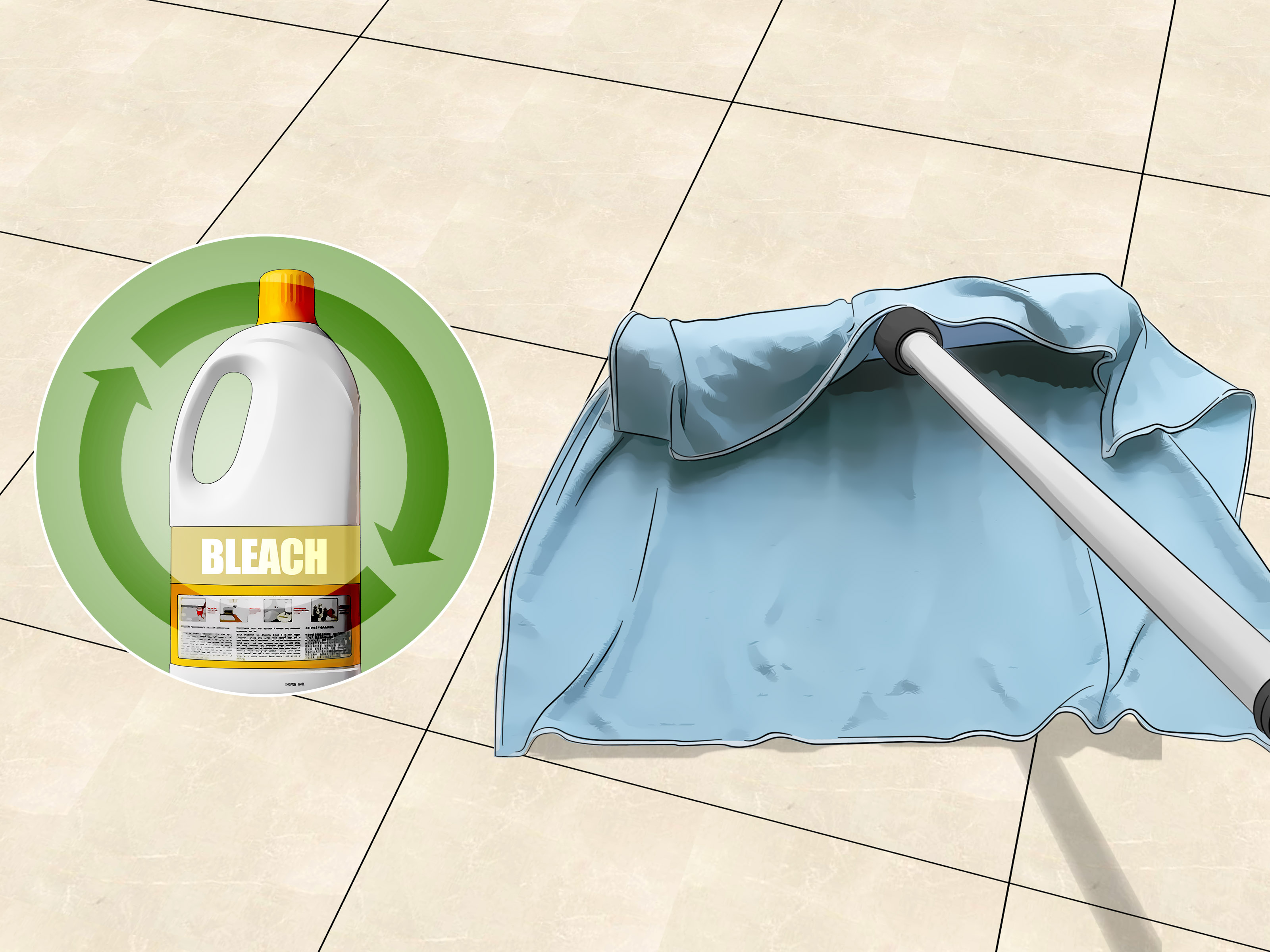
Mop the floor again with plain water using a clean mop head. Change the rinse water often. If the floor still smells, repeat with fresh water and dry the surface with towels or airflow. Too much cleaning solution can leave residue, so dilution and removal are the goal.
Bleach Smell in Laundry
Run an extra rinse cycle. If clothing still smells, wash it again with detergent and plenty of water. Air-dry the clothes before deciding whether the odor is gone. For delicate fabrics, follow the care label or consider professional cleaning.
Safety Rules You Should Never Skip
Bleach is effective when used correctly, but it deserves respect. Always read the label before using it. Use only the amount needed. Keep the area ventilated. Wear gloves when cleaning. Store bleach away from children and pets. Never mix bleach with other cleaning products, especially ammonia, vinegar, acids, toilet bowl cleaners, or alcohol-based products.
If bleach gets on your skin, rinse with water and wash gently. If it gets in your eyes, flush with running water and get medical guidance. If fumes cause breathing problems, leave the area and seek fresh air immediately. Strong symptoms are not something to “walk off.” Your lungs are not a DIY project.
Real-Life Experience Notes: What Actually Works Best
In everyday home cleaning, the bleach smell usually comes down to one of three mistakes: using too much bleach, closing the room too soon, or forgetting about the cleaning tools afterward. The strongest odors often happen in bathrooms because people clean the tub, shower, toilet, and floor in one energetic burst, then shut the door. The room looks sparkling, but the air is trapped. The first lesson is simple: leave the door open and let the room breathe.
One of the most reliable habits is setting up airflow before cleaning begins. Open the window first, turn on the fan first, and keep supplies ready so you are not wandering around with bleach sitting on surfaces longer than needed. This makes the whole process easier. It also helps prevent the “I cleaned for ten minutes and smelled bleach for three hours” situation.
Another practical lesson is that rinsing matters more than people think. A surface can look clean while still holding cleaner residue. Tile floors, shower walls, textured sinks, and grout lines are especially good at hiding tiny amounts of product. When the smell keeps coming back, a second wipe with plain water often solves the mystery. The same applies to mop buckets. A bucket that was not rinsed well can make a clean laundry room smell like bleach long after the floor is dry.
For hands, soap and water are usually enough, but gloves are the real upgrade. Many people try lemon juice, vinegar, or scented lotion first. A better routine is rinse, wash gently, dry, moisturize, and use gloves next time. If the skin feels tight or dry after using bleach, that is a sign to protect it better in the future.
With laundry, patience helps. Bleach smell in towels or white shirts may fade after an extra rinse and air-drying. Overloading the washer makes odor removal harder because water cannot move freely through the fabric. Smaller loads rinse better. If a towel smells strongly of bleach, washing it alone or with a few similar items is smarter than tossing it into a packed machine and hoping for laundry miracles.
Baking soda bowls are useful, but they work best after the source is handled. Think of baking soda as the finishing crew, not the rescue squad. It can help absorb lingering odor overnight in a bathroom, cabinet, or laundry area, but it cannot fix a bleach-soaked rag in the trash. Remove the source first, then absorb the leftovers.
The biggest experience-based warning is this: do not chase bleach smell with more products. It is tempting to spray something fragrant or wipe with vinegar because the internet has a hack for everything, including problems it accidentally creates. Fresh air, water, soap, and time are safer and more dependable. Cleaning should leave your home fresher, not turn it into a chemistry pop quiz with windows.
Conclusion: The Simple Formula for a Fresher Home
Getting rid of bleach smell does not require complicated tricks. Start with ventilation, rinse or wash the source, and use odor absorbers like baking soda or activated charcoal for the final traces. Most bleach odors fade when fresh air can circulate and leftover residue is removed properly.
The most important rule is to keep bleach away from other cleaners. Never mix it with vinegar, ammonia, acids, alcohol, or mystery products from the back of the cabinet. When used carefully, bleach can be a helpful cleaning tool. When used with too much enthusiasm and too little airflow, it becomes the houseguest nobody invited.
So open the windows, rinse the surface, toss the soaked rag into the wash, and let baking soda do its quiet little odor-absorbing job. Your home will smell clean againwithout smelling like you are preparing it for a hospital inspection.