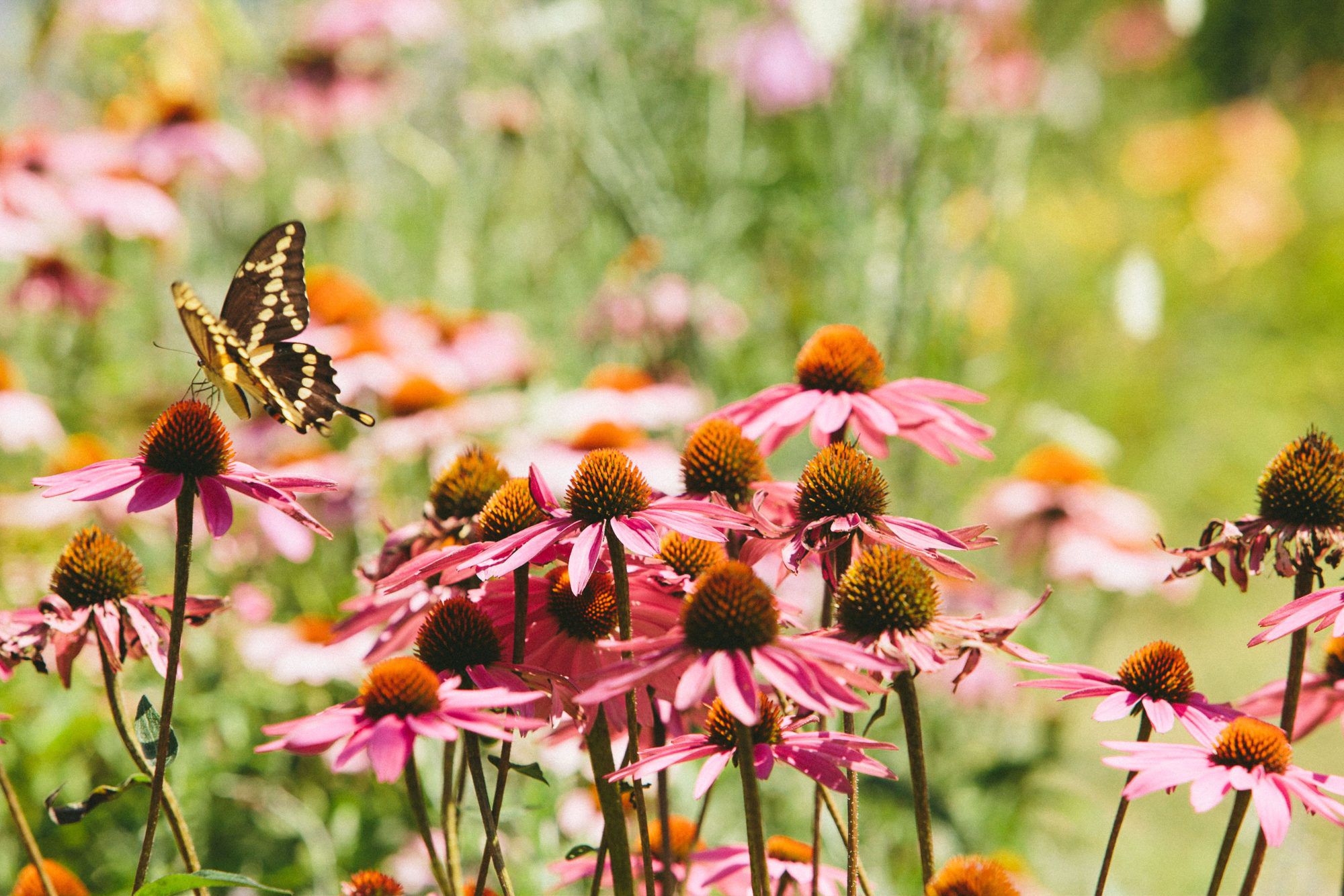
If your garden feels a little… quietlike a fancy outdoor room nobody’s usingthis is your sign to turn it into a living, fluttering, chirping neighborhood café. Birds want a reliable menu (seeds, berries, insects), butterflies want nectar plus baby food (host plants for caterpillars), and both appreciate good “real estate” (sun, shelter, water, and places to hide when the weather gets dramatic).
This guide gives you 23 garden planseach one a practical layout you can copy in a weekend or build over a season. They’re designed around proven wildlife-gardening principles: native plants first, blooms from spring through fall, clusters of flowers (not lonely singles), and a “clean-up less, enjoy more” approach that keeps habitat intact.
Quick Start Blueprint (So You Don’t Overthink It)
If you do nothing else, do these three things and you’ll see a difference:
- Plant a “3-3-3” mix: 3 native flowering perennials, 3 native shrubs, 3 native grasses/sedges. That gives nectar, cover, and structure.
- Add one water option: a shallow dish with stones (for butterflies) or a small birdbath (for birds). Clean and refill regularly.
- Stop the garden “sterilization” routine: leave some leaf litter and seedheads until spring. It’s basically a free wildlife hotel.
The 7 Golden Rules for Birds + Butterflies
1) Native plants are your unfair advantage
Native plants don’t just look nicethey’re the backbone of the backyard food web. They support the insects (especially caterpillars) that many birds rely on, and they provide the berries, seeds, and shelter birds use year-round. Bonus: natives usually handle your local weather without acting like divas.
2) Every butterfly garden needs two menus: nectar + host plants
Adults sip nectar; caterpillars need specific leaves. If you only plant nectar flowers, you’ll get visitorsbut not the full life cycle. Host plants are how you graduate from “cute butterfly cameo” to “resident population.”
3) Plant in clumps, not singles
Pollinators find flowers more easily when you repeat the same plant in groups. Think “buffet table,” not “one cracker hidden in the couch cushions.”
4) Build bloom succession from early spring to late fall
Birds and butterflies don’t live on a “June-only” schedule. Aim for continuous bloomsspring ephemerals and shrubs, summer perennials, and fall powerhouses like asters and goldenrods.
5) Sun matters (especially for butterflies)
Many butterfly nectar plants perform best in full sun, and butterflies need warmth to fly efficiently. If your yard is shady, you can still succeedjust prioritize a sunny “landing zone” and choose shade-tolerant natives.
6) Pesticides are a shortcut to an empty garden
If the goal is wildlife, skip broad-spectrum insecticides. You don’t want to “solve” the insect problembecause the insects are the birds’ groceries and the butterflies’ childhood.
7) Leave the leaves (and the stems)
Many butterflies and moths overwinter in leaf litter or tucked into garden debris. Standing stems can shelter native bees. Seedheads feed birds in winter. Translation: your “messy” winter garden is actually a five-star habitat.
23 Beautiful Garden Plans for Attracting Birds and Butterflies
Important note: Choose region-appropriate native plants. Use local native plant lists/databases and swap equivalents for your area. The layouts below are universal; the exact species can vary by state.
1) The Welcome-Mat Border (10’ x 3’)
Layout: Tall in back, medium in middle, low in front. Repeat plants in groups of 3–7.
Plant palette idea: Coneflowers + bee balm + asters; add a native bunchgrass for structure.
Why it works: Nectar for butterflies, seedheads for birds, and layered cover.
2) The Monarch Lane (Sun-Soaked Strip)
Layout: A 2–4’ wide strip along a fence or driveway edge.
Must-haves: Milkweed (host plant) + late-season nectar plants like goldenrod/aster equivalents.
Why it works: Monarchs need milkweed for egg-laying; fall blooms fuel migration.
3) The Berry Buffet Hedge (Privacy + Wildlife)
Layout: A staggered double row of native shrubs, 3–6’ apart.
Plant palette idea: Serviceberry, viburnum, winterberry, beautyberry (choose local natives).
Why it works: Birds get fruit and shelter; butterflies benefit from nearby nectar and protection from wind.
4) The “Leave It Alone” Winter Garden (Four-Season Interest)
Layout: Perennial bed designed to look good even when you don’t cut it back.
Plant palette idea: Black-eyed Susan, coneflower, native grasses, asters.
Why it works: Seedheads feed birds; stems provide overwintering structure; you get winter texture instead of a sad dirt rectangle.
5) The Patio Pot Pollinator Bar (Small Space Plan)
Layout: 5–7 large containers in a sunny cluster near seating.
Plant palette idea: One pot with milkweed (where appropriate), one with nectar flowers, one with a small native grass, and herbs like dill/fennel (host plants for swallowtails).
Why it works: Concentrates nectar and host plants where you can actually watch the action.
6) The Butterfly Puddle Corner (Because Butterflies Get Thirsty)
Layout: A sunny nook near flowers with a shallow “puddling” dishsand + water + flat stones.
Add: A basking rock for cool mornings.
Why it works: Butterflies drink and mineral-sip; birds often investigate water features too.
7) The Rain Garden Refuge (Eco-Friendly + Gorgeous)
Layout: A shallow basin (often 6–8” deep) where runoff naturally flows.
Plant palette idea: Moisture-loving natives (think swamp milkweed equivalents, sedges, native irises).
Why it works: Reliable moisture boosts nectar production; birds love the insect life rain gardens support.
8) The Meadow Patch (Lawn Replacement Lite)
Layout: Convert a 10’ x 10’ section of lawn into a mini meadow with grasses + wildflowers.
Plant palette idea: Native grasses + a rotating cast of bloomers (spring, summer, fall).
Why it works: A meadow is basically a year-round buffetnectar, seeds, insects, and cover.
9) The Woodland Edge Ribbon (Part Shade Plan)
Layout: A curving bed along the edge of treessunny spots get nectar, shaded spots get host plants and shelter.
Plant palette idea: Shade-tolerant natives + a sunny “nectar patch” near the front.
Why it works: Birds nest and shelter at edges; butterflies use edges as windbreaks and travel corridors.
10) The Cottage Garden With a Wildlife Upgrade
Layout: Dense mixed border, but with a rule: every ornamental must “pay rent” in nectar, seeds, or host value.
Plant palette idea: Natives that feel cottage-y: bee balm, phlox, coreopsis equivalents, plus berrying shrubs.
Why it works: You keep the classic look while boosting ecosystem function.
11) The Pollinator Pathway (Walkway Border Plan)
Layout: Two mirrored beds lining a path. Repeat the same 5–7 species for a cohesive “designed” look.
Why it works: Repetition helps pollinators find flowers; symmetry looks intentional (even if you’re improvising).
12) The Bird-Safe Window Garden (Near the House)
Layout: A planting zone 3–10’ from windows, with shrubs and perennials that keep birds foraging close to cover.
Why it works: Birds feed where they can dart into shelter; you get front-row seats without binocular gymnastics.
13) The “Brush Pile + Bloom” Habitat Corner
Layout: One discreet brush pile behind shrubs + a sunny nectar bed in front.
Why it works: Brush piles provide shelter; butterflies and birds both benefit from protected microhabitats (and you get a guilt-free place for sticks).
14) The Herb-and-Host Kitchen Garden
Layout: Raised bed with herbs/veggies + a nectar edge.
Include: Dill, fennel, parsley (swallowtail host plants), plus flowers like zinnias or native equivalents nearby.
Why it works: You harvest dinner while “donating” a few leaves to caterpillars. Sharing is caring.
15) The Prairie-Style “Big Sky” Bed (Low Fuss, High Impact)
Layout: Grasses as the framework, flowers as the fireworks.
Plant palette idea: Native grasses + coneflowers, blazing star equivalents, asters.
Why it works: Prairie plants are built for weather swings and support tons of insect life for birds.
16) The Drought-Tough Nectar Strip (Hot + Sunny)
Layout: A narrow bed with gravel mulch and drought-tolerant natives.
Why it works: Tough plants still provide nectar; birds hunt insects in these sunny, open areas.
17) The “Night Shift” Moon Garden (Moths Welcome)
Layout: White/pale, fragrant, evening-blooming plants near a seating area.
Why it works: Moths are pollinators too, and they’re also bird food. A night garden keeps the ecosystem running after dark.
18) The Tiny Pond or Bubbling Bowl Oasis
Layout: Small recirculating fountain or pondless bubbler surrounded by nectar plants and shrubs.
Why it works: Moving water attracts birds; nearby flowers bring butterflies; everyone wins.
19) The “Seedhead Stadium” (Winter Bird Magnet)
Layout: A back-of-yard bed filled with plants you promise not to deadhead in fall.
Why it works: Finches and other seed-eaters feast in winter; butterflies benefit from the intact structure.
20) The Fence-as-a-Trellis Butterfly Wall
Layout: Vines or tall plants trained along a fence, with nectar plants at the base.
Why it works: Vertical habitat adds shelter and wind protection; it also increases “usable space” in small yards.
21) The Shade-First Butterfly Strategy (Yes, It’s Possible)
Layout: Shade-tolerant natives under trees, plus one sunny pocket for nectar.
Why it works: Butterflies can feed in sun pockets and retreat to shade for protection; birds often prefer layered shade plantings.
22) The “Front Yard Soft Meadow” (HOA-Friendly Edition)
Layout: A neat edge + repeated clumps of native flowers + a defined path or border.
Why it works: It reads as designed landscaping (not “I gave up”), while still delivering nectar and seeds.
23) The Ultimate Combo: Shrub Island + Flower Halo
Layout: Center island of native shrubs (shelter/berries) surrounded by a ring of nectar plants and grasses.
Why it works: Birds forage confidently near cover; butterflies cruise the sunny halo. It’s basically a wildlife roundaboutyield to the flutter.
Maintenance That Helps (Not Hurts)
Think “habitat management,” not “yard perfection”
- Delay fall cleanup: Leave leaves, stems, and seedheads until spring. It supports overwintering insects and winter birds.
- Clean water features: Refresh birdbaths and shallow dishes often.
- Plant in layers: Trees (if you have them), shrubs, flowers, grassesmore layers = more niches.
- Skip pesticide routines: Spot-treat only when absolutely necessary, and prioritize non-chemical options.
- Refresh blooms: Aim for early, mid, and late season flowers so there’s always something on the menu.
of Real-World Gardening Experiences (What Gardeners Learn After the Honeymoon Phase)
Garden plans look perfect on paper because paper has never hosted aphids, survived a heat wave, or watched a squirrel commit property crimes in broad daylight. That’s why the most useful “experience” gardeners share is this: successful bird-and-butterfly gardens are built in layers and seasons, not in one heroic weekend.
One common lesson is that the first year can feel underwhelming. Perennials often spend year one growing roots, not throwing a party. Gardeners who stick with it usually report a noticeable jump in visitors in year two and threeespecially once shrubs start filling in and flowers form bigger clumps. The garden begins to function like a real habitat, not just a collection of nice plants standing politely apart.
Another shared experience: “messy” is not the same as “neglected.” People who leave seedheads and leaf litter often see more winter birds and earlier spring butterfly activity. The trick is to keep a few “signals of care” so the garden looks intentionalclean edges, a path, a border, or a tidy seating area. You can have habitat and curb appeal at the same time; you’re not choosing between butterflies and civilization.
Gardeners also learn quickly that host plants require a mindset shift. If you want caterpillars, you must accept that some leaves will be eaten. That’s not damage; it’s the whole point. Many people solve the emotional conflict by planting host plants in a slightly less prominent spot (or planting extra), then putting nectar plants front and center where the garden stays flashy. It’s like letting kids play in the backyard while the living room stays presentable.
Water is another “experience teacher.” Even a simple shallow dish with stones can change the garden’s activity level on hot days. Gardeners often notice butterflies visiting more consistently once water is available, and birds tend to make water features part of their daily route. Keeping water clean becomes the routine that actually matters more than fussy pruning.
Finally, there’s the big realization: native plant gardening is local. The same “butterfly plant” recommendation can be brilliant in one state and a headache in another. Experienced gardeners get in the habit of checking regional native lists, asking local extension offices, and swapping plants based on what thrives. Once you start treating your yard like a local ecosystemrather than a generic catalog pagethe garden becomes easier, more resilient, and far more alive.
Conclusion
Attracting birds and butterflies isn’t about buying one magical plant or hanging a single feeder and waiting for a Disney montage. It’s about building a mini habitat: native plants in layers, blooms across seasons, host plants for caterpillars, clean water, and a little patience. Pick one of the 23 plans above, adapt it to your region, and let your garden do what it was always meant to domove, sing, flutter, and occasionally surprise you with a caterpillar you didn’t know you were emotionally invested in.