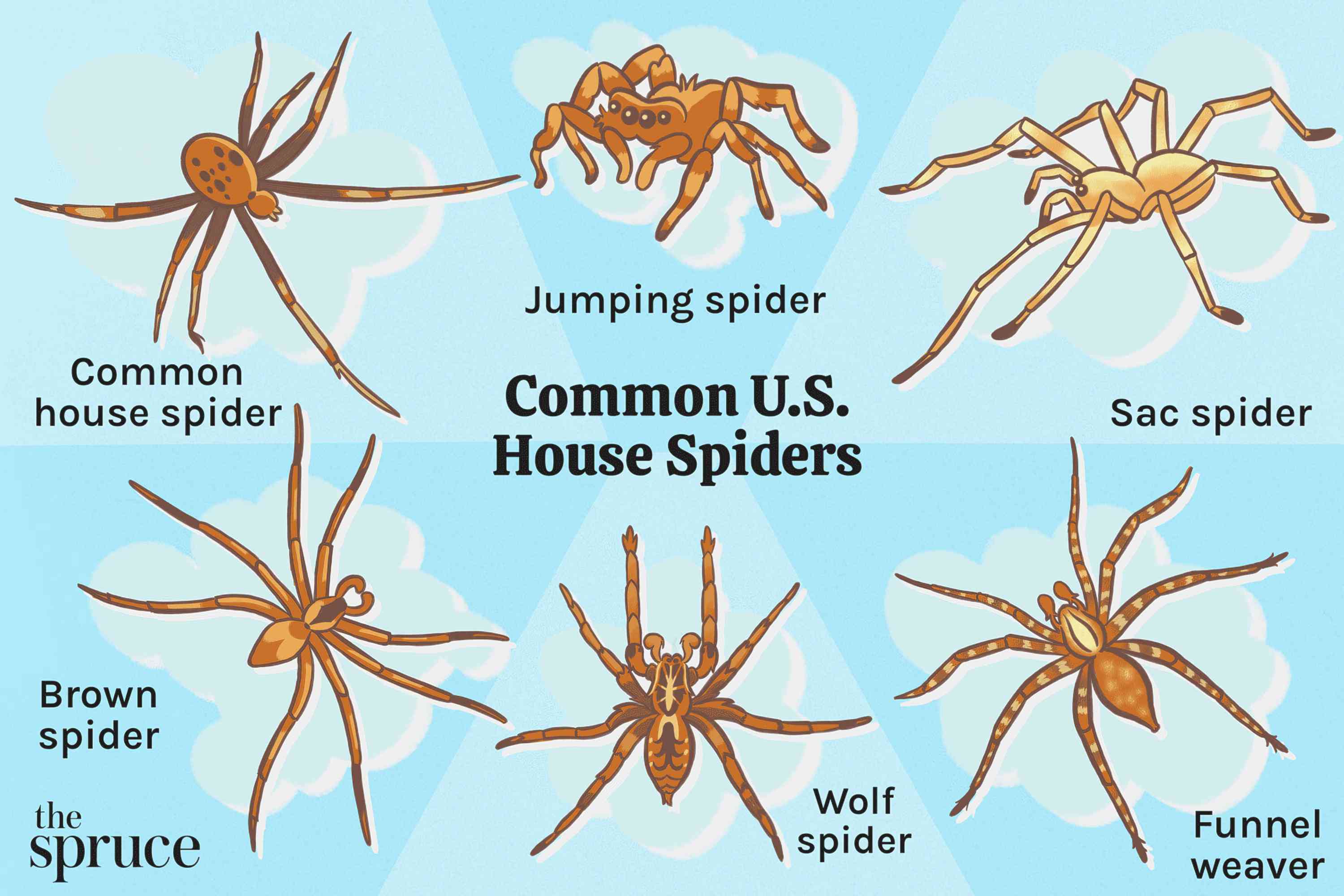
Few household discoveries create instant choreography like spotting a spider on the wall. One second you are calmly carrying laundry; the next you are performing an interpretive dance with a slipper in one hand and a flashlight in the other. The good news? Most common house spiders are not villains. They are tiny, eight-legged pest managers that quietly snack on flies, mosquitoes, ants, roaches, and other indoor freeloaders.
Still, identification matters. Some spiders are harmless roommates. A few deserve extra caution. Others are often blamed for mysterious bites they did not commit because, frankly, spiders have terrible public relations. This guide explains how to identify the most common house spiders in the United States, where they hide, what their webs look like, when to worry, and how to manage them without turning your home into a chemical fog machine.
Are House Spiders Dangerous?
Most house spiders are not dangerous to people. Many cannot easily pierce human skin, and even spiders that can bite usually do so only when trapped, pressed, or threatened. A spider on the wall is not plotting revenge. It is probably wondering why the giant mammal is yelling.
In the United States, the two groups that deserve the most medical caution are black widow spiders and brown recluse spiders. Even then, bites are not as common as internet panic suggests. Many red, swollen skin spots blamed on spiders are actually caused by other insects, skin infections, allergic reactions, or irritation. If a bite causes severe pain, muscle cramps, a growing wound, trouble breathing, fever, spreading redness, or you suspect a black widow or brown recluse, seek medical care or contact Poison Control.
Quick Spider Identification Checklist
- Count the legs: spiders have eight legs, not six like insects.
- Look at body shape: round-bodied web builders differ from lean hunting spiders.
- Notice the web: messy cobwebs, funnel webs, sheet webs, and orb webs offer clues.
- Check location: basements, garages, windows, bathrooms, closets, and porch lights attract different species.
- Use caution: never handle an unknown spider with bare hands.
11 Most Common House Spiders in the U.S.
1. Common House Spider
The common house spider, also called the American house spider, is one of the classic indoor web builders. It is usually grayish, tan, or brown with a rounded abdomen and subtle markings. These spiders often build messy, tangled cobwebs in corners, basements, garages, closets, crawl spaces, and window frames.
Common house spiders are not aggressive and are generally considered nuisance spiders rather than dangerous pests. Their webs may look like your home skipped leg day during cleaning week, but the spiders themselves help reduce tiny flying insects. If you see lots of them, it may mean your home also has enough insect prey to support them.
How to identify a common house spider
- Small to medium size with a rounded abdomen
- Gray, tan, or brown coloring
- Messy cobwebs in quiet indoor corners
- Common in basements, sheds, garages, and crawl spaces
2. Cellar Spider
The cellar spider is the long-legged, delicate spider often mistaken for “daddy longlegs.” It has a small body and extremely long, thin legs that make it look like a walking punctuation mark. Cellar spiders prefer dark, damp, quiet spaces such as basements, cellars, storage rooms, crawl spaces, and garage corners.
These spiders build irregular webs and may vibrate rapidly when disturbed. That shaking behavior can make them look dramatic, but it is a defensive trick, not a supernatural warning. Cellar spiders are harmless to people and can help control mosquitoes, flies, and even other spiders.
How to identify a cellar spider
- Very long, thin legs
- Small grayish or tan body
- Tangled webs in dark corners
- Often seen hanging upside down
3. Yellow Sac Spider
The yellow sac spider is a small, pale yellow to light tan spider that often wanders across walls and ceilings at night. Instead of building a dramatic web in the center of the room, it makes a small silken retreat, or “sac,” in corners, behind pictures, along ceilings, or inside folds of fabric.
Yellow sac spiders are common indoors and outdoors. They may bite if trapped against skin in clothing, bedding, or towels. A bite can be painful and may cause redness, swelling, or irritation, but serious reactions are uncommon. Shake out clothing or towels that have been sitting in storage, especially in garages or guest rooms that have been closed up for a while.
How to identify a yellow sac spider
- Light yellow, cream, or pale tan body
- Small size and fast movement
- Often found on walls or ceilings at night
- Silken sacs in corners, behind frames, or along ceilings
4. Jumping Spider
Jumping spiders are the charismatic extroverts of the spider world. They are compact, fuzzy, alert, and often have large front eyes that give them a surprisingly curious expression. Some species, such as the bold jumping spider, may have black bodies with white markings and metallic green or blue mouthparts.
Unlike web builders, jumping spiders actively hunt. They stalk prey, pause like tiny cats, and leap with impressive precision. Indoors, they are often found near windows, sunny walls, houseplants, and screens where insects gather. They are not considered dangerous, and many homeowners find them oddly charming once the initial “spider!” alarm wears off.
How to identify a jumping spider
- Stocky, hairy body
- Large forward-facing eyes
- Quick, jerky movements and short jumps
- Often seen near windows or sunny spots
5. Wolf Spider
The wolf spider is a large, fast hunting spider that can cause a full-volume scream simply by crossing a hallway at the wrong time. These spiders are usually brown, gray, or mottled, with sturdy legs and excellent eyesight. They do not build prey-catching webs; they chase insects on the ground.
Wolf spiders may enter homes through gaps under doors, cracks near foundations, garages, basements, or around boxes brought indoors. Females may carry egg sacs attached to their spinnerets, and after hatching, spiderlings may ride on the mother’s back. This is excellent parenting and also the reason some people discover they can jump backward three feet without training.
How to identify a wolf spider
- Medium to large body
- Brown, gray, or mottled camouflage pattern
- Fast running behavior
- No indoor web; hunts on floors and ground-level areas
6. Brown Recluse Spider
The brown recluse is one of the most discussed spiders in America, and also one of the most misidentified. It is most established in the south-central and Midwestern United States. Many spiders are mistaken for brown recluses simply because they are brown, which is like identifying every beige car as a taxi.
True brown recluse spiders are tan to brown, have long thin legs, and usually show a darker violin-shaped marking on the cephalothorax, the front body section. More importantly, they have six eyes arranged in three pairs, unlike most spiders that have eight eyes. They prefer dry, cluttered, undisturbed areas such as closets, cardboard boxes, attics, basements, storage rooms, and wall voids.
Brown recluse bites can sometimes cause significant wounds, although not every bite becomes severe. Avoid reaching blindly into stored items, shake out shoes and clothing, and use gloves when moving old boxes, lumber, or clutter in areas where recluses are known to live.
How to identify a brown recluse
- Tan to medium brown body
- Violin-shaped mark on the front body section
- Six eyes in three pairs
- Prefers dry, quiet, cluttered spaces
7. Black Widow Spider
Black widow spiders are glossy, dark spiders best known for the red hourglass marking on the underside of the female’s abdomen. Several widow species live in the United States, and markings can vary, but the shiny rounded body and irregular web are key clues.
Black widows usually stay in protected, low-traffic areas such as garages, sheds, crawl spaces, meter boxes, woodpiles, outdoor furniture, and cluttered corners. They are not roaming assassins; they prefer to stay in their webs. Bites often happen when someone accidentally presses against the spider or reaches into its hiding spot.
A black widow bite can cause pain, muscle cramps, sweating, nausea, headache, or other systemic symptoms. Medical attention is important if a bite is suspected, especially for children, older adults, pregnant people, or anyone with severe symptoms.
How to identify a black widow
- Glossy black body in adult females
- Rounded abdomen
- Red hourglass or red markings, often underneath
- Messy, strong web in protected areas
8. Funnel Weaver and Grass Spider
Funnel weavers, including grass spiders, are common around homes and sometimes wander indoors. They build flat sheet-like webs with a funnel-shaped retreat where the spider hides. You may see these webs in grass, shrubs, window wells, basement corners, garages, and along foundations.
Grass spiders are often brown with darker stripes running lengthwise along the body. They are fast runners and usually retreat quickly when disturbed. They are sometimes confused with wolf spiders or hobo spiders, but their web is a major clue. If you see a sheet web with a little tunnel entrance, you are likely looking at a funnel weaver’s home office.
How to identify funnel weavers
- Brown body with lengthwise stripes
- Fast movement
- Sheet web with funnel retreat
- Common near foundations, lawns, shrubs, and garages
9. Woodlouse Spider
The woodlouse spider looks more dramatic than it usually is. It often has a reddish-brown front body, pale gray or tan abdomen, and large forward-projecting jaws. Those jaws are useful because this spider specializes in hunting woodlice, also called sowbugs or pill bugs.
Woodlouse spiders may appear in basements, bathrooms, laundry rooms, garages, or around damp foundations where moisture-loving prey lives. Their appearance can be startling, but they are not considered medically important. Reducing dampness and sealing gaps can help reduce both the spider and the small crustaceans it likes to eat.
How to identify a woodlouse spider
- Reddish-brown cephalothorax
- Pale gray, cream, or tan abdomen
- Noticeably large jaws
- Often found in damp areas
10. Orb-Weaver Spider
Orb-weaver spiders are usually outdoor spiders, but they are often found around homes, porches, decks, windows, and exterior lights. They build the classic circular spider web that looks like it was designed by a tiny engineer with excellent geometry skills.
Orb-weavers vary widely in color and size. Some are small and brown; others are bright yellow, orange, white, or patterned. Most are harmless to people and highly beneficial because they catch flying insects. If one builds a web across your porch at face height every evening, it is not personal. It is just terrible urban planning.
How to identify an orb-weaver
- Round or oval abdomen
- Often colorful or patterned
- Classic wheel-shaped web
- Common near porch lights, gardens, windows, and decks
11. Parson Spider
The parson spider is a fast-moving ground spider often found indoors at night. It is usually dark brown to black with a pale marking on the abdomen that resembles an old-fashioned clerical collar, which explains the name. It does not build a web to catch prey; instead, it hunts insects and other small arthropods.
Parson spiders may hide under rugs, baseboards, furniture, boxes, clothing piles, or debris near doors. They can bite if trapped against skin, and a bite may be painful, but serious medical problems are uncommon. The best control is simple housekeeping: reduce clutter, vacuum edges, and avoid leaving clothes in heaps on the floor unless you are intentionally creating spider condos.
How to identify a parson spider
- Dark body with pale abdominal marking
- Fast running behavior
- No prey-catching web
- Often seen at night on floors or walls
House Spider Identification Table
| Spider | Main Clue | Common Location | Concern Level |
|---|---|---|---|
| Common house spider | Messy cobweb, rounded abdomen | Basements, closets, corners | Low |
| Cellar spider | Very long thin legs | Basements, crawl spaces | Low |
| Yellow sac spider | Pale yellow body, nighttime wandering | Walls, ceilings, bedding areas | Low to moderate |
| Jumping spider | Large front eyes, short jumps | Windows, sunny walls | Low |
| Wolf spider | Large, fast, ground hunter | Floors, garages, basements | Low |
| Brown recluse | Violin mark, six eyes, regional range | Dry clutter, boxes, closets | Moderate to high |
| Black widow | Glossy body, red hourglass | Garages, sheds, protected corners | High |
| Funnel weaver | Sheet web with funnel retreat | Foundations, window wells, garages | Low |
| Woodlouse spider | Red-brown front, pale abdomen | Damp basements, bathrooms | Low |
| Orb-weaver | Circular wheel-shaped web | Porches, decks, exterior lights | Low |
| Parson spider | Dark runner with pale marking | Floors, baseboards, boxes | Low to moderate |
Why Spiders Come Inside
Spiders enter homes for three main reasons: shelter, food, and accidental access. They may slip in through cracks, gaps under doors, torn screens, vents, utility openings, firewood, plants, boxes, or outdoor furniture. Seasonal changes also matter. In many areas, people notice more spiders indoors in late summer and fall as mature males wander in search of mates.
A sudden increase in spiders may also suggest an increase in their prey. If your home has flies, moths, ants, roaches, drain flies, or other insects, spiders will treat the place like a buffet with baseboards.
How to Prevent House Spiders Naturally
Seal entry points
Use caulk around cracks, repair window screens, install door sweeps, and seal gaps around pipes, vents, and utility lines. A spider cannot move into your home if the front door is basically a wall.
Reduce clutter
Cardboard boxes, piles of clothes, unused storage areas, and stacks of paper create perfect hiding spots. Use sealed plastic bins for long-term storage, especially in basements, garages, and closets.
Vacuum regularly
Vacuum corners, baseboards, ceiling edges, closets, under furniture, and behind appliances. This removes webs, egg sacs, dead insects, and the occasional spider that refuses to pay rent.
Control other pests
Spiders follow food. Keep food sealed, clean crumbs, fix moisture problems, empty trash regularly, and address insect infestations. Fewer insects usually means fewer spiders.
Use careful outdoor maintenance
Move firewood away from the house, trim shrubs that touch siding, reduce leaf litter near foundations, and shake out garden gloves, shoes, and outdoor cushions before use.
When to Call a Professional
Consider calling a pest professional if you repeatedly find black widows, suspect brown recluse activity in a region where they are established, notice many spiders along with other insects, or cannot identify a spider safely. Professional identification can prevent overreaction, underreaction, and the classic mistake of treating every brown spider like a celebrity criminal.
Real-Life Experience: What Homeowners Usually Notice First
In everyday homes, spider identification usually starts with a moment of surprise, not a magnifying glass. A homeowner notices a messy web in a basement corner, a pale spider crossing the ceiling at midnight, or a large wolf spider sprinting across the garage floor like it is late for a meeting. The first instinct is often fear, but the second step should be observation. Where was the spider? Was it in a web or running? Was the web messy, funnel-shaped, or circular? Those clues are often more useful than color alone.
For example, a spider found hanging upside down in a basement web with very long legs is usually a cellar spider. It may look spooky because it has the proportions of a haunted umbrella, but it is harmless and often beneficial. A small fuzzy spider near a sunny window is likely a jumping spider, especially if it turns to look at you with those big front eyes. Many people go from “absolutely not” to “okay, this one can stay” after watching a jumping spider hunt gnats near a window.
Garages and storage rooms tell a different story. Spiders found near cardboard boxes, shoes, garden gloves, firewood, or dark corners deserve more caution because those are also places where black widows or brown recluses may hide in parts of the country where they occur. The practical habit is simple: do not reach blindly. Wear gloves, shake out shoes, open boxes carefully, and use a flashlight before grabbing stored items. This is not paranoia; it is adulting with better lighting.
Bathrooms and laundry rooms often attract spiders indirectly because moisture attracts other small arthropods. A woodlouse spider in a damp basement may signal that sowbugs or pill bugs are nearby. Fixing moisture, improving ventilation, and sealing foundation gaps can reduce both the prey and the predator. In this way, spiders can act like tiny inspectors. They may be telling you something about humidity, clutter, or insect activity.
The most effective long-term spider control is rarely dramatic. It is a routine: vacuum webs, remove egg sacs, seal cracks, reduce clutter, repair screens, and keep outdoor debris away from the foundation. Spraying every corner without solving entry points or insect prey is like deleting emails without unsubscribing; the problem keeps returning. When handled calmly, spider management becomes less about panic and more about understanding your home’s little ecosystem.
Conclusion
House spiders are common, useful, and usually far less dangerous than their reputation suggests. Learning to identify the 11 most common house spiders helps you decide which ones can be ignored, which ones can be relocated, and which ones require caution. Common house spiders, cellar spiders, jumping spiders, wolf spiders, orb-weavers, funnel weavers, woodlouse spiders, and parson spiders are mostly nuisance or beneficial species. Yellow sac spiders may cause irritating bites if trapped against skin. Black widows and brown recluses deserve the most respect, especially in garages, sheds, closets, and cluttered storage spaces.
The best approach is practical prevention: seal gaps, reduce clutter, vacuum webs, control insects, and use gloves when handling stored items. Spiders are not trying to take over your house. They are simply following shelter and food. Remove the invitation, and most of them will choose a less dramatic address.