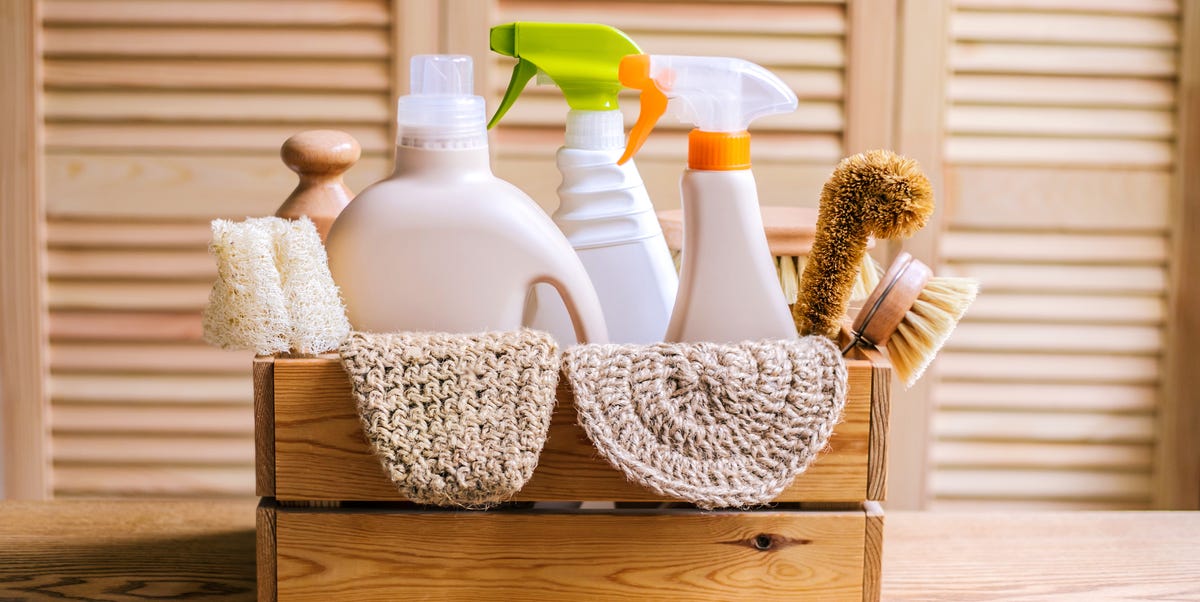
Note: This article is for household safety and general education. If you accidentally mix cleaners and notice a strong smell, coughing, burning eyes, dizziness, chest tightness, or trouble breathing, leave the area immediately, get fresh air, and contact Poison Control or emergency services.
Cleaning your home should not feel like a chemistry final with a mop. Yet many everyday products under the sink can react badly when combined. One bottle promises “deep clean.” Another says “kills germs.” A third has a citrus scent so cheerful it seems legally required to sparkle. But when certain cleaning products are mixed, the result can be toxic fumes, irritated lungs, chemical burns, ruined surfaces, or one very dramatic afternoon you did not schedule.
The safest rule is simple: use one cleaner at a time, follow the label, rinse surfaces between products, ventilate the room, and never assume that “more products” means “more clean.” In fact, the best cleaning routine is usually boring: soap, water, scrubbing, patience, and the correct disinfectant when needed. Your bathroom does not need a potion. It needs a plan.
Below are 11 cleaning products you should never mix, why the combinations are risky, and what to do instead. Keep this list handy, especially before a deep-cleaning weekend, a move-out scrub, or one of those “I saw this hack online” moments.
Why Mixing Cleaning Products Can Be Dangerous
Many household cleaners are safe when used exactly as directed. The trouble starts when people layer them, pour them together, or use one product immediately after another without rinsing. Bleach, ammonia, acids, alcohols, drain cleaners, and disinfectants are designed for specific jobs. When mixed, they can release gases or create corrosive compounds that irritate the eyes, nose, throat, skin, and lungs.
Another problem is that ingredient names are not always obvious. “Bleach” may appear as sodium hypochlorite. Ammonia may hide inside glass cleaners, floor cleaners, or some multi-surface products. Acids can show up in vinegar, toilet bowl cleaners, rust removers, descalers, and lime removers. That is why the label is not decorative. It is the little instruction manual standing between you and a cough-filled hallway.
11 Cleaning Products You Should Never Mix
1. Bleach and Ammonia
This is the classic dangerous cleaning combination, and it deserves its reputation. Mixing bleach with ammonia can create chloramine gases, which may cause coughing, watery eyes, shortness of breath, chest pain, throat irritation, and more serious lung problems in severe exposures.
The sneaky part is that ammonia is found in more places than people realize. Some glass cleaners, window sprays, floor cleaners, bathroom cleaners, furniture polishes, and even urine can contain ammonia or ammonia-like compounds. That means cleaning a toilet, litter box, diaper pail, or bathroom floor with bleach without proper rinsing can become a problem.
Safer move: Choose either a bleach-based disinfectant or an ammonia-based cleaner, never both. If you need to switch products, rinse the surface thoroughly with water first and let the area air out.
2. Bleach and Vinegar
Vinegar has a friendly reputation. It sounds like something your grandmother used while humming in the kitchen. Bleach, on the other hand, sounds serious. Put them together, and that “natural cleaning hack” can release chlorine gas. Chlorine gas can irritate the eyes, nose, throat, and lungs and may cause coughing or breathing problems.
This combination often happens when someone tries to “boost” disinfecting power or remove stains faster. Unfortunately, chemistry does not care about your cleaning schedule. Vinegar is acidic, and bleach does not play nicely with acids.
Safer move: Use vinegar for mineral deposits, soap scum, and some grime on vinegar-safe surfaces. Use diluted bleach only when the label says it is appropriate. Do not combine them, and do not use them back-to-back without rinsing.
3. Bleach and Rubbing Alcohol
Rubbing alcohol is useful for quick disinfecting in certain situations, and bleach is a powerful disinfectant when diluted correctly. Together, however, they can form irritating and potentially toxic compounds, including chloroform-related vapors. This is not a “super disinfectant.” It is a bad idea wearing rubber gloves.
This mix can happen when people clean electronics, counters, bathroom surfaces, or stain spots with alcohol and then follow with bleach. Even small areas can create fumes, especially in a closed bathroom or laundry room.
Safer move: Use alcohol-based products separately and only where recommended. Keep bleach away from alcohol, hand sanitizer, alcohol wipes, and DIY sprays containing isopropyl alcohol.
4. Bleach and Toilet Bowl Cleaner
Many toilet bowl cleaners contain acids designed to tackle mineral stains, rust, and hard-water rings. When bleach meets acidic toilet cleaner, chlorine gas may be released. That dramatic “clean smell” people sometimes chase is not a badge of cleanliness. It can be a warning sign.
This mistake is common because toilets are where people bring out the heavy-duty products. Someone pours in one cleaner, scrubs, sees a stubborn ring, then adds bleach. The toilet bowl becomes a tiny chemistry lab, and nobody asked it to major in toxic fumes.
Safer move: Use one toilet product at a time. Flush thoroughly before switching cleaners. Better yet, finish the job with the product you started with and save experiments for baking cookies, not bathroom porcelain.
5. Bleach and Rust Remover
Rust removers and lime removers are often acidic. They may contain ingredients designed to dissolve iron stains, calcium buildup, and mineral deposits. When combined with bleach, acidic cleaners can release chlorine gas.
This can happen in showers, sinks, tubs, laundry rooms, and around old fixtures. A person may use rust remover on orange stains, then spray bleach for mildew. The surface may look cleaner, but the air may become unsafe.
Safer move: Treat rust and mildew as separate cleaning jobs. Use rust remover according to the label, rinse thoroughly, ventilate the room, and wait before using any other product.
6. Vinegar and Hydrogen Peroxide
Vinegar and hydrogen peroxide are both popular in DIY cleaning circles. Used separately, each can have a place in household cleaning. Mixed together in the same container, they can create peracetic acid, a corrosive compound that may irritate the skin, eyes, throat, and lungs.
The mistake often comes from “natural disinfectant” recipes. A spray bottle with vinegar plus hydrogen peroxide may sound gentle because both ingredients are familiar. But familiar does not always mean harmless when combined.
Safer move: If a cleaning routine calls for both, use them separately and never store them together in one bottle. Apply one, rinse or wipe as appropriate, then use the other only if the surface and product directions allow it.
7. Drain Cleaner and Drain Cleaner
Different drain cleaners can contain very different chemicals. Some are acidic, some are alkaline, and some generate heat. Mixing drain cleaners can cause splashing, heat, pressure, toxic fumes, or pipe damage. In plain English: the clog may remain, but now it has backup dancers.
This is especially risky because drains are enclosed spaces. If the first product fails, pouring another one on top can trap reactive chemicals inside the pipe. That can create a hazardous situation for you or for the plumber who gets called later.
Safer move: Use only one drain cleaner exactly as directed. If it does not work, stop. Do not add another chemical. Try mechanical methods such as a plunger or drain snake, or call a professional.
8. Bleach and Drain Cleaner
Bleach should not be poured into a drain that contains drain cleaner residue. Depending on the drain product, mixing with bleach can release toxic gases or cause a violent reaction. This is one of those “seems helpful, is absolutely not helpful” household moments.
People sometimes add bleach to drains to handle odor. But if the drain already contains chemical cleaner, old residue, or unknown products, bleach can make the situation worse. A stinky drain is annoying. A fume-filled kitchen is worse.
Safer move: Avoid using bleach after drain chemicals. For odor, first try flushing with hot water if your plumbing allows it, cleaning the drain cover, or using non-chemical methods. When in doubt, call a plumber.
9. Disinfectant Sprays and Bleach
Disinfectant sprays can contain quaternary ammonium compounds, alcohols, fragrances, solvents, or other active ingredients. Bleach is already a disinfectant when diluted and used properly. Combining it with another disinfectant does not double the germ-killing power; it increases the chance of chemical irritation or dangerous fumes.
This often happens during cold and flu season, after illness, or when someone wants the house to feel “extra sanitized.” The better strategy is not product stacking. It is correct contact time. Many disinfectants need to remain visibly wet on a surface for a specific number of minutes to work.
Safer move: Pick one EPA-registered disinfectant appropriate for the surface. Follow the label for dilution, contact time, and ventilation. More spraying is not a personality trait; it is just more spraying.
10. Oven Cleaner and Bleach
Oven cleaners are often strong alkaline products designed to break down baked-on grease. Bleach is not a grease remover and should not be mixed with oven cleaner. Combining harsh products can increase fumes, irritate skin and lungs, and damage surfaces.
The temptation is understandable. Oven grime can look like it has been training for battle. But using multiple harsh cleaners at once can turn a tough job into a safety hazard. Also, ovens are enclosed spaces, so leftover chemical residue can linger if not removed properly.
Safer move: Use oven cleaner only as directed, with ventilation and gloves. Wipe and rinse according to the label. Do not follow with bleach. For routine maintenance, clean spills early before they become fossilized lasagna.
11. Baking Soda and Vinegar in a Closed Container
Baking soda and vinegar are not toxic in the same way bleach mixtures can be, but they are still worth mentioning because the internet loves this fizzy duo. When mixed, they react and release carbon dioxide gas. In an open sink drain, that fizz may be harmless and sometimes useful for loosening light debris. In a closed bottle or sealed container, pressure can build and cause bursting or spraying.
There is also a performance issue: baking soda is basic, and vinegar is acidic. Together, they mostly neutralize each other. The dramatic bubbles look productive, but after the show, you may be left with a weaker cleaning solution.
Safer move: Do not store baking soda and vinegar together. Use baking soda as a mild abrasive paste, or use vinegar separately for mineral deposits on vinegar-safe surfaces. Let each ingredient do its own job.
How to Clean Safely Without Playing Kitchen Chemist
Read the Label Before You Spray
Labels tell you what a cleaner is meant to do, where it can be used, how long it should sit, what surfaces to avoid, and what not to mix it with. Reading the label may not feel glamorous, but neither does coughing in the driveway while your bathroom airs out.
Use One Product at a Time
The simplest safety rule is also the most effective: one product, one task. If the first cleaner does not work, rinse the surface thoroughly with water, dry or ventilate as needed, and then choose a different product later.
Ventilate Like You Mean It
Open windows, turn on exhaust fans, and avoid cleaning in tiny closed rooms for long periods. Ventilation matters even when you are not mixing products. Strong cleaners can irritate the lungs, especially for people with asthma, allergies, chronic respiratory issues, or chemical sensitivities.
Store Products in Original Containers
Do not pour cleaners into random drink bottles, decorative jars, or mystery spray bottles. Original containers include labels, directions, warnings, and emergency information. A cute unlabeled bottle may match your laundry room aesthetic, but it is terrible at explaining itself during a crisis.
Keep Cleaners Away From Children and Pets
Store cleaning products high, locked, or otherwise out of reach. Pets and children do not read warning labels. Some pets will lick anything with confidence, including floors, buckets, and freshly sprayed surfaces. Let cleaned areas dry and air out before allowing them back in.
What to Do If You Accidentally Mix Cleaners
If you accidentally mix cleaning products and smell strong fumes, stop cleaning immediately. Do not lean closer to investigate. Your nose is not a laboratory instrument.
Leave the area, move to fresh air, and keep others away. If it is safe to do so, open doors or windows from a distance or on your way out. Do not try to neutralize the mixture with another chemical. If anyone has trouble breathing, chest pain, severe coughing, burning eyes, vomiting, dizziness, or confusion, call emergency services. For guidance in the United States, contact Poison Control at 1-800-222-1222.
Real-Life Experiences: Lessons From the Cleaning Aisle
Most people who mix cleaners are not reckless. They are busy, tired, or trying to solve a stubborn mess quickly. That is what makes these mistakes so common. The person scrubbing the shower at 9:30 p.m. is not thinking, “Tonight I shall create a hazardous gas.” They are thinking, “Why is this grout still orange?”
One familiar scenario is the bathroom deep clean. You start with a toilet bowl cleaner, then notice mildew near the base, then reach for a bleach spray. The room is small, the fan is weak, and suddenly the air feels sharp. The lesson is simple: bathrooms need sequencing. Clean the toilet with one product, flush and rinse, then move on. If a different cleaner is needed for tile or grout, use it later after the first product is fully removed.
Another common experience happens in the kitchen. A drain smells bad, so someone pours in a drain opener. When the odor remains, they add bleach because bleach “kills everything,” right? Not quite. Drains can hold residue, and mixing chemicals in a pipe is risky because you cannot see what is happening. A safer habit is to treat drains like plumbing, not soup. Use one method, wait, and call a pro when chemical products fail.
Laundry rooms can also invite overconfidence. Bleach, stain removers, vinegar rinses, oxygen boosters, and detergents often live shoulder-to-shoulder. The best routine is to separate tasks: whiten bleach-safe items with the correct bleach dilution, use vinegar only where your machine manual and fabric care allow, and never improvise mixtures in the dispenser drawer. Your washing machine is expensive. Let it have a peaceful life.
Then there are viral cleaning hacks. They look satisfying because the video is edited, the sink sparkles, and nobody shows the coughing part. A mountain of powder, three sprays, a splash of blue liquid, and a fizzy finale may perform well on camera, but cleaning is not a fireworks show. Real cleaning success is quieter: remove dirt first, disinfect only when needed, and give products time to work.
The most useful experience-based habit is creating a “one-product rule” for each job. Glass cleaner for windows. Dish soap for greasy counters. A labeled disinfectant for high-touch surfaces. A mineral remover for hard-water stains. When the job changes, the product can changebut only after rinsing, wiping, and ventilating. That small pause can prevent big problems.
Finally, remember that a clean home should smell like almost nothing. Heavy chemical odors are not proof of cleanliness. They are often proof that the room needs fresh air. The goal is not to defeat dirt with drama. The goal is a home that is clean, safe, breathable, and not secretly auditioning for a science disaster documentary.
Conclusion
The most important rule behind these 11 cleaning products you should never mix is wonderfully unexciting: follow the label and use one product at a time. Bleach should not be mixed with ammonia, vinegar, toilet bowl cleaner, rust remover, rubbing alcohol, drain cleaner, disinfectant sprays, or other household cleaners. Vinegar should not be mixed with hydrogen peroxide. Drain cleaners should not be combined with each other. Even harmless-looking fizz, like baking soda and vinegar in a sealed bottle, can create pressure and mess.
Good cleaning is not about using every bottle under the sink. It is about choosing the right product for the job, giving it time to work, rinsing when needed, and keeping the air safe to breathe. Clean smarter, not louder.