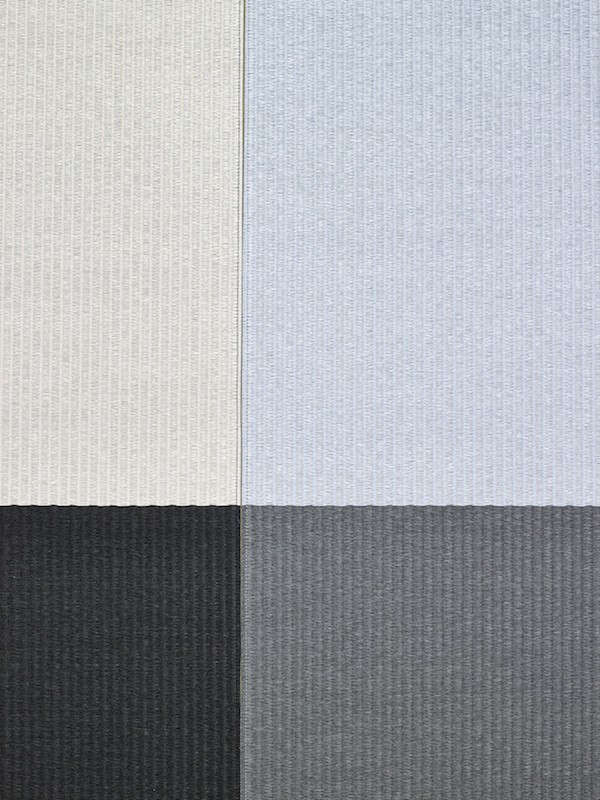
Some carpets whisper. Some carpets shout. Woodnotes’ Squareplay Carpet does something far more Scandinavian: it calmly enters the room, organizes the visual chaos, and makes everything look like an architect has been secretly living in your house. Designed by Ritva Puotila and the Woodnotes design team, Squareplay is a paper yarn carpet built around a simple idea: a row of squares that can stand alone or join forces with other Squareplay carpets to create a larger chessboard-like area.
That may sound modest, but good design often starts with restraint. The Squareplay carpet does not rely on complicated florals, loud swirls, or a pattern that looks like it had too much espresso. Instead, it uses geometry, texture, and material intelligence. It is made for modern residential interiors and light contract spaces, offering a clean-lined rug option for people who want their floor to look intentional without turning the room into a flooring circus.
Woodnotes is a Finnish design company founded in 1987 by textile artist Ritva Puotila and her son Mikko Puotila. The brand became known for using paper yarn in contemporary functional textiles, not as a gimmick, but as a serious material with its own personality. Squareplay belongs to that tradition: natural, durable, minimal, and quietly expressive.
What Is Woodnotes’ Squareplay Carpet?
Woodnotes’ Squareplay Carpet is a rectangular paper yarn rug with a repeating square-based pattern. Its defining feature is a row of squares, available in carefully selected color combinations and sizes. The carpet can be used as a single runner-like design element or placed side by side with other Squareplay rugs to build a larger two-color or multicolor grid.
The design is practical as well as visual. Squareplay carpets are known for their flat, nearly seamless edges, which makes them especially useful when multiple rugs are arranged together. In other words, this is not just a carpet; it is a modular design tool for people who enjoy options but do not want their living room to resemble a puzzle dumped from a box.
A Pattern That Plays Well With Others
The name Squareplay is wonderfully literal. It plays with squares. But the pattern is not childish or overly graphic. The geometry feels disciplined, almost architectural. In a living room, it can define a seating area. In a hallway, it can create rhythm. In an office, boutique, gallery, or reading corner, it can add visual structure without stealing attention from furniture, artwork, or people who insist on standing in doorways during conversations.
Because several carpets can be placed side by side, Squareplay is especially appealing for larger interiors. Instead of ordering one massive rug and hoping it behaves, homeowners and designers can create a custom-feeling area from multiple coordinated pieces. This makes the carpet useful in open-plan homes where one large room needs smaller visual zones.
The Story Behind Woodnotes and Paper Yarn
To understand Squareplay, it helps to understand Woodnotes. The company was built on a distinctive idea: combine Finnish nature, craft, modern technology, and basic raw materials such as wood and paper. Paper yarn is spun from kraft paper, and Woodnotes has refined this material into rugs, blinds, panels, upholstery fabrics, accessories, and other interior textiles.
Paper yarn may surprise people who expect paper to be delicate. This is not the same paper used for grocery lists, printer jams, or dramatic apology letters. Woodnotes uses strong paper yarn made from wet-strength kraft paper. The resulting material is durable, moisture-resistant, easy to maintain, and pleasantly tactile underfoot.
One of Woodnotes’ most compelling design ideas is that paper yarn should be appreciated for what it is. It is not trying to impersonate wool, silk, sisal, or cotton. It has its own smoothness, firmness, cool-warm seasonal feel, natural tone, and subtle rustle. That honesty gives Squareplay its character.
Why Squareplay Works in Modern Interiors
Modern rooms often need balance. Too much minimalism and a space can feel like nobody lives there except a very tidy ghost. Too much pattern and the room starts arguing with itself. Woodnotes’ Squareplay Carpet lands in the sweet spot. It brings pattern, but the pattern is orderly. It brings texture, but the texture is refined. It brings personality, but politely removes its shoes at the door.
It Anchors a Room Without Overpowering It
A good area rug should help furniture feel connected. Squareplay can visually anchor a sofa, lounge chair, coffee table, or dining setup while maintaining an airy impression. Because its pattern is based on geometry rather than decorative ornament, it pairs well with many furniture styles, including Scandinavian, mid-century modern, Japandi, contemporary, minimalist, and even transitional interiors.
It Adds Structure to Open Spaces
Open-plan homes are beautiful until every zone starts blending into one large “where does the dining room end?” situation. Squareplay can help define areas. A row of squares may lead the eye through a space, while a side-by-side arrangement can establish a larger lounge zone. The modular potential makes it especially useful for lofts, studios, and flexible family rooms.
It Looks Calm but Not Boring
Neutral rugs are safe, but sometimes safe becomes sleepy. Squareplay offers a more interesting alternative. Its square pattern creates movement, yet the material and palette keep the look calm. It is the design equivalent of a person who wears great glasses and always knows where the tape measure is.
Material Matters: The Beauty of Paper Yarn
Woodnotes paper yarn carpets have become recognizable because they offer something different from conventional rug materials. Paper yarn is smooth, strong, and naturally expressive. It gives the carpet a crisp texture that feels clean rather than plush. This makes Squareplay a strong option for people who want a rug that looks refined, not fluffy.
Paper yarn also responds to room conditions. Woodnotes describes the material as feeling cool underfoot in summer and warm in winter. That makes it suitable for year-round living, particularly in interiors where people like natural materials but prefer a flatter surface than traditional high-pile rugs.
The carpet’s construction supports everyday use. Squareplay is suitable for modern residential settings and light contract use, which means it can handle more than just decorative admiration from across the room. It is built for real spaces, real feet, and real lifethough maybe still ask the toddler not to test spaghetti sauce physics on it.
Design Features of Woodnotes’ Squareplay Carpet
Squareplay is admired because it keeps its design language focused. Every feature supports the overall concept: modular geometry, understated color, durable material, and clean finishing.
Square-Based Pattern
The main visual signature is a row of squares. This gives the carpet an architectural rhythm that can feel playful or disciplined depending on the color combination and placement. In a narrow hallway, it can create movement. In a living room, it can become a graphic foundation.
Modular Placement
Multiple Squareplay carpets can be arranged side by side to create larger square areas. This is one of the product’s most useful design advantages. Instead of being locked into a single standard rug format, users can create a customized effect through repetition.
Flat, Almost Seamless Edges
The flat edge treatment allows Squareplay rugs to sit next to each other with a clean appearance. This matters because modular rugs can look awkward if the edges are bulky or visually distracting. Squareplay is designed to avoid that problem.
Color Flexibility
Squareplay is available in multiple color options, and Woodnotes is known for allowing carefully coordinated combinations across its paper yarn rug collection. This makes it easier to choose a look that fits warm wood flooring, pale walls, concrete surfaces, black furniture, soft textiles, or bold accent pieces.
Where to Use Squareplay Carpet
Woodnotes’ Squareplay Carpet can work in many interiors, but it shines brightest where its graphic clarity can breathe. Here are some practical placement ideas.
Living Room
In a living room, Squareplay can sit beneath a coffee table and connect the main seating pieces. For a small seating area, one carpet may be enough. For a larger lounge zone, placing two or more side by side can create a broader grid. Pair it with a low sofa, a sculptural chair, a simple wood table, and linen cushions for a relaxed Nordic look.
Hallway or Entry
The row-of-squares design naturally suits circulation spaces. In a hallway, it can create a sense of direction without using arrows, which is good because no one wants their home to look like an airport terminal. The flat surface also keeps the look crisp and tailored.
Home Office
Squareplay works well in a home office because it brings visual interest without creating distraction. A paper yarn carpet under a desk area can soften the look of hard flooring while keeping the room professional and uncluttered. The pattern says “creative,” not “I forgot to close 42 browser tabs.”
Dining Area
Squareplay can be considered for dining spaces where a flat, durable rug is preferred. As with any rug under a dining table, sizing is important. The rug should extend far enough beyond the table so chairs remain on the surface when pulled out. Also, because dining areas attract crumbs with the determination of a tiny vacuum conspiracy, regular cleaning is essential.
Commercial and Light Contract Interiors
Because Squareplay is suitable for light contract use, it can fit boutique offices, showrooms, waiting areas, design studios, and hospitality corners. Its modular character is especially useful in commercial interiors where designers need rhythm, durability, and a polished appearance.
How to Style Woodnotes’ Squareplay Carpet
The best styling strategy is to let Squareplay do what it does best: provide order. Build around its geometry with materials and shapes that either echo or soften the pattern.
Pair It With Simple Furniture
Squareplay loves furniture with clean silhouettes. Think oak tables, black metal frames, leather lounge chairs, slim sofas, and simple shelving. Avoid overcrowding the carpet with overly ornate pieces unless you want your room to host a design debate every morning.
Use Contrast Carefully
If the carpet has a strong two-tone palette, keep surrounding textiles quieter. If the carpet uses softer neutrals, you can add bolder cushions, art, or ceramics. The goal is harmony, not a shouting contest between the rug and the throw pillows.
Layer Textures, Not Chaos
Paper yarn has a distinct texture, so it pairs beautifully with linen, wool, wood, ceramic, stone, and matte metal. A linen sofa and a Squareplay carpet can create a room that feels natural and refined. Add a wool throw for softness and suddenly your living room looks like it understands weekends.
Let the Geometry Breathe
Do not hide the square pattern under too much furniture. A coffee table is fine. A sofa, two chairs, three ottomans, a dog bed, and a decorative basket shaped like a mushroom may be pushing it. Give the design enough visible floor area to make sense.
Choosing the Right Size and Layout
Area rug sizing can make or break a room. A rug that is too small often looks nervous, like it wandered in by accident. Squareplay’s modular nature helps solve this problem because multiple rugs can be placed together to create a larger field.
For living rooms, a common design approach is to choose a rug large enough for at least the front legs of the main furniture pieces to sit on it. In larger rooms, placing all furniture legs on the rug creates an especially grounded look. In narrow rooms, a single Squareplay carpet may work as a visual runner. In larger open-plan rooms, several Squareplay pieces can create a custom grid that defines the zone.
Before ordering, measure the room carefully and mark the proposed rug area on the floor with painter’s tape. This low-tech trick prevents high-drama surprises. It also gives you a chance to see whether the rug supports traffic flow or creates an obstacle course for coffee-carrying guests.
Care and Maintenance Tips
Woodnotes paper yarn carpets are designed to be practical, but every quality rug benefits from sensible care. Regular vacuuming helps remove dust and grit before it settles into the weave. Use a vacuum setting that is appropriate for flatwoven carpets, and avoid aggressive brush action that could stress the surface.
For spills, act quickly. Blot rather than rub. Rubbing can push moisture or pigment deeper into the material and may disturb the surface. Use cleaning methods recommended for paper yarn carpets, and avoid harsh chemicals unless they are specifically approved for the material. When in doubt, consult the manufacturer or an experienced rug care professional.
Rotate the carpet periodically to even out wear and sun exposure. This is especially helpful in rooms with strong natural light or heavy foot traffic. If the carpet is placed under furniture, use appropriate pads or glides to prevent concentrated pressure marks.
Sustainability and Timeless Design
One of the strongest reasons to consider Woodnotes’ Squareplay Carpet is the brand’s commitment to timelessness. Sustainable interior design is not only about choosing natural materials; it is also about choosing objects that remain useful and beautiful for many years. A carpet that still looks relevant after trends change is far less likely to be replaced quickly.
Woodnotes emphasizes local Finnish production for its paper yarn textiles, careful material choices, and long-lasting design. The paper yarn is derived from wood-based raw material, and the company has built much of its identity around responsible manufacturing and refined quality. For consumers looking for an eco-conscious rug with a sophisticated design language, Squareplay offers a strong balance of aesthetics and responsibility.
Squareplay Carpet vs. Traditional Rugs
Compared with a thick wool rug, Squareplay feels flatter, crisper, and more architectural. It will not give the same plush sink-in feeling as a deep pile carpet, but that is not its purpose. Its strength is structure, clarity, and easy visual integration.
Compared with a natural fiber rug such as jute or sisal, paper yarn offers a smoother and more refined impression. Jute can lean rustic; Squareplay leans polished. Compared with synthetic rugs, Squareplay has a more natural material story and a more distinctive design identity.
This makes Squareplay ideal for buyers who want a modern designer carpet that feels natural without looking casual, graphic without feeling loud, and practical without sacrificing elegance.
Who Should Buy Woodnotes’ Squareplay Carpet?
Squareplay is a great fit for design-conscious homeowners, architects, decorators, and boutique commercial spaces. It is especially appealing if you like Scandinavian design, natural materials, geometric rugs, flatwoven textures, modular layouts, or interiors that feel calm but not empty.
It may not be the best choice if you want a very plush rug for lying on the floor during movie night with a bowl of popcorn balanced on your stomach. For that, choose something thicker. But if you want a refined paper yarn carpet that gives the room a smarter foundation, Squareplay is a serious contender.
of Real-Life Experience With Woodnotes’ Squareplay Carpet
Living with a carpet like Woodnotes’ Squareplay is different from living with an ordinary decorative rug. The first thing you notice is not softness in the fluffy sense, but composure. The room immediately feels more edited. Furniture that previously looked like it was having separate conversations suddenly appears connected, as if the rug has quietly introduced everyone at a polite dinner party.
In a living room, Squareplay works especially well when the furniture is simple and the flooring is visible around the edges. The square pattern gives the floor rhythm, but because the surface is flat and the material is refined, the effect never becomes busy. It is a helpful choice for people who like minimal rooms but still want something more memorable than a plain beige rectangle. Beige has done its best for humanity, but sometimes it needs a vacation.
The modular aspect is one of the most enjoyable parts of the Squareplay experience. A single rug can feel graphic and linear, while two or more placed together can create a larger patterned field. This makes the carpet feel adaptable. If you move to a new home, rearrange furniture, or decide your reading corner deserves promotion to “official lounge zone,” Squareplay can adjust more gracefully than many traditional rugs.
Underfoot, paper yarn has a distinct sensation. It feels firm, smooth, and natural rather than cushy. Some people may need a moment to recalibrate expectations if they are used to wool pile or synthetic softness. But the texture is part of the appeal. It feels clean, cool, and architectural. In warmer months, that crispness is refreshing. In cooler months, it still feels grounded and comfortable when paired with warm wood, upholstered seating, and layered textiles.
In daily use, Squareplay rewards tidy habits but does not demand museum behavior. Regular vacuuming keeps it looking sharp. Because the pattern is orderly, crumbs and lint may be more noticeable than on a chaotic multicolor rug, so it gently encourages maintenance. Think of it as a stylish friend who never says your house is messy but somehow inspires you to put the magazines in a stack.
One practical experience worth noting is placement. Squareplay looks best when its geometry is intentionally aligned with the room. Take time to position it parallel to walls, sofas, shelving, or architectural lines. A slightly crooked geometric rug can irritate the eye in a way a floral rug might not. Measure, adjust, step back, adjust again, and then pretend it was effortless.
Squareplay also works beautifully with quiet color palettes. A room with pale oak, white walls, black accents, stoneware, linen curtains, and a Squareplay carpet can feel calm without becoming sterile. Add one or two warm elements, such as a leather chair or terracotta vase, and the carpet becomes part of a layered interior rather than a standalone statement.
For households that value design longevity, the experience is reassuring. Squareplay does not feel trend-chasing. Its geometry is classic, its material story is distinctive, and its restraint makes it easy to live with over time. It is the kind of carpet that can survive changing sofas, new wall colors, different coffee tables, and at least three strong opinions from visiting relatives.
Conclusion
Woodnotes’ Squareplay Carpet is a smart example of how simple design can become deeply versatile. With its paper yarn construction, square-based pattern, modular placement possibilities, and Scandinavian design discipline, it offers much more than a surface covering. It organizes space, adds texture, supports sustainable design values, and gives modern rooms a calm graphic foundation.
For homeowners and designers seeking a modern paper yarn rug that feels natural, architectural, and quietly memorable, Squareplay deserves attention. It is not loud. It is not trendy. It is not trying to become the main character. And that is exactly why it works so well. Sometimes the best design move is the one that makes everything else look betterlike good lighting, proper coffee, or finally hiding the router cables.
Note: This article is written for web publication and is based on verified information about Woodnotes, Squareplay Carpet, paper yarn rugs, Scandinavian interior design principles, and practical area rug styling guidance.