Note: This article discusses domestic violence and intimate partner homicide. If you or someone you know is in immediate danger in the United States, call 911. For confidential support, contact the National Domestic Violence Hotline at 1-800-799-7233 or use its online chat service.
A Tragedy That Shook the Fitness World
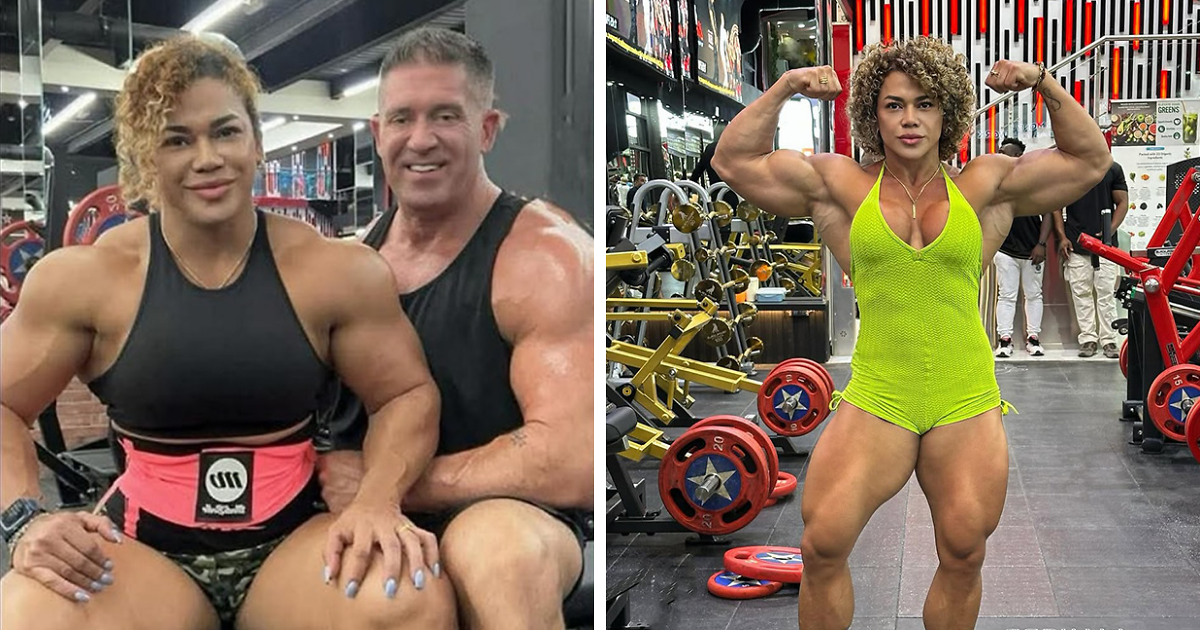
The death of Colombian bodybuilder Zunilda Hoyos Méndez, widely known online as "Amy Muscle" and nicknamed the "She Hulk," shocked fans, athletes, and ordinary readers who had followed her powerful rise in the bodybuilding world. Reports said the 43-year-old athlete was found dead in a rented property in Fuengirola, on Spain’s Costa del Sol, on June 19, 2025. Her husband, Jarrod Gelling, 46, was also found dead at the scene with what authorities described as apparent self-inflicted wounds.
Early reports indicated that Spanish police were investigating the case as a suspected murder-suicide and possible gender-based violence. Méndez reportedly suffered fatal injuries from repeated hammer blows, while Gelling’s death was believed to be suicide pending official confirmation. For readers, the details were horrifying. For women who recognized the pattern, they were also painfully familiar.
The viral phrase "women have never been more unsafe" captured the public anger surrounding the case. It was not simply about one athlete, one marriage, or one rented flat in a sunny tourist town. It became a larger conversation about domestic abuse, coercive control, separation danger, and the terrifying truth that physical strength does not make a person immune to intimate partner violence.
Who Was Zunilda Hoyos Méndez?
Zunilda Hoyos Méndez was more than a headline. She was a professional bodybuilder, a competitor, an online personality, and a woman with a reputation for discipline that most of us can only dream about while negotiating with a treadmill after three minutes. She reportedly competed internationally and was recognized in the women’s physique category, including a second-place finish at the 2021 NPC Worldwide Latin American Championships.
Known by fans as "She Hulk," Méndez built an image around strength, muscle, confidence, and visual power. In a sport that demands relentless training, strict nutrition, stage presence, and mental toughness, she had carved out a place for herself. She also had a sizable online following, with fans admiring both her physique and her personality.
Yet the most important lesson from her death is not that even strong women can be harmed. That is true, but incomplete. The deeper lesson is that domestic violence is not a contest of muscles. It is a pattern of power, control, intimidation, isolation, and escalation. A woman can deadlift impressive weight, have thousands of followers, and still be trapped in a dangerous private reality that outsiders do not fully see.
What Reports Say Happened in Fuengirola
According to public reporting, Méndez and Gelling had been staying in southern Spain after traveling from Dubai, where they had reportedly spent much of the previous year. They were both connected to bodybuilding. Reports said Gelling had undergone knee surgery and that Méndez had planned to help him recover before traveling to Portugal for a competition and then returning to Colombia.
Family members reportedly said Méndez had been planning to divorce Gelling and had described him as aggressive. A friend or gym acquaintance reportedly alerted authorities after she had not been seen for several days. When police arrived at the Fuengirola property, they found both bodies.
Because the investigation involved deaths and official forensic findings, responsible reporting requires careful language. The available reports described police suspicion, early evidence, and family statements; they did not turn the case into entertainment. That distinction matters. True crime may attract clicks, but real violence leaves families grieving, communities shaken, and survivors wondering whether anyone is listening before it is too late.
Why the "She Hulk" Label Hit So Hard
The nickname "She Hulk" is striking because it symbolizes power. It suggests a woman who looks unstoppable, almost comic-book strong. But the cruel irony of the case is that public strength could not protect Méndez from alleged private violence. That is why the story resonated so widely.
Society often tells women to become stronger, smarter, more independent, more careful, more alert, more everything. Carry keys between your fingers. Share your location. Don’t walk alone. Don’t stay too late. Don’t leave too suddenly. Don’t provoke him. Don’t ignore the red flags. Don’t be rude. Don’t be too trusting. Honestly, the list is long enough to need its own filing cabinet.
But cases like this show the limits of advice that puts the burden only on women. Safety is not created by telling women to become superheroes. Safety is created when abuse is recognized early, survivors are believed, dangerous behavior is interrupted, institutions respond quickly, and communities stop treating domestic violence as a "private matter."
Domestic Violence Is About Control, Not Anger
One common misconception is that domestic violence happens because someone "snapped." While some attacks may appear sudden from the outside, domestic abuse is often rooted in a pattern. The U.S. Department of Justice describes domestic violence as abusive behavior used by one partner to gain or maintain power and control over another intimate partner. That can include physical, emotional, sexual, economic, psychological, and technological abuse.
This matters because focusing only on the final violent act can hide the warning signs that came before it. Abuse may begin with jealousy disguised as romance, constant checking-in framed as concern, insults brushed off as jokes, or financial control presented as "being practical." By the time physical violence appears, the survivor may already be isolated, exhausted, frightened, financially restricted, or emotionally worn down.
In many abusive relationships, the most dangerous moment is when the survivor tries to leave. Separation can threaten the abuser’s sense of control, which may lead to escalation. That does not mean survivors should stay. It means leaving often requires planning, support, and safety resources rather than simple slogans like "just walk away." If leaving were easy, survivors would not need hotlines, shelters, advocates, legal protections, and carefully built escape plans.
The Public Reaction: Grief, Anger, and Recognition
After news of Méndez’s death spread, tributes appeared from the bodybuilding community and from people who had followed her online. Many expressed disbelief that someone so physically strong could be killed in such a brutal way. Others focused on the domestic violence angle, emphasizing that abuse can happen in any community, including fitness circles that appear confident, glamorous, and highly disciplined from the outside.
The comment "women have never been more unsafe" reflected a feeling shared by many readers. Whether or not one treats that phrase as a statistical claim, it is emotionally understandable. Women around the world see repeated stories of partners, ex-partners, and spouses becoming dangerous at the exact moment a woman seeks freedom. The result is a collective exhaustion: another headline, another name, another family, another reminder that private violence often hides behind ordinary doors.
That public anger can be useful if it leads to action. It becomes less useful when it turns into hopelessness. Women are not doomed. Survivors can and do escape abuse. Communities can intervene. Laws can improve. Friends can notice patterns. Gyms, workplaces, schools, and families can become safer points of contact. But outrage has to move beyond comments and become support, prevention, and accountability.
Warning Signs People Should Take Seriously
Domestic abuse does not always announce itself with obvious violence. Sometimes it enters wearing a nice outfit and holding flowers. Common warning signs include extreme jealousy, monitoring a partner’s phone or location, isolating someone from friends and family, controlling money, humiliating a partner, threatening self-harm to prevent a breakup, destroying property, harming pets, stalking, forced sex, strangulation, and threats involving weapons.
Another major warning sign is escalation around separation. If a partner becomes more aggressive when divorce, breakup, or independence is mentioned, that is not passion. It is danger. A person who says, "If I can’t have you, nobody can," is not being romantic. That is not a movie line to swoon over; that is a red flag waving so hard it practically needs its own weather alert.
Friends and relatives should also pay attention when someone suddenly becomes unreachable, stops attending normal activities, changes behavior around a partner, seems fearful about upsetting them, or minimizes injuries and insults. It is important not to shame survivors. Instead of asking, "Why don’t you just leave?" a better question is, "How can I help you stay safe?"
How Fitness Culture Can Respond Better
The fitness world often celebrates discipline, toughness, and transformation. Those are beautiful things. But toughness can sometimes become a mask. Athletes may feel pressure to look invincible even when their personal lives are falling apart. Influencers may fear that discussing abuse will damage their brand. Competitors may keep training because the stage is coming, the show is booked, and the routine must continue.
Gyms can be surprisingly important community spaces. Trainers, workout partners, front-desk staff, and fellow athletes may notice when someone vanishes, seems distressed, or appears controlled by a partner. That does not mean gym staff should act like detectives. It means fitness communities should know how to respond: listen without judgment, provide hotline information, document concerning incidents when appropriate, and call emergency services if there is immediate danger.
Coaches can also help by creating environments where athletes are treated as whole people, not just physiques. A competitor is not only shoulders, glutes, macros, and stage tan. She is a human being with relationships, stress, fear, and private struggles. A supportive coach may not be able to solve abuse, but they can become one safe adult in the room. Sometimes one safe person is the difference between silence and disclosure.
What Friends and Family Can Do
If someone you care about may be experiencing abuse, start with belief. Survivors often test the waters before fully opening up. They may say, "He gets angry sometimes," or "She checks my phone," or "It’s not that bad." Resist the urge to lecture. Instead, say something calm and direct: "I’m worried about you. You don’t deserve to be treated that way. I’m here when you’re ready."
Do not confront the abusive partner unless professionals advise it or there is an immediate emergency requiring police. Confrontation can make the situation more dangerous for the survivor. Also, avoid forcing a survivor to leave on your timeline. Leaving safely may require money, documents, transportation, child or pet arrangements, legal help, shelter access, and a plan for what happens after the first night away.
Practical help can be powerful. Offer to store copies of documents. Keep a spare phone charger. Create a code word. Help research local resources from a safe device. Offer transportation. Check in consistently. Most importantly, keep the door open. Abuse thrives in isolation; support weakens it.
Why This Case Should Not Become Just Another Viral Story
There is a risk that stories like Méndez’s become internet content for a day and then vanish beneath the next outrage. That would be a second failure. Her death should be remembered not only because the details were shocking, but because the pattern is recognizable. A woman reportedly planning to leave. A partner described as aggressive. A sudden disappearance. A fatal act. A community left asking what could have been done sooner.
Domestic violence prevention is not only the work of police after a crime. It is also the work of schools teaching healthy relationships, doctors screening for abuse, employers responding to stalking or threats, courts taking protective orders seriously, platforms addressing harassment, and communities refusing to normalize coercive behavior.
The phrase "women have never been more unsafe" is painful because it reflects fear. But the response should not be fear alone. It should be attention. It should be action. It should be better systems, better listening, and better support for anyone trying to escape control before it becomes lethal.
Experiences and Reflections Related to the Case
One of the most haunting parts of stories like this is how often they sound familiar to survivors. Many people who have lived through abusive relationships describe the same early confusion: the partner who was charming in public but cruel in private, the apologies that came with flowers, the promises that sounded sincere, the slow shrinking of a life that once felt wide open. Abuse rarely begins with the worst thing. It often begins with a boundary crossed and then explained away.
A woman may first notice that her partner dislikes her friends. Then he dislikes her clothes. Then he dislikes her job, her family, her phone password, her gym schedule, her confidence, her laugh, and eventually anything that makes her feel separate from him. The cage is not always built in one day. Sometimes it is assembled politely, one bar at a time.
For athletes, performers, influencers, and high-achieving women, the experience can be even more complicated. The outside world sees confidence. Followers see strength. Friends see a busy schedule and assume everything is fine. But public success can make private abuse harder to admit. A woman known for power may fear people will ask, "How could that happen to you?" The better question is, "Who chose to harm you, and how can we help?"
There are also lessons for men, especially men in strength-focused spaces. Masculinity does not have to mean domination. Real strength is not controlling a partner, frightening someone smaller, or turning jealousy into surveillance. Real strength is emotional regulation, accountability, respect, and the ability to hear "no" without treating it as an attack. The gym can build muscle, but character still needs its own training plan.
Another experience many survivors share is the danger of returning after a breakup. Reconciliation is often portrayed as romantic: two people trying again, love conquering all, dramatic music swelling in the background. In abusive relationships, however, returning can sometimes restart the cycle with greater danger. The abusive partner may feel they have regained control, while the survivor may feel embarrassed, isolated, or less likely to ask for help again. That is why loved ones should avoid saying, "I told you so." Shame helps the abuser. Compassion helps the survivor.
People also underestimate the emotional complexity of leaving. Survivors may still love the person who hurts them. They may remember the good days. They may fear financial collapse, immigration problems, public humiliation, custody battles, retaliation, or simply being alone. Leaving is not a single brave scene; it is often a long, messy, strategic process. Safety planning exists because courage alone is not enough. Courage needs logistics.
The story of Zunilda Hoyos Méndez should push readers to look differently at the people around them. If a friend becomes quieter, ask gently. If a coworker’s partner keeps showing up unexpectedly, take it seriously. If someone says they are scared, believe them the first time. If a neighbor hears violence, call for help. If a gym member disappears after never missing a session, check in. None of these actions guarantee prevention, but silence guarantees nothing changes.
Finally, the experience connected to this topic is not only grief; it is responsibility. We cannot bring back the women whose names become hashtags. But we can refuse to let their stories become quick entertainment. We can learn the warning signs, support survivors without judgment, challenge controlling behavior when we see it, and treat domestic violence as the public safety issue it is. Zunilda was known as "She Hulk," but she should be remembered as a person: ambitious, disciplined, loved, and deserving of a future that violence stole.
Conclusion
The killing of Zunilda Hoyos Méndez is a devastating reminder that domestic violence can reach anyone, including women who appear strong, independent, successful, and admired. Her story should not be reduced to a shocking headline or a viral phrase. It should become a serious conversation about control, separation danger, community awareness, and the urgent need to believe and support survivors before violence escalates.
"Women have never been more unsafe" may sound like a cry of despair, but it can also be read as a call to pay attention. Safety is not created by telling women to be stronger. It is created by building a world where abuse is recognized early, survivors are protected, and violent partners are held accountable before another name is added to the list.