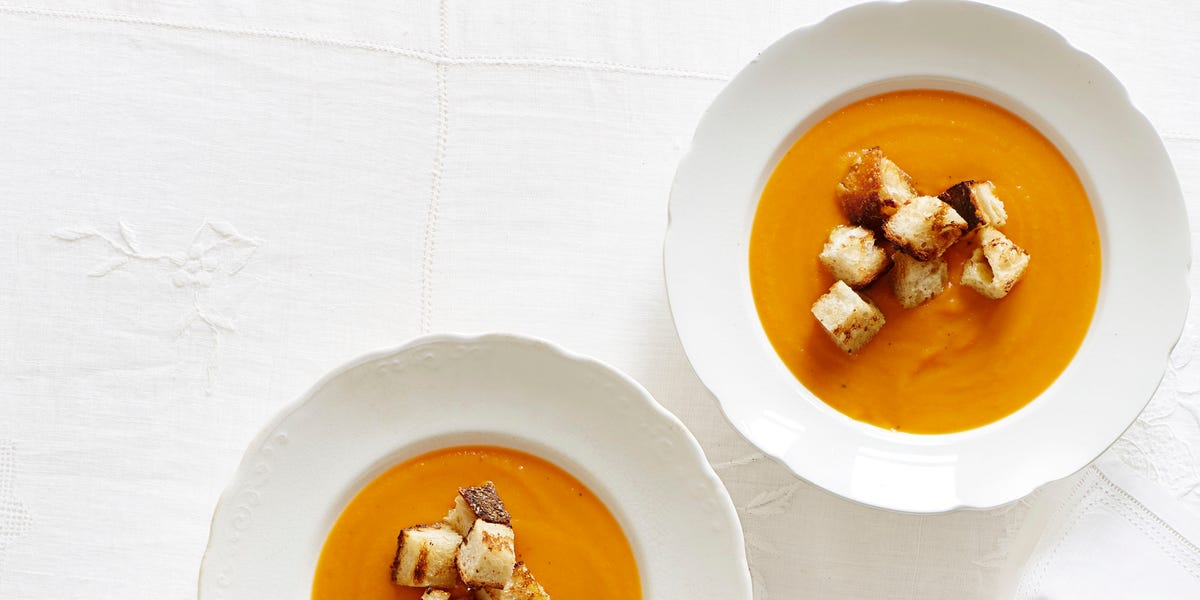
A great winter squash soup recipe should feel like a cozy sweater in a bowl: warm, smooth, deeply flavorful, and just dramatic enough to make your kitchen smell like you planned your life properly. This recipe turns roasted winter squash into a creamy, golden soup with garlic, onion, herbs, a touch of ginger, and a bright finishing splash of apple cider vinegar or lemon juice. It is simple enough for a weeknight, elegant enough for a holiday starter, and forgiving enough for the home cook who bought three mystery gourds at the farmers market and is now staring at them like they owe rent.
Winter squash is one of the best ingredients for cold-weather cooking because it is naturally sweet, hearty, and flexible. Butternut squash gives the soup a silky texture. Kabocha adds a dense, chestnut-like richness. Acorn squash brings a mild, nutty flavor. Hubbard squash makes a thick, satisfying puree. Pumpkin works too, as long as you use a cooking pumpkin rather than a giant carving pumpkin that has been emotionally preparing for Halloween, not dinner.
The secret to excellent homemade winter squash soup is not complicated: roast the squash first. Roasting concentrates sweetness, softens the flesh, and adds caramelized depth that boiling alone cannot deliver. After that, the process is beautifully low-stress: sauté aromatics, simmer with broth, blend until velvety, season carefully, and finish with something bright. The result is creamy without being heavy, savory without losing the squash’s natural sweetness, and comforting without tasting like baby food’s more ambitious cousin.
Why This Winter Squash Soup Works
This recipe is built around balance. Winter squash is sweet and earthy, so it needs savory aromatics like onion and garlic. It benefits from warm spices such as ginger, cinnamon, smoked paprika, or curry powder, but it should not taste like dessert unless you are actively trying to confuse your dinner guests. A little acid at the endapple cider vinegar, lemon juice, or lime juicewakes everything up and keeps the soup from feeling flat.
Texture matters too. Roasted squash blends into a naturally creamy base, especially when combined with vegetable broth and a small amount of coconut milk, cream, or half-and-half. You can make this soup completely dairy-free by using coconut milk or oat milk. You can also keep it lighter by skipping cream altogether and relying on the squash itself for body.
Best Squash for Winter Squash Soup
Butternut Squash
Butternut squash is the classic choice for creamy squash soup. It has a smooth texture, a mild nutty sweetness, and a relatively easy-to-peel shape. If you are new to squash soup, start here. It is reliable, affordable, and unlikely to fight back too much when you cut it.
Kabocha Squash
Kabocha is denser and sweeter than butternut, with a flavor that can feel almost like roasted chestnuts. It makes an especially rich soup. Because it is starchy, you may need to add a little extra broth while blending.
Acorn Squash
Acorn squash has a mild flavor and slightly fibrous texture, but it still works well when roasted and blended thoroughly. Its skin can be edible when cooked, but for a smoother soup, scoop out the flesh after roasting.
Hubbard Squash or Buttercup Squash
These varieties are excellent for soup because they are firm, sweet, and mash beautifully after cooking. Hubbard squash is often sold in pieces because it can be large enough to look like it has its own ZIP code.
Ingredients
Servings: 6
Prep time: 20 minutes
Cook time: 50 minutes
Total time: About 1 hour 10 minutes
- 3 pounds winter squash, such as butternut, kabocha, acorn, Hubbard, or a mix
- 2 tablespoons olive oil, plus more for roasting
- 1 large yellow onion, diced
- 2 medium carrots, chopped
- 2 celery ribs, chopped
- 4 garlic cloves, minced
- 1 tablespoon fresh ginger, grated
- 1 teaspoon kosher salt, plus more to taste
- 1/2 teaspoon black pepper
- 1/2 teaspoon ground cumin
- 1/4 teaspoon cinnamon
- 1/4 teaspoon smoked paprika or curry powder, optional
- 4 cups low-sodium vegetable broth or chicken broth
- 1 bay leaf
- 1/2 cup coconut milk, heavy cream, half-and-half, or extra broth
- 1 tablespoon apple cider vinegar, lemon juice, or lime juice
- 1 tablespoon maple syrup, optional, only if the squash is not very sweet
- Fresh thyme, sage, parsley, or cilantro for garnish
- Toasted squash seeds, pumpkin seeds, croutons, or chili oil for topping
How to Make Winter Squash Soup
Step 1: Roast the Squash
Preheat the oven to 400°F. Wash the squash well. Carefully cut it in half lengthwise, then scoop out the seeds and stringy center. If the squash is especially difficult to cut, microwave it for 2 to 3 minutes first to soften the skin slightly. This is not cheating; this is survival.
Brush the cut sides with olive oil and season with a pinch of salt and pepper. Place the squash cut side down on a rimmed baking sheet lined with parchment paper. Roast for 35 to 45 minutes, or until the flesh is tender when pierced with a fork. Larger squash may need more time. Let it cool until you can handle it, then scoop the flesh away from the skin.
Step 2: Build the Flavor Base
In a large soup pot or Dutch oven, heat 2 tablespoons olive oil over medium heat. Add the onion, carrots, and celery. Cook for 8 to 10 minutes, stirring occasionally, until the vegetables soften and the onion turns translucent. Add the garlic and ginger, then cook for another minute. The goal is fragrant, not burned. Garlic has a very short journey from “wonderful” to “why does the kitchen smell angry?”
Step 3: Add Spices and Broth
Stir in the salt, pepper, cumin, cinnamon, and smoked paprika or curry powder if using. Let the spices bloom in the oil for about 30 seconds. Add the roasted squash flesh, broth, and bay leaf. Bring the soup to a gentle boil, then reduce the heat and simmer for 15 to 20 minutes. This gives the flavors time to become friends.
Step 4: Blend Until Smooth
Remove the bay leaf. Use an immersion blender to puree the soup directly in the pot until smooth. If using a countertop blender, blend in batches and do not fill the blender more than halfway. Hot soup expands, and nobody wants a butternut volcano on a Tuesday.
For an ultra-silky texture, blend a little longer than you think you need to. Add more broth if the soup is too thick. Add coconut milk, cream, half-and-half, or extra broth, then stir until fully combined.
Step 5: Finish and Season
Stir in apple cider vinegar, lemon juice, or lime juice. Taste the soup. If it needs more depth, add a pinch of salt. If it tastes too earthy, add a tiny splash more acid. If the squash is not very sweet, add a teaspoon or two of maple syrup. The finished soup should taste savory, gently sweet, warm, and bright.
Flavor Variations
Curried Winter Squash Soup
Add 1 to 2 teaspoons curry powder with the spices and finish with coconut milk and lime juice. Garnish with cilantro, toasted coconut, and pumpkin seeds. This version is fragrant, golden, and perfect with naan or toasted sourdough.
Apple Ginger Squash Soup
Add one peeled, chopped apple when sautéing the carrots and celery. The apple brings gentle sweetness and a subtle tart note. Finish with apple cider vinegar and a swirl of cream or coconut milk.
Smoky Maple Squash Soup
Use smoked paprika and a small splash of maple syrup. Top with crispy roasted chickpeas, toasted pecans, or croutons. This version tastes like fall walked into the kitchen wearing a flannel shirt.
Sage Brown Butter Squash Soup
For a richer finish, brown 2 tablespoons butter in a small skillet with fresh sage leaves. Drizzle it over each bowl right before serving. This is the version that makes people ask, “Wait, did you go to culinary school?” You may answer mysteriously.
Best Toppings for Winter Squash Soup
A smooth soup needs contrast. Without toppings, it can taste lovely but a little one-note. Add something crunchy, creamy, spicy, or fresh to make every spoonful more interesting.
- Toasted squash seeds: Rinse, dry, season, and roast them until crisp.
- Pumpkin seeds: A fast, easy topping with nutty crunch.
- Croutons: Especially good with garlic, rosemary, or Parmesan.
- Greek yogurt or sour cream: Adds tang and creaminess.
- Coconut milk swirl: Great for dairy-free soup.
- Chili oil: Adds heat and color.
- Fresh herbs: Try sage, thyme, parsley, cilantro, or chives.
- Roasted chickpeas: Crunchy, hearty, and meal-prep friendly.
What to Serve with Winter Squash Soup
This soup can be a starter or the main event. For lunch, serve it with crusty bread and a crisp green salad. For dinner, pair it with grilled cheese, roasted chicken, a turkey sandwich, or a grain bowl. If you want a vegetarian meal, add a side of white beans, lentils, or a hearty kale salad with apples and walnuts.
Because winter squash soup is naturally sweet and creamy, it pairs well with salty, tangy, or crunchy sides. Think sharp cheddar toast, sourdough croutons, arugula salad with lemon dressing, or roasted Brussels sprouts. The soup does not need a complicated partner. It just needs someone at the table who appreciates soup season as a legitimate personality trait.
Storage, Freezing, and Reheating
Store leftover winter squash soup in an airtight container in the refrigerator for up to 4 days. Reheat gently on the stove over medium-low heat, stirring often. If the soup thickens in the fridge, add a splash of broth, water, or milk while reheating.
This soup also freezes well. Let it cool completely, then freeze it in containers or freezer bags for up to 3 months. For best texture, freeze the soup before adding dairy cream. Coconut milk usually freezes better than heavy cream, but if you want the smoothest result, add your creamy finish after thawing and reheating.
Common Mistakes to Avoid
Skipping the Roasting Step
You can simmer raw squash directly in broth, and the soup will still be edible. But roasting adds caramelized flavor and makes the soup taste fuller. If you have the time, roast first.
Underseasoning the Soup
Squash is naturally sweet and starchy, which means it needs enough salt to taste balanced. Season in layers: while roasting, while sautéing, and again after blending.
Forgetting the Acid
A small amount of vinegar or citrus juice at the end makes the soup taste brighter. It does not make the soup sour; it makes the flavors stand up straight and stop mumbling.
Blending Too Little
A rushed blend can leave the soup grainy. Use an immersion blender patiently, or blend in batches until completely smooth.
Nutrition Notes
Winter squash is naturally low in fat and offers fiber, vitamin C, and colorful plant compounds. Its orange flesh is associated with carotenoids, including beta carotene, which the body can convert into vitamin A. The exact nutrition varies by squash variety and by what you add to the soup. Coconut milk, cream, cheese, croutons, and butter make the soup richer, while broth-based versions stay lighter.
To make this recipe more filling, add cooked lentils, white beans, chickpeas, shredded chicken, or cooked quinoa after blending. To keep it vegetarian or vegan, use vegetable broth and coconut milk. To reduce sodium, choose low-sodium broth and adjust salt at the end.
Helpful Experience: What I Learned Making Winter Squash Soup Again and Again
The first thing you learn from making winter squash soup is that every squash has a personality. Butternut is dependable, like the friend who shows up on time and brings napkins. Kabocha is rich and intense, the friend who brings a homemade dessert and somehow also knows pottery. Acorn squash is mild and polite. Hubbard squash is delicious but may require the emotional commitment of moving furniture. Once you stop expecting every squash to behave the same way, the soup becomes easier to adjust.
One practical lesson is to roast more squash than you need. If the oven is already on, cook an extra squash and save the flesh for another meal. Roasted squash can become pasta sauce, a grain bowl topping, a quick side dish, or a second batch of soup later in the week. Future you will open the refrigerator, see cooked squash, and briefly believe you have your life together. Enjoy that moment. It is precious.
Another lesson is that soup texture changes as it rests. A soup that looks perfect right after blending may thicken after 20 minutes, and it will thicken even more in the refrigerator. This is normal. Winter squash has body. It is not shy. Keep extra broth nearby and loosen the soup gradually until it pours from the ladle in a smooth ribbon. If it lands in the bowl like mashed potatoes, it needs more liquid.
Seasoning is where many squash soups either shine or politely disappear. The best method is to taste at three points: after simmering, after blending, and after adding acid. Salt brings out the squash flavor. Ginger adds warmth. Cumin brings earthiness. Cinnamon should whisper, not sing lead vocals. Smoked paprika adds depth. Curry powder can turn the soup into something bold and aromatic, but add it carefully so it does not overpower the squash.
Toppings are not decoration; they are strategy. A silky soup needs crunch. Toasted seeds, croutons, fried sage, roasted chickpeas, or chopped nuts can change the whole bowl. A creamy swirl makes the soup look restaurant-worthy. Fresh herbs add color and lift. A few drops of chili oil can wake up a mild batch. The soup itself is the blanket, but the toppings are the throw pillows.
Finally, winter squash soup is one of those recipes that rewards calm cooking. You do not need fancy equipment, rare ingredients, or the confidence of a television chef who says “just eyeball it” while holding a copper saucepan. You need a sturdy knife, a hot oven, a pot, a blender, and a willingness to taste as you go. Make it once, and you will understand the basic rhythm. Make it twice, and you will start creating your own version. By the third batch, you may find yourself buying squash on purpose, which is how soup season officially wins.
Conclusion
This winter squash soup recipe is creamy, flexible, and packed with cold-weather comfort. Roasting the squash builds deeper flavor, aromatics create a savory base, and a final splash of acid keeps the soup bright. Whether you choose butternut, kabocha, acorn, Hubbard, or a mix, the method stays simple: roast, simmer, blend, season, and garnish. Serve it with crusty bread, a crisp salad, grilled cheese, or roasted vegetables for a meal that feels cozy without being complicated.
The best part is how adaptable it is. Make it vegan with coconut milk. Add curry powder for warmth. Stir in apple for sweetness. Finish with sage butter for a holiday-worthy bowl. Keep it plain and simple for meal prep. Winter squash soup is the kind of recipe that welcomes improvisation, forgives small mistakes, and makes the kitchen smell like you know exactly what you are doing.
SEO Tags
Note: This article is written as original, publish-ready HTML content based on real cooking practices, nutrition guidance, and recipe research, with no copied source text or unnecessary citation placeholders.