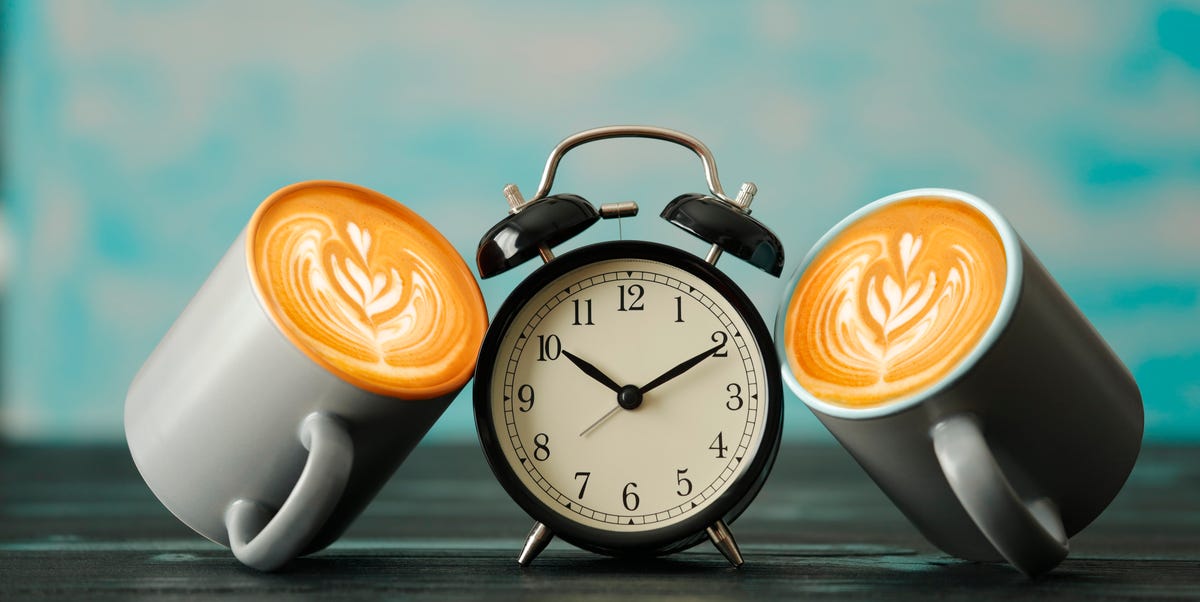
Coffee is supposed to make you awake. Naps are supposed to make you asleep. So naturally, the smartest thing you can do at 2:17 p.m. (when your brain turns into mashed potatoes) is to drink coffee and immediately take a nap.
Yes, it sounds like a prank your coworker would pull during onboarding. But the “coffee nap” (also called a caffeine nap or the internet’s favorite word, napuccino) is a legit, science-backed way to boost alertnessespecially when you need your eyes open and your reaction time to stay attached to reality.
The magic isn’t mystical. It’s timing. A 15-minute power nap right after coffee can help you wake up right as caffeine is starting to throw elbows in your nervous system. Done correctly, you get the best of both worlds: the mental reset of a nap and the crisp edge of caffeinewithout the “why do I feel like I just time-traveled from a swamp?” grogginess.
Coffee Nap 101: What It Is (and Why It Works)
A coffee nap is simple:
- Drink a cup of coffee (or another caffeinated drink) fairly quickly.
- Immediately lie down and set a timer for about 15 minutes (15–20 max for most people).
- Wake up as caffeine is kicking in, ideally before deep sleep makes you groggy.
Think of it like coordinating two employees who are great on their own but unstoppable together: Nap clears mental clutter; caffeine boosts alertness. Stack them, and you can feel sharper than with either strategy alone.
The Science Part (Don’t Worry, No Pop Quiz)
Adenosine: The “Sleep Pressure” Molecule
Throughout the day, your brain builds up a chemical called adenosine. More adenosine = more sleep pressure. It’s one reason you get that heavy-eyed, “I could nap on a keyboard” feeling after lunch.
When adenosine binds to its receptors, your brain interprets it as: “Cool, we’re done here. Time to power down.” That’s not a character flaw. That’s biology.
Caffeine: The Bouncer at the Adenosine Club
Caffeine doesn’t delete adenosine. It’s more like it steals adenosine’s seat. Caffeine blocks adenosine receptors, so adenosine has fewer places to bind, and you feel more alert.
Here’s the key timing detail: caffeine doesn’t hit instantly. It’s absorbed relatively quickly, but it typically takes time to noticeably ramp upoften around that “few songs into your playlist” window. Blood levels can rise within minutes and peak later depending on the person, the drink, and whether you had food.
Why 15 Minutes Is the Sweet Spot
A short nap helps reduce sleepiness and can improve alertness. But nap too long, and you risk waking during deeper sleep stageshello sleep inertia (grogginess, fog, and the emotional range of a damp sock).
A 15-minute nap is long enough to take the edge off fatigue, but short enough to avoid the “I need another nap to recover from my nap” phenomenon.
Combine that with caffeine timing, and you wake up right as:
- your nap has taken some pressure off, and
- caffeine is starting to block adenosine receptors.
Result: you feel refreshed and more awakelike your brain just got a software update and a jump start.
What You Actually Get Out of a Coffee Nap
1) Better alertness and focus (without the “third coffee jitters”)
A power nap can sharpen attention. Caffeine can sharpen attention. Together, they can feel like switching from “buffering…” to “HD streaming” in your head. This is why coffee naps are popular among people who can’t afford a slump: drivers, shift workers, students, caregivers, parents of tiny humans, and anyone with a calendar full of meetings that should’ve been emails.
2) Faster reaction time (great for driving, sports, and not replying-all)
Research on fatigue countermeasures has found that coffee and naps can help reduce performance impairment in sleepy situationsespecially when reaction time matters.
3) Mood upgrade (or at least less grump per minute)
When you’re tired, everything is annoying: your inbox, the sunlight, the concept of sound. Short naps can help take the emotional edge off, and caffeine can improve perceived energy. You’re not becoming a new personyou’re just returning to the version of yourself who doesn’t sigh dramatically when someone says, “Quick question…”
4) A more strategic way to use caffeine
Coffee naps can help you use caffeine with your biology instead of against it. Instead of pouring coffee onto exhaustion like it’s a grease fire, you’re pairing it with a quick reset.
How to Take the Perfect 15-Minute Coffee Nap
Step 1: Keep it simple (this is not a coffee tasting flight)
You want caffeine, not a dessert beverage that takes 20 minutes to order and another 20 minutes to emotionally process. A normal cup of coffee works. So does espresso or plain black teajust remember caffeine amounts vary a lot.
Step 2: Drink it fairly quickly
Sip-and-scroll for half an hour defeats the timing. The classic move is to drink your coffee within a few minutes, then immediately lie down.
Step 3: Nap right away (don’t “just check one thing”)
“Just one thing” is a trap. One thing becomes 14 tabs, a text thread, and a sudden urge to reorganize your kitchen. Put the phone down. Lie down. Close your eyes.
Step 4: Set a timer for 15 minutes
Start with 15 minutes. If you tend to fall asleep slowly, you can experiment with 20 minutes, but avoid drifting much longer unless you’re intentionally doing a full 90-minute cycle (that’s a different strategy).
Step 5: Wake up like a professional
- Light: open a curtain or step outside for a minute.
- Water: a few sips can help you feel more “online.”
- Movement: a short walk tells your brain it’s daytime, not hibernation season.
When to Use a Coffee Nap (Timing Matters)
Most people do best napping in the early-to-mid afternoonoften the classic post-lunch dip. If you coffee-nap too late, you may steal sleep from your nighttime schedule, and then tomorrow you’ll be right back here reading another article about fatigue. We both want better for you.
A practical rule: aim to finish a coffee nap at least several hours before bedtime, especially if you’re sensitive to caffeine. Caffeine can linger in the body for hours, and the later you drink it, the more likely it is to mess with sleep.
Common Mistakes (and How to Fix Them)
Mistake: “I can’t fall asleep in 15 minutes.”
You don’t need to fully conk out for benefits. Even quiet rest with eyes closed can reduce stress and help you feel better. But if you want to improve your odds:
- Try a dark room or an eye mask.
- Use white noise or earplugs.
- Do the same routine daily so your brain learns the cue.
Mistake: “I woke up groggy.”
That usually means you slept too long or at the wrong time. Tighten the nap to 15 minutes. If you’re still groggy, try 10–12. (Yes, being an adult includes setting a nap timer like a responsible toddler.)
Mistake: “It made me anxious.”
Lower the caffeine dose. Or skip caffeine entirely and just take the nap. People vary wildly in caffeine sensitivity. If you already run “high alert” naturally, coffee naps may feel like adding a megaphone to your nervous system.
Mistake: “I did this at 5 p.m. and now I’m awake forever.”
Congratulations, you invented time travel. Next time, do it earlier in the day. Late caffeine + late naps can disrupt nighttime sleep.
How Much Caffeine Is “Enough”?
You don’t need a caffeine firehose. Many people do well with the equivalent of a normal cup of coffee. The goal is alertness, not seeing colors that don’t exist.
For safety, mainstream guidance often cites roughly 400 mg/day as an upper limit for most healthy adults, but individual tolerance varies. If you’re pregnant, recommendations are commonly lower (often under 200 mg/day). If you have heart rhythm concerns, anxiety, or sleep problems, talk with a clinician about what’s right for you.
Who Should Be Cautious (or Skip the Coffee Nap)
- People with insomnia: caffeine + late naps can backfire and worsen sleep quality.
- People with anxiety or panic symptoms: caffeine can amplify jitteriness.
- Pregnant people: keep caffeine within recommended limits and check with your OB-GYN if unsure.
- Those with certain heart conditions: ask your clinician, especially if caffeine triggers palpitations.
- Anyone relying on naps as a daily survival mechanism: chronic sleep deprivation deserves a bigger fix than a 15-minute patch.
Coffee Nap vs. Other “Quick Fixes”
Another cup of coffee
Worksuntil it doesn’t. More caffeine can mean more jitters, more stomach drama, and a higher chance you’ll sabotage nighttime sleep. The coffee nap is often a cleaner boost because it pairs caffeine with actual recovery.
Cold shower / intense workout / motivational yelling
These can raise alertness in the short term, but they’re not always practical in the middle of a workday. Also, please stop yelling at yourself in the mirror. You deserve peace.
Scrolling social media
That’s not an energy strategy; that’s an attention heist. If it “wakes you up,” it’s often because your brain is in fight-or-flight mode. Not the vibe.
Bottom Line
A 15-minute nap right after coffee is a surprisingly effective way to boost alertness because it leverages two real biological effects: short naps reduce sleepiness and reset attention, and caffeine blocks adenosine receptorsespecially as it ramps up after you drink it. When you time them together, you can wake up feeling sharper than with either one alone.
Use it strategically, keep it short, and don’t treat it as a substitute for regular sleep. The coffee nap is a tactical tool like a Swiss Army knife for your afternoon brainnot a replacement for charging your phone overnight.
Real-World Experiences: What a Coffee Nap Actually Feels Like ()
People who try coffee naps for the first time usually fall into one of three camps: the skeptics, the converts, and the folks who accidentally nap for 47 minutes and wake up unsure what year it is. If you want the “best case scenario,” the biggest lesson is that coffee naps are less about being perfect and more about being consistent.
A common first experience: you drink coffee, lie down, and your brain instantly chooses chaos. Suddenly you remember an email you forgot to send in 2019. You mentally rehearse a conversation that hasn’t happened yet. You wonder if penguins have knees. This is normal. Many people report that the first few attempts feel more like “lying quietly” than “sleeping,” but they still get a noticeable benefitlighter fatigue, better mood, and fewer typos.
Another frequent report is the “snap-back” wake-up. With a normal nap, you might wake up slowly, like a laptop from 2007 trying to run a modern operating system. With a coffee nap, some people describe waking up more cleanlyless fog, more “okay, I can do tasks now.” That clean wake-up tends to happen when the nap is short (around 10–20 minutes) and the caffeine timing lines up. When it doesn’t line up, the most common complaint is grogginess, which is usually solved by shortening the nap or moving it earlier in the day.
People also learn quickly that the “coffee” part is flexible. Some do better with espresso, others with half-caff, and caffeine-sensitive folks sometimes use tea or even a small coffee portion. The best dose is the one that makes you alert without turning your hands into little vibrating hummingbirds. There’s also a practical comfort factor: a giant, acidic coffee on an empty stomach can feel rough, so many people prefer to pair the coffee nap with a light snack earlier (not immediately before lying down) or simply choose a gentler brew.
In work-from-home settings, coffee naps often become a “calendar block” habit: 15 minutes after lunch, lights dimmed, alarm set, phone face down. People who do this regularly say the biggest payoff is consistencyfewer afternoon crashes that derail the rest of the day. Instead of crawling toward 5 p.m. on sheer willpower, they feel like they regain a second wind.
For shift workers and students, coffee naps can feel like a cheat codeespecially before a long drive, a late study session, or a demanding shift. But experienced coffee nappers also mention an important truth: if you’re chronically underslept, coffee naps help, but they don’t solve the root problem. In those cases, the coffee nap is best viewed as a safety toolsomething that can reduce drowsiness in the momentwhile you work on the bigger sleep picture.
The most relatable takeaway from real-world use is simple: the coffee nap feels weirdly indulgent and oddly productive at the same time, like you’re getting away with something. But you’re not. You’re just finally using biology instead of arguing with it.