Stretch marks are usually introduced to us as a cosmetic thing, like a tiny “souvenir” from growth spurts, pregnancy, weight changes, or a gym phase that got a little too enthusiastic. But when stretch marks hurt, sting, burn, itch, or feel tender, the question suddenly becomes less “Can I fade these?” and more “Excuse me, why is my skin filing a complaint?”
The good news: stretch marks themselves are usually harmless. They are a type of scar that forms when the skin stretches or shrinks faster than the deeper support structure can comfortably keep up. The less glamorous news: new stretch marks can feel irritated because the skin is inflamed, dry, tight, or sensitive while those changes are happening. In some cases, pain around stretch marks is not from the stretch marks at all, but from another skin issue nearby, such as a rash, infection, allergic reaction, pregnancy-related itching, or irritation from friction.
This guide explains why stretch marks may hurt, what different sensations can mean, when to treat them at home, and when it is smart to call a dermatologist or healthcare professional.
What Are Stretch Marks, Really?
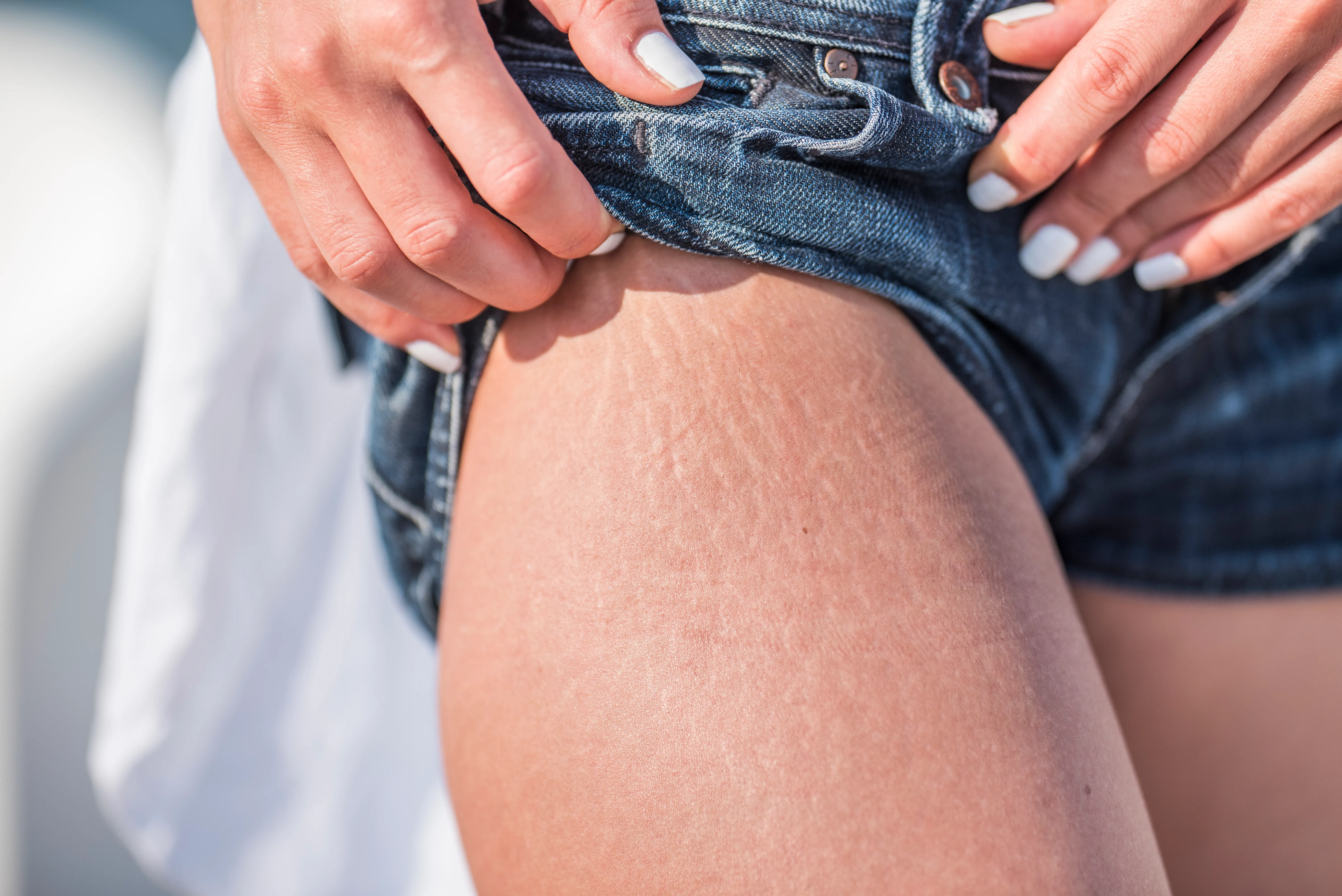
Stretch marks, also called striae, are narrow streaks or lines that appear when the skin’s middle layer is stressed by rapid stretching or shrinking. They often show up on the belly, breasts, hips, thighs, buttocks, upper arms, shoulders, and lower back. Newer stretch marks may look red, pink, purple, blue, dark brown, or almost black depending on your skin tone. Older ones usually fade into lighter, silvery, or slightly indented lines.
Common triggers include pregnancy, puberty, quick weight gain, rapid weight loss, muscle growth, genetics, corticosteroid use, and certain medical conditions that affect collagen or hormones. Think of your skin like a favorite pair of leggings: flexible, yes, but not magic. If the body changes quickly, the skin may stretch beyond its comfort zone.
So, Why Do My Stretch Marks Hurt?
Stretch marks are not typically painful forever. However, they can hurt during their early stage or when something else irritates the area. Pain may feel like tenderness, prickling, itching, burning, tightness, or soreness when clothing rubs against the skin.
1. New Stretch Marks Can Be Inflamed
Fresh stretch marks often look brighter or darker than surrounding skin because the area is still active. The skin is adjusting, tiny structures in the dermis have been disrupted, and mild inflammation can occur. That inflammatory phase can make the area feel tender, warm, itchy, or slightly sore.
This is especially common when stretch marks appear quickly, such as during a growth spurt, late pregnancy, rapid muscle gain, or sudden weight changes. New stretch marks are usually the ones most likely to itch or sting.
2. Dry Skin Makes Stretch Marks Feel Worse
Dry skin is one of the biggest reasons stretch marks feel uncomfortable. When skin is dry, the barrier becomes less flexible. That can make existing stretch marks feel tight, itchy, or irritated. Dryness may also make you scratch, and scratching can create tiny breaks in the skin. Once that happens, the area may burn, sting, or feel sore.
If your stretch marks hurt more after a hot shower, during cold weather, after swimming, or when wearing tight clothing, dryness may be part of the problem.
3. Skin Stretching Can Create a Tight or Pulling Sensation
Some people describe painful stretch marks as a pulling feeling, especially on the belly, breasts, thighs, or arms. This can happen when the body is still changing and the skin is under tension. During pregnancy, for example, the belly skin may feel tight, tender, and itchy as it expands. During bodybuilding or rapid muscle gain, stretch marks on the shoulders, chest, or biceps may feel sensitive because the skin is being stretched over growing tissue.
The stretch mark itself is not “ripping open” in a dramatic way, but the skin is under stress. It may respond with discomfort, especially if it is also dry or irritated.
4. Friction Can Turn Mild Stretch Marks Into Angry Stretch Marks
Stretch marks often appear in places where clothing, skin folds, sports gear, or waistbands rub. Inner thighs, hips, underarms, breasts, and the lower belly are common trouble zones. Friction can make stretch marks feel raw, especially during exercise, hot weather, or long days in tight jeans. Your skin may not be throwing a tantrum; it may just be tired of being sandpapered by fabric.
Friction-related pain often improves when you switch to softer, breathable clothing, reduce rubbing, and moisturize consistently.
5. It Might Be a Rash Near the Stretch Marks
Sometimes the painful or itchy area is not caused by stretch marks themselves. A rash can develop around or within stretch marks and make the entire area feel uncomfortable.
During pregnancy, one example is PUPPP, also called polymorphic eruption of pregnancy. This itchy rash often begins in or around stretch marks on the abdomen and may spread to the thighs, buttocks, or arms. It is usually not dangerous, but it can feel intensely irritating. Other rashes, eczema, allergic reactions, heat rash, yeast irritation in skin folds, or contact dermatitis from lotions and detergents can also make stretch-marked skin hurt.
6. Scratching Can Cause Burning, Stinging, or Tenderness
Itchy stretch marks can start a very annoying loop: the skin itches, you scratch, the skin gets more irritated, then it itches even more. Scratching can damage the surface barrier and cause a burning or stinging sensation. If the area becomes red, swollen, crusted, oozing, or increasingly painful, it may need medical attention.
7. Treatments Can Irritate the Skin
Some creams and treatments used for stretch marks can cause temporary discomfort. Retinoid creams, exfoliating acids, strong scrubs, microneedling, laser therapy, and chemical peels may cause redness, peeling, burning, tenderness, or swelling. These treatments should be used carefully and, for prescription or procedure-based options, under professional guidance.
Important note: retinoids such as tretinoin are not recommended during pregnancy. If you are pregnant, trying to become pregnant, or breastfeeding, ask a healthcare professional before using active stretch mark treatments.
What Different Stretch Mark Pain Sensations May Mean
Itching
Itching is common with new stretch marks and dry skin. It can also happen when stretch marks are healing or when a rash is present. Moisturizing, cool compresses, and avoiding harsh soaps may help.
Burning
Burning may happen after scratching, using irritating products, shaving nearby, sweating, or applying strong treatments. If burning comes with a spreading rash, blisters, or severe redness, it is worth getting checked.
Tenderness
Tender stretch marks often occur when they are new, inflamed, or located in a high-friction area. Tenderness should gradually improve. If it gets worse, think beyond stretch marks.
Sharp Pain
Sharp pain is less typical. It may come from cracked skin, infection, nerve irritation, a nearby cyst, injury, or another skin condition. Stretch marks alone usually do not cause intense sharp pain.
Swelling or Warmth
Swelling, warmth, pus, fever, or worsening redness may suggest infection or significant inflammation. Do not treat that like a normal stretch mark. Get medical advice.
When Should You See a Doctor?
Most stretch marks do not require treatment, but painful skin deserves attention when symptoms are unusual, severe, or persistent. Contact a healthcare professional if you notice:
- Severe pain, warmth, swelling, or spreading redness
- Blisters, open sores, crusting, bleeding, or pus
- Fever or feeling unwell along with skin symptoms
- Sudden wide purple stretch marks with easy bruising or unexplained weight changes
- Intense itching during pregnancy, especially if it spreads or disrupts sleep
- Pain that does not improve with gentle skin care
- A rash that starts in stretch marks and spreads
Wide, purple stretch marks can sometimes be associated with high cortisol levels, long-term corticosteroid use, or conditions such as Cushing syndrome. That does not mean every purple stretch mark is dangerous, but sudden changes plus other symptoms should be evaluated.
How to Soothe Painful Stretch Marks at Home
Use a Gentle Moisturizer Daily
A fragrance-free moisturizer can reduce dryness, support the skin barrier, and make stretch marks feel less tight. Apply it after bathing while the skin is still slightly damp. Thick creams or ointments may be more soothing than thin lotions if your skin is very dry.
Try a Cool Compress
A cool, damp cloth can calm itching and burning. Use it for 10 to 15 minutes at a time. Avoid putting ice directly on the skin because that can cause more irritation. Your skin is already complaining; no need to start a cold war.
Avoid Harsh Scrubs
Scrubbing painful stretch marks is rarely helpful. Rough exfoliation can make irritation worse, especially if the marks are new or inflamed. If you use exfoliating products, keep them gentle and stop if they sting or burn.
Wear Soft, Breathable Clothing
Loose cotton or moisture-wicking fabrics can reduce rubbing. This is especially helpful for stretch marks on the thighs, belly, breasts, or underarms. If exercise causes chafing, consider anti-chafe balm or protective clothing.
Use Mild Cleansers
Fragranced soaps, hot water, and strong body washes can dry out the skin. Choose mild, fragrance-free cleansers and lukewarm showers. Afterward, moisturize like your skin just survived a desert documentary.
Do Not Overuse Steroid Creams
Over-the-counter hydrocortisone may temporarily reduce itching from certain rashes, but long-term or inappropriate steroid use can thin the skin and may contribute to stretch marks. Use steroid creams only as directed, and ask a clinician if symptoms continue.
Can You Prevent Painful Stretch Marks?
You may not be able to prevent stretch marks completely, especially if genetics, puberty, pregnancy, or medical treatments are involved. However, you can reduce discomfort by keeping skin moisturized, avoiding rapid weight changes when possible, using prescribed steroids correctly, staying hydrated, and protecting high-friction areas.
For athletes and people building muscle, gradual training progress may help the skin adapt. For pregnancy-related stretch marks, gentle moisturizing and comfortable clothing can make the skin feel better, even if they do not fully prevent marks from appearing.
Do Stretch Mark Treatments Help Pain?
Many stretch mark treatments focus on appearance, not pain. Still, some approaches may reduce itch or improve texture. Dermatologists may recommend topical retinoids for newer stretch marks in people who are not pregnant, hyaluronic acid products, laser therapy, microneedling, or other procedures depending on skin type, stretch mark age, and goals.
Newer red or purple stretch marks usually respond better to treatment than older white or silver marks. However, no treatment guarantees complete removal. Stretch marks are scars, and scars are stubborn little historians: they like to remember what happened.
Common Myths About Painful Stretch Marks
Myth: If Stretch Marks Hurt, Something Is Seriously Wrong
Not always. Mild soreness, itching, or tightness can happen with new stretch marks. But severe or worsening symptoms should be checked.
Myth: Cocoa Butter Erases Stretch Marks
Moisturizers can help comfort and dryness, but they do not reliably erase stretch marks. They may make the skin feel better, which is still a win.
Myth: Only Pregnant People Get Stretch Marks
Nope. Teenagers, men, women, athletes, people with weight changes, and people using certain medications can all develop stretch marks.
Myth: Old Stretch Marks Should Never Hurt
Older stretch marks are usually less symptomatic, but they can still become irritated by dryness, friction, scratching, rashes, or skin treatments.
Experience-Based Notes: What Painful Stretch Marks Often Feel Like in Real Life
Many people first notice painful stretch marks not because they see them, but because they feel something odd before looking in the mirror. The sensation may show up as a tight, almost shiny feeling on the skin, like the area is being gently pulled from the inside. Someone going through a growth spurt may notice this on the thighs or lower back. A person who recently started lifting weights may feel soreness or itching around the shoulders or upper arms. Someone pregnant may describe the belly skin as stretched, dry, and sensitive, especially at night when clothing and blankets rub against it.
One common experience is the “mystery itch.” The skin looks mostly normal except for new pink, red, purple, or darker lines, yet the itching can be surprisingly distracting. People may moisturize once, feel better for an hour, and then the itch returns like it forgot to RSVP. This usually means the skin barrier needs more consistent support. A thick, fragrance-free moisturizer after every shower and again before bed often works better than a fancy scented lotion applied once in a while.
Another common experience is discomfort from clothing. Stretch marks on the hips, waist, breasts, or thighs may feel fine at home but become irritated after a full day in tight pants, a sports bra, shapewear, or sweaty workout clothes. The pain may not be deep; it may feel raw, hot, or prickly. In those cases, switching fabrics, reducing friction, and rinsing sweat off the skin can make a noticeable difference.
Some people panic when new stretch marks look dramatic. On lighter skin, they may appear bright pink or red. On deeper skin tones, they may look purple, dark brown, grayish, or nearly black. This color change can make the area seem more alarming than it is. New stretch marks are often more noticeable and more sensitive, then gradually fade over months or years. They may not disappear, but they usually become less loud visually and physically.
People also learn the hard way that “more treatment” is not always better. Strong scrubs, lemon juice, harsh exfoliating acids, and aggressive brushing can make painful stretch marks feel worse. The skin does not need punishment; it needs calm. If a product burns, stings, or makes the area redder, stop using it. Gentle care is not boring. It is often exactly what irritated skin has been begging for.
For many, the emotional experience matters too. Painful stretch marks can feel frustrating because they combine physical discomfort with self-consciousness. It is easy to stare at them and wonder whether something is wrong with your body. In most cases, stretch marks are simply evidence that the body changed. Bodies grow, shrink, heal, build muscle, carry pregnancies, recover from illness, and move through life. Skin keeps receipts. Sometimes those receipts itch.
The most useful approach is practical: soothe the skin first, investigate unusual symptoms second, and consider cosmetic treatment only if the appearance bothers you after the irritation is under control. If the stretch marks are mildly itchy or tender, start with moisturizer, cool compresses, gentle cleansing, and friction reduction. If the pain is sharp, worsening, swollen, hot, infected-looking, or linked to pregnancy itching or sudden wide purple marks, get medical advice. Comfort comes first. Fading can wait.
Conclusion
Stretch marks can hurt when they are new, inflamed, dry, stretched, scratched, or irritated by friction. Sometimes, the pain is actually caused by a rash, allergic reaction, infection, or another skin condition near the stretch marks. Mild itching or tenderness is usually manageable with gentle skin care, but severe pain, swelling, warmth, open sores, spreading redness, or unusual sudden stretch marks deserve medical attention.
The best first step is simple: treat your skin kindly. Moisturize, cool it down, avoid harsh products, reduce rubbing, and give the area time. Stretch marks are common, human, and usually harmless. They may be dramatic little lines, but most of the time, they are not an emergency. They are just your skin saying, “A lot happened here.”