Some phrases arrive wearing a top hat. Others arrive carrying black balloons, fake tombstones, and a birthday cake that says, “Lordy, Lordy, look who’s forty.” The expression “over the hill” belongs firmly in the second group. It is one of those classic English idioms that people use when talking about aging, usually with a wink, a groan, or a party-store banner that should probably have been retired in 1998.
But what age is “over the hill,” really? Is it 40? 50? 60? The day you start making noise when you stand up from a chair? The short answer is: there is no official age. In popular American culture, “over the hill” is most often linked to milestone birthdays, especially 40 and sometimes 50. Still, the phrase is less about an exact number and more about the idea of being past one’s peak, prime, or youthful phase.
That sounds dramatic, of course. Turning 40 does not mean your warranty expired. Turning 50 does not mean you must immediately purchase orthopedic shoes and begin discussing weather patterns as a hobby. The phrase is a cultural joke, a metaphor, and sometimes an outdated stereotype all rolled into one. Let’s unpack the meaning, origin, age association, and modern usage of “over the hill” without falling down the hill ourselves.
What Does “Over the Hill” Mean?
“Over the hill” means that someone is considered past their prime, no longer young, or not as energetic, attractive, capable, or relevant as they once were. It can be used about people, athletes, celebrities, workers, trends, gadgets, or even ideas.
For example:
- “He thinks he is over the hill because he turned 45.”
- “That rock band is not over the hill; their new album is surprisingly great.”
- “My laptop is officially over the hill. It takes a coffee break every time I open a tab.”
The phrase can be funny when used gently or self-deprecatingly. It can also sound rude when aimed at someone else. Calling yourself “over the hill” at a birthday party may get a laugh. Calling your coworker “over the hill” during a meeting may get you a very long email from Human Resources.
What Age Is Considered “Over the Hill”?
The age most commonly associated with being “over the hill” is 40. In American birthday culture, 40th birthdays have long been treated as the classic “over the hill” milestone. Party decorations often include black balloons, fake gravestones, jokes about gray hair, and signs that act as if the birthday person has just entered an archaeological exhibit.
However, 50 is also frequently used, especially in older birthday-card humor. Some people use the phrase for 60 or beyond, while others jokingly apply it to 30 when they want to be dramatic. In reality, the phrase is flexible. It depends on the speaker, the context, the generation, and the level of sarcasm in the room.
Why 40 Became the Classic “Over the Hill” Age
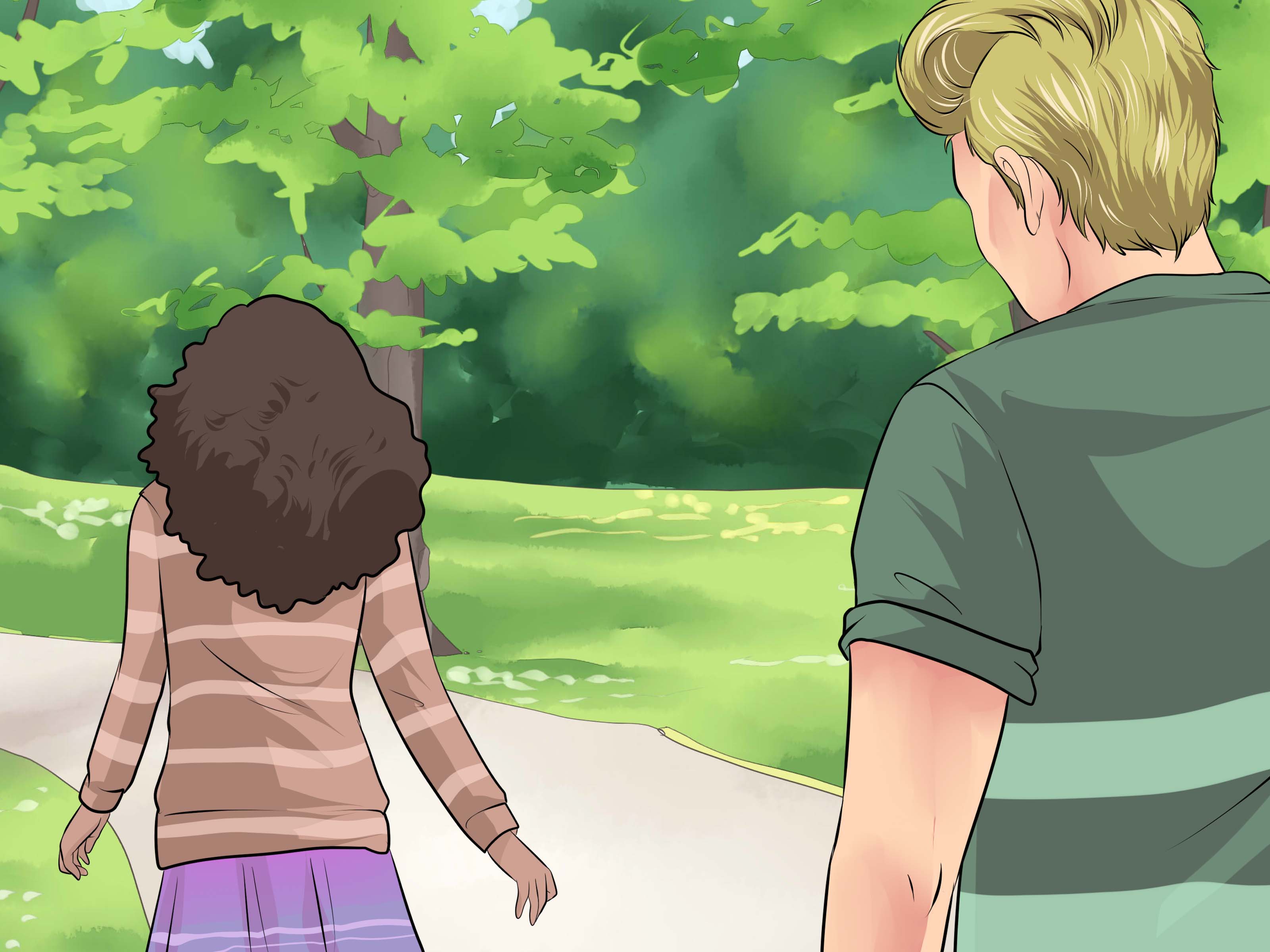
Forty became the popular marker partly because it feels like the symbolic midpoint of adult life. If a person imagines life as climbing a hill, the first part represents youth, growth, ambition, and upward motion. The top of the hill represents one’s prime. After that, the metaphor suggests a descent into later life.
That image is simple, visual, and slightly unfair. It also made 40th birthday jokes easy to package. The “over the hill” theme turned a complicated emotional milestone into a party gag. Instead of saying, “I am processing the passage of time and my shifting identity,” people could say, “Hand me that black cupcake.” Much easier.
Why 50 Is Also Called “Over the Hill”
For some people, 50 feels like the more accurate “over the hill” age because it marks half a century. It is also tied to older workplace and retirement assumptions, when people were expected to slow down earlier than many do today. In modern life, though, plenty of 50-year-olds are starting businesses, running marathons, dating, traveling, changing careers, and learning new skills. The hill, apparently, has a very misleading map.
Is “Over the Hill” Rude?
It can be. The phrase often carries a negative implication: that aging means decline, uselessness, or loss of value. That is why many dictionaries label it informal, humorous, or disapproving. The key question is not just what the phrase means, but how it lands.
If someone says, “I’m over the hill now!” while laughing at their own birthday party, the phrase is usually harmless. If someone says, “You’re over the hill” to dismiss another person’s talent, attractiveness, career potential, or intelligence, it becomes insulting. Tone matters. Relationship matters. Context matters. Also, cake helps, but cake cannot fix everything.
Origin of the Phrase “Over the Hill”
The phrase comes from a metaphor: life as a hill. In this image, childhood and youth are the climb upward. Adulthood and achievement are the summit. Later life is the downward slope. To be “over the hill” is to have crossed the peak and started descending.
The exact origin is difficult to pin down with absolute certainty, but the phrase became established in the mid-20th century. Major dictionaries record its modern meaning as “past one’s prime,” and the earliest known uses are commonly placed around the 1940s or 1950s. Over time, the idiom moved from general speech into birthday culture, comedy, cards, party supplies, and workplace language.
Interestingly, not every “hill” phrase is negative. “Over the hump” can mean getting past the hardest part of a challenge. “Over the hill,” however, developed a more age-focused meaning. English is funny that way. One hill is motivational. The other comes with black streamers.
How to Use “Over the Hill” Correctly
The phrase can work as an adjective or an idiomatic expression. It often appears after the verb “to be.”
Common Sentence Patterns
- “I’m not over the hill yet.”
- “She joked that she was over the hill after turning 40.”
- “Critics said the actor was over the hill, but his comeback proved them wrong.”
- “This phone is over the hill; the battery lasts twelve minutes and a prayer.”
When using the phrase, remember that it can be playful or offensive. It is safest when describing yourself, a fictional example, or an object. It is riskier when describing a real person, especially in professional or sensitive settings.
“Over the Hill” in Birthday Culture
In the United States, “over the hill” is strongly connected to milestone birthdays. The classic version includes black decorations, jokes about aging, fake prescription bottles filled with candy, and cards that pretend the birthday person is one sneeze away from becoming a museum artifact.
These parties were especially popular in previous decades, when turning 40 was treated as a comic crisis. Today, the trend has softened. Many people still enjoy the joke, but others prefer more positive milestone themes: “Forty and fabulous,” “Fifty and thriving,” or “Aged to perfection.” Wine gets to age gracefully; people should be allowed to do the same.
Funny but Kinder Alternatives
If you want birthday humor without sounding like you are roasting someone’s entire existence, try phrases like:
- “Level 40 unlocked.”
- “Vintage, not expired.”
- “Aged to perfection.”
- “Still climbing.”
- “The view gets better from here.”
These alternatives keep the fun while avoiding the idea that aging automatically equals decline. They also look better on a cake than “Welcome to the downhill slide,” which is frankly a lot to ask from frosting.
Modern Views on Aging: Is the Phrase Outdated?
The phrase “over the hill” is not gone, but it is more complicated now. Modern conversations about aging focus less on decline and more on health, purpose, longevity, reinvention, and age inclusion. People are living longer, working longer, staying active longer, and rejecting the idea that life has one magical peak followed by a slow fade into beige.
Surveys and research also show that people disagree widely about when “old age” begins. Younger adults may think old age starts earlier, while older adults often place the threshold much later. That makes sense. At 18, 40 can seem ancient. At 40, 60 can seem far away. At 70, you may look back at 50 and think, “What was I complaining about? My knees still had original factory settings.”
This shift matters because language shapes expectations. If people constantly hear that growing older means becoming useless, unattractive, or irrelevant, those ideas can influence how society treats older adults and how individuals see themselves. A joke is not always just a joke when it repeats the same message for decades.
Is 40 Really Old?
No. Forty is not old in any meaningful modern sense. It is a milestone, but not an expiration date. Many people reach their 40s with more confidence, emotional intelligence, financial stability, career clarity, and self-knowledge than they had in their 20s. They may also have better taste in shoes, although that depends heavily on the individual.
At 40, some people are raising young children. Some are single and traveling. Some are starting over. Some are training for races. Some are going back to school. Some are finally learning how to say “no” without writing a 900-word apology. In other words, 40 is not one thing.
Is 50 “Over the Hill”?
Fifty is often joked about as “over the hill,” but it can also be a powerful turning point. Many people reach 50 with a clearer sense of priorities. They may care less about impressing everyone and more about spending time well. That is not decline. That is editing.
Of course, bodies change. Energy, recovery time, eyesight, metabolism, and patience for nonsense may all shift with age. But change is not the same as collapse. A 50-year-old may not recover from a late night as quickly as a 22-year-old, but the 50-year-old is also less likely to think gas-station sushi at midnight is a wise life choice. Growth comes in many forms.
Better Ways to Think About the “Hill”
The problem with the “over the hill” metaphor is that it assumes life has one peak. In reality, life has many hills. You can peak in one area and just be starting in another. A person may reach a career high at 35, a creative breakthrough at 52, a fitness transformation at 60, and a deep sense of peace at 75.
A better metaphor might be a mountain range. Some climbs are steep. Some descents are restful. Some views are unexpected. Sometimes you take a wrong trail and end up learning something useful. Sometimes you need snacks. Actually, you always need snacks.
Real-Life Experiences: What “Over the Hill” Feels Like Today
For many people, the first encounter with “over the hill” happens long before they are supposedly near the hill. They see it on birthday cards for parents, aunts, uncles, teachers, or neighbors. As kids, they assume 40 is impossibly old because anyone who owns a mortgage, a slow cooker, or a favorite grocery-store route seems ancient. Then 40 arrives, and the joke suddenly feels suspiciously personal.
One common experience is the surprise of not feeling the age you are “supposed” to feel. Someone turns 40 and expects a dramatic identity shift, but the morning looks ordinary. The coffee tastes the same. The dog still needs walking. Emails still exist, unfortunately. The birthday person may feel wiser, but not finished. More experienced, but not expired. The “over the hill” label can feel like a costume that does not fit.
Another familiar experience is the difference between how people talk about aging and how aging actually feels. A person might hear jokes about being too old for concerts, new technology, dating apps, career changes, or bold fashion. Then they look around and see people in midlife doing all of those things. The stereotype collapses under the weight of real life. Forty-year-olds are launching podcasts. Fifty-year-olds are getting degrees. Sixty-year-olds are lifting weights. Seventy-year-olds are sending sharper text messages than their grandchildren. The hill is crowded, and many people brought excellent shoes.
Milestone birthdays can also create mixed emotions. Even people who laugh at “over the hill” decorations may privately feel a tug of reflection. They may think about goals they have reached, chances they missed, relationships that changed, or dreams that still feel unfinished. That does not mean the phrase is accurate; it means milestones invite inventory. A birthday with a zero at the end can make people pause and ask, “Am I living the way I want?” That question can be uncomfortable, but it can also be useful.
Some people reclaim the phrase with humor. They throw the party, wear the sash, pose with the black balloons, and treat the whole thing like a theatrical roast. For them, “over the hill” is not an insult. It is a way to laugh at time before time laughs first. Others dislike the phrase because it reduces aging to decline. They would rather celebrate experience, resilience, and reinvention. Both reactions are valid. Humor is personal, and birthday jokes should fit the person being celebrated, not just the clearance aisle at the party store.
The best experience-based lesson is this: aging feels less like going over one hill and more like collecting perspective. You learn which opinions deserve your attention. You learn that rest is not laziness. You learn that confidence is quieter than performance. You learn that “young” and “old” are not fixed territories but shifting labels people use depending on where they stand. At 20, 40 looks far away. At 40, it looks like a beginning with better lighting. At 60, it may look like a chapter you finally understand.
So, what age is “over the hill”? In real life, it is the age when you decide the phrase applies to youor when you decide it does not. Many people today choose not to accept it at all. They prefer to see age as accumulation: of stories, skills, mistakes, recovery, humor, and perspective. If there is a hill, maybe the point is not whether you are over it. Maybe the point is whether you remembered to enjoy the view.
Conclusion
“Over the hill” means being past one’s prime, and in American culture it is most often linked to turning 40 or 50. The phrase grew from the metaphor of life as a hill: youth is the climb, prime adulthood is the peak, and older age is the descent. It became popular in birthday humor, especially through cards, jokes, and milestone party themes.
Still, the phrase should be used carefully. It can be funny when self-directed, but rude when used to dismiss someone else. Modern views of aging are much more flexible than the old hill metaphor suggests. People do not peak once and then coast downward forever. They grow, restart, learn, change, and surprise themselves at every age.
So, is 40 over the hill? Culturally, sometimes. Literally, absolutely not. If anything, 40 may be the point where the trail gets more interesting, the shoes get more comfortable, and the view finally starts making sense.