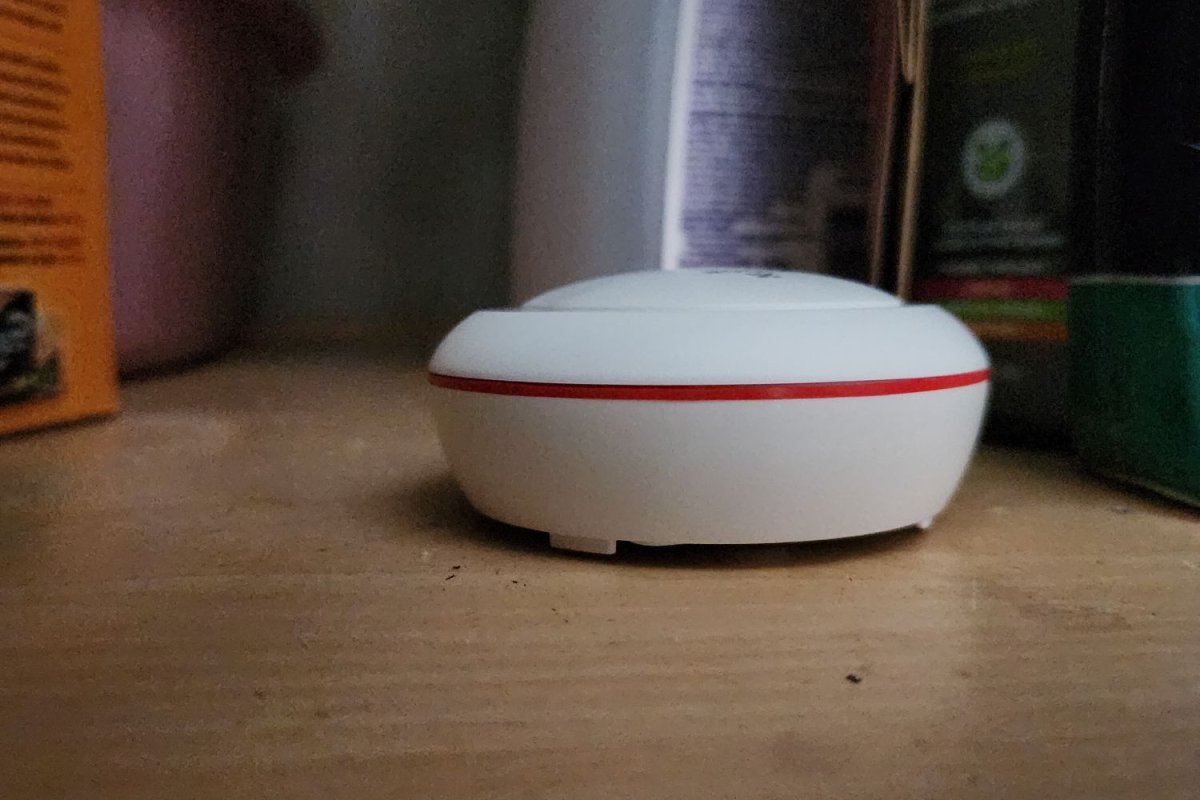
Water belongs in your pipes, washing machine, and coffee makernot beneath the flooring where it can quietly audition for a home-renovation disaster show. A smart water sensor promises to catch trouble early, but not every inexpensive puck with Wi-Fi deserves a place under your sink.
For this Kidde Water Leak and Freeze Detector review, we evaluated the model’s specifications, setup process, alarm behavior, app experience, placement requirements, and independently documented hands-on results. One quick correction before the plumbing starts misbehaving: the brand is spelled Kidde, although “Kiddie Water Leak Detector” is a common search phrase.
The central question is simple: Can this compact detector provide useful protection without turning home safety into another complicated smart-home project? The answer is mostly yeswith several limitations buyers should understand before ordering a detector for every sink in the house.
Our Quick Verdict
The Kidde Water Leak and Freeze Detector is a compact, battery-powered sensor that detects water touching its bottom contacts and warns when the surrounding temperature approaches freezing. It can operate as a stand-alone audible alarm, or it can connect directly to a 2.4 GHz Wi-Fi network and send alerts through the Kidde app. It does not require a separate hub.
Its strongest qualities are simplicity, a loud local alarm, ordinary AA batteries, freeze detection, and relatively affordable whole-home expansion. Its biggest weakness is equally important: it only alerts you. It cannot close the main water valve, stop a washing machine hose, or politely ask a burst pipe to reconsider its life choices.
Overall Rating: 8.4/10
- Leak detection: 8.5/10
- Freeze warning: 9/10
- Setup: 8.5/10
- App experience: 7.5/10
- Design and placement: 7.5/10
- Value: 9/10
Bottom line: This is a sensible choice for homeowners who want inexpensive leak and freeze alerts without installing plumbing hardware. Buyers who need automatic shutoff, sensing cables, advanced temperature history, or extensive smart-home automation should consider a more sophisticated system.
Why a Water Leak Detector Is Worth Considering
A dripping supply line may look harmless when it begins. Given enough time, however, it can swell cabinets, ruin laminate flooring, soak drywall, encourage mold growth, and create an insurance claim large enough to make the original plumbing repair look adorable.
Water damage and freezing remain major causes of homeowners insurance losses. Recent Insurance Information Institute data identifies water damage and freezing as one of the most frequent categories of insured home losses, while Consumer Reports has noted that individual claims can easily reach five figures.
Small leaks also waste a surprising amount of water. The U.S. Environmental Protection Agency estimates that leaks in an average household can waste nearly 10,000 gallons annually. A floor sensor will not detect every slow leak hidden inside a wall, but it can provide valuable early warning when escaped water reaches a vulnerable area.
What Is the Kidde Water Leak and Freeze Detector?
The Kidde model 60WLDR-W is a palm-size indoor detector powered by two replaceable AA batteries. It resembles a small white hockey puck and is designed to sit on a flat surface near plumbing fixtures or appliances.
Two metal electrodes on the bottom detect water when the same puddle bridges both contacts. When that happens, the detector flashes its indicator and sounds a repeating local alarm. When connected to Wi-Fi, it also sends a notification to the Kidde app.
The built-in temperature sensor adds a second layer of protection. The user guide indicates that the unit sounds a low-temperature alarm below approximately 37 degrees Fahrenheit, or 3 degrees Celsius. The app may also report a rapid temperature change before the full freeze alarm activates.
Key Features
- Water leak and pooling-water detection
- Low-temperature and rapid-temperature-change alerts
- Local audible alarm
- Real-time smartphone notifications through the Kidde app
- Direct 2.4 GHz Wi-Fi connection
- No dedicated hub required
- Two included AA batteries
- QR-code-assisted app setup
- Smart Hush functionality under supported conditions
- Compact design for cabinets, utility rooms, basements, and appliance areas
Kidde recommends placing the detector under sinks, near toilets, beside water heaters, beneath dishwashers or refrigerators, in crawl spaces, and close to vulnerable pipes.
Setup: Refreshingly Simple, With One Wi-Fi Catch
Using the detector without smart features is almost comically easy. Open the battery compartment, install the two AA batteries, close the cover, and position the unit on a dry, level surface. It can sound locally even when Wi-Fi is unavailable, so a router outage does not eliminate basic leak and freeze detection.
Connecting the detector to the app requires a few additional steps:
- Download the Kidde app for iOS or Android.
- Create or sign in to a Kidde account.
- Select the option to add a device.
- Scan the QR code on the detector.
- Connect it to a 2.4 GHz Wi-Fi network.
- Name the sensor according to its location.
- Test the alarm and confirm that notifications are enabled.
The QR-code process is easier than manually entering a long serial number while crouched under a bathroom sink with a flashlight between your teeth. The app also allows multiple detectors to be assigned to specific rooms, which matters when a midnight alert says water has been detected. “Laundry Room” is useful. “Sensor 7” is a scavenger hunt.
The main setup limitation is network compatibility. The user guide specifies 2.4 GHz 802.11b/g/n Wi-Fi. Owners of routers configured for 5 GHz only, WPA3-only security, or aggressive band steering may need to enable a compatible 2.4 GHz network temporarily or permanently.
Leak Detection Performance
Independent hands-on testing found that the Kidde detector responded to a test puddle in roughly 10 seconds and produced a remote notification within approximately 15 seconds when the tester was away from home. That is fast enough to make the product genuinely useful, especially around appliances that can release substantial water in a short period.
The local alarm was independently measured at about 95 decibels. Kidde’s manual describes a loud beep repeating every three seconds during a water or low-temperature alarm, although the manufacturer does not prominently advertise a specific decibel rating for this model.
There is one design detail worth noticing. The two water contacts sit relatively far apart compared with those on some competing sensors. Water must form a continuous path between both contacts before the alarm activates. On a perfectly level floor, this is rarely a problem. On warped cabinet bottoms, textured tile, deep grout lines, or an uneven concrete basement floor, a small stream could travel around the sensor without bridging the contacts immediately.
The practical solution is careful placement. Put the detector where water is likely to collect rather than merely pass by. Test the spot with a small controlled amount of water, dry everything thoroughly, and reposition the unit when necessary.
Freeze Detection: The Feature That Makes Kidde Stand Out
Many inexpensive leak detectors do one thing: wait for water to arrive. Kidde adds temperature monitoring, which is valuable in basements, garages, vacation homes, utility closets, and crawl spaces where pipes may face freezing conditions.
The alarm threshold of approximately 37 degrees Fahrenheit provides a small warning margin above water’s freezing point. That does not guarantee a pipe will freeze at a particular room temperature; insulation, airflow, pipe material, exposure time, and water movement all affect risk. It does, however, provide a useful signal that conditions are becoming dangerous.
American Red Cross and Ready.gov guidance recommends insulating vulnerable areas, opening cabinets to circulate warm air, maintaining heat, disconnecting outdoor hoses, and allowing a small trickle through exposed plumbing during severe cold. A freeze detector complements those stepsit does not replace them.
Independent testing also found that the unit responded promptly when placed in a freezer. That is reassuring, but homeowners should perform controlled tests rather than repeatedly freezing the detector for entertainment. Home maintenance already has enough strange hobbies.
The Kidde App Experience
The Kidde app is available for iPhone and Android and supports device setup, alarm notifications, room naming, testing, status information, and Smart Hush functions. The app can also manage compatible Kidde smoke, carbon monoxide, and indoor air-quality products, giving households a centralized safety dashboard.
Alerts are clear enough to identify both the hazard and the detector’s assigned location. That distinction is important in homes with multiple units. A notification that says “Water detectedWater Heater” immediately suggests a course of action. A generic phone beep merely gives your anxiety fresh material.
One useful app feature highlighted in independent testing is the ability to store an emergency contact and access that contact quickly from an alert screen. Depending on the situation, that person might be a neighbor, property manager, maintenance technician, plumber, or family member who can reach the house before you can.
The app is not flawless. App-store feedback includes both successful real-world leak alerts and complaints involving logins, repeated freeze notifications, false alarms, and temporary hushing behavior. Software changes over time, so current app performance may differ by phone, operating system, network configuration, and firmware version.
What the Detector Does Not Do
The most important purchasing decision is understanding the difference between an alerting sensor and a prevention system.
The Kidde detector can tell you that water is present. It cannot automatically shut off your supply. If a pipe ruptures while you are several hours away, the phone notification helps only when someone can reach the property and close the valve.
More expensive systems install on the main water line and may detect unusual flow, track household water use, or close the valve automatically. Consumer Reports and WIRED distinguish these whole-home shutoff products from inexpensive point sensors such as the Kidde. The advanced systems offer stronger damage prevention but require a much larger budget and may need professional installation.
The Kidde also lacks a long sensing cable. A cable can monitor a broader area behind a washing machine, around a water heater, or beneath a row of appliances. With Kidde, each puck protects only the location immediately surrounding its contacts.
Best Places to Install the Kidde Detector
Under Kitchen and Bathroom Sinks
Position the detector below shutoff valves, supply-line connections, drain fittings, or garbage disposal plumbing. Avoid placing it where cleaning bottles could tip onto it or where stored towels could absorb water before the puddle reaches the contacts.
Beside a Water Heater
Place it near the lowest likely collection point, but not directly beneath a discharge pipe that may release water during normal operation. Remember that a single puck cannot monitor the full circumference of a large tank.
Behind a Washing Machine
Locate it near hose connections or the floor drain. Verify that the floor slopes toward the detector rather than away from it. A washing machine leak can move quickly, making this one of the highest-value locations.
Near a Refrigerator or Dishwasher
These appliances can conceal slow supply-line leaks for weeks. Make sure the detector remains accessible for battery replacement and testing.
In a Basement, Garage, or Crawl Space
Use it near exposed plumbing where both freezing and leaks are realistic concerns. Confirm that the location remains within reliable Wi-Fi range. The Insurance Institute for Business & Home Safety identifies frozen pipes and interior water damage as persistent causes of costly property losses.
Pros and Cons
What We Like
- Detects both water and approaching freezing conditions
- Works as a local alarm without Wi-Fi
- Sends remote alerts when connected
- Requires no proprietary hub
- Uses common AA batteries
- Compact enough for tight cabinets
- Easy QR-code setup
- Multiple sensors can be labeled by room
- Strong value for targeted monitoring
What Could Be Better
- No automatic water shutoff
- No external sensing cable
- Requires 2.4 GHz Wi-Fi for app features
- Bottom contacts demand careful placement
- App behavior can depend on network and software conditions
- Multiple pucks may become expensive in a large property
- Hushing and reset procedures are less intuitive than a large physical button
How It Compares With Other Water Leak Detectors
The Kidde competes most directly with battery-powered point sensors from brands such as Moen, X-Sense, Govee, Aqara, First Alert, and YoLink. Consumer Reports found meaningful differences among smart detectors in setup convenience, alert options, and ecosystem integration, so the best model depends on the home rather than the logo printed on the puck.
Moen’s stand-alone detector may appeal to buyers who want temperature and humidity history or an optional remote sensing cable. YoLink systems are attractive for large properties where long-range communication matters, although they commonly rely on a hub. Some multi-sensor kits provide better per-room pricing than purchasing Kidde units individually.
Whole-home products such as Flo by Moen or Phyn belong to another category. They monitor the main supply and may stop water automatically. They provide broader protection but involve higher costs, more complex installation, and greater dependence on plumbing compatibility.
Kidde’s advantage is uncomplicated, targeted protection. You can buy one sensor for the washing machine today, add another beneath the kitchen sink next month, and expand gradually without committing to an expensive central system.
Who Should Buy It?
The Kidde Water Leak and Freeze Detector is a strong match for:
- Homeowners seeking affordable leak alerts
- Renters who cannot modify plumbing
- Landlords monitoring individual high-risk locations
- Owners of basements, garages, cabins, or vacation homes
- Households already using compatible Kidde smart safety devices
- Anyone who prefers replaceable AA batteries over specialty cells
It is less suitable for an empty property where nobody can respond to an alert, a luxury home requiring automatic shutoff, or a large building that needs dozens of sensors and centralized professional monitoring.
Real-World Ownership Experience: What Living With This Detector Is Like
The first surprise with a device like this is how quickly it disappears from daily life. Once configured and placed correctly, the Kidde detector is not a gadget you repeatedly open, swipe, charge, admire, or show to dinner guests. It sits under a sink doing almost nothing, which is exactly what a safety sensor should do. The best day for a leak detector is a profoundly boring day.
The installation experience is easiest when you decide on room names before adding several units. Labels such as “Upstairs Bathroom Sink,” “Basement Water Heater,” and “Laundry Washer” are far more useful than broad names like “Bathroom.” During an emergency, precise information saves time. It also prevents you from sprinting between three bathrooms while your phone behaves as though it has already explained everything perfectly.
Placement requires more thought than the marketing photos suggest. Under a sink, plumbing supplies, trash bags, sponges, and oversized bottles often compete for the same patch of cabinet floor. The detector needs open space around its bottom contacts. A towel touching the sensor may soak up a small leak before water can form a conductive puddle, while a bottle leaning against it can shift the puck away from the cabinet’s low point.
A controlled water test is therefore essential. Place the detector, introduce a spoonful of water near the likely leak path, and watch how the liquid travels. The goal is not to create an indoor swimming pool. It is to verify that water reaches both electrodes and triggers the local alarm. Afterward, remove the batteries when appropriate, dry the contacts and surrounding surface completely, then restore the unit and confirm normal operation.
The audible alarm is difficult to ignore when you are nearby. That is excellent in a small home, but it can be less effective when the detector is in a detached garage, sealed crawl space, or distant basement mechanical room. In those locations, reliable app notifications are the feature that transforms the device from a beeping puck into a practical remote monitor.
Wi-Fi quality becomes noticeable only when it is poor. A router may provide perfect coverage in the living room while struggling behind a water heater, inside a metal utility cabinet, or below a concrete floor. It is wise to check the app after final placement instead of assuming that successful setup beside the router guarantees dependable communication everywhere else.
The freeze function is especially reassuring during travel. Imagine leaving a house for a winter weekend while an unexpected cold front moves through. A 37-degree warning does not mean a pipe has already burst; it means you may still have time to call a neighbor, adjust a smart thermostat, open a utility-room door, or arrange professional help. That early-action window is the product’s most compelling advantage over a leak-only alarm.
Battery maintenance is ordinary but easy to forget. AA cells are convenient because replacements are available almost anywhere, yet every additional sensor creates another maintenance point. A practical routine is to inspect the detectors twice a year, verify app connectivity, clean dust from the contacts, and replace batteries when the low-battery warning appears. Some owners prefer changing all alarm batteries on the same annual schedule so no sensor becomes the forgotten cousin under the guest bathroom sink.
False alerts may happen when mopping, cleaning an appliance, dealing with condensation, or placing a detector in a space that routinely approaches the freeze threshold. Those alerts are not necessarily sensor failures; they may indicate poor placement or an environment unsuitable for the default behavior. Repeated nuisance alarms deserve investigation rather than permanent muting, because a detector that everyone learns to ignore is basically a decorative coaster with batteries.
Most importantly, ownership encourages better emergency planning. After installing the detector, identify the home’s main shutoff valve, confirm that it turns freely, store a suitable valve tool when needed, and decide who can access the property while you are away. Save useful contacts in the app or phone. The notification is only the first step; the response plan determines whether an alert becomes a minor cleanup or an expensive restoration project.
Final Verdict: Is the Kidde Water Leak and Freeze Detector Worth It?
Yes, for the right household. The Kidde Water Leak and Freeze Detector delivers the features most people need from a basic smart sensor: prompt local warnings, remote phone notifications, simple battery power, straightforward installation, and valuable freeze detection.
It is not a complete water-management system. It will not identify every hidden leak, monitor water consumption, cover an entire room with a sensing cable, or close the main supply automatically. Its effectiveness also depends heavily on correct placement, dependable 2.4 GHz Wi-Fi, maintained batteries, and someone being available to respond.
Those limitations are reasonable for this product category. As an affordable first layer of protection beneath sinks, beside appliances, and near cold-weather plumbing, the Kidde performs a useful job without demanding a plumber, a hub, or a weekend spent studying smart-home networking.
Think of it as a small electronic lookout. It cannot fight the flood, but it can shout before the flood quietly eats your kitchen floor.