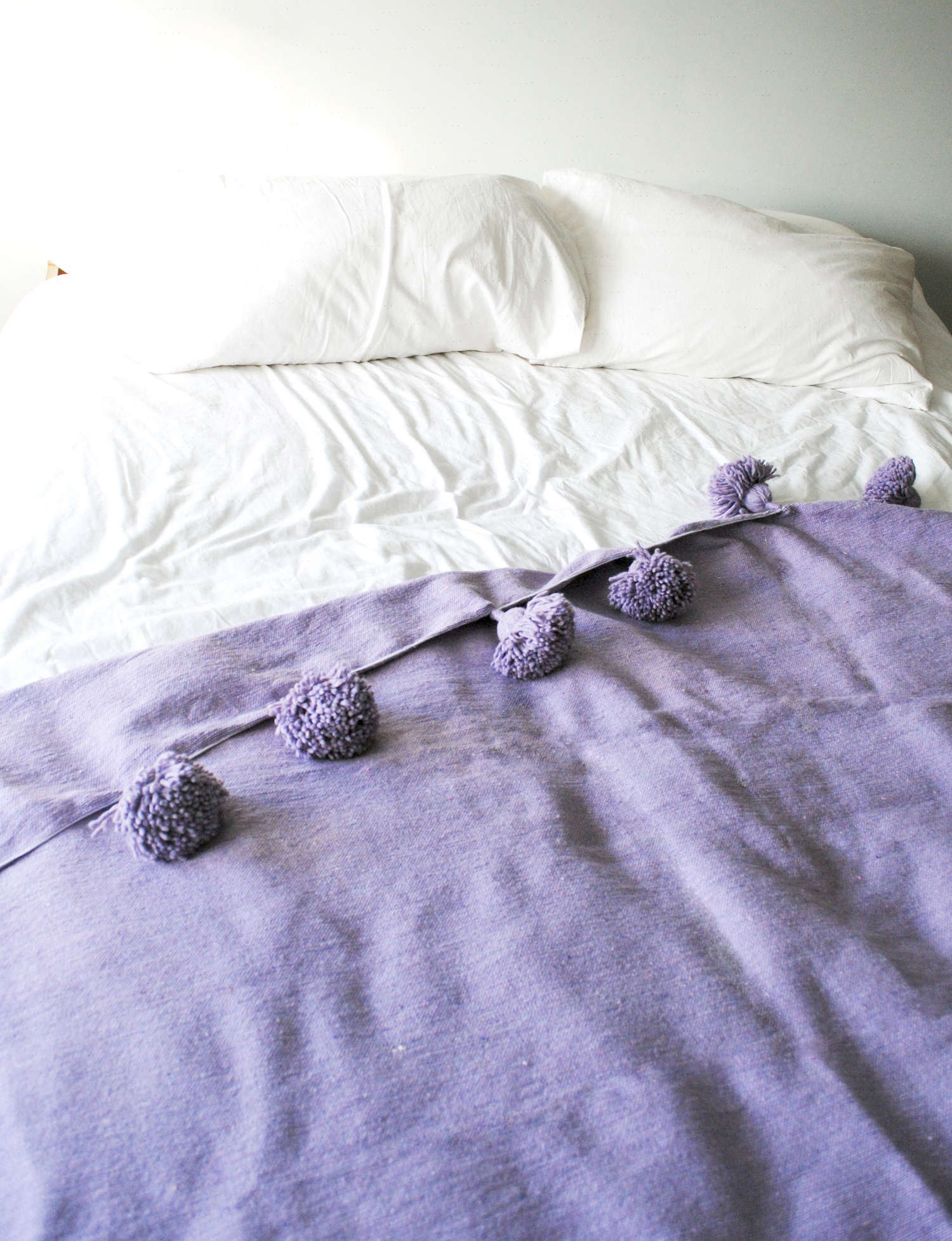
A vintage indigo cushion is the kind of home decor piece that quietly walks into a room, clears its throat, and somehow makes the sofa look more intelligent. It is not just a blue pillow. It is texture, history, handwork, travel, imperfection, and comfort stitched into one small square or lumbar shape. In a world full of fast decor that looks suspiciously identical from house to house, vintage indigo cushions offer something better: personality.
The appeal starts with color. Indigo sits between blue and violet, deep enough to feel dramatic but familiar enough to work almost anywhere. It pairs beautifully with white linen, brown leather, warm wood, rattan, cream boucle, brass, terracotta, and even modern black metal. That is a long resume for one humble cushion. But the real charm comes from the fabric itself. Many vintage indigo pillow covers are made from repurposed cotton textiles, handwoven cloth, shibori-dyed panels, African strip cloth, batik, boro-style patches, kantha quilts, or antique-inspired block prints.
In short, a vintage indigo cushion is what happens when a functional object gets a backstory. And frankly, most couches could use one.
What Is a Vintage Indigo Cushion?
A vintage indigo cushion is a decorative pillow or pillow cover made with older, vintage, antique, or vintage-inspired indigo-dyed fabric. The front panel is often the star: faded blue cotton, hand-dyed patterning, irregular stripes, resist-dye motifs, stitched patches, or woven texture. The back is commonly made from linen, cotton canvas, denim, or another sturdy neutral fabric to support daily use.
The word “vintage” usually suggests an item that has age, character, and design value. In the decor world, it can describe true older textiles, repurposed fabric, or handmade pieces that preserve the look and spirit of earlier textile traditions. The best vintage indigo cushions do not look factory-perfect. They may show tonal variation, slight fading, small marks, uneven printing, hand stitching, or gentle wear. These are not flaws in the boring sense. They are proof that the fabric has lived a little.
Common Types of Vintage Indigo Cushion Fabrics
Vintage indigo cushions appear in several popular textile styles. Japanese shibori pillows feature resist-dye patterns created by folding, binding, stitching, twisting, or clamping cloth before dyeing it. Boro-inspired cushions use patched and repaired cotton pieces, celebrating visible mending and practical beauty. African indigo cushions may use handwoven strip cloth, Mossi cloth, Dogon textiles, Baule-style fabrics, or other regional blue cotton traditions. Indian and Southeast Asian designs may include block printing, batik, kantha stitching, or hand-dyed cotton.
Each type has its own personality. Shibori can look crisp, watery, or cloud-like. Boro feels rustic, layered, and soulful. African indigo textiles often bring bold rhythm through stripes, grids, and woven texture. Block-printed indigo cushions offer more structured patterns for rooms that want a touch of order without looking like a hotel lobby.
Why Indigo Has Such Lasting Appeal
Indigo has been used in textiles for centuries because it produces a color that feels both practical and poetic. Historically, indigo dye came from plants and became valuable in global textile trade. It was used to dye cotton, print fabrics, create resist-dyed patterns, and produce everything from clothing to bedding and interior furnishings. Later, synthetic indigo made the color more widely available, but naturally dyed and hand-dyed textiles still hold a special place because of their depth, variation, and craft.
The magic of indigo is that it never looks flat. A printed navy cushion can be handsome, sure. But vintage indigo has movement. It shifts from midnight blue to washed denim, from inky navy to chalky sky blue, from bold pattern to soft blur. The fading is part of the beauty. It is the textile equivalent of a favorite pair of jeans, except it sits politely on your sofa instead of asking whether you still fit into it.
The History Behind Indigo Textiles
Indigo textiles have appeared across Asia, Africa, Europe, and the Americas in different forms. In India, indigo dyeing and resist-dye techniques became part of a sophisticated textile tradition that supplied domestic and international markets. Cotton cloth dyed or printed with indigo traveled widely, influencing taste and trade. In Japan, indigo-dyed cotton became closely associated with everyday garments, workwear, shibori, and later the patched beauty of boro textiles. In West and Central Africa, indigo cloth carried cultural, social, and visual meaning through handwoven forms, ceremonial textiles, and resist-dyed designs.
That history matters because a vintage indigo cushion is rarely just “blue decor.” It often carries traces of hand processes developed long before modern home catalogs learned how to say “artisanal” every three sentences. A cushion made from an old indigo textile may connect to farming, dye vats, weaving, stitching, trade routes, family use, repair, reuse, and regional design language.
Shibori, Boro, Batik, and Beyond
Shibori is a Japanese resist-dyeing method in which fabric is shaped before dyeing. Depending on the method, the final pattern may look like soft waves, spiderwebs, rain lines, rings, or geometric blocks. The beauty of shibori is partly controlled and partly unpredictable. Dye moves. Fabric drinks. Gravity gets involved. The result feels handmade because it truly is.
Boro, another Japanese textile idea often linked with indigo, comes from the practice of patching and mending worn cotton cloth. Today, boro-inspired cushions are loved for their layered patches, sashiko-style stitching, and humble texture. They bring the room a lived-in feeling without requiring you to actually live in a drafty farmhouse with one heroic candle.
Batik and block printing are also common in indigo cushion designs. Batik uses resist methods to create patterns, while block printing relies on carved blocks and repeated motifs. Both can give a cushion rhythm and structure, especially when paired with solid linen or textured neutrals.
Why Vintage Indigo Cushions Work in Modern Homes
The best thing about a vintage indigo cushion is its flexibility. It can look coastal without becoming seashell-themed. It can look bohemian without requiring a macrame emergency. It can look farmhouse without shouting “barn door.” It can even work in a minimalist room because one strong textile can do more than six timid accessories.
Indigo also behaves like a neutral in many interiors. Dark blue anchors a room the way black does, but with a softer mood. It adds depth without heaviness. In a white room, it creates contrast. In a warm room, it cools the palette. In a modern room, it adds humanity. In a traditional room, it feels timeless.
Best Interior Styles for Vintage Indigo Cushions
Coastal interiors love indigo because it echoes ocean blues without looking overly themed. Pair an indigo lumbar cushion with white slipcovered sofas, seagrass baskets, and light oak furniture.
Modern farmhouse rooms benefit from indigo’s casual texture. A faded blue cushion on a cream sofa or leather chair feels relaxed, not precious.
Bohemian spaces welcome vintage indigo because it mixes beautifully with kilim rugs, woven stools, plants, brass trays, and layered throws.
Minimalist interiors can use one oversized vintage indigo pillow as a focal point. The pattern adds interest while the limited palette keeps the room calm.
Traditional homes can style indigo cushions with ticking stripes, paisley, floral prints, or antique wood. Indigo has enough heritage to sit comfortably next to classic pieces.
How to Style a Vintage Indigo Cushion
Styling a vintage indigo cushion is not complicated, but it does reward restraint. Because these textiles often have strong pattern, texture, and color variation, they work best when allowed to be the “hero” pillow. That means the indigo cushion gets the spotlight, while other pillows play backup singers. Nobody needs a sofa where every cushion is trying to release a solo album.
On a Sofa
For a standard sofa, start with two large neutral pillows in the corners, such as cream linen, oatmeal cotton, tan velvet, or soft gray wool. Then add a vintage indigo cushion in the center or slightly off-center. A 20-by-20-inch or 22-by-22-inch square cushion works well for most sofas. If the indigo fabric has a bold pattern, keep the supporting pillows simple. If the indigo cushion is mostly solid or softly faded, you can add a subtle stripe or small-scale print nearby.
On a Bed
A vintage indigo cushion can turn plain bedding into a styled bedroom without making the bed look like it requires a professional pillow manager. Use white, cream, flax, or pale gray bedding as the base. Add two sleeping pillows, two euro shams, and one long indigo lumbar pillow in front. The long shape feels relaxed and intentional, and it saves you from removing seventeen pillows every night like you are dismantling a decorative barricade.
On an Accent Chair
An accent chair is the perfect place for one special cushion. A vintage indigo pillow can soften a leather club chair, brighten a rattan seat, or add pattern to a plain upholstered chair. If the chair is small, choose a 16-by-24-inch lumbar cushion. If it is deep and generous, a 20-inch square pillow may work better.
Choosing the Right Size and Insert
Size matters in throw pillows because a cushion that is too small can make a sofa look underdressed. For most couches, 20-inch and 22-inch square cushions are safe choices. Larger sofas and sectionals can handle 24-inch pillows. Chairs usually look better with 18-inch squares or lumbar shapes. Beds often benefit from one long lumbar pillow because it creates a clean horizontal line.
For a fuller, designer-style look, choose an insert that is slightly larger than the cover. A 20-inch cover often looks better with a 22-inch insert, while a 22-inch cover may need a 24-inch insert. Down-feather inserts create a soft, relaxed look, while down-alternative inserts are useful for allergy-sensitive households and easier maintenance. Either way, a limp pillow is not charming. It is just fabric having a sad day.
How to Buy a Quality Vintage Indigo Cushion
When shopping for a vintage indigo cushion, look beyond the first pretty photo. A strong product description should explain the textile type, approximate age or origin when known, fiber content, backing fabric, closure style, size, and care instructions. True vintage textiles may include small marks, fading, repairs, or irregularities. That is normal, but the seller should be transparent about condition.
Check the Fabric
Cotton is the most common material for vintage indigo cushions because many traditional indigo textiles were cotton. Linen backs, cotton canvas backs, and denim backs are also common because they add durability. If the front fabric is delicate, the cushion should be reinforced or backed properly so it can survive real life. Real life includes children, pets, coffee, movie nights, and at least one guest who leans on decorative pillows like they are crash-test equipment.
Look at the Construction
Good seams matter. Check whether the pillow has a hidden zipper, serged edges, reinforced stitching, and a sturdy back panel. Pattern placement is also important. With one-of-a-kind textiles, the exact pillow shown may be the exact pillow you receive, so inspect the photos carefully. If a listing uses general photos, expect variation.
Understand Vintage vs. Vintage-Inspired
A true vintage indigo cushion is made from older cloth. A vintage-inspired cushion is newly made to look aged or traditional. Both can be beautiful, but they are not the same thing. True vintage pieces usually cost more because the textile is limited, older, and often handmade. Vintage-inspired pieces may offer a similar look at a lower price and with easier care.
How to Care for a Vintage Indigo Cushion
Indigo textiles deserve gentle care. Natural dyes and older fabrics can be sensitive to harsh cleaning, direct sunlight, and heavy rubbing. Keep vintage indigo cushions away from long exposure to bright sun, which can fade the dye. Rotate pillows occasionally so one side does not age faster than the rest. If the cushion is mostly decorative, use it where it can be admired without being flattened daily by enthusiastic lounging.
For cleaning, follow the seller’s instructions. Many vintage indigo pillow covers are best spot-cleaned gently or professionally dry-cleaned. Avoid soaking unless you know the dye is stable and the fabric can handle water. Some indigo textiles may transfer color, especially when damp. A light vacuum with low suction and a clean screen barrier can remove dust from sturdy textiles. For delicate pieces, gentle handling is better than aggressive cleaning.
Color Pairings That Always Work
Vintage indigo cushions are surprisingly easy to pair. Try indigo with white for a crisp classic look. Use indigo with tan leather for warmth and contrast. Pair indigo with rust, clay, or terracotta for an earthy palette. Mix indigo with sage green for a calm, natural room. Combine indigo with mustard or ochre for a bolder global-inspired style. For a refined look, layer indigo with ivory, charcoal, antique brass, and dark walnut.
The trick is repetition. If your cushion is the only blue item in the room, add one or two small echoes: a blue book spine, ceramic vase, framed print, or patterned rug detail. This makes the cushion feel intentional instead of looking like it wandered in from another living room.
Sustainability and the Beauty of Reuse
One reason vintage indigo cushions remain popular is sustainability. Repurposing older textiles into pillow covers gives fabric a second life. Instead of producing a completely new decorative object from scratch, artisans and sellers can preserve beautiful cloth that might otherwise sit unused. This approach supports slower decorating, where each item is chosen with care rather than tossed into a cart because the room felt “kind of empty on Tuesday.”
Vintage textiles also age better emotionally. A mass-produced pillow can feel tired after one season. A vintage indigo cushion often becomes more interesting as you notice its faded lines, stitched repairs, woven slubs, and uneven dye. It rewards attention. That is rare in decor, where many objects are designed to be noticed once and forgotten immediately.
Common Mistakes to Avoid
The first mistake is using too many competing patterns. A vintage indigo cushion is usually strong enough to lead the arrangement. Pair it with solids, small stripes, or quiet textures. The second mistake is choosing pillows that are too small. A tiny cushion on a large sofa looks like it is apologizing for existing. The third mistake is ignoring care instructions. Vintage fabric is not a gym towel. Treat it kindly.
Another mistake is expecting machine-made perfection. If you want perfectly identical color, razor-sharp symmetry, and zero irregularity, vintage indigo may not be your match. Its beauty comes from variation. The cloth may show small repairs, uneven dye, faded patches, or handwoven texture. That is the point. Perfection is for printer paper. Character is for cushions.
Real-Life Experiences with Vintage Indigo Cushions
One of the most useful things about decorating with a vintage indigo cushion is how quickly it changes the mood of a room. In a plain living room with a beige sofa, adding one indigo pillow can make the whole space feel collected rather than simply furnished. The sofa stops looking like a neutral rectangle and starts looking like a place where someone with taste might drink coffee, read a book, and pretend not to check their phone every four minutes.
In practical styling, the easiest success comes from using one vintage indigo cushion as the focal point. For example, place a 22-inch indigo shibori pillow in one corner of a cream sofa, then balance it with a flax linen pillow and a small striped lumbar cushion. The room instantly gains contrast, texture, and rhythm. The indigo pattern draws the eye, while the neutral pillows keep the arrangement calm. This works especially well in apartments, where you may not have the budget or permission to change wall colors, floors, or built-in finishes.
Another common experience is discovering that vintage indigo looks better when it is not over-coordinated. Matching every blue in the room can make the design feel stiff. A slightly faded indigo cushion paired with warm wood, black picture frames, a jute rug, and off-white curtains feels more natural. The color does not need to match perfectly because vintage textiles already contain multiple tones. That variation gives you permission to relax, which is good because decorating should not feel like solving a tax problem.
On beds, vintage indigo cushions are especially effective because they add pattern without requiring complicated layering. A long indigo lumbar pillow across white bedding creates a boutique-hotel feeling, but with more soul. It also reduces the daily pillow shuffle. Instead of removing a mountain of decorative pillows at night, you move one or two. This is a small domestic victory, but small domestic victories count.
There are also care lessons people learn quickly. First, place vintage indigo cushions where they will be enjoyed but not abused. A formal chair, reading nook, guest bed, or styled sofa corner is ideal. Second, avoid pairing a deeply dyed indigo cushion with a bright white sofa if you are unsure about colorfastness. Test gently or use it with a cover, throw, or darker upholstery. Third, accept that a vintage textile will continue to age. That is not a failure. It is part of owning something real.
The best experience of all is that guests notice these cushions. They may not know the word shibori, boro, kantha, or resist dye, but they usually sense that the piece is different. It invites questions. Where did you find it? Is it handmade? Is it old? Why does my sofa not look this interesting? That last question may remain unspoken, but the cushion knows.
Conclusion: A Small Cushion with a Big Story
A vintage indigo cushion is a small decor choice with unusual power. It brings color, craft, history, texture, and comfort into a room without demanding a full redesign. Whether made from shibori cotton, boro-style patches, African indigo cloth, batik, block print, or repurposed vintage fabric, it adds depth that ordinary pillows rarely achieve.
Choose one with good construction, honest materials, and a pattern that makes you pause. Style it with restraint. Care for it gently. Let the fading, stitching, and irregularities do their work. In the end, the charm of a vintage indigo cushion is simple: it makes a home feel less like a showroom and more like a story worth sitting in.
Note: This article was written in original American English and synthesized from real information on indigo dye history, vintage textiles, interior styling, cushion sizing, and textile care. Source links are intentionally omitted according to the publishing format requested.