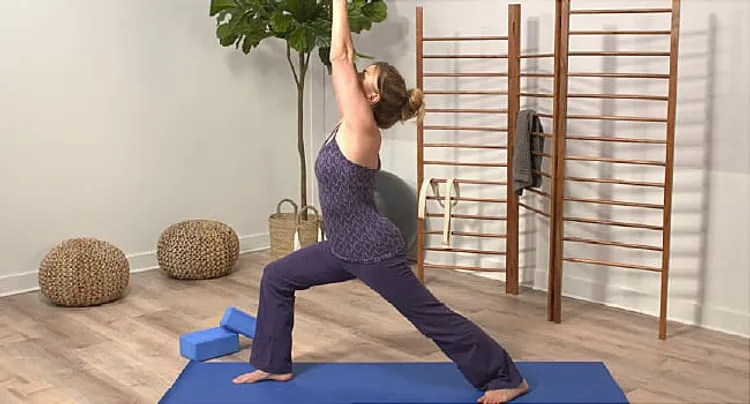
Need a confidence boost that does not involve buying a new blazer, rehearsing your “I am very professional” face, or pretending coffee is a personality? A video on confidence-boosting yoga moves may be exactly the kind of low-pressure reset your body and mind are looking for. Yoga is not magic, and it will not instantly turn you into the main character of a motivational movie. But the right sequence can help you stand taller, breathe steadier, move with more intention, and feel a little less like a browser with 47 open tabs.
Confidence often starts in the body before it shows up in the voice. When your shoulders round forward, your breath gets shallow, and your neck quietly migrates toward your laptop, your nervous system may act as if you are preparing for a tiny emergency. Yoga brings you back into your body through posture, breath, balance, and focused attention. Over time, those small physical cues can support a stronger sense of presence.
This guide breaks down what a confidence-boosting yoga video should include, which yoga poses help create a grounded and open feeling, how to practice safely, and why these movements can support self-esteem, body awareness, and emotional resilience. Roll out your mat, clear enough floor space so you do not kick the laundry basket, and let’s build confidence one breath at a time.
What Makes Yoga Confidence-Boosting?
Confidence-boosting yoga is not about twisting yourself into a human pretzel while looking serene enough to be printed on a wellness brochure. Instead, it focuses on accessible poses that encourage strength, stability, openness, and calm. These are movements that help you feel rooted in your feet, lifted through your chest, steady in your breath, and aware of your own capability.
Yoga combines physical postures, controlled breathing, and mindfulness. This matters because confidence is not only a thought. It is also a physical state. A person who feels grounded, alert, and calm often carries themselves differently than someone who feels tense, rushed, or disconnected. Confidence-building yoga uses this mind-body connection in a practical way.
The best videos usually include a warm-up, standing poses, balance work, gentle backbends, breath-centered transitions, and a short closing practice. The goal is not to “perform” confidence. The goal is to practice feeling steady enough to meet the moment without shrinking from it.
Why a Yoga Video Works Well for Building Confidence
A guided video gives structure, pacing, and visual cues. For beginners, that can make yoga feel less mysterious. You do not have to memorize Sanskrit pose names or guess whether your left foot should be “somewhere over there” or “definitely not there.” A good instructor explains alignment, offers modifications, and reminds you to breathe when your brain decides to wander off and plan dinner.
Video-based yoga also helps people practice privately. That can be important for anyone who feels self-conscious in a class. You can wobble in Tree Pose, laugh, reset, and try again without worrying that the person next to you is judging your ankle strategy. Spoiler: they are probably busy judging their own ankle strategy.
For confidence, consistency matters more than perfection. A 10- to 20-minute video practiced several times per week can help build familiarity with the poses. As movements become more comfortable, many people begin to notice small wins: better balance, smoother breathing, stronger legs, less tension, and a greater sense of control. Those wins add up.
The Mind-Body Connection Behind Confidence Yoga
Yoga may support confidence in several ways. First, it improves body awareness. When you learn how your feet press into the floor, how your spine lengthens, and how your breath changes during stress, you become more familiar with your own signals. That awareness can help you pause before reacting, soften tension, and choose a steadier response.
Second, yoga can support strength, balance, and flexibility. Standing poses such as Warrior II, Chair Pose, and Tree Pose require the body to stabilize. Holding those shapes teaches endurance in a surprisingly honest way. Your muscles may politely complain, but your mind learns, “I can stay with this.”
Third, yoga often uses slower breathing, especially longer exhales, which can help calm the stress response. When your breathing becomes more controlled, your body receives a signal that it does not need to sprint from an imaginary tiger. Since modern tigers often look like inboxes, deadlines, and awkward social moments, this is useful.
Best Confidence-Boosting Yoga Moves to Include in the Video
A strong video on confidence-boosting yoga moves should include poses that create grounding, expansion, balance, and resilience. Here are the most helpful options and how they support a more confident state.
1. Mountain Pose: The “Stand Like You Mean It” Move
Mountain Pose looks simple because you are technically just standing there. But done with attention, it is the foundation of confident posture. Stand with your feet hip-width apart or together, press evenly through your heels and the balls of your feet, lift through the crown of your head, and relax your shoulders down.
This pose teaches alignment and presence. It invites you to stop collapsing into yourself and instead occupy your full height. Imagine your body saying, “Yes, I have arrived,” without needing to make a dramatic entrance.
2. Cat-Cow: The Spine Wake-Up Call
Cat-Cow gently mobilizes the spine and connects movement with breath. Start on hands and knees. Inhale as you drop your belly slightly and lift your chest. Exhale as you round your back and tuck your chin. Move slowly, as if your spine is remembering it is allowed to have a personality.
This move is especially useful before standing poses because it releases stiffness in the back, shoulders, and neck. When the body feels less locked up, confidence has more room to enter the chat.
3. Warrior I: The Forward-Facing Courage Pose
Warrior I is a powerful pose for building strength and determination. Step one foot back, bend the front knee, square your hips forward as much as comfortable, and reach your arms overhead. Keep your breath steady and your front knee tracking in the direction of your toes.
This pose is excellent for confidence because it asks you to be both grounded and lifted. Your legs work, your core supports you, and your chest opens. It feels like saying yes to effort without apologizing for taking up space.
4. Warrior II: The Focus Builder
Warrior II is one of the best yoga poses for confidence because it combines strength, stamina, and direction. With your feet wide, turn your front foot forward, bend the front knee, extend your arms at shoulder height, and gaze over your front fingertips.
The pose trains focus. Your eyes look forward while your body expands side to side. It is stable, strong, and quietly dramatic in the best way. If Mountain Pose is “I have arrived,” Warrior II is “I know where I am going.”
5. Tree Pose: Balance Without Panic
Tree Pose builds balance and patience. Stand tall, shift your weight into one foot, and place the sole of the other foot on your ankle, calf, or inner thigh. Avoid pressing into the knee. Bring your hands to your heart or reach them overhead.
Confidence is not the absence of wobbling. Tree Pose proves that beautifully. You may sway, tap your foot down, or restart. That is not failure; that is practice. The pose teaches you to recover without turning every wobble into a personal scandal.
6. Chair Pose: The “I Can Do Hard Things” Pose
Chair Pose is simple, spicy, and occasionally humbling. Stand with feet hip-width apart, bend your knees, shift your hips back, and lift your arms. Keep your chest open and your spine long.
This pose strengthens the legs, glutes, and core. It also builds mental endurance. After a few breaths, your thighs may begin writing strongly worded letters. Stay steady, breathe, and remember: confidence often grows when you prove to yourself that effort is survivable.
7. Cobra Pose: Open the Chest, Lift the Mood
Cobra Pose is a gentle backbend that can counter the rounded posture many people develop from sitting, typing, driving, and scrolling like tiny screen goblins. Lie on your belly, place your hands under your shoulders, press the tops of your feet into the mat, and lift your chest slightly as you inhale.
Keep the lift comfortable and avoid crunching the low back. Cobra encourages an open chest and a lifted gaze, two physical cues often associated with alertness and confidence.
8. Bridge Pose: Strength From the Back Body
Bridge Pose strengthens the glutes, hamstrings, and back while opening the front of the hips and chest. Lie on your back with knees bent and feet hip-width apart. Press into your feet and lift your hips. Keep your knees pointing forward and breathe steadily.
This pose is excellent for people who spend long hours sitting. It wakes up the posterior chainthe backside of the bodywhich plays a major role in posture and stability. Translation: your glutes are invited to rejoin the team.
9. Savasana With Confidence Visualization
Every confidence-boosting yoga video should end with stillness. Lie on your back, let your arms rest comfortably, and close your eyes. Instead of rushing away, take a few minutes to notice the aftereffect of the practice.
A simple visualization can help: picture yourself entering a situation where you want to feel confident. Imagine your feet grounded, your breath calm, your shoulders relaxed, and your voice steady. This mental rehearsal can help connect the physical practice to real-life moments.
A Simple Confidence-Boosting Yoga Video Sequence
Here is a beginner-friendly sequence that works well for a short video. It can be practiced in about 15 to 20 minutes, depending on pacing.
- Minute 1-2: Seated breathing or Mountain Pose breathing
- Minute 3-5: Cat-Cow, gentle shoulder rolls, and side stretches
- Minute 6-8: Mountain Pose into Chair Pose
- Minute 9-12: Warrior I and Warrior II on both sides
- Minute 13-15: Tree Pose on both sides
- Minute 16-18: Cobra Pose and Bridge Pose
- Minute 19-20: Savasana with confidence visualization
The pacing should feel calm but energizing. Confidence yoga is not a punishment workout wearing stretchy pants. The instructor should encourage steady effort, clear alignment, and self-compassion.
Tips for Following a Confidence Yoga Video Safely
Yoga should challenge you, but it should not hurt. Mild muscle effort is normal; sharp pain is your body sending a strongly worded email. Listen to it. Modify poses when needed, use a wall for balance, and place a folded blanket under sensitive knees.
Beginners should choose videos labeled “beginner,” “gentle,” or “all levels.” If you have injuries, chronic pain, balance concerns, pregnancy-related considerations, or medical conditions, check with a qualified health professional or certified yoga instructor before beginning.
Use props without shame. Blocks, pillows, blankets, chairs, and walls are not signs of weakness. They are tools. Nobody gets extra enlightenment points for refusing a block and then folding into a shape that looks like a confused lawn chair.
How Breathwork Supports Confidence
Breath is the quiet engine of confidence yoga. When you breathe slowly and deliberately, you create a rhythm that can steady the nervous system. Try inhaling for four counts and exhaling for six counts. Longer exhales may feel calming because they encourage the body to shift away from high alert.
During poses, use the breath as a confidence cue. Inhale to lengthen. Exhale to soften unnecessary tension. If you notice yourself holding your breath, ease up. Confidence is not built by turning purple in Warrior II.
A video instructor might use phrases like “breathe into your strength,” “stand tall,” or “return to your center.” These cues may sound poetic, but they serve a practical purpose. They help direct attention away from self-criticism and toward embodied action.
Common Mistakes to Avoid
Trying to Look Perfect
The purpose of a confidence-boosting yoga video is not to look like the instructor. The purpose is to feel more connected, capable, and steady in your own body. Your version of a pose may look different, and that is normal.
Skipping the Warm-Up
Jumping straight into deep poses can increase discomfort or injury risk. Warm up the spine, shoulders, hips, and legs first. Your body appreciates a polite introduction before being asked to become a warrior.
Confusing Intensity With Effectiveness
A pose does not have to be extreme to be useful. In fact, confidence often grows from sustainable practice. If you leave every session exhausted, sore, and emotionally betrayed by your hamstrings, the routine may be too intense.
Who Can Benefit From Confidence-Boosting Yoga?
This type of yoga can help students before presentations, professionals before meetings, performers before auditions, athletes before competition, and anyone who wants to feel less tense in daily life. It can also be helpful during transitionsstarting a new job, returning to exercise, rebuilding after burnout, or simply trying to feel at home in your body again.
It is not a replacement for therapy, medical care, or mental health treatment when those are needed. However, as part of a broader wellness routine, yoga can be a supportive tool for managing stress, improving posture, building strength, and developing a calmer relationship with yourself.
Experience Section: What Practicing Confidence-Boosting Yoga Can Feel Like
The first time someone follows a video on confidence-boosting yoga moves, the experience may feel less glamorous than expected. There may be a yoga mat that refuses to lie flat, a pet that interprets Savasana as an invitation, and a moment in Tree Pose when balance disappears for no obvious reason. This is normal. In fact, it is part of the charm.
At the beginning of practice, many people notice how much tension they carry. The shoulders may be tight, the jaw may be clenched, and the breath may feel shallow. Mountain Pose can feel strangely revealing because standing still with attention is not something most people do often. We rush from one task to another, treating the body like transportation for the brain. Yoga interrupts that pattern.
After a few minutes of breath and movement, the body often begins to settle. Cat-Cow loosens the back. Chair Pose wakes up the legs. Warrior II brings a sense of direction. The gaze becomes steadier. The breath becomes easier to follow. Even if the mind keeps wandering, the repeated return to the body creates a feeling of control. Not rigid control, but the reassuring kind that says, “I can come back to myself.”
The most powerful part of confidence yoga is not always the strongest pose. Sometimes it is the recovery after a wobble. In Tree Pose, losing balance can trigger instant frustration. But the practice invites a different response: smile, place the foot down, breathe, and try again. That tiny reset teaches a lesson that extends beyond the mat. Confidence is not about never stumbling. It is about knowing how to return without making the stumble your entire identity.
Over time, the routine can become a pre-event ritual. Before a meeting, a video call, a date, a performance, or a difficult conversation, a short yoga sequence can help shift nervous energy into grounded energy. Instead of pacing around the room rehearsing worst-case scenarios, you move, breathe, and remind your body that it is safe to stand tall.
Many people also notice posture changes. The chest feels more open. The shoulders sit a little easier. The head stacks more naturally over the spine. These adjustments may seem small, but they affect how you enter a room. You do not need to force confidence with a superhero pose in the mirror, though no judgment if you do. You can build it gradually through repeated physical experiences of steadiness.
There is also an emotional softness that comes with this practice. Confidence is often mistaken for loudness, dominance, or constant certainty. Yoga offers a different version: quiet confidence. It is the confidence of breathing through discomfort, respecting your limits, using a modification when needed, and still showing up. It is less “look at me” and more “I am here.”
By the end of a good confidence-boosting yoga video, the goal is not to feel transformed into a flawless human being who answers emails immediately and never second-guesses a text message. The goal is more realistic and more useful: to feel a little steadier, a little clearer, and a little more willing to take up space. That is enough. In fact, that is a pretty excellent place to begin.
Conclusion
A video on confidence-boosting yoga moves can be a practical, approachable way to build inner steadiness through movement, breath, and posture. The best routines focus on accessible poses such as Mountain Pose, Warrior I, Warrior II, Tree Pose, Chair Pose, Cobra Pose, and Bridge Pose. These movements help support strength, balance, body awareness, and a more open physical presence.
Confidence does not arrive all at once. It is built through small experiences of trust: trusting your feet to hold you, your breath to steady you, your body to adapt, and your mind to begin again. Yoga gives you a place to practice those experiences without needing to be perfect. And honestly, any routine that lets you become stronger while wearing comfortable pants deserves applause.
Note: This article is for general educational and wellness purposes. Anyone with injuries, medical conditions, pregnancy-related concerns, or significant pain should consult a qualified healthcare professional or certified yoga instructor before starting a new yoga routine.