Turmeric is the golden-yellow spice that can turn rice into sunshine, soup into comfort food, and your favorite white shirt into a permanent art project. But beyond its bold color and earthy flavor, turmeric has become one of the most talked-about natural ingredients in the wellness world. People use it for inflammation, joint comfort, digestion, heart health, skin routines, smoothies, teas, capsules, and the occasional “I saw this on social media, so now I own a two-pound bag” lifestyle experiment.
The real star inside turmeric is curcumin, a plant compound known for antioxidant and anti-inflammatory activity. That sounds impressiveand it isbut turmeric is not magic dust. It may support health in several useful ways, especially when used as part of a balanced diet, but concentrated turmeric supplements can also cause side effects and interact with medications. In other words: turmeric deserves a place in the kitchen, not a throne in the medicine cabinet.
This guide explains the most important turmeric health benefits and side effects, how curcumin works, who should be careful, and how to use turmeric safely without turning your wellness routine into a science fair volcano.
What Is Turmeric?
Turmeric comes from the root of the Curcuma longa plant, a relative of ginger. It has been used for centuries in South Asian cooking and traditional wellness practices. In the United States, it is commonly sold as dried powder, fresh root, tea, gummies, capsules, extracts, and high-potency curcumin supplements.
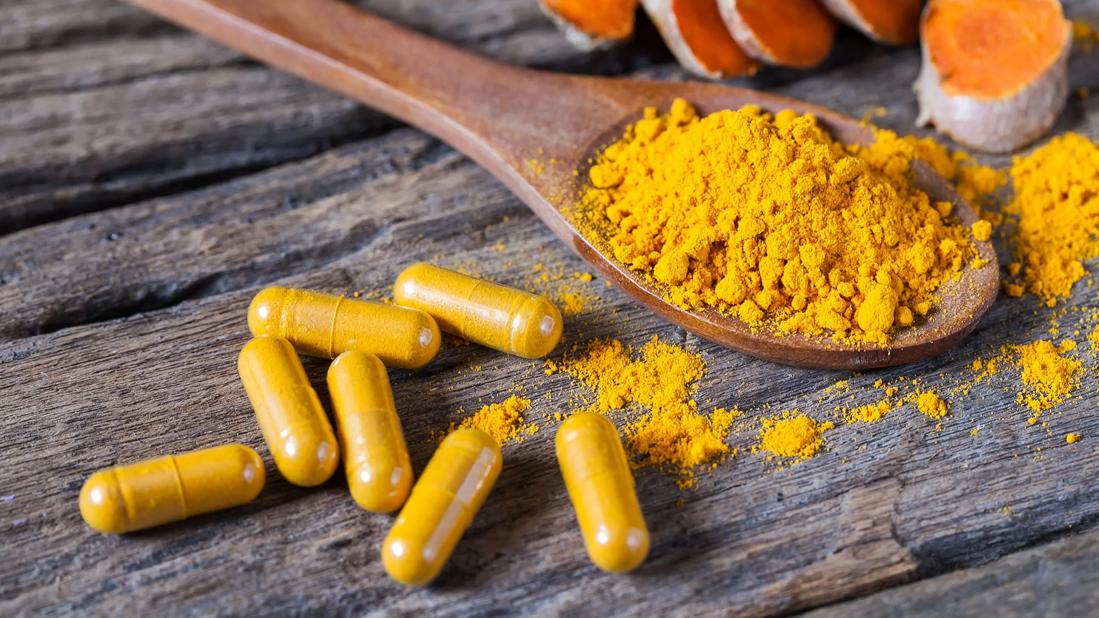
The difference between culinary turmeric and turmeric supplements matters. A teaspoon of turmeric powder contains many natural compounds, including a modest amount of curcumin. Supplements, however, may contain concentrated curcumin extract, sometimes combined with black pepper extract called piperine to improve absorption. That can make supplements strongerbut also more likely to cause unwanted effects.
How Turmeric Works in the Body
Curcumin is studied mainly for two reasons: it may help calm inflammatory pathways, and it may help protect cells from oxidative stress. Inflammation is part of the body’s normal defense system, but when it becomes chronic, it may contribute to joint discomfort, metabolic issues, cardiovascular strain, and other health concerns.
Antioxidants help neutralize free radicals, unstable molecules that can damage cells when they build up. Turmeric is not the only antioxidant-rich foodberries, leafy greens, beans, nuts, and olive oil also deserve applausebut it can be a flavorful addition to an anti-inflammatory eating pattern.
One challenge is that curcumin is not absorbed easily on its own. That is why turmeric is often paired with black pepper and healthy fats. For example, turmeric cooked with olive oil, avocado oil, coconut milk, eggs, lentils, or salmon may be more useful than turmeric stirred into plain water and asked to perform miracles.
Potential Health Benefits of Turmeric
1. May Help Reduce Inflammation
The most famous turmeric benefit is inflammation support. Curcumin has been studied for its ability to influence inflammatory signals in the body. This does not mean turmeric “cures inflammation,” because inflammation is not one single switch you turn off like a lamp. It is a complex immune process.
Still, adding turmeric to meals may support an overall anti-inflammatory lifestyle, especially when combined with vegetables, whole grains, fish, legumes, nuts, regular movement, quality sleep, and stress management. A turmeric latte is nice; a turmeric latte plus seven hours of sleep is better. The spice can help, but it does not want to carry the whole wellness team by itself.
2. May Support Joint Comfort
Turmeric and curcumin are often discussed for osteoarthritis, especially knee discomfort. Some studies suggest curcumin extracts may help reduce pain and improve function in certain people with arthritis symptoms. This is one reason curcumin capsules have become popular among adults looking for non-prescription joint support.
However, expectations should stay realistic. Cooking with turmeric may support a healthy diet, but the amount of curcumin in food is usually much lower than the amount used in supplement studies. If someone is considering turmeric supplements for joint pain, it is smart to talk with a healthcare professional, especially if they already take blood thinners, anti-inflammatory drugs, diabetes medications, or liver-affecting medicines.
3. Provides Antioxidant Support
Oxidative stress happens when free radicals outnumber the body’s antioxidant defenses. Over time, oxidative stress may play a role in aging and chronic disease risk. Curcumin has antioxidant properties and may support the body’s natural defense systems.
For everyday eating, turmeric works well in soups, curries, roasted vegetables, scrambled eggs, rice dishes, salad dressings, and marinades. It is especially friendly with ginger, garlic, lemon, cumin, cinnamon, black pepper, and chili. That makes it easy to add flavor without leaning heavily on sugar, heavy sauces, or excess salt.
4. May Support Heart Health
Turmeric may support heart health indirectly through its anti-inflammatory and antioxidant effects. Some research has explored curcumin’s possible role in blood vessel function, triglycerides, cholesterol markers, and oxidative stress. But turmeric should not be treated as a replacement for proven heart-health strategies.
If heart health is the goal, the foundation still looks familiar: do not smoke, move regularly, manage blood pressure, choose fiber-rich foods, limit ultra-processed foods, maintain a healthy weight, and follow medical advice. Turmeric can be a flavorful sidekick. It is not a cardiologist in powder form.
5. May Help Digestion for Some People
Some people enjoy turmeric tea or turmeric-seasoned meals because they feel it supports digestion. Curcumin has been studied in digestive comfort, and turmeric has a long history of use in food traditions that pair it with ginger, cumin, fennel, and other digestion-friendly spices.
But turmeric can be a digestive troublemaker for others, especially in high doses. Possible side effects include nausea, acid reflux, stomach upset, diarrhea, or constipation. People with gallbladder disease, bile duct problems, ulcers, or significant reflux should be especially careful with concentrated turmeric products.
6. May Support Brain and Mood Research Areas
Curcumin has attracted research interest for brain health, memory, and mood because inflammation and oxidative stress may affect the nervous system. Some early studies are promising, but the evidence is still developing. Turmeric should never replace mental health care, antidepressants, therapy, or treatment plans recommended by professionals.
That said, using turmeric in a nutrient-rich diet may fit nicely into a brain-supportive lifestyle. Think Mediterranean-style meals, colorful plants, omega-3-rich foods, movement, social connection, and enough sleep. Sadly, turmeric cannot make doomscrolling at 1:00 a.m. a brain-health strategy.
Turmeric Side Effects: What to Watch For
Digestive Upset
The most common turmeric side effects are digestive. Large doses may cause nausea, bloating, diarrhea, constipation, stomach cramps, or reflux. This is more likely with supplements than with food amounts. If turmeric makes your stomach complain louder than a smoke alarm, reduce the amount or stop using it.
Bleeding Risk
Turmeric may have mild blood-thinning effects, especially in high doses or supplement form. People taking anticoagulants or antiplatelet medications, such as warfarin, apixaban, rivaroxaban, clopidogrel, or daily aspirin, should speak with a clinician before taking turmeric or curcumin supplements. The same caution applies before surgery or dental procedures.
Liver Concerns
Most people tolerate turmeric in food well, but rare liver injury has been reported with turmeric and curcumin supplements. The risk may be higher with high-dose products, enhanced-absorption formulas, or products combined with piperine. Warning signs can include yellowing of the skin or eyes, dark urine, unusual fatigue, nausea, itching, or pain in the upper right abdomen. Those symptoms deserve medical attention.
Gallbladder Problems
Turmeric may stimulate gallbladder contraction. That can be a problem for people with gallstones, bile duct obstruction, or gallbladder disease. If you have a history of gallbladder trouble, do not start high-dose turmeric supplements without medical guidance.
Medication Interactions
Turmeric supplements may interact with blood thinners, diabetes medications, acid-reducing drugs, certain chemotherapy agents, immunosuppressants, and medications that can affect the liver. Interactions are not always predictable because supplement strength, formulation, and absorption vary widely.
Turmeric Powder vs. Curcumin Supplements
Turmeric powder is best thought of as a food ingredient. It adds color, flavor, and beneficial plant compounds. Curcumin supplements are more concentrated and should be treated with more caution.
Here is a simple comparison:
- Turmeric in food: Generally lower dose, easier to include safely, less likely to cause side effects.
- Turmeric tea or golden milk: Usually moderate, but recipes vary depending on powder amount and frequency.
- Curcumin capsules: Higher potency, may be useful for specific goals, but higher risk of interactions.
- Curcumin with piperine: Better absorption, but stronger effects may also mean stronger side effects for some people.
Quality also matters. Dietary supplements in the U.S. are regulated differently from prescription drugs. Manufacturers are responsible for product quality and labeling, but supplements are not approved for effectiveness before being sold. Choosing third-party tested products from reputable brands can reduce the risk of contamination or inaccurate labeling, although it cannot guarantee safety or results.
How to Use Turmeric Safely
Start with Food First
The safest way to enjoy turmeric is through meals. Add a small amount to soups, stews, rice, vegetables, eggs, smoothies, or marinades. A little goes a long way. Too much turmeric can taste bitter, dusty, and slightly like your dinner lost a fight with a spice cabinet.
Pair It with Black Pepper and Fat
Black pepper can improve curcumin absorption, while fat helps because curcumin is fat-soluble. Try turmeric with olive oil, avocado, coconut milk, yogurt, nuts, eggs, or fish. A practical example is roasted cauliflower tossed with olive oil, turmeric, black pepper, garlic, and lemon.
Be Careful with Supplements
If you choose a supplement, do not assume “more” means “better.” Follow the product label, avoid stacking multiple turmeric products, and ask a healthcare professional about safety if you take medication or have a medical condition. Stop using turmeric supplements and seek help if unusual symptoms appear.
Who Should Avoid or Limit Turmeric Supplements?
Food amounts of turmeric are usually fine for most people, but concentrated supplements may not be appropriate for everyone. Extra caution is important for people who:
- Take blood thinners or antiplatelet drugs
- Have bleeding disorders or upcoming surgery
- Have gallstones, bile duct obstruction, or gallbladder disease
- Have liver disease or a history of supplement-related liver injury
- Are pregnant or breastfeeding
- Take chemotherapy, immunosuppressants, diabetes drugs, or several prescription medications
- Have chronic reflux, ulcers, or sensitive digestion
When in doubt, use turmeric as a spice and ask a clinician before using capsules. That is not fearmongering; it is basic supplement common sense.
Practical Ways to Add Turmeric to Your Diet
Turmeric is easy to use once you stop treating it like a mysterious wellness artifact. Add it to chicken soup for color, lentil stew for warmth, roasted sweet potatoes for depth, or rice for a golden glow. Blend a pinch into a smoothie with banana, mango, Greek yogurt, and black pepper. Stir it into scrambled eggs, tofu, or a chickpea salad. Mix it with olive oil, lemon juice, garlic, and honey for a bright dressing.
Golden milk is another popular option. Warm milk or a plant-based alternative with turmeric, cinnamon, ginger, black pepper, and a little honey. It is cozy, colorful, and far cheaper than buying a tiny café cup with a name longer than the receipt.
Common Myths About Turmeric
Myth 1: Turmeric Works Instantly
Turmeric is not an instant painkiller. Any benefit usually comes from regular use over time, and results vary. If a product promises dramatic overnight transformation, your skepticism should put on running shoes.
Myth 2: Natural Means Safe
Natural products can still cause side effects. Poison ivy is natural. So are hurricanes. Turmeric is generally friendly in food, but concentrated supplements deserve respect.
Myth 3: Turmeric Can Replace Medicine
Turmeric should not replace prescribed medication for arthritis, heart disease, diabetes, depression, cancer, digestive disease, or any serious medical condition. It may support wellness, but it is not a substitute for diagnosis or treatment.
Experience-Based Notes: Living With Turmeric in Real Life
In everyday life, turmeric tends to work best when people stop treating it like a miracle cure and start treating it like a useful habit. The most realistic experience is not “I took turmeric once and became a new person.” It is more like, “I added turmeric to meals a few times a week, improved my overall diet, and noticed my meals became more flavorful and satisfying.” That may sound less dramatic, but it is also more believable.
For someone trying turmeric for joint comfort, a practical approach might begin in the kitchen. For example, they could add turmeric to lentil soup twice a week, use it in roasted vegetables, and drink golden milk in the evening instead of a sugary dessert. After several weeks, they might notice small improvements in stiffness, or they might notice nothing obvious. Either result is normal. Joint pain is influenced by movement, weight, sleep, inflammation, injury history, muscle strength, and medical conditions. Turmeric can be one piece of the puzzle, but it is not the whole puzzle box.
People with sensitive stomachs often learn quickly that turmeric has a personality. A pinch in soup may feel fine, while a strong supplement on an empty stomach may cause nausea or reflux. Taking turmeric with food is usually gentler. Some people also prefer using smaller amounts consistently rather than taking large doses occasionally. Your digestive system is allowed to vote, and sometimes it votes “absolutely not.”
Another real-world lesson is that turmeric stains everything with Olympic-level determination. Cutting boards, plastic containers, kitchen towels, and fingernails may all become golden. This is not a health risk, but it is a lifestyle warning. Use glass containers when possible, rinse spills quickly, and do not wear your favorite white hoodie while making turmeric paste unless you enjoy permanent abstract expressionism.
For supplement users, the experience should be more cautious. A person may buy curcumin capsules hoping for stronger results, especially for inflammation or arthritis discomfort. Before starting, they should check medication interactions, review the dose, and choose a third-party tested product. They should avoid combining multiple turmeric products, such as capsules plus gummies plus daily wellness shots, because the total intake can climb quickly. If symptoms like unusual fatigue, dark urine, yellow skin, severe stomach pain, or easy bruising appear, the supplement should be stopped and medical advice should be sought.
The best experience with turmeric is usually balanced and boring in the best possible way: add it to food, combine it with black pepper and healthy fat, keep expectations reasonable, and be careful with high-dose supplements. Wellness does not need to be extreme to be effective. Sometimes it looks like a warm bowl of turmeric lentil soup, a walk after dinner, and the wisdom to know that not every golden capsule deserves your trust.
Conclusion
Turmeric is a flavorful spice with promising health benefits, especially because curcumin may support inflammation balance, antioxidant defenses, joint comfort, and overall wellness. It fits beautifully into a healthy diet and can make simple meals taste warmer, brighter, and more interesting.
At the same time, turmeric side effects deserve attention. Food amounts are generally the safest choice, while concentrated curcumin supplements may cause digestive upset, interact with medications, increase bleeding risk, affect the gallbladder, or rarely contribute to liver injury. The smartest approach is simple: enjoy turmeric in meals, be cautious with capsules, and ask a healthcare professional if you take medication or have a medical condition.
Note: This article is for educational content only and should not be used as personal medical advice. Anyone with a health condition, pregnancy, upcoming surgery, or prescription medication use should consult a qualified healthcare professional before taking turmeric or curcumin supplements.