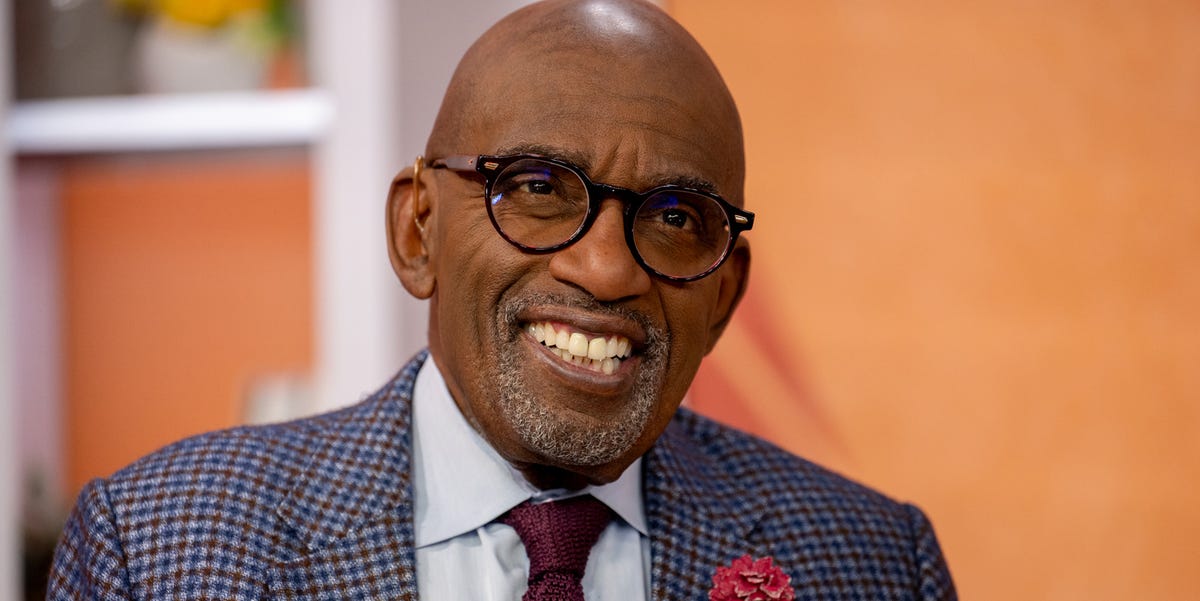
Al Roker has spent decades making wild weather, morning-show chaos, celebrity interviews, and parade-day confetti look easy. But after the beloved Today show weather anchor posted a quiet Instagram clip that showed him slowing down by the fireplace, fans did what loyal fans do best: they gently panicked, lovingly fussed, and filled the comments with reminders for him to rest.
The moment was not dramatic in the tabloid sense. There was no alarming announcement, no emergency reveal, no ominous “family asks for privacy” statement. Instead, Roker shared a cozy scene and a candid caption about needing downtime after a packed stretch that included major holiday events like the Macy’s Thanksgiving Day Parade and the Rockefeller Center Christmas tree lighting. In other words, America’s favorite weather guy basically said, “I am tired,” and the internet responded like a concerned aunt holding soup.
Fans urged Roker to “take care,” recharge, and put himself first. The reaction made sense. Roker is not just another TV personality; he is a familiar part of millions of morning routines. For many viewers, he is the cheerful person on screen while coffee brews, kids search for missing shoes, and the day begins its daily attempt to become a circus. So when he admits that aging has changed the way work affects his body, people listen.
Why Al Roker’s Instagram Clip Sparked So Much Concern
The Instagram clip that caught fans’ attention was simple: fireplace, calm atmosphere, and Roker acknowledging that the last couple of weeks had taken more out of him than similar stretches did when he was younger. He joked about his own “fyrefest,” a playful twist that made the post feel very Roker: honest, warm, and just self-deprecating enough to keep the mood from getting too heavy.
But underneath the humor was a message many people recognized immediately. At 70 when the post was shared, Roker was reflecting on a truth that sneaks up on nearly everyone eventually: the body keeps receipts. A schedule that once felt exciting can later feel like it came with a hidden service charge. Long workdays, early call times, live broadcasts, travel, cold weather, and public appearances do not become easier just because someone is good at them.
Fans were quick to encourage him to enjoy the quiet. Some praised him for modeling self-care. Others told him to recharge as long as needed. Several made the same basic point in different ways: you cannot keep pouring from an empty cup, even if that cup is wearing a signature pair of glasses and standing in Studio 1A.
Al Roker’s Health Journey Gives the Comments Extra Meaning
The strong fan reaction did not happen in a vacuum. Roker has been open about serious health experiences over the years, which is part of why viewers feel personally invested in his well-being. In 2020, he publicly revealed that he had been diagnosed with prostate cancer after routine testing showed warning signs. He underwent surgery and used the moment to raise awareness, particularly about prostate cancer risk and early detection among Black men.
In 2022, Roker was hospitalized after blood clots formed in his leg and traveled to his lungs. That health scare kept him away from Today and even caused him to miss the Macy’s Thanksgiving Day Parade for the first time in decades. His return to television became an emotional moment not only for colleagues but also for viewers who had missed his steady presence.
Those public chapters changed how people read even a peaceful post about rest. When Roker says he is tired, fans remember that he has been through more than a busy week. They remember the cancer diagnosis, the hospital stay, the recovery, and the way he has spoken frankly about walking, fitness, and making health a priority. The comments were not just “slow down because we like you.” They were closer to “slow down because we remember what you survived.”
The Beauty of Al Roker Being Honest About Aging
One reason the post resonated is that Roker did not pretend to be superhuman. Morning television often runs on sparkle, speed, and the illusion that everyone on camera woke up polished, cheerful, and fully charged by a mysterious battery known only to network anchors. Roker’s caption gently punctured that illusion.
He admitted that what he could do at 50 or 60 feels different at 70. That kind of honesty is refreshing because it does not frame aging as failure. It frames aging as information. The body speaks; wisdom means listening before it starts yelling in all caps.
Roker’s message also lands because it is not gloomy. He made clear that he still loves the work. That matters. The point was not, “I cannot do this anymore.” It was, “I still enjoy this, but I appreciate recovery more now.” That is a mature, healthy distinction. Loving your job does not cancel your need for rest. Being grateful for opportunities does not mean you must treat downtime like a character flaw.
Fans See Al Roker as More Than a TV Host
Al Roker has been part of the Today family for decades, and that long relationship creates a rare kind of viewer loyalty. He is not simply a person delivering weather updates. He is a morning companion, parade fixture, holiday presence, cookbook author, husband, father, grandfather, and public example of resilience.
That explains why a fireplace video could produce such an emotional response. Viewers have watched him laugh with co-hosts, report from harsh weather, celebrate personal milestones, and talk openly about medical challenges. He feels familiar without actually being known personally. That is the unusual magic of morning TV: a host can become part of a household’s rhythm without ever stepping inside the house.
When fans write “take care,” they are not trying to manage his life. They are expressing affection in the language of everyday concern. It is the digital version of handing someone a blanket, turning down the noise, and saying, “Please sit for a minute before you start organizing the garage.”
Deborah Roberts’ Support Added Warmth to the Moment
Roker’s wife, journalist Deborah Roberts, also responded supportively, expressing happiness that he was taking time to exhale and relax. Her comment added another layer to the public reaction because fans know Roberts has been by Roker’s side through demanding professional seasons and major health scares.
The couple’s relationship has long been admired for its warmth, humor, and honesty. They have shared family milestones, career celebrations, and difficult medical moments with grace. Seeing Roberts encourage Roker to slow down gave fans permission to celebrate the pause, too.
It also made the post feel less like a celebrity update and more like a universal household scene. One partner finally sits down. The other partner says, “Good. Stay there.” Somewhere, a fireplace does its best supporting-actor work.
What the Reaction Says About Modern Celebrity Wellness
Celebrity culture used to reward nonstop hustle. The star who worked constantly was praised as disciplined, driven, unstoppable. But audiences have become more aware that nonstop output has a cost. Today, when a public figure admits they need rest, many fans do not see weakness. They see wisdom.
Roker’s post fits into a broader shift in how people talk about health, aging, and work-life balance. The conversation is no longer only about dramatic transformations or intense fitness routines. It is also about recovery, sleep, walking, stretching, mental breaks, and knowing when the couch is not laziness but strategy.
That is especially true for older adults and long-career professionals. Roker has spoken often about walking and staying active, including his commitment to movement after health setbacks. But the fireplace clip highlighted the other side of wellness: rest. Fitness gets the applause, but recovery keeps the show running.
Al Roker’s Approach to Health Feels Practical, Not Preachy
Part of Roker’s appeal is that his health philosophy feels realistic. He is not selling the fantasy that everyone needs a perfect routine, a private chef, a home gym that looks like a luxury hotel, and a smoothie made from ingredients that sound like password suggestions.
Instead, his public approach has often centered on consistency. Walking. Getting steps in. Making time. Choosing health without pretending it is effortless. He has acknowledged setbacks and talked about the daily work required to maintain progress after major weight loss and health challenges.
That honesty makes his rest post more powerful. He is not someone who ignores health until something goes wrong. He is someone who works at wellness and still admits that busy seasons require recovery. That is a useful example because many people think self-care only counts if it looks impressive. Sometimes self-care looks like staying near the fireplace and resisting the urge to turn relaxation into a productivity contest.
Why “Take Care of Yourself” Hit a Nerve
The phrase “take care of yourself” is simple, but it carries weight. It can mean sleep more. Eat something nourishing. Call the doctor. Step away from work. Let people help. Stop pretending everything is fine because the calendar looks important. For Roker’s fans, it likely meant all of the above.
The comments also reflected something many readers understand personally. It is easy to encourage someone else to rest and much harder to apply the same advice to yourself. People saw Roker’s post and recognized their own tendency to push through exhaustion, especially during the holidays. There are meals to cook, gifts to wrap, emails to answer, relatives to host, and approximately 47 mysterious errands that appear out of nowhere in December.
Roker’s candid caption gave people a public example of stopping before burnout takes the wheel. That may be why the reaction felt so affectionate. Fans were not only responding to him; they were responding to a message they needed, too.
The Holiday Season Can Be Exhausting, Even When It Is Joyful
The timing of the clip matters. Holiday programming is a major part of Roker’s public identity. He has long been associated with Thanksgiving morning, parade coverage, and festive events that look cheerful on television but require serious stamina behind the scenes.
Live television does not care whether the weather is unpleasant, the schedule is brutal, or the host would rather be under a blanket. The show starts when the show starts. That pressure is part of the job, and Roker has handled it with professionalism for years. Still, even joyful work can be tiring. A dream job is still a job. A beloved tradition still requires energy.
By saying that he appreciated downtime more now, Roker gave language to a common holiday truth: celebration and exhaustion often arrive in the same sleigh. You can love the season and still need a nap afterward. In fact, that may be the most American holiday tradition of all.
Experiences Related to Al Roker’s “Take Care” Moment
There is a reason this story feels bigger than one Instagram clip. Many people have had a version of the Al Roker fireplace moment in their own lives. Maybe it happens after a long work project, when the laptop finally closes and the silence feels almost suspicious. Maybe it comes after hosting family for the holidays, when the last guest leaves and you discover that your living room has survived but your energy has filed a resignation letter. Or maybe it happens after years of saying “I’m fine” until your body politely, then rudely, informs you that “fine” is no longer an acceptable maintenance plan.
The experience is familiar: you sit down, intending to rest for five minutes, and suddenly realize how tired you really are. That is the tricky thing about momentum. When life is moving fast, adrenaline can disguise exhaustion. You keep checking boxes, answering messages, attending events, making plans, and telling yourself that a break is coming. Then the break finally arrives, and your body acts like it has been waiting at customer service with a numbered ticket.
Roker’s post captured that moment beautifully because it did not dramatize rest. It normalized it. He did not announce a grand reinvention. He simply acknowledged that a demanding stretch took more out of him than it used to, and he allowed himself to enjoy downtime. That is a useful reminder for anyone who equates slowing down with falling behind. Rest is not the enemy of ambition. It is part of the equipment.
There is also a lesson in the way fans responded. Their concern was tender, not scolding. They did not say, “How dare you work so much?” They said, in many different ways, “We care about you, and we want you well.” That kind of encouragement matters. In everyday life, people often need permission to pause. A spouse, friend, coworker, child, or even a comment section can become the voice that says, “You have done enough for today.”
For people in their 40s, 50s, 60s, 70s, and beyond, the story carries another practical truth: aging does not mean stepping away from everything you love. It may simply mean changing the rhythm. You can still work, travel, create, lead, celebrate, and show up. But recovery may need a bigger seat at the table. The old pace may require new boundaries. The schedule may need more white space. The body may need stretching, walking, sleep, hydration, and fewer heroic attempts to do twelve things before lunch.
That is not defeat. That is maintenance with better lighting. Al Roker’s fireplace clip became memorable because it showed a public figure choosing exactly what many private people need: warmth, quiet, reflection, and a little grace. The fans begging him to “take care” were really cheering for a healthier definition of success. Not the kind where you never stop, but the kind where you know when to stop, breathe, and let the fire do the dramatic work for once.
Conclusion: Al Roker’s Quiet Clip Became a Loud Reminder
Al Roker’s Instagram clip may have been cozy and simple, but the response revealed how deeply fans care about him. After years of watching him handle major broadcasts, health challenges, career milestones, and family moments with humor and honesty, viewers were ready to remind him of something he has often encouraged in others: health comes first.
The best part of the story is that it was not rooted in crisis. It was rooted in awareness. Roker recognized that a demanding holiday stretch affected him differently at 70 than it might have years earlier. Fans recognized the wisdom in that admission. Deborah Roberts applauded the pause. And the internet, for once, used its powers for good by telling someone beloved to sit down, warm up, and recharge.
In a culture that often celebrates being busy until the wheels wobble, Roker’s post offered a better forecast: partly cloudy with a strong chance of rest. And honestly, that is a weather report many of us could use.
Note: This article is based on publicly reported information and public social media reactions. It is intended for entertainment and general wellness discussion, not medical advice.