A tire rim water hose holder is one of those backyard ideas that makes you pause, squint, and say, “Wait… why does that actually look cool?” It takes an old wheel rimthe kind that might otherwise sit in a garage corner collecting dust and judgmentand turns it into a practical, rugged, surprisingly stylish garden hose holder. For homeowners who like DIY projects, upcycled outdoor decor, and saving a few dollars without making the yard look like a junkyard audition tape, this project hits a very sweet spot.
At its simplest, a tire rim water hose holder is a cleaned, painted, and mounted car or truck wheel rim used to coil a garden hose. The round shape naturally supports the hose, the metal construction handles outdoor conditions well when properly painted, and the finished look can be rustic, industrial, farmhouse, automotive, modern, or “my spouse doubted this project and now owes me an apology.”
But the best part is not just the look. A good hose holder keeps your garden hose off the lawn, reduces kinks, prevents tripping hazards, protects the hose from unnecessary wear, and makes watering less annoying. Anyone who has wrestled a tangled hose in July heat knows that a tidy coil can feel like a small act of civilization.
What Is a Tire Rim Water Hose Holder?
A tire rim water hose holder is a DIY hose storage solution made from a vehicle wheel rim, usually without the rubber tire attached. The rim is mounted to a wall, fence post, wooden post, metal stake system, or freestanding frame. Once installed, the water hose is wrapped around the rim by hand, much like it would be stored on a wall-mounted hose hanger.
The design works because a rim already has the right geometry. It is round, sturdy, and wide enough to support loops of hose without sharply folding them. A typical passenger-car rim can hold a standard lightweight garden hose, while a larger truck rim may handle a longer or heavier hose. The center opening and lug holes also make the rim easier to bolt, mount, or creatively attach to a support structure.
Why Use a Wheel Rim Instead of Buying a Hose Reel?
Commercial hose reels are convenient, especially retractable and crank-style models. However, a wheel rim hose holder has its own personality. It is inexpensive if you already have an old rim, durable if properly prepared, and visually interesting in a way plastic hose boxes rarely are. It also fits perfectly in gardens with rustic landscaping, garage-side utility areas, farmhouse patios, workshops, barns, and homes where the owner knows the difference between a socket wrench and “that twisty metal thing.”
It is not a retractable reel, so you still coil the hose manually. But for many yards, that is not a drawback. A simple holder has fewer moving parts, less to break, and no crank mechanism to jam. If you choose the right mounting location and coil the hose neatly, it can be just as useful as many store-bought holders.
Benefits of a Tire Rim Water Hose Holder
1. It Keeps the Hose Neat and Ready
A loose hose stretched across the yard looks messy and can become a tripping hazard. Coiling it around a tire rim keeps it controlled, visible, and easy to grab. This is especially helpful near vegetable beds, side yards, driveways, patios, and outdoor wash stations.
2. It Reduces Kinks and Hose Damage
Garden hoses last longer when they are not twisted, crushed, or folded into sharp bends. The rounded shape of a rim encourages broad loops, which helps reduce stress on the hose. A neat coil also makes it easier to drain the hose before winter storage or before a cold snap.
3. It Gives Old Materials a Second Life
Upcycling a rim is a smart way to reuse a durable material. Scrap tires and neglected tire piles can create environmental and health concerns, especially when they collect standing water. Using the wheel rim onlyand making sure the project drains properlyturns a forgotten automotive part into a useful garden accessory.
4. It Adds Character to Outdoor Decor
Most hose holders are designed to disappear. A rim holder can become a feature. Paint it matte black for an industrial look, soft green to blend into the garden, bright red for a vintage garage vibe, or bronze for a warm farmhouse finish. Add a decorative center cap, mount it on a stained post, or pair it with climbing plants nearby for a more polished look.
Choosing the Right Rim for the Project
Not every rim is ideal. Before turning a wheel into a water hose holder, inspect it carefully. Look for cracks, sharp edges, severe corrosion, or bent areas that could scrape the hose or make mounting difficult. A little surface rust is manageable. Structural damage is not charming; it is just trouble wearing patina.
Steel Rim vs. Aluminum Rim
A steel rim is usually heavier, cheaper, and easier to find. It has a rugged look and can be painted beautifully, but it needs good rust prevention. An aluminum alloy rim is lighter and often more decorative, making it a great choice for a visible patio or garage wall. Aluminum does not rust like steel, but it can corrode and still needs cleaning and proper surface preparation before painting.
Best Size for a Garden Hose
For a standard 50-foot hose, most passenger-car rims are large enough. For a 75- to 100-foot hose, choose a larger rim or mount the rim with enough clearance so the hose can build outward as it coils. Heavy rubber hoses need stronger mounting than lightweight expandable hoses. A rim holder should never sag, wobble, or feel like it is negotiating with gravity.
Where to Install a Tire Rim Water Hose Holder
Location matters more than people think. The best spot is close to the outdoor spigot, easy to reach, and positioned so the hose can pull out without dragging through flowerbeds or around delicate plants. A side wall near the faucet, a sturdy fence post, a 4×4 wooden post set in concrete, or a garage exterior wall can all work well.
Install the holder at a comfortable height. Too low, and you will crouch every time you coil the hose. Too high, and lifting a wet hose becomes a shoulder workout nobody requested. For many homeowners, waist to chest height is practical, but the right height depends on the hose weight and who uses it most often.
Wall-Mounted Option
For a wall-mounted tire rim hose holder, fasten the rim into wall studs, masonry, or a structural supportnot just siding. Use heavy-duty lag screws, washers, and anchors rated for the combined weight of the rim and a wet hose. Remember: water adds weight, and a wet 100-foot hose can be surprisingly bossy.
Post-Mounted Option
A post-mounted version is ideal when the spigot is away from the house or when you do not want to drill into siding. Set a treated 4×4 post in concrete, allow it to cure, then bolt the rim securely to the post. This option works well near gardens, barns, workshops, and outdoor cleaning areas.
Freestanding Stake Option
Some DIYers attach a rim to metal stakes driven deep into the ground. This can work for light hoses, but stability is critical. Use sturdy stakes, secure the rim tightly with bolts or eye hooks, and test the holder before loading it with the full hose. If it wobbles when empty, it will perform a dramatic garden faint when loaded.
How to Make a Tire Rim Water Hose Holder
Materials You May Need
- One clean steel or aluminum wheel rim
- Heavy-duty lag screws, bolts, washers, or eye hooks
- Wall anchors or masonry anchors if needed
- Drill and metal or masonry bits
- Wire brush, sandpaper, or sanding sponge
- Degreaser or dish soap
- Rust-inhibiting primer for steel rims
- Outdoor-rated spray paint or metal paint
- Clear coat, optional
- Work gloves and eye protection
Step 1: Remove the Tire and Clean the Rim
Use the rim only, not a whole tire. A full tire can collect water, attract mosquitoes, and look bulky on a wall. If the tire is still attached, have it removed safely by a tire shop. Once you have the bare rim, scrub it with soap, water, and a degreaser. Automotive parts often carry brake dust, grime, and old road residue, so do not skip this step unless you enjoy painting over mystery sludge.
Step 2: Smooth Sharp Edges
Run a gloved hand carefully around the rim to check for burrs or rough spots. Sand or file anything that might cut into the hose. The goal is a smooth surface that supports the hose without scraping it. If the rim has decorative openings, inspect those too.
Step 3: Remove Rust and Prep the Surface
For steel rims, remove loose rust with a wire brush, sandpaper, or abrasive pad. For aluminum rims, clean corrosion and scuff the surface lightly so primer and paint can bond. Good paint work begins with a dry, clean, sound surface. If you rush the prep, the paint will eventually peel, and the rim will look like it survived a shipwreck.
Step 4: Prime and Paint
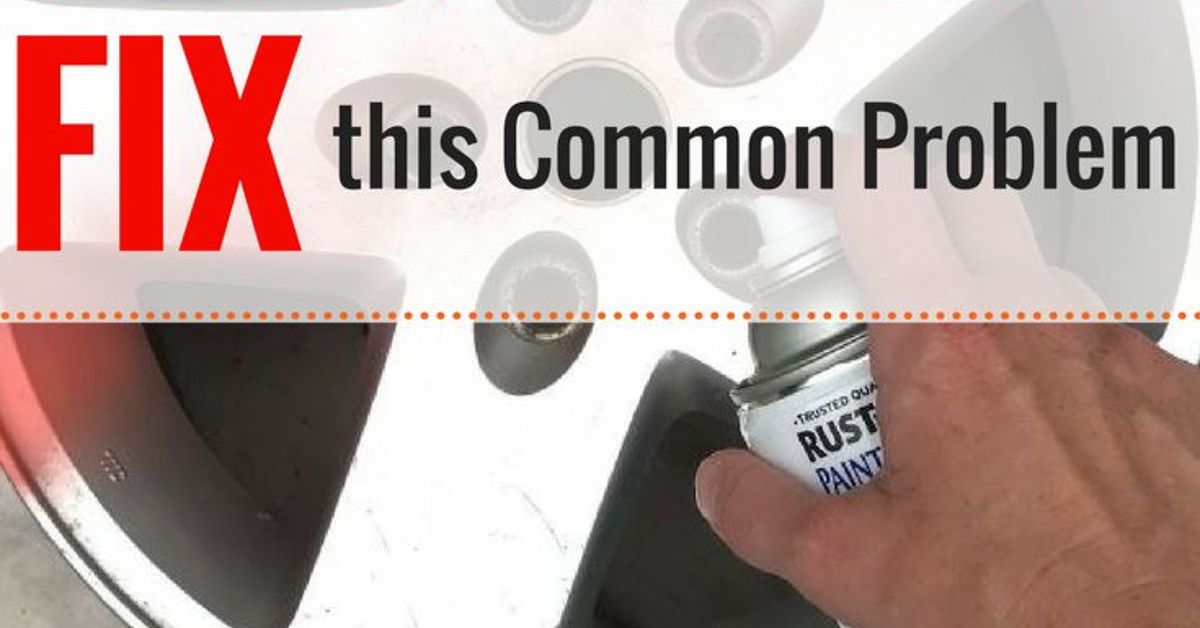
Apply a primer suited to the rim material. Steel benefits from a rust-inhibiting primer, while aluminum may need a bonding primer depending on the paint system. After the primer dries, apply several light coats of outdoor-rated paint rather than one thick, drippy coat. Let each coat dry according to the label directions. A clear topcoat can add extra protection and a smoother finish.
Step 5: Mount the Rim Securely
Hold the rim in place and mark the mounting points. The lug holes may work perfectly, but you can also drill mounting holes if needed. Use large washers to distribute pressure and prevent bolts from pulling through. If mounting to wood, use lag screws long enough to bite securely. If mounting to masonry, use appropriate masonry anchors. Test the rim by pulling downward before adding the hose.
Step 6: Coil the Hose Correctly
Attach the hose to the spigot, drain excess water when possible, then loop it around the rim in even circles. Avoid twisting the hose as you coil. If you notice the hose fighting back like a garden snake with opinions, straighten it out on the lawn first, then rewind it.
Design Ideas for a Better-Looking Hose Holder
Rustic Farmhouse
Use a steel rim painted matte black or oil-rubbed bronze. Mount it on a stained wooden post with a simple post cap. Add a small hook below for a spray nozzle. This style works beautifully near raised beds, gravel paths, or a barn-style shed.
Automotive Garage Style
Keep the rim’s original metallic look, polish it, and mount it near the garage or driveway. This is a fun option for car lovers. Bonus points if the rim came from a memorable vehicle and not from that one car everyone in the family agreed was “character-building.”
Colorful Garden Accent
Paint the rim a cheerful color such as red, turquoise, yellow, or sage green. A bright tire rim water hose holder can become a focal point near a cottage garden, potting bench, or kids’ play area. Just keep the color coordinated with nearby planters or outdoor furniture so it looks intentional.
Hidden Utility Look
If you prefer subtle storage, paint the rim to match the fence, siding, or garden shed. Place it behind a shrub border or near a potting bench where it remains accessible but not visually loud.
Safety, Drainage, and Maintenance Tips
The most important safety rule is simple: do not create a water trap. Any outdoor object that holds standing water can become a mosquito breeding site. Use a bare rim rather than a complete tire, mount it so water drains freely, and check it after rain. If the rim has pockets where water collects, drill small drainage holes in non-structural areas or adjust the angle.
Inspect the mounting hardware at least once a season. Outdoor vibration, hose weight, and temperature changes can loosen bolts over time. Tighten hardware when needed, touch up scratched paint, and remove rust early before it spreads.
Before winter, disconnect and drain the hose if you live in a freezing climate. Water left inside a hose can freeze, expand, and damage the hose. Store the hose indoors if possible, or at least drain it thoroughly and keep it protected. The rim itself can stay outdoors if it is painted and mounted securely, but the hose will usually last longer with seasonal care.
Common Mistakes to Avoid
Using a Rim With Sharp Rust
Surface rust can be fixed. Jagged corrosion can damage a hose. Smooth the rim thoroughly before use.
Mounting Into Weak Material
Siding alone is not enough. Use studs, masonry, a structural fence post, or a properly set wooden post. A mounted rim plus a wet hose needs real support.
Choosing the Wrong Hose
Expandable hoses may not need a heavy-duty rim holder and can sometimes be better stored in a pot or bag. Heavy rubber hoses need strong support and a wide coil radius. Match the holder to the hose you actually use.
Forgetting About Curb Appeal
A dirty rim bolted to a wall can look accidental. A cleaned, painted, thoughtfully placed rim looks like design. The difference is about two hours of prep and one can of paint.
Is a Tire Rim Water Hose Holder Worth It?
Yes, especially if you enjoy DIY projects and already have access to an old rim. It is durable, affordable, customizable, and practical. It may not offer the convenience of an automatic retractable hose reel, but it offers something those plastic boxes cannot: personality. In the right setting, it looks clever rather than cheap.
A tire rim water hose holder is best for homeowners who want a sturdy manual hose holder, like upcycled garden projects, and appreciate outdoor decor with a little grit. It is also a great weekend project because it does not require advanced carpentry or plumbing skills. Clean, prep, paint, mount, coil, admire. Then casually mention, at least twice, that you made it yourself.
Real-Life Experience: What It Is Like to Use a Tire Rim Water Hose Holder
The first thing you notice after installing a tire rim water hose holder is how much cleaner the yard feels. A hose that used to sprawl across the grass like it had given up on life suddenly has a home. The area around the spigot looks more organized, and watering becomes faster because you are not starting every garden session with a wrestling match.
In daily use, the best part is accessibility. With a standard wall hook, the hose sometimes piles unevenly or slips forward. A rim gives the hose a deeper circular form to rest on, so the coil feels more controlled. If the rim is wide enough, the hose sits naturally in the groove. Pulling the hose out is easy when the loops are neat, though you still need to guide it by hand. This is not a magic reel. It will not retract while you sip iced tea and supervise. But it does make manual coiling feel simpler.
A painted rim also holds up well visually. Matte black hides dirt, bronze looks warm near brick, and green blends nicely with fencing or shrubs. Bright colors can be fun, but they work best when the rest of the garden already has playful accents. Otherwise, a neon rim may look less like “creative upcycling” and more like “the garage exploded politely.”
The biggest lesson from using one is that mounting strength matters more than the rim itself. A small rim on a weak fence board is a bad idea. A heavy rim on a post set in concrete feels solid and dependable. When the hose is full of water, the weight increases quickly, especially with longer rubber hoses. Strong bolts, washers, and a real structural surface make the difference between a project you enjoy and a project that slowly leans like it has weekend plans elsewhere.
Another practical detail is hose length. A 50-foot hose is easy to manage on most rims. A 100-foot hose can work, but it needs more patience and a larger rim or more clearance. If the hose is too long for the holder, the coil becomes bulky and may slide forward. In that case, either upgrade the rim size or use a shorter hose for that spigot. Buying only the hose length you need also improves water flow and reduces clutter.
Maintenance is simple but necessary. After rain, check that water is not sitting inside rim pockets. If it is, adjust the angle or add drainage holes where they will not weaken the mount. Once or twice a year, wipe the rim clean and touch up paint chips. If you live in a cold region, drain and store the hose before freezing weather. The rim can stay outside, but the hose deserves better than becoming a frozen rubber pretzel.
The project also changes how people see “scrap.” An old wheel rim is easy to dismiss as clutter, but with cleaning and paint it becomes useful outdoor hardware. That is the charm of this idea. It is not fancy in the showroom sense. It is better than that: it is practical, personal, and a little unexpected. Guests may notice it, gardeners will understand it, and car people will nod at it with quiet respect.
Overall, a tire rim water hose holder works best when treated like a real outdoor fixture, not a temporary hack. Choose a good rim, prep the metal, paint it properly, mount it securely, and keep it drained. Do that, and you get a hose holder that is strong, affordable, and full of character. It proves that good garden organization does not always come from a catalog. Sometimes it comes from the garage, a drill, and the brave decision to look at an old rim and think, “You, my round metal friend, are not done yet.”
Conclusion
A tire rim water hose holder is a smart DIY project for anyone who wants better water hose storage without buying another ordinary plastic reel. It keeps the hose tidy, protects it from kinks, improves yard safety, and gives an old wheel rim a useful second life. With proper cleaning, rust prevention, drainage, and secure mounting, this upcycled hose holder can last for years while adding personality to your garden, garage, shed, or patio.
The key is to build it intentionally. Use the bare rim, not the full tire. Smooth rough edges. Paint it with outdoor-rated products. Mount it into something strong. Place it near the spigot at a comfortable height. Then coil the hose neatly after each use. Do those things, and your tire rim water hose holder will look less like a leftover car part and more like a clever piece of functional garden design.
Note: This article is based on practical DIY hose storage guidance, outdoor metal preparation methods, garden hose care recommendations, upcycling concepts, and public-health guidance about avoiding standing water in tires and outdoor containers.