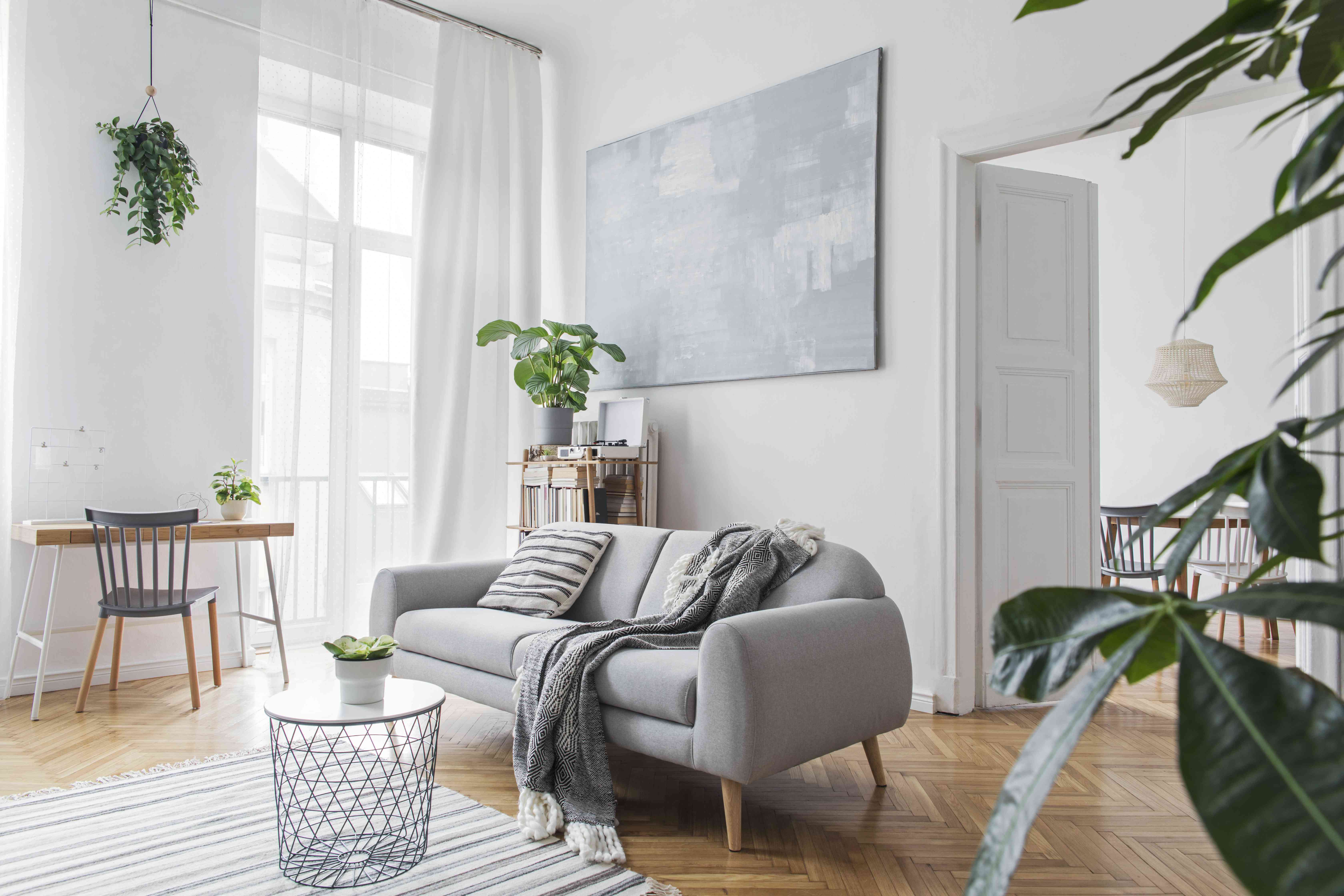
A good rug does more than prevent your feet from receiving a surprise wake-up call from a cold floor. It sets the mood, softens the edges of a room, and quietly tells visitors, “Yes, this house is meant to be lived in.” The newest Magnolia Home by Joanna Gaines x Loloi rug line leans into that idea with an approachable mix of warm texture, familiar patterns, and classic materials that feel polished without looking overly precious.
The collection builds on Joanna Gaines’ signature style: relaxed, layered, practical, and just rustic enough to suggest there may be fresh bread cooling somewhere nearby. Rather than chasing one fleeting trend, the rugs reinterpret staples such as jute, plaid, vintage-inspired motifs, and tonal solids. The result is a group of designs that can work in a farmhouse kitchen, a modern apartment, a cottage-style bedroom, or a living room that is still recovering from a beige-only era.
Featuring the Abigail, Betty, Junie, Louie, and Ruth collections, this Magnolia Home x Loloi launch proves that cozy does not have to mean cluttered. It can mean grounded color, touchable texture, and a room that looks better after people actually sit in it.
Why the Magnolia Home x Loloi Rug Collection Feels So Livable
Many rug collections fall into one of two traps. They are either so delicate that you feel guilty walking across them in socks, or so practical that they resemble office carpeting with a marketing budget. Magnolia Home by Joanna Gaines x Loloi aims for the middle ground: visually inviting rugs with enough personality to anchor a room and enough practicality to belong in everyday spaces.
The foundation of the collection is its use of classic design language. You will find muted vintage motifs, simple plaids, subtle tonal variation, natural fibers, and quiet borders. These are not loud, look-at-me rugs that demand a room be redecorated around them. Instead, they work like a dependable supporting actor: memorable, helpful, and rarely responsible for a bad ending.
The designs also reflect a larger shift in home decor. People increasingly want spaces that feel finished but not formal. That means choosing pieces with texture, softness, and durability rather than filling every corner with decorative objects. A rug can accomplish a surprising amount of design work in one move: it defines a seating area, adds visual warmth, introduces color, and makes a room feel intentional before you have even hung the artwork.
A Closer Look at the Five New Rug Collections
Abigail: Quiet Pattern for Rooms That Need Depth
The Abigail collection is designed for homeowners who like traditional motifs but do not necessarily want a full-on palace foyer. These hand-knotted wool-and-cotton rugs use tonal palettes and softly shifting pattern details to create movement without visual chaos.
Abigail styles are especially useful in rooms with plenty of solid surfaces, such as a living room with a linen sofa, a wood coffee table, and neutral walls. The subtle pattern can keep the room from feeling flat while allowing other finishes, including lighting, artwork, and upholstery, to remain the stars.
Think of Abigail as the interior-design equivalent of a well-cut blazer. It has structure, it has texture, and it works harder than it initially appears to.
Betty: A Sweater-Like Take on Texture
The Betty collection brings softness to the floor through hand-woven construction and a tactile mix of wool, cotton, and polyester. Its appeal is less about elaborate ornament and more about the feeling created by texture. In a room with smooth leather, painted cabinetry, glass, or metal, Betty can provide the missing layer that makes the space feel inviting.
This is the sort of rug that works well in a bedroom, reading nook, or relaxed living room. It can soften sharper furniture silhouettes and balance modern decor without making the room look like it was decorated by a committee of throw pillows.
Betty also shows why material matters. Texture changes the way a room feels even when the color palette remains simple. A creamy rug with visible weaving, raised pattern, or subtle contrast can add more warmth than another beige wall accessory ever could.
Junie: Vintage Character Without the Antique-Store Anxiety
The Junie collection delivers a vintage-inspired look in muted colors, including grounded shades that feel easy to pair with existing furniture. Its power-loomed polyester construction gives it an approachable, low-maintenance appeal, particularly for households that want the charm of an old rug without the stress of treating it like a museum artifact.
Junie is a strong choice for hallways, kitchens, entryways, and casual dining spaces. The weathered-looking patterns help disguise the little evidence of daily life: crumbs, pet hair, shoe traffic, and whatever mystery substance arrived home on a child’s backpack.
Because the collection is designed to be shed-free, it also works well for homeowners who want a softer vintage look without adding another item to the weekly vacuuming drama. The effect is relaxed and collected, as though the rug has been part of the home for years, even when it arrived in a shipping box last Tuesday.
Louie: Classic Jute Gets a Cozy Plaid Upgrade
Jute rugs are longtime favorites for good reason. They bring organic texture, work with many color schemes, and make a room feel less polished in the best possible way. The Louie collection updates that familiar staple with plaid-inspired designs, natural tones, and tasseled edges.
Louie rugs are particularly useful in high-traffic areas where a natural, grounded look makes sense. Try one in an entryway layered beneath a smaller patterned rug, under a dining table, or in a den where darker wood and leather furniture need a softer companion.
The plaid detail makes Louie more decorative than a plain jute rug while preserving its versatility. It gives a subtle nod to heritage style without turning the entire room into a flannel shirt. That balance is part of the collection’s charm: it feels familiar, but it is not boring.
Ruth: The Case for a Better Neutral
The Ruth collection proves that a solid rug does not need to be plain. These hand-knotted designs use a blend of fibers and understated patterning to add depth to neutral spaces. The colors feel calm, but the surface has enough variation to avoid the dreaded “hotel lobby carpet” effect.
Ruth works beautifully in open-concept homes, where a rug often has to organize a large room without creating too much visual noise. A softly textured solid can define a seating area while letting statement furniture, patterned drapes, or colorful artwork take center stage.
For anyone who has ever said, “I want something neutral, but not sad,” Ruth offers a convincing answer.
How Joanna Gaines Uses Classic Staples Without Making Them Feel Dated
The strength of this Magnolia Home x Loloi rug line is not that it invents entirely new design categories. It does something more useful: it updates familiar elements through color, scale, and texture.
Jute becomes more interesting with plaid. Vintage motifs become easier to use when their colors are softened. Solid rugs gain personality through woven variation. Traditional patterns become less formal when paired with casual materials and approachable color palettes.
This is a smart strategy for homeowners because classic components usually have a longer decorating lifespan. A trendy rug may look exciting for one season, but a well-made design with a grounded palette can adapt as furniture, paint colors, and personal taste change over time.
That is especially important for investment pieces. A rug is not a tiny candleholder that can be replaced after a few months of regret. It covers a meaningful amount of floor space, affects the atmosphere of the entire room, and tends to make every other design choice look either more coordinated or more chaotic.
Ways to Style Magnolia Home x Loloi Rugs in Real Rooms
Use a Natural Rug as the Starting Point
Start with a textured neutral such as a jute-inspired or softly woven design, then add color through pillows, artwork, curtains, and plants. This approach makes decorating easier because you can change smaller accessories without replacing the rug whenever your favorite color shifts from olive green to rust to “whatever this moody blue is called.”
Let a Vintage-Inspired Rug Add History
In a newer home, a faded-looking Junie or Abigail rug can introduce visual character. Pair it with clean-lined furniture, natural wood, and simple lighting. The contrast between old-world pattern and modern shape keeps the room from feeling too themed.
Define Open Spaces With Borders and Solids
Bordered or tonal rugs work particularly well in open-concept living areas. They can establish separate zones for lounging, dining, and working without requiring a small forest of furniture to divide the room.
Layer for More Warmth
Layering a smaller patterned rug over a larger jute or flatwoven base can make a room feel more collected. The key is contrast: choose a simple base and a top rug with a more noticeable motif. Two competing patterns can make the floor look like it is trying to start an argument.
Choosing the Right Rug Material for Your Lifestyle
Before falling in love with a pattern, consider how the rug will live in your home. Wool rugs often offer softness, resilience, and rich texture, but they may require more thoughtful care. Jute provides natural texture and relaxed appeal, though it may not suit every spill-prone location. Polyester and other performance-oriented fibers can be helpful in busy homes because they are typically easier to clean and often work well in lower-pile constructions.
For households with children, pets, frequent guests, or an impressive ability to spill coffee during every major life event, easy-care construction matters. A washable or low-maintenance rug can make a room feel stylish without demanding a personal assistant.
Rug pads are worth considering, too. A pad can add cushioning, help a rug stay in place, reduce wear, and improve the overall feel underfoot. A beautiful rug that slides across the floor like it has somewhere urgent to be is not ideal for anyone.
Why This Collection Works Beyond Farmhouse Style
Joanna Gaines is often associated with modern farmhouse interiors, but this collection is more flexible than that label suggests. The colors and patterns can work in several decorating styles:
- Modern organic: Pair tonal rugs with oak furniture, boucle upholstery, and warm white walls.
- Classic traditional: Use vintage motifs with tailored seating, antique brass, and layered window treatments.
- Coastal casual: Choose soft denim, sand, or natural tones with woven lighting and pale woods.
- Eclectic vintage: Mix an aged-looking rug with collected art, sculptural furniture, and mismatched pillows.
- Soft minimalism: Use a textured solid or subtle border to add warmth without abandoning a clean look.
The common thread is restraint. The rugs provide character, but they leave room for the people and objects inside the house to tell the rest of the story.
What Makes the Magnolia Home x Loloi Line Worth Considering
The Magnolia Home by Joanna Gaines x Loloi rug collection succeeds because it understands what many homeowners want right now: comfort with polish, character without clutter, and classic design that does not feel stuck in the past.
The Abigail, Betty, Junie, Louie, and Ruth collections each approach coziness differently. Abigail introduces subtle heritage-inspired pattern. Betty adds touchable woven softness. Junie brings easy-care vintage charm. Louie refreshes jute with plaid and texture. Ruth proves that neutrals can still feel layered and memorable.
Together, they make a case for choosing rugs as foundational design pieces rather than last-minute accessories. The right rug can make a room look warmer, more finished, and more personal. It can also make a Tuesday night on the sofa feel slightly more luxurious, which is arguably one of interior design’s noblest goals.
A Room-by-Room Experience: How the Collection Changes the Feeling of a Home
Imagine entering a home where the rug is doing quiet but meaningful work. In the entryway, a Junie runner in a muted vintage pattern softens the transition from outdoors to indoors. Shoes come off, bags land somewhere nearby, and the hallway no longer feels like a simple passageway. It feels like the beginning of the home’s story.
Move into the living room, where a Ruth rug in a warm neutral tone sits beneath the front legs of a sofa and two chairs. The furniture suddenly feels connected instead of scattered. The room has a center of gravity. A wood coffee table looks richer, a linen sofa looks softer, and even the family dog appears to have made a very good real-estate decision.
In a dining room, a Louie rug brings natural texture beneath the table. Its plaid-inspired design adds interest without demanding attention from every chair and centerpiece. It feels casual enough for weekday meals but thoughtful enough for a holiday dinner. The jute texture gives the space a sense of warmth that glossy furniture alone cannot provide.
A bedroom benefits from a Betty rug placed beneath the lower two-thirds of the bed. The woven texture makes the first step out of bed feel less abrupt, especially during colder months. The room becomes softer without needing to add five extra blankets and a mountain of decorative cushions that must be removed every night.
In a reading corner, an Abigail rug offers a more decorative moment. Its tonal pattern works beneath a lounge chair, a side table, and a floor lamp, creating a small destination within a larger room. Even a modest corner can feel intentional when texture and pattern are allowed to do their job.
That is the broader experience this Magnolia Home x Loloi line creates. It is not about making every room look like a showroom. It is about using practical, beautiful textiles to make ordinary spaces feel more settled. The best rugs do not merely cover the floor. They create a softer landing place for everyday life.