Every now and then, the internet serves up a story so oddly specific that it feels written by a comedy room after too much coffee. In 2018, one such story involved Black Panther, Michael B. Jordan, a broken retainer, an orthodontist’s office, and a very serious question hiding behind the laughter: Was this a HIPAA problem?
The viral tale was simple enough. A young fan watched Michael B. Jordan as Erik Killmonger in Black Panther, reportedly clenched her teeth with such dramatic enthusiasm that her retainer broke, then visited her orthodontist’s office for help. Someone connected to the office shared the story online without naming her. The internet found it hilarious. The patient recognized herself. Michael B. Jordan eventually heard about it and offered to help replace the retainer. The story became a feel-good celebrity moment, a pop culture punchline, and a compliance lesson wearing a Marvel cape.
But behind the memes sits a serious issue for dentists, orthodontists, doctors, therapists, clinics, and every healthcare team with a social media account: patient privacy does not disappear just because a story is funny. HIPAA compliance is not only about locked file cabinets and encrypted portals. It is also about what a staff member posts after a long day, what a doctor says in a “harmless” anecdote, and whether a supposedly anonymous story can still point back to a real patient.
What Actually Happened in the Michael B. Jordan Retainer Story?
The broad facts are now internet folklore. During a viewing of Black Panther, a fan was so affected by a scene featuring Michael B. Jordan that she clenched her jaw hard enough to damage her retainer. The orthodontic mishap led to an emergency visit. The story then appeared online through a post associated with the orthodontist’s office, describing the broken retainer and the movie moment that allegedly caused it.
At first, the patient was not named. That matters, but it does not end the analysis. The post contained a very particular combination of details: a teen patient, a recent emergency orthodontic visit, a broken retainer, Black Panther, Michael B. Jordan, and the memorable reason for the break. Soon after the story spread, the patient identified herself publicly on Twitter, turning a nameless anecdote into a viral identity. Michael B. Jordan responded with humor and generosity, offering to replace the retainer if needed.
Most readers focused on the celebrity angle. Compliance professionals, however, saw a different headline blinking in neon: Can a healthcare provider or employee share a patient story online if the patient’s name is omitted?
Why HIPAA Entered the Chat
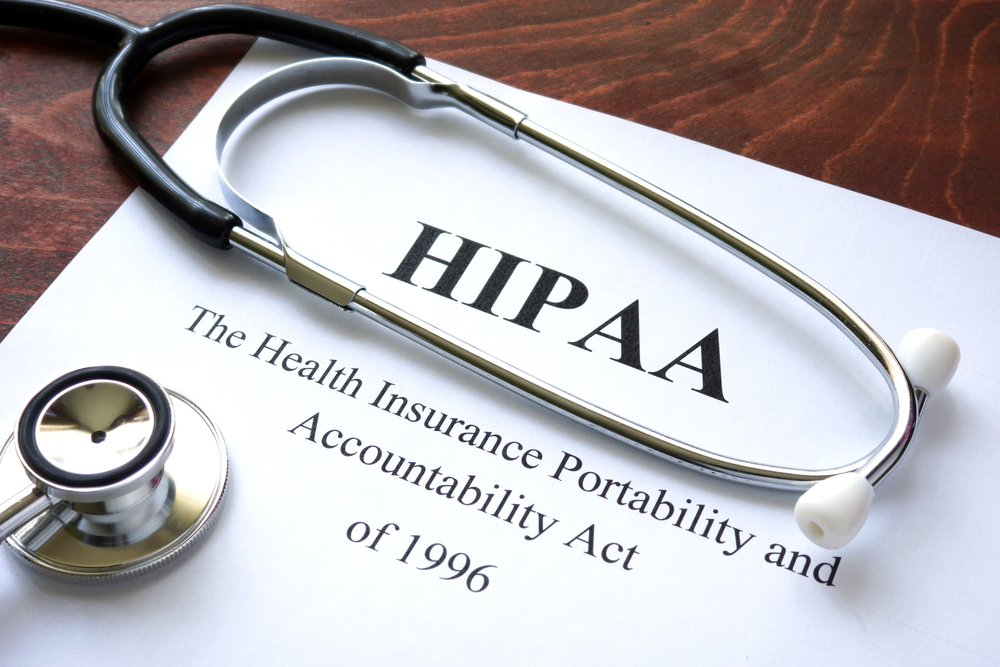
HIPAA, short for the Health Insurance Portability and Accountability Act, is often misunderstood as a magical privacy force field that applies to every awkward disclosure everywhere. It is not that broad. HIPAA applies mainly to covered entities, such as certain healthcare providers, health plans, and healthcare clearinghouses, along with their business associates. Many dental and orthodontic practices can be covered entities if they conduct covered electronic transactions.
The key HIPAA concept here is protected health information, usually called PHI. PHI includes individually identifiable health information held or transmitted by a covered entity or business associate. It can be written, spoken, electronic, photographed, posted, joked about, or accidentally dropped into a comment section like a compliance banana peel.
In plain English, health information becomes risky when it relates to someone’s care, condition, treatment, or payment and either identifies the person or creates a reasonable basis to identify them. A name is obvious. A face is obvious. But a unique story can also become identifying when the details are specific enough.
Was the Orthodontist Story a HIPAA Violation?
The honest answer is: the public facts do not allow a final legal ruling. That may be less dramatic than “Case closed!” but it is more accurate. A real HIPAA analysis would ask several questions.
1. Was the person who posted acting for a covered entity?
If the post came from a workforce member of a HIPAA-covered orthodontic practice, the Privacy Rule could apply. If it came from someone completely outside a covered entity, HIPAA might not apply, though other privacy, employment, or professional rules could still matter.
2. Did the post disclose health information?
A broken retainer and emergency orthodontic visit are connected to dental care. That places the anecdote much closer to health information than ordinary gossip. Orthodontic appliances, treatment visits, and dental repairs are not just lifestyle trivia; they are part of care.
3. Was the patient identifiable?
This is the tricky part. The post reportedly did not name the patient. However, HIPAA is not limited to names. If there is a reasonable basis to believe the information can identify the individual, the information may still be individually identifiable. The more unusual the story, the more careful a provider must be. “A patient broke a retainer” is vague. “A teen patient came in after breaking a retainer while watching a specific actor in a specific movie during a specific viral cultural moment” is much more searchable, recognizable, and shareable.
4. Was there patient authorization?
For public storytelling, marketing, testimonials, photos, or posts that disclose PHI, healthcare practices generally need proper written authorization. A patient laughing in the chair is not the same as signing a HIPAA-compliant authorization for a public post.
That is why the safest conclusion is this: even if the story was shared without malicious intent, it illustrates exactly how patient privacy can get complicated online. The problem is not only whether the internet laughs. The problem is whether the patient had control over the disclosure before the world joined the joke.
Why “Anonymous” Is Not Always Anonymous
Healthcare teams often assume that removing a name makes a story safe. That assumption is about as sturdy as a retainer in a Killmonger scene.
HIPAA recognizes de-identification, but proper de-identification is not casual. It is not “delete the name and post the juicy part.” Under HIPAA, de-identification can be achieved through a qualified expert determination or by removing specific identifiers under the Safe Harbor method while also having no actual knowledge that the remaining information could identify the person.
Online, context is an identifier’s best friend. A patient may recognize themselves. Their friends may recognize the timing. A local community may know who visited the office that week. A screenshot may travel far beyond the original audience. A private joke can become national content before lunch.
This is the central lesson of the Michael B. Jordan retainer story: anonymity is not a vibe. It is a standard. If a healthcare story is unusual enough to go viral, it may also be unusual enough to identify the patient.
How Social Media Changes the Risk for Healthcare Providers
Healthcare providers are people. They enjoy humor, storytelling, and the occasional internet moment. Dental and orthodontic teams also see genuinely funny things. Patients do strange things with retainers, brackets, aligners, floss, popcorn, and probably at least one object nobody should ever put near molars. But professional boundaries still apply.
Social media creates three special risks for medical and dental offices.
Speed
A post can be written in 20 seconds and preserved for years. A staff member may think they are sharing with a small group, but screenshots do not respect audience settings. Once a post leaves the office, the office no longer controls the spread.
Specificity
The funniest stories are usually the most specific. Unfortunately, the most specific stories are often the easiest to connect to real people. A vague training example is safer than a fresh anecdote from yesterday’s appointment.
Blurred Roles
A personal account can still create professional consequences. If a staff member is known to work at a practice and posts about “one of my patients,” the audience may connect the dots. HIPAA risk does not politely vanish because the post was made from a couch instead of the front desk.
Real Enforcement Shows This Is Not Just Theory
Healthcare privacy regulators have taken social media disclosures seriously. In one notable dental case, a practice paid a settlement after patient information was disclosed while responding to online reviews. The issue was not a celebrity retainer story, but the principle was similar: public platforms are not the place to reveal patient names, treatment details, insurance information, or anything else that confirms someone received care.
That matters because many practices think the biggest HIPAA risks involve hackers, lost laptops, or massive database breaches. Those risks are real, but everyday communication can also create exposure. A Yelp reply, Instagram caption, Facebook comment, TikTok story, or Tumblr post can cause trouble if it reveals patient information without authorization.
In other words, HIPAA compliance is not only an IT department issue. It is a culture issue. Everyone on the team needs to know that patient privacy follows the patient into every digital room.
What Healthcare Teams Should Learn From the Case
The Michael B. Jordan retainer incident is memorable because it is funny. That makes it useful. People forget boring compliance lectures. They remember the fan who broke orthodontic hardware over a Marvel villain with excellent screen presence.
Lesson 1: Do Not Post Patient Anecdotes Without Authorization
If the story came from patient care, treat it as confidential by default. Even if names are removed, ask whether the patient, family, friends, local community, or internet sleuths could identify the person. If the answer is “maybe,” do not post it.
Lesson 2: Train the Whole Team, Not Just the Doctor
Front desk staff, assistants, hygienists, interns, marketing coordinators, and contractors may all touch patient information. A privacy policy sitting in a binder is not enough. Training should include real examples, social media scenarios, and clear rules for personal accounts.
Lesson 3: Create a Social Media Approval Process
Healthcare practices can still use social media well. They can share oral hygiene tips, office updates, educational videos, holiday messages, and general wellness content. The key is to review posts before publishing and keep patient stories out unless proper authorization is documented.
Lesson 4: Respond to Reviews Without Confirming Patient Status
When someone leaves a review, the provider may naturally want to explain the situation. Resist the urge. A safe response might say, “We take feedback seriously and invite you to contact our office directly.” It should not say, “When you came in for your retainer repair after the Michael B. Jordan incident…” That sentence has left the compliance building.
Lesson 5: Humor Is Not a Privacy Exception
A post can be funny, true, affectionate, and still inappropriate. Good intentions do not automatically create HIPAA compliance. Privacy rules exist because patients deserve control over how their health information is shared, even when the story makes the internet giggle.
Why Patients Care About Control, Not Just Harm
Some people may ask, “What was the damage? The patient laughed. Michael B. Jordan was nice. The internet had fun.” That reaction is understandable, but it misses the deeper point.
Patient privacy is not only about preventing obvious harm. It is about dignity, trust, and control. A patient may be comfortable telling a story on their own terms but uncomfortable having a healthcare office introduce it first. The difference is consent. When the patient chooses to share, the story belongs to them. When a provider shares first, the patient is pulled into a public moment they did not request.
This distinction matters in every area of healthcare. A funny dental mishap may feel low-stakes. But the same casual attitude could carry over into more sensitive situations: mental health care, reproductive health, addiction treatment, chronic illness, cosmetic procedures, or financial hardship related to medical bills. A strong privacy culture protects the light stories and the heavy ones.
What Patients Can Do If Their Story Is Shared Online
If you believe a healthcare provider posted about you without permission, start by documenting the post. Take screenshots, save dates, and note where it appeared. Then contact the practice’s privacy officer or office manager and ask for the content to be removed. Many practices will act quickly, especially if the post was a mistake.
You can also ask for a copy of the practice’s Notice of Privacy Practices, which explains how the practice uses and discloses health information and how patients can raise concerns. If the issue appears serious, patients may file a complaint with the U.S. Department of Health and Human Services Office for Civil Rights.
Of course, not every uncomfortable online mention is automatically a HIPAA violation. The details matter. But patients are allowed to ask questions, request removal, and expect professionalism.
How to Share Healthcare Stories Safely
Healthcare storytelling can educate the public when done correctly. A dentist can explain why retainers break. An orthodontist can write about jaw clenching. A doctor can discuss privacy lessons from viral events. The safe route is to use fictionalized composites, general education, or fully authorized patient stories.
For example, a safe educational post might say: “Retainers can break when exposed to strong biting forces. If your retainer snaps, stop wearing it and contact your orthodontist.” That teaches the public without turning a patient into content.
A risky version would include a recent patient’s age, appointment timing, specific movie, specific actor, and the embarrassing reason for the break. That may be more entertaining, but in healthcare, entertainment does not outrank confidentiality.
Experience-Based Reflections: What This Case Feels Like in the Real World
Anyone who has worked around healthcare marketing, office communications, or patient education has seen how easily good intentions can drift into risky territory. A team member hears a memorable patient story and thinks, “This would make a great post.” The goal is not cruelty. Often, the goal is connection. People want to show that the office is warm, funny, and human. They want followers to laugh. They want patients to see personality instead of sterile stock photos of smiling people holding toothbrushes like tiny trophies.
The trouble is that healthcare is not like a coffee shop sharing a funny latte order. The relationship is built on confidentiality. Patients reveal things in healthcare settings because they believe the room is safe. They may joke with staff, confess embarrassing details, or explain a strange injury because they need help. That does not mean they have volunteered to become tomorrow’s content.
The Michael B. Jordan retainer story is a perfect training example because almost everyone can understand both sides. On one hand, the story is undeniably funny. It has a blockbuster movie, a charismatic actor, a dramatic physical reaction, and orthodontic equipment losing the battle. On the other hand, the patient originally learned that her private appointment story was traveling online. Even if she later embraced it, the first move was not hers. That is the privacy lesson.
In practice, the safest offices build a pause into their culture. Before posting, someone asks: Does this mention a patient? Could someone recognize the patient? Did we get written authorization? Is the educational value worth the risk? Could we make the same point with a fictional example? That pause may feel annoying in the moment, but it prevents the kind of digital mess that no office wants to explain later.
Another real-world lesson is that staff need examples, not just rules. Telling employees “Do not disclose PHI” is technically correct, but it can sound abstract. Show them scenarios: a patient review, a before-and-after photo, a celebrity-related anecdote, a funny emergency visit, a screenshot of a text exchange, a birthday post for a longtime patient. Then explain what is safe, what is not, and when written authorization is required. Compliance improves when people can recognize the gray areas before they click “post.”
There is also a reputation angle. Patients increasingly choose healthcare providers based on trust. A practice may think a viral joke makes it look relatable, but some prospective patients will see it differently. They may wonder, “If I tell this office something embarrassing, will I become a story too?” That question is costly. Trust takes years to build and one careless post to dent.
The best approach is not to make healthcare offices robotic. Patients appreciate personality. A dental office can be funny. An orthodontist can use memes. A clinic can celebrate pop culture. The boundary is simple: make the office the star of the content, not the patient’s private situation. Share staff pet photos, flossing myths, retainer care tips, behind-the-scenes decorating, or general explanations of common dental mishaps. Leave identifiable patient experiences out unless the patient has clearly and properly agreed.
In that sense, the case of HIPAA, an orthodontist, and Michael B. Jordan is more than an internet oddity. It is a reminder that the funniest story in the office may also be the one most deserving of silence. And if a superhero movie teaches a healthcare privacy lesson, well, that may be the most 21st-century compliance training ever created.
Conclusion
The viral Michael B. Jordan retainer story gave the internet a rare combination of celebrity charm, teenage embarrassment, and orthodontic chaos. But it also gave healthcare providers a lasting reminder: patient privacy applies even when the story is hilarious. HIPAA analysis depends on facts such as who posted, whether the practice was covered, whether the information was identifiable, and whether authorization existed. Still, the safest professional rule is clear. Do not turn patient care into public content without proper permission.
For orthodontists, dentists, physicians, and healthcare marketers, this case is a gift wrapped in a meme. It shows why anonymous is not always anonymous, why social media policies matter, and why every team member should understand that patient stories are not office property. Michael B. Jordan may be able to break the internet. Healthcare providers should not let him accidentally break their privacy program too.
Note: This article is for general educational and editorial purposes only. It is not legal advice. Healthcare organizations should consult qualified counsel or a HIPAA compliance professional for specific privacy questions.