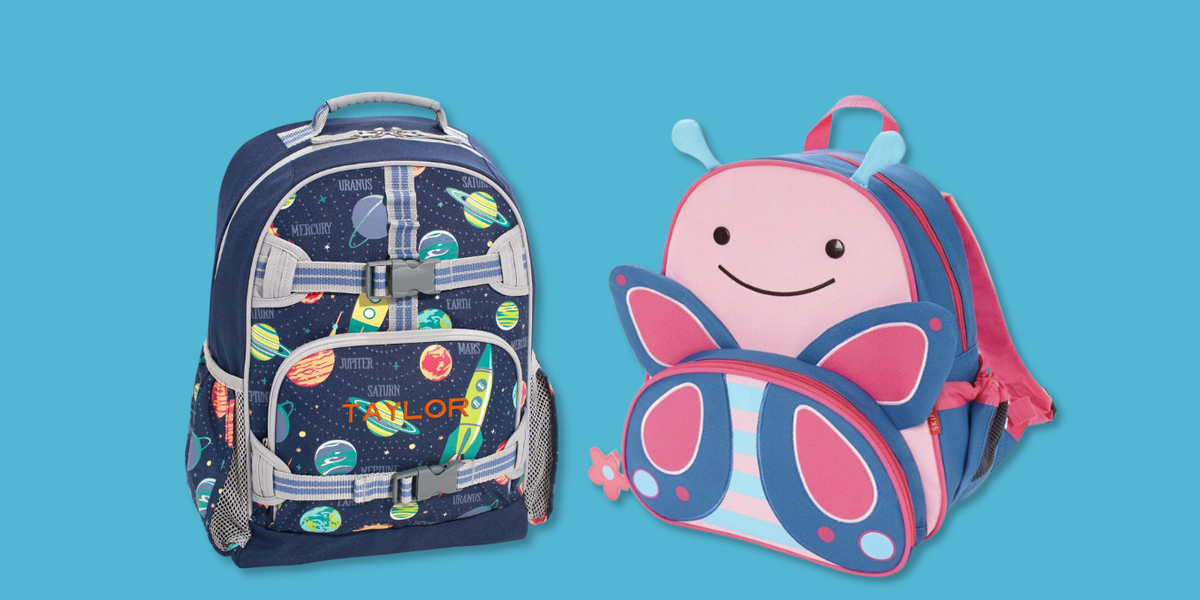
A toddler backpack has a deceptively difficult job. It must hold snacks, spare clothes, a water bottle, a tiny stuffed dinosaur, and at least three rocks that your child considers priceless. At the same time, it needs to fit a small body comfortably, survive playground landings, and open without requiring an engineering degree.
To identify the best toddler backpacks, we compared published hands-on testing from parent and child panels with current product specifications, sizing guidance, materials, organization, cleaning requirements, and everyday usability. The result is a practical shortlist for daycare, preschool, travel, and pint-size outdoor adventureswithout pretending that the backpack with the most pockets automatically wins.
Best overall: The Simple Modern Fletcher 12L offers the strongest balance of toddler-friendly fit, storage, comfort, durability, and easy-to-use organization. For younger children who need something simpler and smaller, the Skip Hop Zoo Little Kid Backpack is an excellent alternative.
Our Top Toddler Backpack Picks
| Backpack | Best For | Suggested Age or Size | Standout Feature |
|---|---|---|---|
| Simple Modern Fletcher 12L | Best overall | Ages 3–5 | Chest strap and excellent organization |
| Skip Hop Zoo Little Kid | Daycare and younger preschoolers | Age 3 and older; approximately 43–49 inches tall | Simple layout and playful designs |
| Patagonia Kids’ Refugito 12L | Outdoor adventures | Preschool and early elementary sizes | Trail-ready child-specific fit |
| Pottery Barn Kids Mackenzie Mini | Personalization | Ages 2–3; approximately 36–42 inches tall | Multiple pockets and name customization |
| Deuter Kikki 8 | Lightweight day trips | Young children with a 9.4–11.8-inch back length | Compact 8-liter outdoor design |
| STATE Kane Mini | Premium style | Ages 2–4 | Polished design and compact capacity |
| L.L.Bean Junior Original Book Pack | Growing preschoolers | Ages 4 and older | Durable 17-liter construction |
| Bentgo Kids 2-in-1 | Integrated lunch storage | Taller preschoolers and kindergarteners | Separate insulated food compartment |
How We Evaluated the Best Toddler Backpacks
Our rankings emphasize five qualities: proper fit, empty weight, carrying comfort, usable capacity, and ease of cleaning. We also considered whether a child could operate the zippers, whether bottle pockets actually held a practical bottle, and whether the bag remained stable while its wearer performed the classic toddler movement known as “running diagonally for no reason.”
Independent testers have similarly focused on comfort, capacity, materials, durability, and long-term family use. Published testing has highlighted the Simple Modern Fletcher and Bentgo Kids models for their comfortable fit and organization, while parent panels have praised appropriately sized Skip Hop designs for carrying preschool necessities without overwhelming a small child.
Fit Matters More Than Maximum Capacity
A toddler backpack should rest close to the child’s back rather than hanging near the hips. Its width should not extend far beyond the torso, and the shoulder straps should be adjustable enough to prevent sliding. A sternum strap can be particularly helpful because it keeps shoulder straps from drifting outward, although it should sit comfortably across the upper chest and should never be tightened enough to restrict breathing.
Keep the load modest. Pediatric guidance has historically recommended limiting children’s backpack weight to roughly 10% to 15% of body weight, with lighter loads preferable for very young children. Toddlers generally do not need to carry books, large toys, or a full day’s supply of family gear. Pack the bulky emergency inventory in the adult bag; let the toddler carry the crackers.
The Best Toddler Backpacks, Reviewed
1. Best Overall: Simple Modern Fletcher Kids’ Backpack, 12L
The 12-liter Simple Modern Fletcher hits a useful middle ground: spacious enough for a lunch box, folder, spare outfit, and light jacket, yet compact enough for many children ages 3 to 5. It includes a padded sleeve, front storage pockets, two expandable bottle sleeves, adjustable padded straps, a name tag, andmost importantly for slippery little shouldersa chest strap.
The organization is thoughtful without becoming fussy. A preschooler can understand where the bottle goes, where the lunch goes, and where the mysterious acorn collection absolutely does not go. Published family testing has praised the Fletcher’s compact proportions, easy-clean fabric, durable stitching, and shoulder straps that remain securely positioned.
Potential drawback: The 12-liter version may still look large on a very petite 3-year-old. Measure your child rather than relying only on the age recommendation. Some decorative finishes may also show wear after repeated spot cleaning.
2. Best for Daycare: Skip Hop Zoo Little Kid Toddler Backpack
The Skip Hop Zoo backpack succeeds because it does not try to be a miniature adult commuter bag. Its roomy main compartment, front zip pocket, adjustable bottle pocket, padded shoulder straps, and easy-to-recognize animal designs are well suited to daycare and preschool routines.
The bag measures approximately 11 by 5 by 12 inches and is recommended for children age 3 and older who are roughly 43 to 49 inches tall. That makes it a better fit for many preschoolers than oversized “kids” backpacks designed around folders, laptops, and elementary-school textbooks.
Potential drawback: It lacks the substantial structure and chest strap found on more technical models. Keep the contents light and use it for clothing, snacks, artwork, and comfort items rather than heavy supplies.
3. Best for Outdoor Adventures: Patagonia Kids’ Refugito Daypack 12L
The Patagonia Kids’ Refugito 12L is built more like a genuine daypack than a novelty preschool bag. It has child-specific proportions, trail-ready shoulder straps, a supportive back panel, and enough room for water, snacks, a small layer, and nature treasures that have received official toddler approval.
At approximately 13 by 10 by 5.5 inches and 12 ounces, it offers useful capacity without being excessively heavy. Its recycled materials and rugged construction also make it appealing for families who want one bag for park visits, short hikes, road trips, and preschool.
Potential drawback: Its outdoorsy organization is simpler than the compartment-heavy layout of a school-focused backpack. Families who want separate pockets for every crayon and permission slip may prefer the Fletcher.
4. Best Personalized Backpack: Pottery Barn Kids Mackenzie Mini
The Mackenzie Mini is a popular choice for families who want a child’s name embroidered on the bagor who simply wish to reduce the odds of going home with someone else’s identical dinosaur backpack. The mini version is specifically recommended for children ages 2 to 3 who are approximately 36 to 42 inches tall.
Depending on the design, it measures about 10 inches wide, 4.25 inches deep, and 12.5 inches high. A front pocket and two side pockets provide more practical organization than many toddler-size bags, while adjustable shoulder straps accommodate growth.
Potential drawback: Personalization can make returns or hand-me-down use less convenient. Some prints also vary slightly in dimensions, so confirm the specifications for the exact design rather than assuming every Mackenzie Mini is identical.
5. Best Lightweight Adventure Pack: Deuter Kikki 8
The Deuter Kikki 8 is a compact outdoor backpack for children who need more support than a floppy character bag provides. It weighs approximately 310 grams, holds 8 liters, and has a specified back-length range of about 24 to 30 centimeters. The smaller capacity naturally discourages overpacking, which is not a bad feature when the person carrying it weighs less than the grocery order.
Its structured shape works well for nature walks, museum trips, travel days, or preschool outings where only a drink, snack, small jacket, and comfort toy are required.
Potential drawback: Eight liters may be too limited for daycare programs requiring bedding, multiple clothing changes, or a large lunch box. The playful animal styling may also feel young sooner than a plain daypack.
6. Best Premium Toddler Backpack: STATE Kane Mini
The STATE Kane Mini is designed for children ages 2 to 4 and offers approximately 9.2 liters of capacity. Its polished fabrics, distinctive patterns, thoughtful interior, and elevated appearance make it attractive to families who want something more refined than the usual parade of smiling sharks.
It is compact enough for toddler essentials and works particularly well for short outings, preschool, or travel. The structured silhouette also helps contents remain organized rather than collapsing into a snack-crumb ecosystem.
Potential drawback: At around 1.3 pounds empty for some versions, it is considerably heavier than several competitors before anything is packed. It is also a premium-priced choice, so style and materials account for part of the cost.
7. Best for Growing Preschoolers: L.L.Bean Junior Original Book Pack
The Junior Original Book Pack is a durable option for children who are nearing kindergarten and need more capacity. L.L.Bean recommends it for ages 4 and older. It holds approximately 17 liters, weighs about 13 ounces, and measures 14.5 by 11 by 6 inches.
Its straightforward construction and larger interior make it practical for folders, lunch, extra clothes, and school projects. It is a better long-term value than a tiny toddler pack when your child is already tall enough to wear it correctly.
Potential drawback: Seventeen liters is excessive for most 2- and 3-year-olds. Resist buying it several years early simply because it may last longer; an oversized backpack is not a bargain while it is bumping against the back of a child’s knees.
8. Best Backpack With Lunch Storage: Bentgo Kids 2-in-1
The Bentgo Kids 2-in-1 Backpack and Lunch Bag includes a separate insulated lunch compartment, a large main section, a front compartment, an exterior bottle pocket, padded straps, and a chest strap. It is appealing for families who prefer one connected system instead of tracking a backpack and lunch bag as two separate migrating objects.
However, it measures approximately 16.5 inches tall and weighs about 1.4 pounds empty. Those dimensions make it better suited to taller preschoolers and kindergarten-age children than to the average young toddler.
Potential drawback: Once food, an ice pack, water, and clothing are added, the total weight can rise quickly. Check the fit while the bag is packed, not while it is empty on a store shelf.
How to Choose a Toddler Backpack
Measure Your Child First
Measure from the shoulders to around the belly-button area and compare that distance with the backpack’s height. The bag should sit between the upper back and the curve of the lower back. It should not tower above the shoulders or sag over the hips.
Prioritize an Easy, Stable Fit
Look for two adjustable, padded shoulder straps. A chest strap is helpful for children whose straps frequently slide off, especially during walks or outdoor activities. Avoid single-strap bags for regular carrying.
Check the Empty Weight
A stylish backpack that weighs more than a pound before packing can consume a large portion of a toddler’s comfortable carrying limit. Lightweight materials are usually more valuable than rigid panels, metal decorations, oversized zipper pulls, or other features that mainly add bulk.
Match Capacity to the Daily Routine
For a short daycare day, a compact bag may be enough. Programs that request a lunch box, blanket, spare shoes, and multiple clothing changes may require 10 to 12 liters or more. Ask the daycare what must travel daily before choosing a size.
Inspect Zippers and Bottle Pockets
Large zipper pulls are easier for small hands. Bottle pockets should be deep or elasticized enough to prevent a bottle from launching across the parking lot when your child spins around to announce the existence of a bus.
Read the Cleaning Instructions
“Easy to clean” does not always mean machine washable. Some bags require hand washing or spot cleaning, while certain decorative coatings can fade or peel. Darker interiors also make crumbs harder to see, which may sound like a benefit until the crumbs establish their own government.
Real-World Experience: What Living With a Toddler Backpack Is Actually Like
The first lesson of toddler-backpack ownership is that adults and toddlers define “essential” differently. Adults pack spare pants, wipes, a snack, and a water bottle. Toddlers add a plastic spoon, a leaf, two toy cars, one sock, and a pinecone named Kevin. A good backpack needs enough usable space for both categories without becoming so large that the child leans forward like a tiny mountaineer.
During hurried daycare mornings, simple organization beats elaborate organization. One main compartment, one front pocket, and one or two bottle sleeves are usually easier than six interior dividers. Too many pockets create a daily scavenger hunt: Is the permission slip beside the raisins, behind the mitten, or inside the secret pocket your child discovered and immediately forgot? A bright lining can make small items easier to find, while a wide-opening main zipper lets an adult check the entire bag quickly.
The chest strap often becomes more valuable after the first week. Toddlers have narrow shoulders, and ordinary backpack straps may slide outward when they run, bend, dance, or suddenly become fascinated by something on the sidewalk. A properly positioned chest strap keeps the bag centered without requiring the shoulder straps to be overtightened. The buckle should be easy for an adult to operate but not so complicated that every arrival turns into a wrestling match.
Water-bottle storage is another feature that sounds minor until it fails. A shallow mesh sleeve may hold a bottle while the child is standing still, yet release it the moment the backpack is tossed onto a cubby shelf. Elasticized pockets with a little extra height perform better. It also helps to choose a bottle that is proportionate to the backpack; a giant insulated bottle can make even a balanced bag pull sideways.
Cleaning becomes the true durability test. Preschool backpacks meet leaking fruit cups, playground dirt, wet mittens, forgotten cheese, marker caps, and substances that nobody in the household can identify. Smooth, tightly woven fabric is generally easier to wipe than plush decorations or complicated appliqués. Before washing the entire bag, empty every pocket and turn it upside down. The amount of sand that appears may cause you to wonder whether your child attends preschool at a beach.
Another practical lesson is that the best toddler backpack is not necessarily the one a parent would choose visually. A child who loves the design is more likely to carry the bag, recognize it in a crowded cubby area, and participate in packing it. The compromise is to let the child choose among several options that already meet your requirements for size, weight, straps, and washability. This preserves toddler independence without accidentally purchasing a backpack shaped like a rigid three-dimensional spaceship.
Finally, reassess the fit every few months. Children grow quickly, straps loosen, daycare requirements change, and the collection of “necessary” objects expands. Watch your child walk with the packed backpack. If the bag swings, hangs low, pulls the shoulders backward, or causes leaning, adjust the straps and remove unnecessary contents. When proper adjustment no longer solves the problem, it may be time for a different size.
The most successful toddler backpacks quietly make everyday routines easier. They do not need thirty compartments, military-grade hardware, or enough storage for a weekend expedition. They need to fit well, carry the day’s essentials, survive ordinary chaos, and return home with approximately the same number of crackers that left in the morning.
Final Verdict
The Simple Modern Fletcher 12L is the best toddler backpack for most families because it combines a preschool-friendly size with a chest strap, padded shoulder straps, useful pockets, bottle storage, and an easy-clean exterior. The Skip Hop Zoo is a better choice for children who need a smaller and simpler daycare bag, while the Patagonia Refugito 12L stands out for parks, travel, and outdoor use.
Whichever model you choose, prioritize your child’s actual measurements over age labels. A comfortable $30 backpack is a better purchase than a premium $100 bag that hangs below the hips. The winning backpack is the one your child can carry safelyand that you can clean after discovering an unwrapped banana in the front pocket.
Note: Confirm current product dimensions, age recommendations, prices, and care instructions before purchasing.