In 2025, workwear finally admitted what your body has been trying to tell you for years: comfort isn’t “soft,” it’s productivity. The best new boots, pants, gloves, and layers didn’t just get tougherthey got smarter. Think athletic-shoe energy return in safety boots, leather gloves built for real dexterity (not just tough-guy posing), and pants that move like they’ve heard of knees.
Below is a no-fluff, laugh-a-little roundup of the standout new workwear of 2025plus one overall winner we’d crown as Workwear Tool of the Year because it improves your day the fastest, whether you’re framing walls, running wire, fixing boilers, landscaping, or just trying to survive a 10-hour “quick job.”
Why 2025 Workwear Hit Different
For years, “durable” basically meant “stiff enough to stand up on its own.” In 2025, the best workwear brands leaned into a better truth: your gear should protect you and help you move. The big shifts were obvious the moment you laced up.
1) Safety got lighter (and less miserable)
Composite and carbon-style safety toes continued to replace old-school “steel-toe brick” vibes. You still get impact protection, but with less weight and fewer temperature issuesmeaning your toes stop feeling like they’re stuck in a freezer in January or a toaster oven in July.
2) Workwear borrowed from athletic footwearshamelessly
Energy-return foams and multi-layer cushioning systems showed up in jobsite boots in a serious way. The best pairs didn’t just feel cushy in the store; they stayed supportive after long days on ladders, concrete, and uneven ground. Your feet are basically the suspension system for the rest of your life2025 workwear started treating them like it.
3) Mobility stopped being a “nice-to-have”
Pants and layers got more stretch, better patterning, and more thoughtful pocket layouts. The goal wasn’t fashion. The goal was: squat, climb, reach overhead, and twist without feeling like your clothes are filing a formal complaint.
4) The details finally matched the job
Zippered thigh pockets, secure chest pockets, brushed pocket linings, tough stitching threads, and hardware that survives daily abuse these became standard on the best new releases. Small upgrades, huge daily payoff.
Tool of the Year: Dickies 874 Pro Series Work Pants
Here’s the spicy take: if you could upgrade only one piece of workwear in 2025, it shouldn’t be the flashiest boot or the newest jacket. It should be the thing you wear almost every day and abuse constantlyyour pants.
The Dickies 874 Pro Series Work Pants earn our “Tool of the Year” nod because they modernize a true workwear icon without ruining what made it great. The classic 874 has been a staple for decades for a reason: tough fabric, clean lines, and a price that doesn’t require a loan officer. The 874 Pro Series keeps the spirit but upgrades the experience.
What makes the 874 Pro Series feel like a 2025 upgrade
- More mobility where it matters: A flex waistband and an updated cut make bending and moving easier without turning the pant into yoga tights.
- Cleaner, more modern leg shape: Regular through seat and thigh with a tapered legless fabric snagging, more “ready for work.”
- Workday-friendly fabric performance: Quick-drying and designed to resist stains and fading, so you look less like you fought a lawnmower (even if you did).
- A pocket that actually secures stuff: A zippered thigh pocket keeps essentials (phone, small tools, keys) from doing the pocket-slide of doom.
In short: they’re built for real work, but they’re also comfortable enough that you won’t peel them off at the end of the day like you’re escaping a medieval torture device. That’s why they win. Not because they’re trendybecause they make your day better, faster.
The 2025 Winners Circle: The Best New Workwear You Can Actually Feel
Workwear “awards” can get a little goofy (no, your hoodie is not “tactical armor,” calm down). But the standouts below earned their reputation by improving comfort and safety in ways you notice immediatelyespecially mid-shift.
1) Wolverine Alpha FT 6-Inch CarbonMax Work Boots
Wolverine’s Alpha FT is a great example of the “work boot, but make it athletic” trend done right. The design leans on layered comfort tech, with a focus on all-day wearabilitywithout sacrificing protection.
- Waterproof full-grain leather paired with a breathable waterproof membrane (because wet socks are a crime).
- Safety-minded build with a composite-style toe and protective components for jobsite abuse.
- Cushioning and stability elements intended to keep fatigue down when you’re on your feet all day.
Translation: it’s the kind of boot that feels less like “foot armor” and more like “supportive equipment.” Your arches will write thank-you notes.
2) Vermont Glove Flatlander Work Gloves
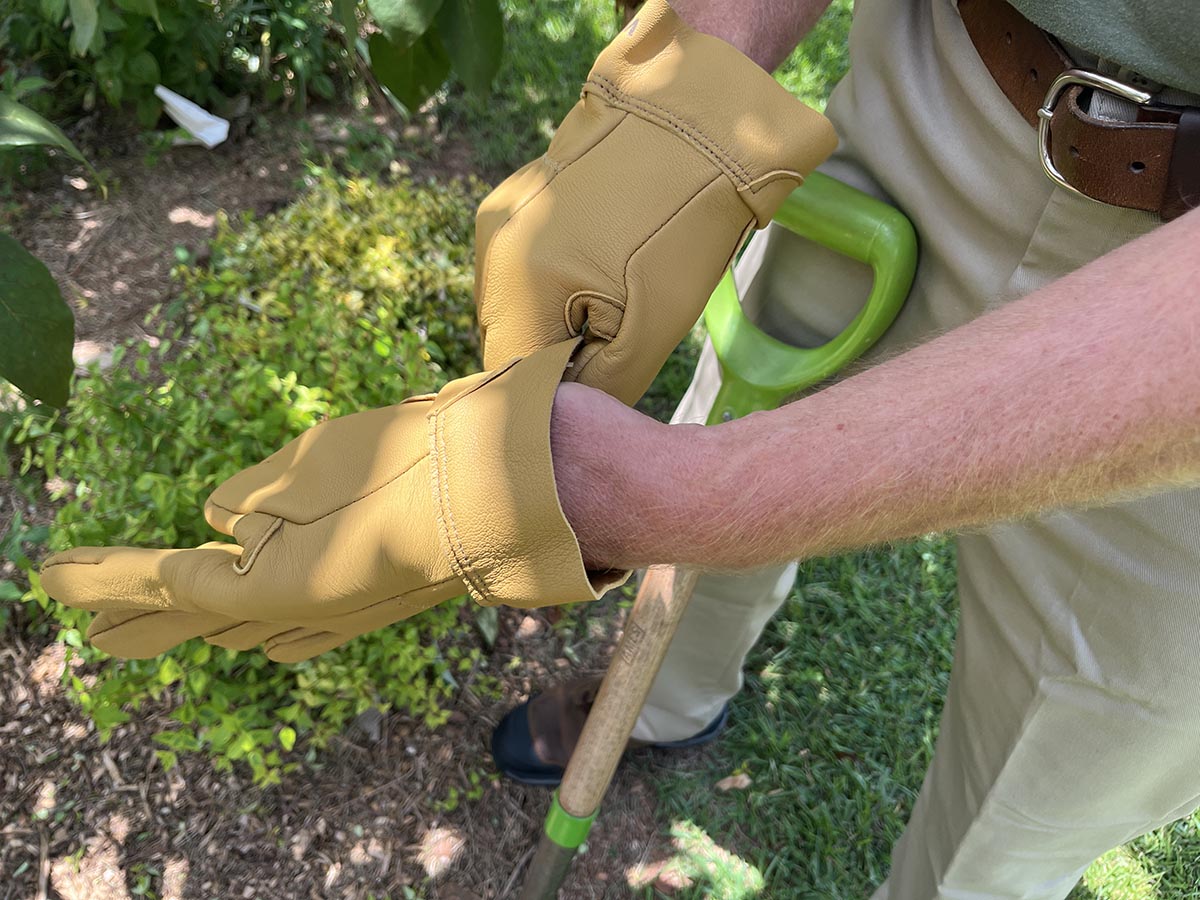
Leather gloves usually force you to pick one: protection or dexterity. The Flatlander is built to shrink that gap. It uses supple goat leather and an inside-seam design that aims for smoother feel and better control.
- 3 oz. full-grain goat leather: soft, nimble, and still protective for general work.
- Hand-stitched with heavy-duty thread: built for real use, not “one weekend project then retire.”
- Inside seams + vein protector: designed to reduce bulk and improve dexterity while reinforcing a high-wear area.
If you’ve ever tried to tie, pinch, or pick up small hardware in stiff gloves, you already understand why this matters. The Flatlander is for the person who needs their hands to do more than just hold a coffee.
3) Helly Hansen Workwear Tech Midlayer Jacket
Outdoor work in cool weather is basically a math problem: too warm and you sweat; too cold and you lose dexterity and focus. A good midlayer makes the equation less dumb.
- Recycled polyester fleece build designed for flexible insulation.
- Secure storage: zip hand pockets and a zip chest pocket for essentials.
- Workwear-grade components: quality zippers and stitching details you’d actually want on a jobsite layer.
- Sustainability notes: includes recycled fiber content and carries a bluesign® product designation.
It’s the kind of layer that fits under a shell when the temperature drops, but doesn’t fight you when you’re moving. In other words: it stays out of your waylike good gear should.
4) CAT Invader Sport Lo Mesh Composite Toe Work Shoes
Work shoes used to be “for warehouses” and “for people whose ankles don’t matter.” In 2025, lightweight safety shoes got legitimately good. The Invader Sport leans sneaker-like by design: breathable mesh, cushioned midsole, slip-resistant outsole, and a composite toe for protection.
- Composite safety toe to cut weight compared to steel while still protecting your toes.
- Breathable mesh upper with reinforced high-wear areas for durability.
- Traction inspired by heavy equipmentgrippy outsole patterns meant to bite across surfaces.
- Low-top reality check: more freedom of movement, less ankle coverage than a boot (choose accordingly).
If your day is light-to-medium duty, or you’re constantly bouncing between jobsite, shop, and driving, this category is worth a hard look. It’s “PPE that doesn’t feel like punishment.”
5) The “Quiet MVP” Factor: Why these pieces win
Notice what none of these are selling: “Look how tough you are.” Instead, they’re optimized for the stuff that actually ruins workdays: sweaty feet, numb fingers, restricted movement, and gear that quits before lunch. 2025’s best new workwear won by being less dramatic and more useful.
Honorable Mentions & 2025 Trends Worth Copying
Not every great workwear pick in 2025 was “brand-new from the ground up.” Some were smart updates, tested favorites, or trend-defining ideas that made other brands scramble to keep up.
Work boots with dial-based lacing (BOA-style systems)
Dial-lacing systems surged in attention because they solve annoying real problems: uneven lace pressure, mid-day reties, and trying to adjust boots with gloves on. A dial can tighten evenly, stay put, and avoid loose laces that catch or tripplus many systems are repairable.
The “new classic” approach: icons updated with comfort tech
2025 workwear didn’t abandon classicsit upgraded them. That’s the 874 Pro Series story in a nutshell: keep the look and durability, add mobility and modern convenience. More brands should follow this rule: Don’t reinvent the wheel. Put better tires on it.
Technical work pants getting mainstream love
Technical work pantsespecially those built around stretch, tear resistance, and weather resistancekept climbing. If you’re constantly kneeling, climbing, or working outdoors, the “performance fabric” category can feel like cheating (in the best way).
Gloves getting task-specific (without being gimmicky)
The best glove guidance in 2025 emphasized matching glove materials and padding to the jobutility gloves for general use, tougher options for abrasion-heavy tasks, and more flexible gloves when you need fine motor control. It sounds obvious, but most people still buy “whatever’s on the hook at the hardware store,” then wonder why their hands hate them.
How to Choose Workwear That Actually Works
Buying workwear is weird because the stakes are high, but the marketing is louder. Here’s a practical way to decide what’s worth your moneywithout turning your closet into a museum of “almost right” gear.
Start with the hazard, not the hype
- Impact risk? Prioritize a safety toe (composite/carbon styles can feel noticeably lighter).
- Electrical or metal detector environments? Non-metal components can matter.
- Wet conditions? Waterproof materials + breathable membranes help, but remember: fully waterproof can reduce breathability.
- Concrete all day? Cushioning and support are not luxury features; they’re injury prevention.
Fit is performance
Loose gear can snag; tight gear can restrict movement and cause chafing. The sweet spot is “room to move” plus patterning that follows your body. Look for stretch where it matters (waistbands, knees, gussets) and try a range of motion test in the mirror: deep squat, step-up, reach overhead. If your pants try to resign mid-squat, they’re not the ones.
Pockets should match your workflow
Pocket overload can be as annoying as pocket shortage. What you want is stable carry: a zippered thigh pocket for phone or small tools, a chest pocket that actually closes, and enough hand pockets to stop playing “where did I put that bit?”
Layering beats “one big jacket”
A smart midlayer (like a fitted fleece) plus a weather shell is often better than a bulky coat. You can vent when you’re active and add protection when you stop moving. It’s also easier to stay comfortable across big temperature swingsaka, real life.
Gloves: pick your priority
- Dexterity-first? Softer leather, inside seams, lighter weight materials.
- Abrasion-heavy tasks? Reinforced palms, tougher materials, and construction that can take repeated friction.
- Cold work? Insulated gloves help, but don’t ignore grip and controlclumsy hands can be dangerous hands.
3 Job-Ready Workwear Kits (Copy, Paste, Go)
If you’re not trying to become a workwear collector, these combos are a solid starting point. Swap brands as neededthe logic stays the same.
Kit #1: All-day outdoor work (landscaping, fencing, general property work)
- Boots: Waterproof safety-toe boots with strong traction and real cushioning.
- Pants: Quick-drying, stain-resistant work pants with a secure pocket for phone/keys.
- Layering: A midlayer fleece + a rain shell you can vent.
- Gloves: Dexterous leather gloves for handling tools, wire, and rough materials without losing feel.
Kit #2: Shop/garage work (woodworking, fabrication, wrenching)
- Footwear: Lightweight composite-toe work shoes if you don’t need a tall bootmore mobility, less bulk.
- Pants: A modern work pant with a tapered leg (less snag risk) and a zip pocket for small parts.
- Gloves: Utility gloves for abrasion + a more dexterous leather pair for detail work (two-glove life is underrated).
Kit #3: “Work-to-street” workwear (jobsite → errands → life)
- Pants: A clean-cut work pant that can pass as everyday wear while still taking abuse.
- Jacket: A classic work jacket silhouette or a midlayer you can wear on its own.
- Footwear: A comfortable work boot or rugged shoe that won’t wreck your day if you keep it on after work.
Care & Longevity Tips (Because Good Gear Isn’t Disposable)
The best workwear of 2025 is designed to take a beatingbut a little maintenance keeps it performing longer (and smelling less like regret).
Boots
- Rotate pairs if you can: letting boots dry out between wears improves comfort and lifespan.
- Clean and condition leather: especially after mud, salt, or repeated wet conditions.
- Check outsole wear early: traction loss sneaks up on youthen surprises you on a wet ladder rung. Not a fun game.
Pants
- Follow wash guidance: performance finishes (like stain release) tend to last longer when you avoid harsh detergents and overdrying.
- Empty pockets (seriously): washers don’t respect screws, drill bits, or that one drywall anchor you “might need later.”
Gloves
- Condition leather occasionally: keeps it supple and reduces cracking.
- Dry slowly: no blasting gloves on a heater like a rotisserie chickenheat can stiffen and damage leather.
Field Notes: of Real-World Experience with 2025’s Best Workwear
Picture a typical week where the calendar lies to you. Monday says “small repair,” but it becomes “surprise demolition.” Tuesday is outdoors and windy. Wednesday is shop time with a thousand up-and-down movements. Thursday is a long drive to a jobsite that definitely could’ve been an email. Friday is “wrap-up,” which means you’re doing the hardest work at the fastest pace.
The biggest difference with the best new workwear of 2025 is how quickly you notice what’s not happening. Your boots don’t feel like they’re stealing your energy. You stop thinking about your feetwhich is the highest compliment a boot can earn. When cushioning and stability are dialed in, the day feels less like a slow leak in your gas tank. You still get tired (you’re working), but your gear isn’t piling on.
Then there’s the “hands problem.” If you’ve ever tried to pick up a tiny screw or pull a zip tie tight while wearing stiff gloves, you know the frustration: your gloves protect you, but they also turn your fingers into novelty sausages. A dexterous leather glove changes that. You can grip tool handles without over-squeezing, handle rough materials without shredding skin, and still do detailed tasks without ripping the gloves off every five minutes. The win isn’t dramaticit’s cumulative. Less fumble, less rework, fewer little cuts that somehow sting for three days.
Pants are where 2025’s “small upgrades” feel massive. A flex waistband sounds boring until you’re stepping into a truck repeatedly, climbing, kneeling, or crouching in a tight space. A tapered leg isn’t about fashionit’s about not catching fabric on corners, hardware, or stray nails. And the first time you put your phone in a zippered thigh pocket and it stays exactly where you put it all day, you realize how much time you’ve wasted doing the pocket-pat dance. You know the one: pat left pocket, pat right pocket, mild panic, repeat.
Midlayers might be the most underrated piece of the whole kit. On a cold morning you start bundled up. Fifteen minutes later you’re hauling materials, climbing stairs, or moving fastand suddenly you’re too warm. With a proper midlayer, you can vent or shed a shell and stay comfortable without turning into a sweaty mess that freezes the moment you stop moving. That’s the secret: staying dry is staying warm.
By the end of the week, the best workwear doesn’t feel like a costume you endured. It feels like equipment that quietly did its job. You might still complain (it’s your right), but you’ll complain about the weather or the schedulenot about your boots crushing your feet, your gloves betraying your grip, or your pants restricting movement like they’re jealous of your knees. That’s the 2025 difference: better workwear didn’t make you tougher. It made the work a little less punishingso you can keep doing it, and do it well.