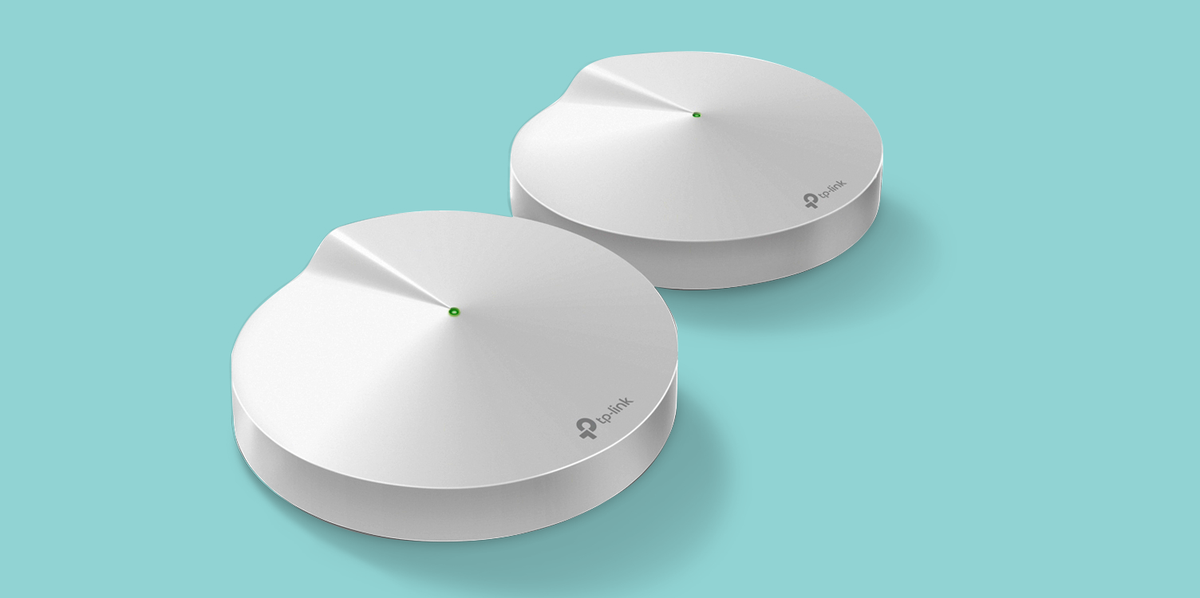
If your Wi-Fi signal disappears the moment you walk into the bedroom, garage, basement, kitchen corner, or that one suspicious hallway where video calls go to die, you are not alone. In 2022, mesh WiFi systems became one of the smartest upgrades for American homes because they solved a modern problem: one router trying to serve too many devices across too many walls while everyone streams, games, works, scrolls, and argues with smart speakers at the same time.
The best mesh routers 2022 shoppers looked for were not just fast. They were reliable, easy to set up, secure, and flexible enough for homes packed with laptops, phones, tablets, TVs, consoles, doorbells, cameras, thermostats, and the occasional printer that behaves like it was raised by wolves. Instead of relying on one central router, a mesh WiFi network uses a main router and satellite nodes to create one seamless wireless network throughout the home.
This guide breaks down the best mesh WiFi network systems of 2022, what made them stand out, who they were best for, and how to choose the right one without needing a networking degree or a secret handshake from your internet provider.
What Is a Mesh Router System?
A mesh router system is a set of networking devices that work together to blanket your home with Wi-Fi. One unit connects to your modem, while additional nodes are placed around the house. Unlike old-school range extenders that often create separate network names and awkward handoffs, mesh systems are designed to keep your devices connected to a single network as you move from room to room.
In practical terms, mesh WiFi is ideal for larger homes, multi-story layouts, apartments with thick walls, home offices far from the modem, and families with many connected devices. It is also a lifesaver for anyone whose router sits in a closet because the cable installer made a choice in 2009 and everyone has suffered since.
Best Mesh Routers 2022: Top Picks for Whole-Home WiFi
1. Eero 6 Plus: Best Mesh Router for Most Homes
The Eero 6 Plus was one of the easiest mesh systems to recommend in 2022 because it balanced speed, simplicity, and price. It supported Wi-Fi 6, worked well with gigabit internet plans, and offered 160 MHz channel support on the 5 GHz band, giving compatible devices more room to breathe. A three-pack was commonly rated for up to about 4,500 square feet and more than 75 connected devices.
Its biggest strength was user experience. The Eero app made setup feel almost suspiciously easy: plug in the main unit, follow the instructions, place the nodes, and let the system do the boring network wizardry. It was a great fit for families who wanted stable Wi-Fi without fiddling with channels, bands, signal levels, or menus that look like they escaped from a submarine control panel.
The trade-off was customization. Advanced users who wanted deep manual controls, separate SSIDs, or fine-tuned router settings could feel boxed in. Some security and parental control features also sat behind Eero’s paid subscription. Still, for most households, Eero 6 Plus delivered exactly what a mesh WiFi system should: fewer dead zones and fewer dramatic sighs during Zoom calls.
2. Asus ZenWiFi AX XT8: Best Overall Performance and Features
The Asus ZenWiFi AX XT8 was one of the strongest mesh routers of 2022 for users who wanted power and flexibility. This tri-band Wi-Fi 6 mesh system offered AX6600-class performance, a dedicated 5 GHz backhaul option, and coverage of up to roughly 5,500 square feet with a two-pack. It also included helpful extras such as AiProtection security, robust parental controls, USB connectivity, and advanced networking options.
Where Eero leaned into simplicity, Asus gave users more control. You could tune settings, manage quality of service, create guest networks, and explore advanced features without feeling like the router was hiding the good buttons from you. For homes with demanding users, gaming consoles, 4K streaming, smart TVs, and lots of connected devices, the XT8 offered serious performance.
The downside was that setup and management could feel a little more technical than Eero or Google Nest Wifi Pro. Not impossible, just less “grandma can install it before coffee.” But for buyers who wanted one of the best mesh routers 2022 had to offer, the Asus ZenWiFi AX XT8 was a premium pick with long-lasting value.
3. Netgear Orbi RBK852: Best Premium Mesh WiFi System
The Netgear Orbi RBK852 was the muscle car of 2022 mesh routers: big, fast, premium, and not exactly shy about its price. This tri-band Wi-Fi 6 system offered AX6000 performance, coverage up to about 5,000 square feet with a router and one satellite, and support for more than 100 connected devices. It was built for large homes, fast internet plans, and households that treat streaming, gaming, and video conferencing as basic utilities.
One of Orbi’s biggest advantages was its dedicated wireless backhaul. That means the router and satellite could communicate over a separate band, helping preserve speed for your devices. In real-world homes where running Ethernet cables is not practical, that dedicated backhaul could make a meaningful difference.
The RBK852 was not the cheapest option, and some advanced security features came through Netgear Armor, which could involve a subscription after the trial period. Still, if your goal was maximum coverage and strong performance in a large house, Netgear Orbi deserved its premium reputation.
4. TP-Link Deco X20 and Deco X55: Best Budget Wi-Fi 6 Mesh Systems
TP-Link’s Deco lineup was a favorite in 2022 for buyers who wanted whole-home WiFi without needing to sell a kidney to fund it. The Deco X20 and Deco X55 brought Wi-Fi 6 to a lower price range, making them great options for apartments, medium-size homes, and families upgrading from older Wi-Fi 5 routers.
The Deco app was clean and approachable, setup was quick, and the systems offered practical features such as parental controls, guest networking, and device prioritization. The Deco X55 in particular became popular for its strong value, solid AX3000-class performance, and good coverage from a three-pack.
Budget mesh systems do come with compromises. Dual-band models do not have the same wireless backhaul advantage as premium tri-band systems, so performance can drop more noticeably when nodes communicate wirelessly over distance. However, if you can use Ethernet backhaul, even affordable Deco systems can perform impressively well. For many homes, TP-Link Deco was the sensible, no-drama upgrade.
5. Google Nest Wifi Pro: Best Mesh Router for Google Smart Homes
Released in 2022, Google Nest Wifi Pro brought Wi-Fi 6E to Google’s mesh lineup. That meant support for the newer 6 GHz band, along with 2.4 GHz and 5 GHz. Each router was rated for up to about 2,200 square feet, and the system supported smart-home standards such as Thread and Matter, making it attractive for users already living inside the Google Home ecosystem.
Nest Wifi Pro looked better than most routers, which is not a small thing. A router that can sit openly on a shelf will usually perform better than one hidden behind a vase, a stack of books, and your shame. Setup through the Google Home app was simple, and the system handled basic network management without overwhelming the user.
However, “Pro” was a little generous. Nest Wifi Pro did not offer multi-gig Ethernet ports, advanced router controls, or backward compatibility with older Nest Wifi nodes. The 6 GHz band was fast but shorter-range, as expected. For Google-focused homes that valued design and simplicity, it was a strong pick. For power users, Asus or Netgear offered more muscle.
6. Eero Pro 6E: Best Wi-Fi 6E Mesh Router for Simplicity
The Eero Pro 6E was another major 2022 release. It added Wi-Fi 6E and the 6 GHz band to Eero’s easy-to-use mesh formula. Each unit could cover around 2,000 square feet, and the system was designed for fast internet plans, busy homes, and users who wanted a future-ready mesh network without spending Saturday night arguing with router settings.
Its strengths were easy setup, clean design, automatic updates, and dependable roaming between nodes. The 2.5 GbE port on each unit was also useful for faster wired connections, though port selection was limited compared with some rivals. As with the Eero 6 Plus, advanced features often required the Eero Plus subscription.
The main caution was cost. Wi-Fi 6E was still relatively new in 2022, and many devices could not yet use the 6 GHz band. That made the Pro 6E a good future-proofing option, but not always the best value for every home.
7. Linksys Atlas Max 6E: Best for Large Wi-Fi 6E Coverage
The Linksys Atlas Max 6E was a high-end mesh WiFi system aimed at users who wanted wide coverage, Wi-Fi 6E support, and strong performance across large homes. It was expensive, but it offered tri-band connectivity, the 6 GHz band, and generous coverage from multi-pack configurations.
This system made sense for early adopters, large households, and users with newer Wi-Fi 6E devices. It also had the advantage of multiple Ethernet ports per node, which was helpful for wired gaming consoles, streaming boxes, desktops, or a network switch.
For many buyers, the price was the biggest obstacle. In 2022, Wi-Fi 6E was still a premium category, and not every home needed it. But if you wanted one of the most advanced mesh WiFi network systems available at the time, Linksys Atlas Max 6E belonged on the shortlist.
8. Ubiquiti AmpliFi Alien: Best Mesh Router for Style and Enthusiasts
The AmpliFi Alien stood out in 2022 because it looked different, performed well, and appealed to users who wanted something more interesting than another white plastic puck. It supported Wi-Fi 6, offered a touchscreen interface, and delivered strong speeds for homes with demanding network needs.
It was not the cheapest mesh option, and its ecosystem was more niche than Eero, Google, or TP-Link. But for users who liked thoughtful design, strong performance, and a slightly more enthusiast-friendly experience, AmpliFi Alien had personality. Yes, routers can have personality. No, that does not mean you should name yours Kevin, although honestly, Kevin the Router has a nice ring to it.
How to Choose the Best Mesh WiFi Network System
Consider Your Home Size
Coverage claims are useful, but they are not magic. A 4,500-square-foot rating assumes reasonable placement and typical construction. Brick, concrete, metal, mirrors, appliances, and thick floors can all reduce signal strength. For a small apartment, a two-pack may be enough. For a large two-story home, a three-pack or premium tri-band system may be smarter.
Match the Router to Your Internet Speed
If your internet plan is 300 Mbps, you probably do not need the most expensive Wi-Fi 6E mesh system on the shelf. If you have gigabit fiber, many devices, and heavy usage, a stronger Wi-Fi 6 or Wi-Fi 6E system makes more sense. Also check Ethernet ports. Some systems only include Gigabit Ethernet, while others offer 2.5 GbE ports for faster wired connections.
Understand Wi-Fi 6 vs. Wi-Fi 6E
Wi-Fi 6 improved efficiency, speed, and performance in crowded networks. Wi-Fi 6E added the 6 GHz band, which can be faster and less congested but has shorter range and weaker wall penetration. In 2022, Wi-Fi 6E was exciting but still early. It was best for future-proofing or for homes with newer phones, laptops, and tablets that could actually use it.
Think About Backhaul
Backhaul is how mesh nodes communicate with each other. Wired Ethernet backhaul is ideal because it gives each node a strong connection. Wireless backhaul is more convenient but can reduce performance, especially on dual-band systems. Tri-band mesh routers often use a dedicated backhaul band, which helps maintain better speeds across the network.
Check Parental Controls and Security
Most mesh systems include basic security, guest networks, and app-based management. However, advanced parental controls, ad blocking, threat protection, and usage reports may require subscriptions. Before buying, check what is free and what costs extra. Nobody likes discovering that “advanced security” means “please enter credit card.”
Best Mesh Router 2022 Buying Recommendations
For most homes, the Eero 6 Plus offered the best balance of simplicity, speed, and price. It was easy to recommend because it worked well for everyday users who wanted better Wi-Fi without becoming their household’s unpaid IT department.
For performance-focused users, the Asus ZenWiFi AX XT8 was one of the best mesh routers 2022 buyers could choose. It delivered excellent speed, coverage, and advanced features while avoiding the subscription-heavy feel of some competitors.
For large homes and premium coverage, the Netgear Orbi RBK852 was a standout. It was expensive, but it brought strong tri-band Wi-Fi 6 performance, dedicated backhaul, and excellent range.
For budget shoppers, TP-Link Deco X20 and Deco X55 made the most sense. They offered modern Wi-Fi 6 performance at approachable prices and were easy enough for normal humans to install.
For smart-home fans, Google Nest Wifi Pro was appealing thanks to Wi-Fi 6E, Matter and Thread support, and simple Google Home app integration. It was not the fastest or most customizable system, but it was polished and user-friendly.
Real-World Experience: What It Feels Like to Live With a Mesh WiFi System
The biggest improvement after switching to a mesh WiFi network is not always a dramatic speed test number. It is the quiet disappearance of little annoyances. The bedroom TV stops buffering. The laptop stays connected on the patio. The upstairs smart speaker finally responds before you forget what you asked. The video call no longer freezes on your least flattering facial expression. That, friends, is progress.
In a typical home, the best setup begins with smart placement. Put the main router near the modem, then place satellite nodes in open areas rather than hiding them inside cabinets. Mesh nodes are not scented candles; they need room to breathe. A node halfway between the main router and the weak-signal area usually works better than placing it directly in the dead zone. If the node itself gets a bad signal, it cannot magically create great Wi-Fi out of sadness.
One of the most useful lessons from living with mesh routers is that fewer, well-placed nodes can outperform too many poorly placed ones. Adding extra nodes everywhere can create interference and confusing handoffs. For many homes, two or three units are enough. Start simple, test performance, and adjust placement before buying more hardware.
Ethernet backhaul is another real-world game changer. If your home has Ethernet wiring, use it. Connecting mesh nodes by cable can improve stability and speed, especially in large houses or homes with thick walls. Even budget systems like TP-Link Deco can feel much more premium when supported by wired backhaul.
Mesh WiFi also makes device management easier. Most modern systems let you see connected devices, pause internet access, create guest networks, and prioritize important devices. That means you can give the work laptop priority during meetings or pause a child’s tablet when “five more minutes” becomes a documentary-length negotiation.
There are a few expectations to keep realistic. A mesh router cannot make your internet plan faster than what your provider delivers. It cannot fix a bad modem, damaged cable line, or overloaded ISP connection. It also cannot guarantee gigabit wireless speeds in every room, because walls, distance, device limits, and interference still matter. What it can do is distribute your connection more intelligently and reduce the weak spots that make home Wi-Fi feel unreliable.
The best mesh WiFi network systems in 2022 were successful because they made better home networking accessible. Whether you chose Eero for simplicity, Asus for features, Orbi for premium coverage, Deco for value, or Nest Wifi Pro for smart-home convenience, the upgrade was about more than speed. It was about making the internet feel invisible again. Good Wi-Fi should not be a daily household topic. It should simply work, quietly, in the background, like plumbing, electricity, or the mysterious drawer full of charging cables nobody dares to organize.
Conclusion
The best mesh routers 2022 market offered something for almost every type of home. Eero 6 Plus was the easy recommendation for most families. Asus ZenWiFi AX XT8 delivered excellent performance and deeper control. Netgear Orbi RBK852 served large homes with premium speed and coverage. TP-Link Deco systems made Wi-Fi 6 affordable. Google Nest Wifi Pro and Eero Pro 6E introduced Wi-Fi 6E to users who wanted a cleaner, more future-ready network.
When choosing a mesh router, focus on your actual home, not just the biggest number on the box. Think about square footage, wall materials, internet speed, device count, Ethernet backhaul, subscriptions, and how much control you want. The right mesh WiFi system should reduce dead zones, improve stability, and make everyone in the house forget where the router even is. That is the dream: fast internet, fewer complaints, and no more standing next to the laundry room because it is the only place where the Wi-Fi works.
Note: Product availability, prices, app features, subscriptions, and firmware behavior can change over time. This article reflects real product information and buyer considerations around the 2022 mesh router market.