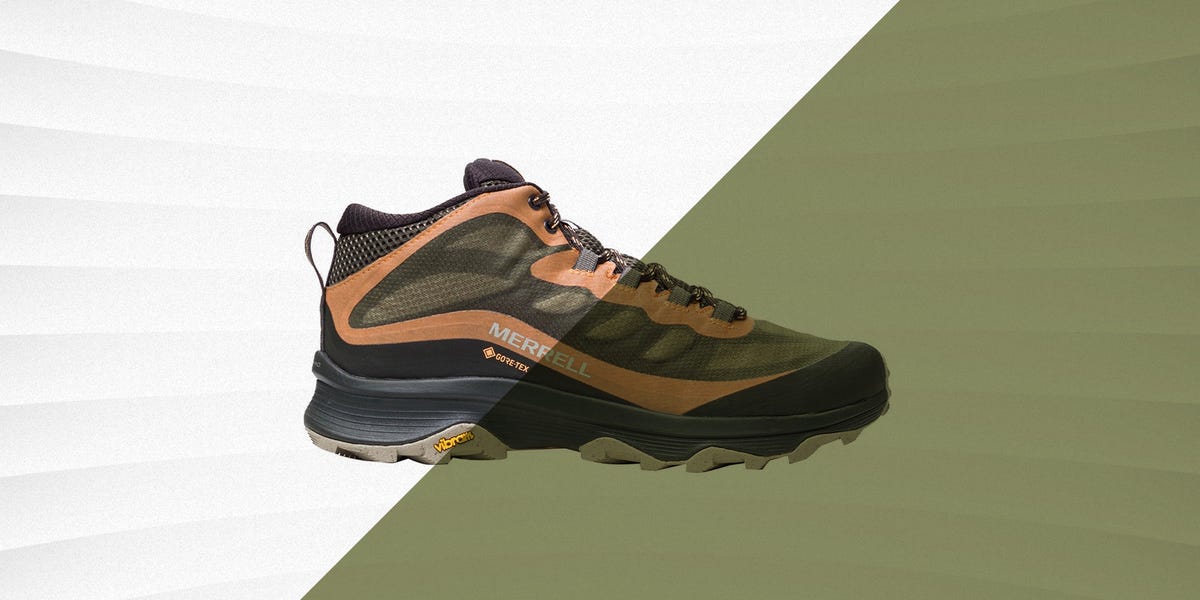
If you’re the kind of guy who thinks “just one more mile” always sounds like a good idea, you need hiking boots and shoes that can keep up. That’s where Merrell comes in. From classic all-purpose boots to fast-and-light hikers that feel more like trail runners, Merrell has quietly become the go-to brand for weekend warriors, national park road trippers, and “I basically live on trail” types alike.
In this guide, we’re rounding up the 9 best Merrell hiking boots and shoes for men in 2023. We’ll walk through who each model is best for, what real testers and gear reviewers say about them, and how to choose the pair that fits both your feet and your hiking style. Lace uplet’s go.
What Makes Merrell Hiking Boots So Popular?
Before we get into specific models, it helps to know why Merrell boots keep popping up on “best of” lists from outdoor testing sites, retailers, and long-time hikers.
- Comfort out of the box: Many Merrell boots, especially the Moab line, are known for needing almost no break-in compared with old-school leather boots.
- Solid value for money: Several expert roundups repeatedly highlight the Moab 3 as one of the best budget or value hiking boots available, thanks to its durability and support at a mid-range price.
- Lots of fit and style options: Low-cut shoes, mid-height boots, waterproof vs. ventilated, insulated winter models, and even fast-and-light designs that blur the line between trail runner and hiker.
- Trail-focused design: Grippy outsoles, rock plates on many models, and uppers that balance breathability with protection make them work from mellow park paths to rocky alpine trails.
With that foundation in mind, let’s dig into the nine models that deserve a spot in your 2023 boot short list.
1. Merrell Moab 3 Mid Waterproof – The Classic All-Rounder
If Merrell had a “greatest hits” album, the Moab 3 Mid Waterproof would be track one. This mid-cut boot is a favorite in multiple independent tests for day hikers and light backpackers who stick mostly to maintained trails.
Why it’s great
- Excellent comfort: Reviewers consistently mention plush cushioning, generous padding around the ankle, and a stable, secure feel on uneven ground.
- Waterproof protection: Merrell’s waterproof membrane and a leather/mesh upper keep feet dry in mud, shallow streams, and surprise storms.
- Great value: Often priced below many premium boots while still holding up for years of regular use, making it a top “value pick” in several guides.
Best for
Hikers who want one boot to do almost everythingstate park loops, weekend backpacking trips, and travelwithout spending top-shelf money.
Things to know
The Moab 3 Mid Waterproof is on the stiffer, more supportive side of Merrell’s lineup, which is great for stability but not as “sneaker-like” as some lighter models. If you prioritize flex and speed over support, keep reading.
2. Merrell Moab 3 (Low-Cut) – The Everyday Hiker Shoe
Sometimes you just don’t want a boot. The low-cut Moab 3 takes everything people love about the Moabcushion, support, tractionand puts it into a hiking shoe that works on trail and in town.
Why it’s great
- More freedom of movement: The low profile feels closer to a sneaker, especially on packed dirt and easier trails.
- Good ventilation: Vent and non-waterproof versions are more breathable for hot, dry climates, while waterproof models are available if you hike in wetter conditions.
- Versatility: It’s perfectly acceptable as an everyday shoe for dog walks, errands, and travel days when your “airport fit” is “I might hit a trail later.”
Best for
Hikers who mostly do day hikes, love the Moab feel, and don’t need a tall collar for ankle support.
3. Merrell Moab 3 Mid GTX – Value Workhorse With Enhanced Waterproofing
The Moab 3 Mid GTX builds on the regular Moab 3 Mid by adding a GORE-TEX waterproof membrane for improved weather protection and breathability. Lab tests and field reviews praise it as an all-purpose hiker that rarely feels fussy or high-maintenance.
Why it’s great
- GORE-TEX performance: Better long-term waterproof performance and moisture management than many in-house membranes, especially on multi-day trips in wet conditions.
- Durability: Owners often report multiple seasons of use before needing a replacement, even with frequent hiking.
- Budget-friendly for GTX: Often undercuts other GORE-TEX boots in price but still offers a solid, supportive platform.
Best for
Backpackers and serious day hikers who expect rain, muddy trails, and wet grass but don’t want to carry a premium price tag along with their pack.
4. Merrell MQM 3 GTX – The Fast-and-Stable Hiker
MQM stands for “Move Quickly in the Mountains,” and that pretty much sums up the MQM 3 GTX. This shoe blends elements of a trail runner and a hiking shoe, with a stiffer sole and snug fit that testers say adds confidence on technical terrain.
Why it’s great
- Stiff, supportive outsole: More torsional rigidity than many lightweight hikers, which helps on side-hilling and rocky sections.
- GORE-TEX waterproofing: Keeps feet dry through wet grass, shallow creek crossings, and all-day drizzle.
- Multi-tool personality: Reviewers note it works for hiking, fast-packing, and even occasional trail running, making it ideal if you mix activities.
Best for
Hikers who like to move quickly, cover big miles, and want something snappier than a classic boot but more protective than a pure running shoe.
5. Merrell MTL MQM – For Speed Hikers and Scramblers
Where the MQM 3 leans “hiking shoe with some running DNA,” the MTL MQM tips the scale further toward performance. It’s part of Merrell’s MTL (Merrell Test Lab) line, built with input from athletes and tested in rugged conditions.
Why it’s great
- Comfort from mile one: Gear testers note that the MTL MQM feels supportive along the length of the foot, with an internal bootie that hugs the midfoot and arch.
- Agile and light: Designed for speed hiking and technical terrain where you want precise foot placement and good ground feel.
- Secure lacing: A full, adaptable lacing system lets you dial in the fit for climbs, descents, and off-trail scrambles.
Best for
Experienced hikers and fast-packers who treat “moderate” trails as warm-ups and enjoy tackling steeper, rockier routes at a brisk pace.
6. Merrell Rogue Hiker Mid GTX – Backpacking-Ready Support
When Outside’s gear testers went looking for the best backpacking boot, the Merrell Rogue Hiker Mid GTX took the win in their 2023 roundup. This boot is built for big loads, long trails, and days when your mileage goal sounds more like a road trip than a casual stroll.
Why it’s great
- Backpacking-level support: A more robust midsole and upper help control heavier packs and rougher, uneven terrain.
- GORE-TEX weather protection: Designed to keep you dry through multi-day storms and soggy trail conditions.
- Serious durability: Built with tougher materials and construction meant to last through extended trips rather than just occasional day hikes.
Best for
Men planning multi-day backpacking trips, thru-hikes, or remote routes where comfort, support, and waterproofing matter more than shaving a few ounces.
7. Merrell Moab Speed Mid GTX – Lightweight, Trail-Runner Feel
If the classic Moab feels just a little too “boot” for your taste, the Moab Speed Mid GTX might hit the sweet spot. Multiple lab and field tests describe it as feeling like a trail running shoe once you start hiking, with impressive stability and support for its weight.
Why it’s great
- Lightweight and nimble: Reviewers emphasize how easy it is to “zip along trails” in this mid-height boot while still getting ankle coverage.
- Comfortable cushioning: A plush, responsive midsole smooths out long days and rocky descents.
- Versatile feel: It’s a go-to choice if you like the security of a boot but the ride of a running shoe.
Best for
Day hikers and light backpackers who prioritize low weight and speed, and who mostly stick to maintained or moderately technical trails.
8. Merrell Moab Speed Thermo Mid WP – Winter Trail Specialist
For cold-weather hikers, the Moab Speed Thermo Mid Waterproof adds insulation and winter-ready features without turning into a clunky snow boot. SectionHiker calls out the roomy toe box, excellent traction, and out-of-the-box comfort, especially for hikers who normally prefer trail runners.
Why it’s great
- Warm but not swampy: Around 200 grams of insulation and specialty insoles help block cold from snow and frozen ground while staying reasonably breathable.
- Winter traction: Soft, grippy soles provide solid traction on packed snow, icy sidewalks, and cold, rocky trails.
- Trail-runner feel: Despite the insulation, they still feel closer to a lightweight hiker than a heavy winter boot.
Best for
Hikers who stay active year-round and need a boot that handles snow, slush, and freezing temps without feeling like you strapped cinder blocks to your feet.
9. Merrell Moab 3 Mid (Wide Width & Everyday Use) – Comfort for Wider Feet
Feet on the wider side? The Moab 3 Mid is available in wide widths, and owners with wider feet often highlight its comfort and build quality, even after years of use.
Why it’s great
- Wide-friendly fit: Extra room in the forefoot gives toes space to spread, reducing hot spots and pressure points on long hikes.
- Proven design: Same core Moab featuresstability, cushioning, and tractionjust tuned for wider feet.
- Longevity: Some reviewers report 3–5 years of “normal” use before replacement, making it a solid investment.
Best for
Men with wider feet or those who simply like a roomier toe box and midfoot, but still want a supportive mid-height boot for hiking and travel.
How to Choose the Right Merrell Hiking Boot for You
With nine solid options, how do you narrow down the best Merrell hiking boots or shoes for your needs? Start with these key questions.
1. Where do you usually hike?
- Well-maintained trails & day hikes: Moab 3 (low or mid), Moab Speed Mid GTX.
- Rocky, technical terrain: MQM 3 GTX or MTL MQM for better precision and stability.
- Backpacking with a heavy pack: Rogue Hiker Mid GTX or Moab 3 Mid GTX for extra support.
- Winter and shoulder seasons: Moab Speed Thermo Mid WP.
2. How important is waterproofing?
If you live in a rainy climate or frequently hike in muddy or snowy conditions, opt for a waterproof or GORE-TEX version (Moab 3 Mid Waterproof/GTX, MQM 3 GTX, Rogue Hiker Mid GTX, Moab Speed Mid GTX, Moab Speed Thermo).
In hot, dry climates, non-waterproof or ventilated models may feel cooler and dry faster if your feet sweat a lot.
3. Boot vs. shoe: Which collar height suits you?
- Boots (mid-height): Better ankle coverage and pack support; great if you’re on rocky trails or carrying weight.
- Shoes (low-cut): Lighter, more agile, easier to wear daily. Great for casual hikes and travel.
4. What kind of fit do you prefer?
If your feet are wide or you like extra space, start with the Moab 3 Mid or low-cut versions in wide width. If you want a snug, locked-in feel for technical ground, look at the MQM family or the MTL MQM.
Real-World Experiences: Living in Merrell Boots
Specs and lab tests are great, but what do these boots actually feel like after a few hundred miles, some questionable weather choices, and one or two “this wasn’t on the AllTrails map” detours?
Breaking in (or not)
One of the most common experiences Merrell owners share is that many of these boots, especially the Moab line, require very little break-in. You might feel a mild stiffness in the first couple of miles, but it usually settles quickly. That’s a big win if you’re the type who buys boots on Thursday and hits a trail on Saturday.
That said, “no break-in” doesn’t mean “no testing.” Take your new boots on a short neighborhood walk or a local loop first. This is especially important with the MQM and MTL MQM models, which have a snugger, more performance-oriented fit. Your feet should feel locked inbut not strangled.
Hot spots, blisters, and socks
Across different reviews and user feedback, one pattern shows up again and again: the right socks make a bigger difference than you think. Pairing Moab or MQM boots with a medium-weight, moisture-wicking hiking sock usually reduces friction and blisters dramatically, especially on longer days.
If you’re prone to heel blisters, consider trying a lace-lock technique with boots like the Moab 3 Mid or Rogue Hiker Mid GTX to keep your heel from lifting. On steeper descents, tighten the top eyelets slightly so your toes don’t slam into the front of the boot.
Wet feet vs. waterproof shells
Waterproof boots are amazing when you’re walking through wet grass, snow, or shallow streams. But remember: if water comes in from the top (think deep creek crossing, sudden downpour, or snow above the ankle), waterproof membranes suddenly turn into mini bathtubs.
Many Merrell wearers solve this by owning two pairs: a waterproof boot like the Moab 3 Mid GTX or MQM 3 GTX for shoulder seasons and rainy days, and a ventilated shoe like the Moab 3 low for dry, hot-weather hikes. Yes, it’s technically “gear hoarding.” No, we’re not judging.
Winter hiking reality check
With insulated boots like the Moab Speed Thermo Mid, you’ll likely find your feet warm and happy in freezing tempssometimes even too warm if you’re working hard. The key is matching your sock weight to the temperature and your exertion level. On flat, slow walks in sub-freezing weather, thicker socks feel great. On long hill climbs, you might want a lighter sock to keep your feet from sweating and then chilling once you stop.
How long do Merrell boots really last?
Realistic expectation: if you hike regularly and put serious miles on your boots, you’ll probably see 1–3 years of heavy use before the tread and cushioning start to go soft. Light usersoccasional hikers, travel walkersoften report 3–5 years from models like the Moab 3 Mid.
Pay attention to outsole wear and midsole compression. If your boots suddenly feel “flat” and you’re more sore after familiar hikes, it’s probably time for a new paireven if the uppers still look fine.
Trail confidence and personality fit
Different Merrell models come with different “personalities” on trail:
- Moab series: Chill, dependable friend who’s always up for a hike and never complains.
- MQM / MTL MQM: The energetic buddy who hikes fast, runs sometimes, and suggests “just a quick scramble to that viewpoint.”
- Rogue Hiker Mid GTX: The serious planner in the group who carries a well-organized pack, a printed map, and probably emergency chocolate.
- Moab Speed Thermo: The winter enthusiast who thinks a snowy ridgeline in January is the best possible idea.
The best Merrell hiking boots for you are the ones that match both the terrain you hike and the way you like to move through it. Once you have that nailed, you can confidently invest in a pair that will carry you through trail miles, summit selfies, campsite coffee, and maybe a few “how did we end up here?” adventures.
Final Thoughts
Merrell has earned its reputation in the hiking world by focusing on comfort, value, and real-world performance. Whether you’re lacing up a classic Moab 3 Mid for your first national park trip or slipping into a speedy MQM 3 GTX for big-mile weekends, there’s a Merrell boot or shoe that will fit your feet, your trails, and your budget.
Pick the model that matches your terrain, weather, and hiking style, break it in with a couple of short walks, and then get out there. The trail doesn’t care what you’re wearingbut your feet definitely will.